
Curtains play a major role in how a room looks and feels. They soften natural light, add texture to walls, and frame windows in a way that enhances the entire space. But nothing is more frustrating than installing a beautiful set of curtains—only to discover later that they’ve shrunk after cleaning or exposure to humidity.
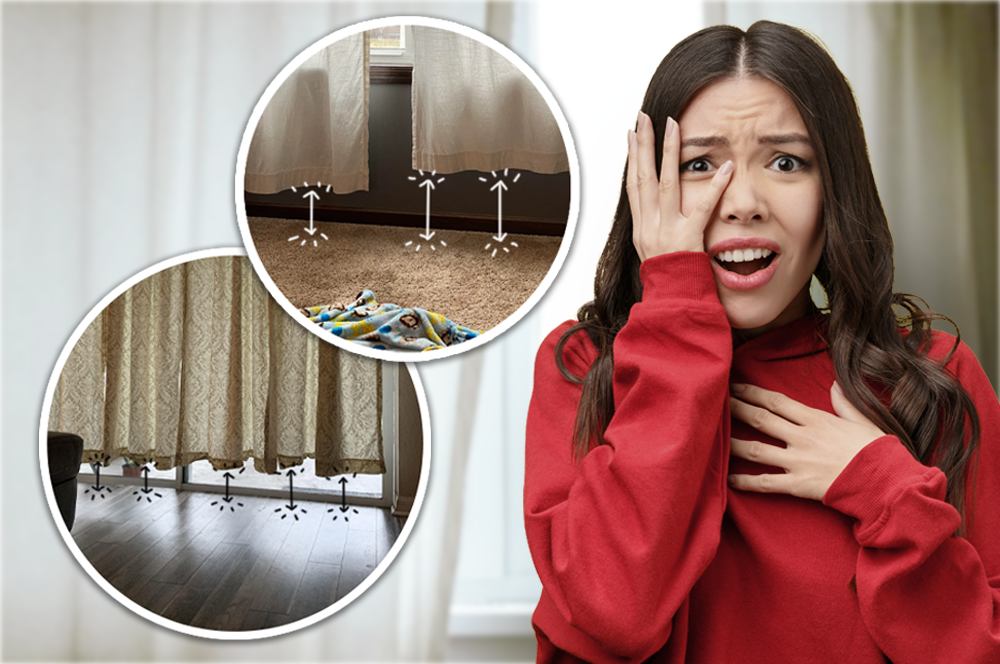
Suddenly, curtains that once touched the floor hang awkwardly above it. Drapes that used to cover the window fully now leave small gaps at the edges. Even a small amount of shrinkage can disrupt the visual balance of a room.
Fabric shrinkage is one of the most common issues people face with window treatments. Yet many homeowners are surprised by it because they assume curtains behave the same way as furniture or wall décor. In reality, curtains are made from textile materials, and textiles naturally respond to water, heat, and environmental changes.
The good news is that curtain shrinkage can often be prevented—and sometimes even corrected—with the right knowledge and techniques.
This guide explains why curtains shrink, which fabrics are most vulnerable, how to prevent size changes during cleaning, and practical methods to recover from shrinkage if it has already happened.
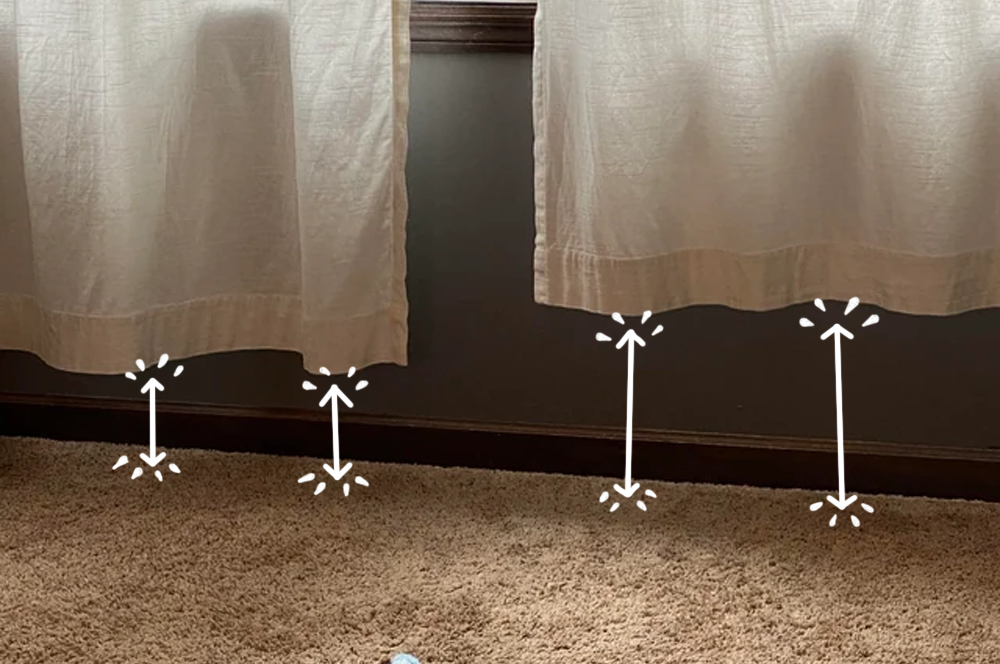
Why Curtains Shrink in the First Place
Fabric shrinkage is a natural physical response that occurs when fibers relax after manufacturing tension is released.
During the production of textiles, fibers are stretched and woven under controlled tension. This creates smooth, uniform fabrics that look crisp and structured when first manufactured.
However, when the fabric later encounters moisture or heat, the fibers may relax and return closer to their original state. This process causes the overall material to contract slightly.
Several factors influence how much shrinkage occurs.
Moisture
Water penetrates fabric fibers and allows them to swell and shift. When the material dries, the fibers may settle into a shorter arrangement.
Heat
High temperatures accelerate fiber relaxation. Hot water washing or high dryer heat can significantly increase shrinkage risk.
Mechanical Agitation
Washing machines move fabrics continuously during cycles. This movement can cause fibers to tighten together.
Fiber Type
Some materials are naturally more stable, while others shrink more easily when exposed to water or heat.
Understanding these factors helps explain why certain curtains shrink more than others.
Fabrics That Are Most Likely to Shrink
Not all curtain fabrics behave the same way. Some are relatively stable, while others require extra care.
Cotton
Cotton is one of the most common curtain materials. It is breathable, soft, and affordable.
However, cotton fibers absorb water easily and are known to shrink when exposed to heat or repeated washing.
Linen
Linen curtains are loved for their natural texture and elegant drape. Unfortunately, linen is also highly prone to shrinkage if washed incorrectly.
Even small mistakes in temperature control can lead to noticeable size changes.
Wool Blends
Although less common for curtains, wool fabrics can shrink dramatically due to fiber structure changes when exposed to water and agitation.
Silk
Silk curtains require delicate care and should usually be dry cleaned. Washing silk can distort the fabric and cause uneven shrinkage.
Fabrics That Resist Shrinkage Better
Some curtain materials are engineered to remain more dimensionally stable.
Polyester
Polyester fibers are synthetic and resistant to water absorption. Curtains made from polyester tend to hold their original size much better than natural fibers.
Acrylic and Nylon Blends
These synthetic fabrics also resist shrinkage and are often used in modern curtain designs.
Pre-Shrunk Fabrics
Some manufacturers pre-treat fabrics during production to reduce shrinkage before the material is sold.
Even with pre-shrunk fabrics, however, improper washing can still cause minor size changes.
How Much Shrinkage Is Normal?
Small changes in curtain length are common after the first cleaning.
Typical shrinkage ranges include:
cotton curtains: 2–5 percent
linen curtains: 4–7 percent
blended fabrics: 1–3 percent
For long curtains, even a few percent can translate into several inches.
For example, a 96-inch curtain shrinking by just 3 percent could lose nearly three inches in length.
That difference can dramatically affect how the curtain hangs.
How to Prevent Curtain Shrinkage
Preventing shrinkage is much easier than fixing it afterward. Following proper care methods significantly reduces the risk of fabric size changes.
Check Care Labels Carefully
Manufacturers usually include recommended cleaning instructions based on the fabric type.
Ignoring these guidelines is one of the most common causes of shrinkage.
Use Cold or Lukewarm Water
Hot water increases fiber relaxation and shrinkage risk.
Cold water washing helps maintain fabric dimensions.
Choose Gentle Wash Cycles
Delicate or gentle cycles reduce agitation, protecting fibers from tightening excessively.
Avoid High Heat Drying
Heat from dryers is one of the biggest contributors to curtain shrinkage.
Air drying or low-heat drying is safer.
Remove Curtains Promptly After Washing
Leaving wet fabric crumpled inside a washer can cause uneven drying and distortion.
Hang curtains immediately after washing to help them maintain shape.
Professional Curtain Cleaning
Some curtains benefit from professional care.
Dry cleaning is recommended for:
silk curtains
lined drapes
heavily structured fabrics
large decorative panels
Professional cleaners use specialized solvents and techniques that reduce water exposure and minimize shrinkage risk.
What to Do If Your Curtains Already Shrunk
If shrinkage has already occurred, all hope is not lost. Several methods may help restore or disguise lost length.
Fabric Relaxation Method
For minor shrinkage, reintroducing moisture and gentle stretching can sometimes help.
Steps include:
Dampen the curtain with lukewarm water.
Lay it flat on a clean surface.
Gently stretch the fabric in the direction of shrinkage.
Allow it to air dry while held in position.
This works best with natural fibers like cotton or linen.
Steam Treatment
Steam helps loosen fabric fibers.
Using a garment steamer while gently pulling the curtain downward may help recover small amounts of length.
Be careful not to apply excessive force that could distort the weave.
Add Fabric Extensions
If shrinkage is significant, sewing additional fabric panels or decorative borders to the bottom of the curtain can restore the desired length.
Many interior designers intentionally add trim or contrasting fabric for style, making this solution both practical and visually appealing.
Raise the Curtain Rod
If the curtain has shrunk slightly, adjusting the curtain rod placement can help rebalance proportions.
This works especially well when only a small amount of length was lost.
Use Curtain Rings or Clips
Switching from rod pockets to rings or clip systems can add a few inches of additional hanging length.
This is one of the easiest ways to compensate for shrinkage.
Why Curtain Length Matters in Interior Design
Curtain length affects more than just window coverage.
Interior designers often choose curtain measurements carefully to influence how a room feels.
Common curtain styles include:
Floor-Length Curtains
Curtains that lightly touch the floor create a clean and elegant appearance.
Puddled Curtains
Extra-long curtains that pool slightly on the floor create a luxurious effect.
Floating Curtains
Curtains hanging slightly above the floor create a more casual, modern look.
Even small shrinkage can disrupt these intended visual effects.
Choosing Curtains with Shrinkage in Mind
When buying new curtains, considering shrinkage potential can prevent future frustration.
Choose Slightly Longer Panels
Buying curtains a few inches longer than necessary allows room for minor shrinkage.
Look for Pre-Washed Fabrics
Pre-washed or pre-shrunk fabrics are less likely to change size later.
Consider Fabric Blends
Blended fabrics combine the beauty of natural fibers with the stability of synthetics.
Ask About Fabric Care
Understanding cleaning requirements before purchase helps avoid mistakes later.
Regular Curtain Maintenance Tips
Proper maintenance also helps preserve curtain size and appearance.
Vacuum Curtains Occasionally
Using a soft brush attachment removes dust without needing frequent washing.
Use Fabric Steamers for Refreshing
Steam can remove wrinkles and odors without soaking the fabric.
Avoid Frequent Washing
Curtains rarely need to be washed as often as clothing.
Cleaning them once or twice a year is usually sufficient unless they are exposed to heavy dust or smoke.
Common Curtain Care Mistakes
Even well-meaning homeowners sometimes make mistakes that cause shrinkage.
Washing Curtains Too Often
Frequent washing increases wear on fibers.
Ignoring Fabric Type
Treating linen curtains like polyester ones can lead to damage.
Using High Dryer Heat
Heat is one of the biggest causes of textile shrinkage.
Skipping Air Drying
Allowing curtains to air dry while hanging helps maintain their original dimensions.
Final Thoughts: Protecting the Perfect Fit
Curtains are more than just decorative accessories—they shape the atmosphere of a room. Their length, drape, and texture all contribute to the overall design.
When curtains shrink unexpectedly, it can disrupt the balance of the entire space.
Fortunately, understanding how fabrics respond to water and heat makes it much easier to prevent problems. By choosing the right materials, following proper washing techniques, and applying simple maintenance habits, you can keep your curtains looking exactly the way they were designed to.
And if shrinkage does occur, practical solutions—from gentle stretching to creative design adjustments—can help restore both the function and beauty of your window treatments.
With the right approach, you can enjoy clean, fresh curtains without sacrificing the perfect fit that makes your home feel complete.

Related Products