
There’s something undeniably elegant about white curtains. They brighten a room, create a sense of calm, and give any space that fresh, hotel-like atmosphere people love. But maintaining that pristine look at home can be surprisingly difficult—especially if you want to avoid using harsh bleach.
While bleach is often seen as the go-to solution for whitening fabrics, it comes with significant downsides. It can weaken fibers, cause yellowing over time, and even damage delicate materials. Fortunately, achieving crisp, clean, bright white curtains without bleach is not only possible—it’s often better for the longevity of your fabrics.
In this comprehensive guide, you’ll learn exactly how to clean, whiten, and maintain your white curtains using safer, more effective methods that preserve both their appearance and structure.

Why Avoid Bleach for White Curtains?
Before diving into alternatives, it’s important to understand why bleach isn’t ideal.
Fiber Damage
Bleach breaks down fabric fibers, especially natural ones like cotton and linen. Over time, this leads to:
- Thinning fabric
- Increased tearing
- Reduced lifespan
Yellowing Effect
Ironically, frequent bleach use can cause white fabrics to turn yellow due to chemical reactions with residues and minerals in water.
Harsh Chemical Residue
Bleach can leave behind residues that irritate skin and produce strong odors.
Not Suitable for All Fabrics
Many curtain materials—especially sheers and blends—cannot safely handle bleach at all.
What Creates That “Hotel Clean” Look?
Before learning the process, let’s break down what makes white curtains look like they belong in a luxury hotel.
- Bright, even whiteness
- No yellowing or gray tint
- Smooth, wrinkle-free finish
- Structured drape (not limp or saggy)
- Fresh, clean scent
Achieving this look requires a combination of proper cleaning, whitening, and finishing techniques—not just one step.
Step 1: Know Your Curtain Fabric
Different fabrics require different care methods.
Common Curtain Materials
- Cotton: Durable and easy to clean
- Linen: Elegant but prone to wrinkling
- Polyester: Low maintenance and wrinkle-resistant
- Sheer fabrics (voile, chiffon): Delicate and lightweight
Always check care labels before cleaning.
Step 2: Pre-Treat Stains Naturally
Before washing, address visible stains.
Gentle Pre-Treatment Options
Baking Soda Paste
- Mix baking soda with water
- Apply to stained areas
- Let sit for 15–30 minutes
White Vinegar Spray
- Helps break down odors and residue
- Safe for most fabrics
Mild Dish Soap
- Effective for grease or oily spots
Avoid aggressive scrubbing—this can damage fibers.
Step 3: Use the Right Whitening Alternatives
Instead of bleach, use natural or gentle whitening agents.
1. Baking Soda
- Brightens whites
- Removes odors
- Softens fabric
Add ½ cup to your wash cycle.
2. White Vinegar
- Dissolves detergent residue
- Restores brightness
- Acts as a natural fabric softener
Add ½–1 cup during the rinse cycle.
3. Oxygen-Based Cleaners
These are non-chlorine alternatives that:
- Break down stains
- Preserve fabric strength
- Work well on most materials
4. Lemon Juice
Natural mild bleaching effect when combined with sunlight.
Step 4: Wash Curtains Properly
Washing technique is critical for maintaining structure and cleanliness.
Machine Washing Tips
- Use cold or lukewarm water
- Select a gentle cycle
- Avoid overloading the machine
Detergent Choice
Use a mild, high-quality detergent designed for delicate or white fabrics.
Avoid heavy detergents that leave residue.
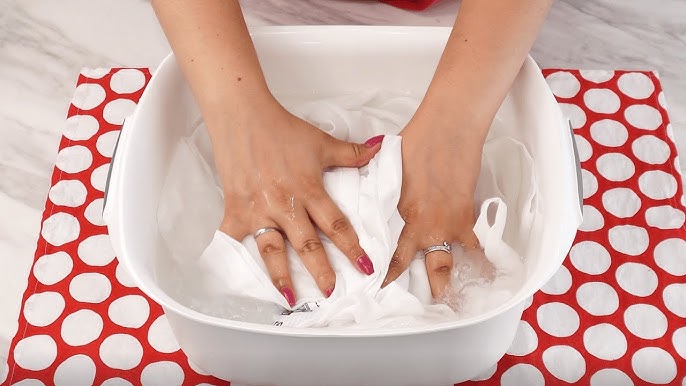
Hand Washing (For Delicates)
- Use a large basin or tub
- Gently agitate the fabric
- Rinse thoroughly
Step 5: Master the Art of Drying
Drying is where many people lose that crisp, hotel-like finish.
Air Drying Is Best
- Hang curtains immediately after washing
- Smooth out wrinkles by hand
- Allow gravity to help shape the fabric
Avoid High Heat
High temperatures can:
- Set wrinkles
- Damage fibers
- Cause shrinkage
Use Sunlight Wisely
Sunlight naturally brightens white fabrics, but excessive exposure can weaken them over time.
Step 6: Achieve That Crisp, Structured Look
Clean curtains are only half the story—structure matters just as much.
Light Starching
To get that hotel-style crispness:
- Use a fabric starch spray
- Apply lightly while curtains are slightly damp
- Iron or steam for best results
Ironing Tips
- Use the appropriate heat setting for the fabric
- Iron while slightly damp for easier smoothing
- Work in sections
Steaming Alternative
A garment steamer is ideal for:
- Removing wrinkles
- Maintaining fabric integrity
- Quick touch-ups
Step 7: Maintain Freshness Between Washes
Keeping curtains clean longer reduces the need for frequent washing.
Regular Dusting
- Use a vacuum with a brush attachment
- Remove dust weekly
Air Circulation
- Open windows when possible
- Prevent moisture buildup
Fabric Freshening Sprays
Use light, fabric-safe sprays to maintain a clean scent.
Step 8: Prevent Yellowing and Dullness
Prevention is easier than restoration.
Avoid Residue Buildup
- Do not overuse detergent
- Always rinse thoroughly
Rotate Curtains
Switch positions occasionally to ensure even exposure to sunlight and wear.
Keep Away from Pollutants
Cooking smoke, candles, and indoor pollutants can discolor fabrics over time.
Step 9: Deep Cleaning Schedule
To maintain that hotel-quality look:
- Light cleaning: Every 2–4 weeks
- Full wash: Every 3–6 months
Adjust based on environment and usage.
Common Mistakes to Avoid
Even small errors can undo your efforts.
Overusing Detergent
Leads to residue and dullness.
Skipping the Rinse Cycle
Residue buildup reduces brightness.
Drying in a Crumpled State
Creates deep wrinkles that are hard to remove.
Ignoring Fabric Type
Using the wrong method can cause damage.
Eco-Friendly Benefits of Bleach-Free Cleaning
Avoiding bleach isn’t just better for your curtains—it’s better for your home and environment.
- Reduces chemical exposure
- Safer for sensitive skin
- Less environmental impact
- Extends fabric lifespan
Creating a Hotel-Like Atmosphere at Home
White curtains are a key element in achieving a luxurious feel, but they work best when paired with:
- Clean windows
- Neutral color palettes
- Soft lighting
- Minimal clutter
When your curtains look fresh and structured, they elevate the entire room.
Final Thoughts
Maintaining white curtains without harsh bleach may seem challenging at first, but with the right approach, it’s entirely achievable—and often more effective.
By using gentle whitening alternatives, proper washing techniques, and careful finishing methods, you can keep your curtains looking bright, crisp, and elegant. The result is a clean, polished aesthetic that rivals high-end hotels—all without compromising the integrity of your fabrics.
Consistency is key. With regular care and smart habits, your white curtains can remain a timeless and beautiful feature in your home, season after season.

Related Products