Linen vs. Silk Longevity: How to Choose an Elegant Fabric with Lower Maintenance Costs

Apr 23 2026
When it comes to creating a refined, timeless look—whether in fashion, home décor, or bedding—few fabrics rival the appeal of linen and silk. Both materials carry centuries of heritage, natural origins, and undeniable sophistication. Yet beneath their shared elegance lies a practical question that many people overlook: how long do they actually last, and what does it take to maintain them?
Choosing between linen and silk isn’t just about aesthetics. It’s about lifestyle, durability, cost of ownership, and how much effort you’re willing to invest over time. In this guide, we’ll take a deep dive into the lifespan of linen versus silk, explore the hidden costs of maintaining each, and help you decide which fabric offers the best balance of elegance and practicality.
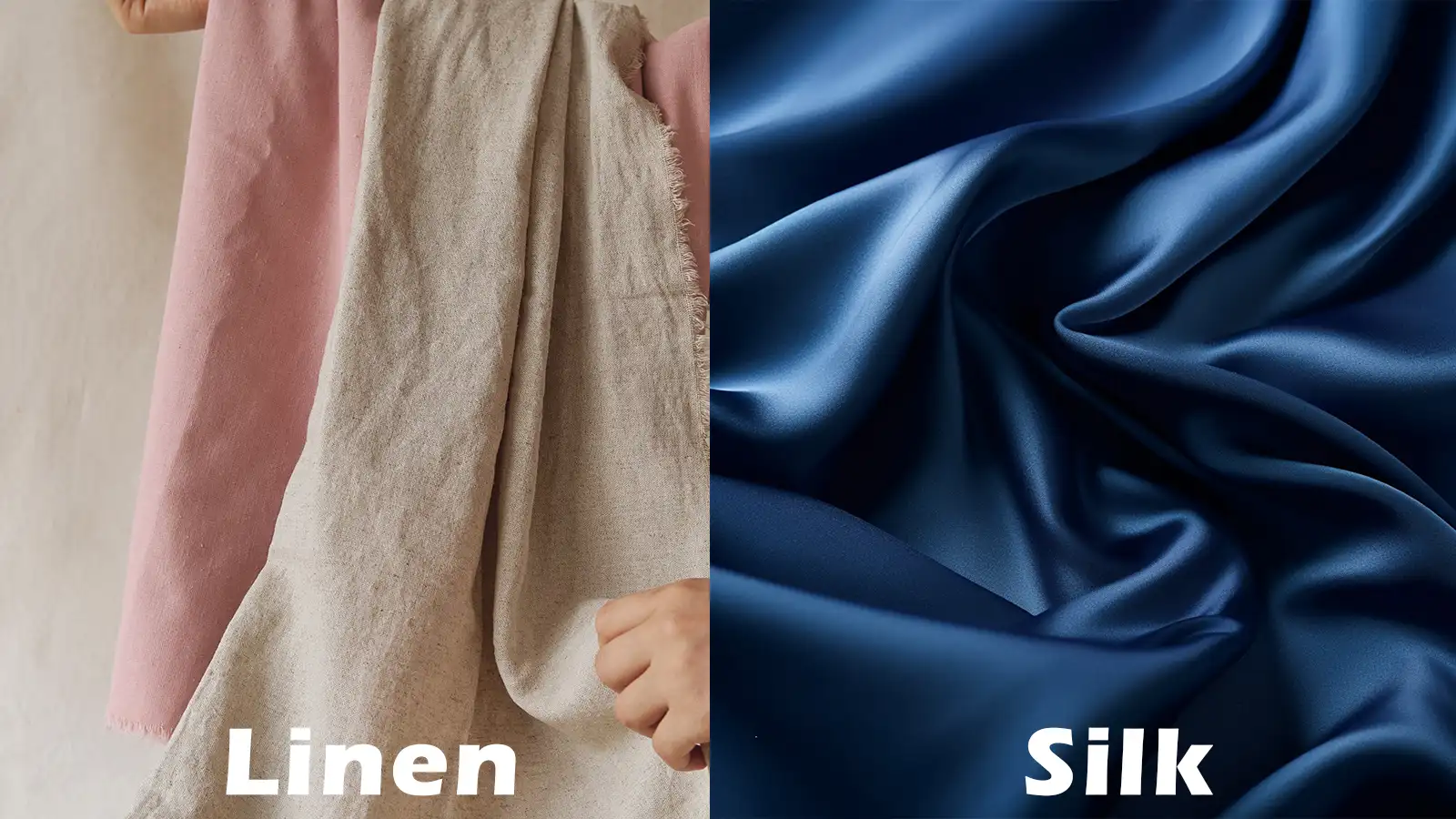
Understanding Linen: Strength in Simplicity
Linen is derived from the fibers of the flax plant, making it one of the oldest textiles in human history. Its appeal lies in its understated elegance—slightly textured, breathable, and effortlessly chic.
Durability and Lifespan
Linen is widely recognized as one of the strongest natural fibers available. In fact, it’s significantly stronger than cotton and can endure years—often decades—of regular use when properly cared for.
One of linen’s most interesting qualities is that it actually becomes softer and more comfortable over time without losing structural integrity. This is rare among fabrics, as many materials degrade as they age. Linen, by contrast, improves with use.
High-quality linen garments or bedding can easily last 10 to 30 years, depending on usage and care. Vintage linen items are often still functional and beautiful, which speaks volumes about its longevity.
Resistance to Wear
Linen has a natural resistance to abrasion and pilling. It doesn’t easily form those small fabric balls that can make garments look worn out. It’s also less prone to stretching out of shape compared to softer fabrics.
However, linen does wrinkle easily. While some see this as part of its charm, others consider it a drawback. Fortunately, wrinkles don’t impact the fabric’s lifespan—only its appearance.
Maintenance Requirements
Linen is relatively low maintenance compared to luxury fabrics. It can typically be machine washed, air-dried, and even tumble dried on low settings. It also handles frequent washing well, making it ideal for items like bedding and summer clothing.
Ironing is optional. Many people embrace linen’s natural creases, while others prefer a crisp finish.
Cost Over Time
While linen can have a higher upfront cost than synthetic fabrics, its durability makes it cost-effective over time. You’re less likely to replace linen items frequently, which reduces long-term expenses.
Understanding Silk: Luxury with Limits
Silk is synonymous with luxury. Produced from silkworm cocoons, it has a smooth, lustrous finish that instantly elevates any garment or interior piece.
Durability and Lifespan
Despite its reputation for delicacy, silk is actually quite strong in its natural state. However, its strength diminishes significantly when exposed to moisture, sunlight, and friction.
Silk garments typically have a shorter lifespan than linen—often ranging from 3 to 10 years with careful use. The fibers can weaken over time, especially if subjected to frequent washing or harsh conditions.
Sensitivity to Environment
Silk is highly sensitive to environmental factors:
Sunlight can cause fading and fiber degradation.
Moisture weakens the fibers, making them more prone to tearing.
Heat can damage the delicate protein structure.
Because of these vulnerabilities, silk requires a controlled environment and gentle handling.
Maintenance Requirements
Silk is high maintenance. Many silk items require dry cleaning, which adds ongoing costs. Even washable silk must be handled with extreme care—cold water, mild detergent, and no wringing.
Ironing silk requires low heat and often a protective cloth to prevent damage.
Cost Over Time
Silk is typically more expensive upfront than linen. When you factor in maintenance costs—dry cleaning, specialized detergents, and potential repairs—the total cost of ownership becomes significantly higher.
Additionally, silk items may need to be replaced more frequently due to wear and tear.
Direct Comparison: Linen vs. Silk
Let’s break down the key differences that matter most when choosing between these two fabrics.
1. Longevity
Linen: 10–30 years with proper care
Silk: 3–10 years with careful handling
Linen clearly outperforms silk in terms of lifespan. Its robust fibers and resistance to wear make it a long-term investment.
2. Maintenance Effort
Linen: Easy to care for, machine washable
Silk: Requires delicate handling or dry cleaning
If convenience is a priority, linen is the better choice. Silk demands attention and care that may not fit into a busy lifestyle.
3. Cost Efficiency
Linen: Higher upfront cost, lower long-term cost
Silk: High upfront and ongoing maintenance costs
Linen offers better value over time, especially for frequently used items.
4. Aesthetic Appeal
Linen: Casual elegance, textured, breathable
Silk: Smooth, glossy, luxurious
This is where silk shines. For formal occasions or statement pieces, silk delivers unmatched visual impact.
5. Versatility
Linen: Ideal for clothing, bedding, upholstery
Silk: Best for special garments, accessories, décor accents
Linen adapts to a wider range of uses, making it more practical for everyday living.
Hidden Costs You Might Not Consider
When evaluating fabric choices, many people focus only on the purchase price. However, the true cost includes maintenance, replacement, and even time investment.
Cleaning Expenses
Dry cleaning silk regularly can add up quickly. Over several years, you may spend more on cleaning than the original cost of the item.
Linen, on the other hand, can be cleaned at home with minimal expense.
Replacement Frequency
Because silk is more fragile, it may need to be replaced more often. Linen’s durability reduces the need for frequent purchases.
Time and Effort
Caring for silk requires time—hand washing, careful drying, and cautious storage. Linen is far more forgiving, saving you effort in the long run.
Choosing Based on Lifestyle
The right fabric depends on how you plan to use it and how much maintenance you’re willing to handle.
Choose Linen If You:
Prefer low-maintenance fabrics
Want long-lasting items
Value breathability and comfort
Need versatile materials for everyday use
Linen is ideal for people who want elegance without constant upkeep.
Choose Silk If You:
Prioritize luxury and visual impact
Don’t mind higher maintenance
Need fabric for special occasions
Are willing to invest time in care
Silk works best for occasional wear or decorative purposes rather than daily use.
Practical Use Cases
Clothing
For everyday wear, linen is the clear winner. It’s breathable, durable, and easy to maintain. Silk is better suited for formal attire or delicate pieces that aren’t worn frequently.
Bedding
Linen bedding is known for its durability and comfort across seasons. It regulates temperature well and improves with age. Silk bedding, while luxurious, requires careful maintenance and is more prone to damage.
Home Décor
Linen is excellent for curtains, upholstery, and table linens due to its strength and ease of care. Silk can add elegance to accent pieces like pillow covers but isn’t ideal for high-use areas.
Environmental Considerations
Both linen and silk are natural fibers, but their environmental impact differs.
Linen is generally considered more sustainable. Flax plants require less water and fewer pesticides compared to other crops. The production process is also relatively eco-friendly.
Silk production involves more resource-intensive processes and raises ethical concerns for some consumers due to the use of silkworms.
If sustainability is a priority, linen is often the better choice.
Tips for Extending Fabric Lifespan
Regardless of which fabric you choose, proper care can significantly extend its life.
For Linen
Wash in cold or lukewarm water
Avoid over-drying
Store in a cool, dry place
For Silk
Use gentle detergents
Avoid direct sunlight
Store carefully to prevent creasing
Small habits can make a big difference in how long your fabrics last.
Final Thoughts
Linen and silk both offer unique advantages, but they cater to different priorities. Linen stands out for its durability, ease of care, and long-term value. Silk, while undeniably luxurious, պահանջs more effort and comes with higher ongoing costs.
If your goal is to find an elegant fabric that doesn’t demand constant attention or frequent replacement, linen is the more practical choice. It delivers timeless style while fitting seamlessly into everyday life.
Silk still has its place—particularly for special occasions or when you want to make a statement. But for most people seeking a balance between beauty and practicality, linen offers a smarter, more sustainable investment.
In the end, the best fabric isn’t just the one that looks good today—it’s the one that continues to serve you well for years to come.
Related Products