Pets at Home or Sensitive to Allergies? The Anti-Static and Dust-Resistant Curtain Features You Should Never Ignore

Mar 26 2026
Curtains are often chosen for color, texture, or how well they match furniture. Many homeowners focus on aesthetics first and functionality second. But for households with pets or allergy sensitivities, curtains play a far more important role than decoration.
They quietly influence indoor air quality, allergen accumulation, and even daily comfort.
Pet hair floating through sunlight. Dust settling along fabric folds. Static electricity attracting microscopic particles you cannot see. These invisible factors can turn beautiful window treatments into hidden sources of irritation.
In 2026, more homeowners are discovering that curtain performance matters just as much as appearance — especially when pets or allergies are involved. Two technical indicators have become increasingly important:
anti-static performance and dust resistance.
Understanding these features can dramatically improve indoor cleanliness, reduce allergen exposure, and make everyday living more comfortable for both humans and animals.
This guide explains why these specifications matter, how they work, and how to choose curtains that truly support a healthier home environment.
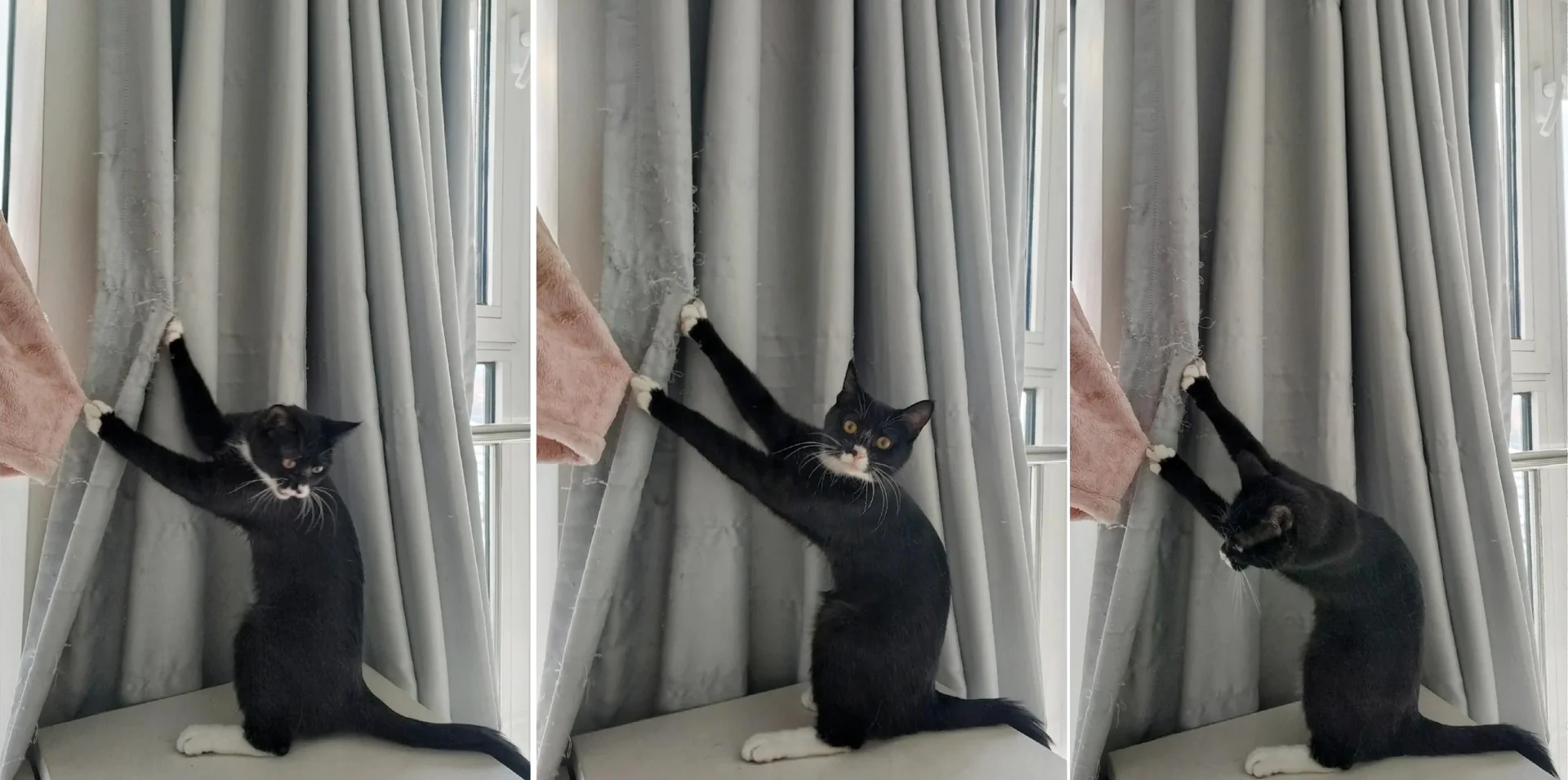
Why Curtains Matter More Than You Think
Curtains occupy a unique position inside a home.
Unlike furniture or flooring, they interact constantly with airflow.
Every time windows open, HVAC systems run, or people move through rooms, air currents carry particles that eventually land somewhere — and curtains are one of the largest vertical fabric surfaces available.
They collect:
- dust particles
- pet dander
- pollen
- airborne fibers
- skin flakes
- outdoor pollutants
Because curtains hang vertically and often remain undisturbed for long periods, they can accumulate contaminants silently over time.
For allergy-prone households, this accumulation directly affects comfort and health.
The Hidden Link Between Static Electricity and Dust
Most people associate static electricity with small shocks during winter. However, static charge plays a much larger role indoors.
When fabric builds static electricity, it behaves like a magnet for airborne particles.
Charged surfaces attract:
- dust
- pet hair
- pollen
- smoke particles
- microscopic debris
Traditional curtain materials — especially synthetic fibers — easily accumulate electrostatic charges through friction and dry indoor air.
Once charged, curtains actively pull particles from surrounding air rather than simply collecting what falls naturally.
Why Pet Owners Face a Bigger Challenge
Homes with pets experience significantly higher airborne particle levels.
Common contributors include:
- shedding fur
- dander flakes
- tracked outdoor debris
- litter dust
- fabric friction from movement
Pets brushing against curtains transfers oils and hair directly onto fabric surfaces. Static electricity worsens the situation by preventing particles from falling away naturally.
The result is curtains that trap allergens continuously.
Without anti-static properties, cleaning becomes more frequent and less effective.
Understanding Pet Dander vs Pet Hair
Many homeowners believe visible hair is the main problem.
In reality, pet allergies are usually triggered by dander, not fur.
Dander consists of microscopic skin particles that easily remain airborne and settle into fabrics.
Because these particles are extremely lightweight, electrostatic attraction dramatically increases how strongly they adhere to curtains.
Anti-static fabrics reduce this adhesion, allowing particles to fall or be removed more easily during airflow or cleaning.
What “Anti-Static Curtains” Actually Mean
Anti-static curtains are designed to prevent electrical charge buildup on fabric surfaces.
This is achieved through several methods:
Conductive Fiber Blending
Small amounts of conductive fibers disperse electrical charge instead of allowing accumulation.
Chemical Surface Treatments
Anti-static coatings reduce friction between fibers, minimizing charge generation.
Moisture-Balancing Materials
Certain textiles maintain stable humidity interaction, lowering static formation.
The goal is not eliminating electricity entirely but preventing charge concentration that attracts particles.
How Anti-Static Performance Improves Daily Living
Benefits extend beyond cleanliness.
Anti-static curtains help:
- reduce dust accumulation
- minimize airborne allergen retention
- prevent pet hair clinging
- lower cleaning frequency
- improve perceived air freshness
Many homeowners notice rooms feel cleaner even when cleaning routines remain unchanged.
Dust Resistance: A Separate but Equally Important Feature
Anti-static performance prevents attraction, while dust resistance prevents retention.
Dust-resistant curtains are engineered to stop particles from embedding deeply into fabric fibers.
Key characteristics include:
- tightly woven structures
- smooth fiber surfaces
- low-friction coatings
- reduced fiber fuzziness
Dust remains on the surface rather than becoming trapped.
This makes maintenance significantly easier.
Fabric Structure and Particle Behavior
Fabric construction determines how particles behave.
Loose Weaves
- trap dust easily
- difficult to clean thoroughly
- hold allergens longer
Dense Weaves
- limit particle penetration
- allow easier removal
- resist buildup
Microfiber and high-density woven textiles often perform better for allergy-conscious households.
The Role of Airflow in Dust Accumulation
Curtains move subtly throughout the day due to airflow.
Each movement redistributes particles.
Anti-static, dust-resistant curtains reduce secondary particle release — meaning fewer allergens re-enter indoor air after settling.
This contributes to more stable indoor air quality.
Synthetic vs Natural Fabrics: Which Works Better?
Both material categories have advantages and drawbacks.
Synthetic Fabrics
Pros:
- durable
- easier treatment integration
- strong dust resistance potential
Cons:
- prone to static without treatment
Natural Fabrics
Pros:
- breathable
- moisture-regulating
Cons:
- may trap dust if loosely woven
- require more maintenance
Modern blended fabrics often offer the best balance.
Why Curtain Weight Matters for Allergies
Heavier fabrics create deeper folds where particles accumulate.
Light-to-medium-weight curtains typically:
- allow better airflow
- collect less debris
- clean more easily
Choosing appropriate weight reduces long-term buildup.
Anti-Static Curtains and Indoor Air Quality
While curtains are not air purifiers, they influence particle circulation.
Reducing dust attraction helps maintain lower background allergen levels.
This complements:
- air purifiers
- HVAC filtration
- regular cleaning routines
Curtains become passive contributors to healthier indoor environments.
Cleaning Frequency and Maintenance Benefits
Traditional curtains may require frequent washing to remain clean.
Anti-static, dust-resistant designs often allow:
- longer intervals between washes
- easier vacuum cleaning
- faster dust removal
Reduced maintenance is especially valuable in pet households.
Ideal Curtain Features for Allergy-Sensitive Homes
Look for these performance indicators:
- anti-static certification or treatment
- high-density weave
- smooth surface texture
- washable materials
- low-lint fabrics
- moisture-balanced fibers
These characteristics collectively reduce allergen retention.
Curtains and Seasonal Allergy Protection
Outdoor pollen easily enters homes through ventilation and open windows.
Static-charged curtains capture pollen quickly.
Anti-static fabrics reduce pollen adhesion, helping prevent seasonal allergen buildup indoors.
This becomes particularly important during spring and fall.
The Impact of Humidity on Static Electricity
Dry air increases static charge dramatically.
Winter heating systems often lower indoor humidity, worsening dust attraction.
Anti-static curtains help stabilize performance even under dry conditions.
Pairing them with proper humidity control enhances effectiveness further.
Pet Behavior and Curtain Longevity
Pets interact physically with curtains more than expected.
Scratching, brushing, or sleeping nearby transfers oils and particles.
Dust-resistant fabrics:
- resist staining
- release hair more easily
- maintain appearance longer
Durability and cleanliness become interconnected.
Color Choices and Practical Maintenance
While color is aesthetic, it influences perceived cleanliness.
Mid-tone fabrics often hide minor dust better than very dark or very light colors.
However, anti-static performance matters far more than color when controlling allergens.
Smart Home Integration and Clean Living
Automated curtain systems indirectly support cleanliness by:
- reducing manual handling
- minimizing fabric disturbance
- maintaining consistent positioning
Less physical contact means fewer transferred particles.
Automation complements anti-static materials effectively.
Certifications and Labels to Watch For
When shopping, product descriptions may reference:
- anti-static treatment
- dust-repellent finish
- allergen-conscious textiles
- low-electrostatic materials
Clear performance claims usually indicate intentional engineering rather than decorative focus alone.
Common Buying Mistakes
Many buyers unintentionally choose unsuitable curtains by:
- prioritizing appearance only
- selecting overly textured fabrics
- ignoring material composition
- assuming thicker equals cleaner
- overlooking maintenance requirements
Understanding performance specifications prevents costly replacements later.
Designing a Pet-Friendly Window Environment
Beyond fabric choice, consider:
- curtain length that avoids floor dragging
- washable materials
- smooth tracks for easy removal
- placement away from litter or feeding areas
Small design decisions significantly reduce contamination.
Long-Term Health and Comfort Benefits
Reducing dust accumulation can contribute to:
- fewer allergy flare-ups
- improved sleep comfort
- reduced cleaning stress
- fresher indoor atmosphere
Many benefits appear gradually rather than immediately.
The Growing Demand for Functional Textiles
Modern consumers increasingly expect home textiles to perform actively.
Curtains are evolving from decorative accessories into environmental tools that support comfort, hygiene, and wellness.
Anti-static and dust-resistant technologies reflect this broader shift toward functional living spaces.
Future Innovations in Curtain Technology
Emerging developments include:
- nano-coatings resisting particle adhesion
- antimicrobial textile treatments
- self-cleaning surface technologies
- smart fabrics reacting to humidity levels
As homes become more health-focused, textile innovation continues accelerating.
How to Evaluate Curtains Before Buying
Ask practical questions:
- Does the fabric include anti-static treatment?
- Is it washable or easy to maintain?
- How dense is the weave?
- Is the surface smooth or textured?
- Is it suitable for pet households?
Clear answers signal thoughtful product design.
Final Thoughts: Curtains as Part of a Healthier Home Strategy
For households with pets or allergy sensitivities, curtains are not merely decorative elements.
They are active participants in indoor environmental quality.
Ignoring anti-static and dust-resistance features can lead to hidden buildup that affects comfort every day.
Choosing curtains designed to reduce particle attraction and retention transforms them from dust collectors into supportive components of a cleaner living space.
In 2026, smart home design increasingly prioritizes how environments feel and function — not just how they look.
And when curtains help maintain cleaner air, reduce allergens, and simplify maintenance, they become far more than window coverings.
They become quiet allies in creating a healthier, calmer home for everyone inside — humans and pets alike.
Related Products