Smart Curtain Maintenance: How to Keep Your Motorized Window Treatments Running Smoothly for Years

Apr 09 2026
Smart homes are no longer futuristic concepts—they are everyday realities. From voice-controlled lighting to automated climate systems, homeowners increasingly expect convenience, efficiency, and seamless technology integration. Among the most popular upgrades in modern interiors are motorized window treatments, often called smart curtains or electric window coverings.
These systems combine design elegance with automation, allowing users to control natural light, privacy, and energy efficiency with a remote, smartphone app, or voice assistant. But like any mechanical and electronic system, smart curtains require proper care to perform reliably over time.
Many owners assume motorized curtains are maintenance-free. In reality, regular upkeep plays a crucial role in ensuring smooth operation, quiet movement, and long-term durability.
This comprehensive guide explains how smart curtain systems work, why maintenance matters, and the professional strategies that help electric window treatments operate flawlessly year after year.
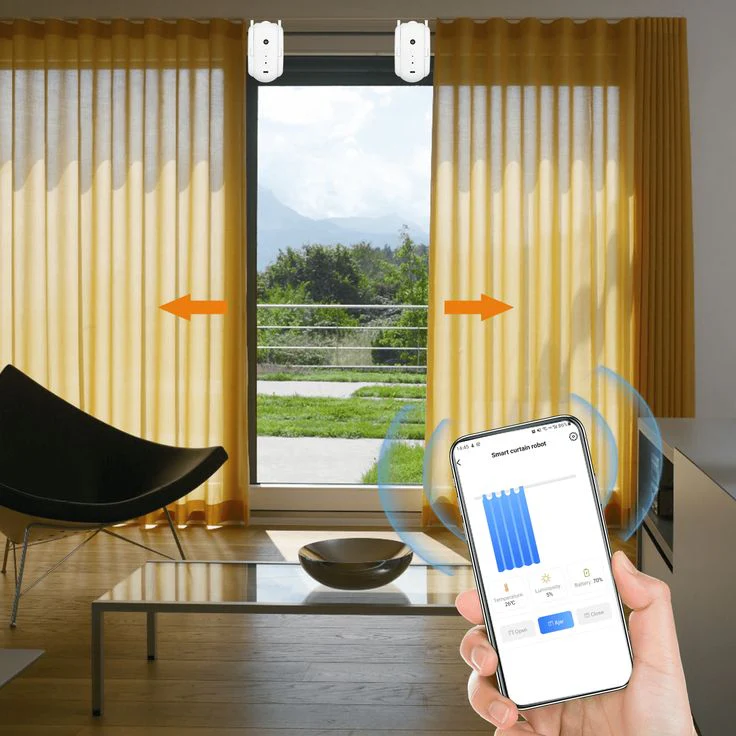
Understanding How Smart Curtains Actually Work
Before discussing maintenance, it helps to understand the components behind motorized window coverings.
A typical smart curtain system includes:
- Electric motor
- Track or rail system
- Drive belt or pulley mechanism
- Control module
- Power supply or rechargeable battery
- Sensors and connectivity components
- Curtain fabric or panels
Unlike manual curtains, these systems rely on synchronized mechanical and electronic movement. Even small issues—dust buildup or slight misalignment—can affect performance.
Proper maintenance focuses on keeping every component working harmoniously.
Why Maintenance Matters More Than Most Owners Realize
Motorized curtains operate frequently, often multiple times per day.
Over a year, that can mean thousands of movement cycles.
Without maintenance, common problems develop:
- Slower opening or closing speeds
- Increased motor noise
- Uneven curtain movement
- Remote response delays
- Motor strain or overheating
- Premature component wear
Regular care prevents minor friction from becoming major mechanical failure.
The Biggest Misconception: “If It Still Moves, It’s Fine”
One of the most common mistakes homeowners make is waiting until performance declines before performing maintenance.
Smart curtains often continue functioning even while internal strain increases.
By the time symptoms appear, parts may already be wearing down.
Preventive care focuses on maintaining optimal conditions—not fixing problems after they occur.
Monthly Maintenance: The Five-Minute Routine That Makes a Difference
Professionals recommend a simple monthly inspection.
1. Dust the Track System
Dust accumulation inside tracks increases resistance.
Use:
- A microfiber cloth
- A handheld vacuum with brush attachment
- Compressed air for tight areas
Avoid wet cleaning unless recommended by the manufacturer.
2. Check Curtain Alignment
Curtains should move evenly across the track.
Look for:
- Fabric bunching
- Uneven spacing
- Dragging edges
Misalignment increases motor workload and shortens lifespan.
3. Observe Movement Speed
Consistent speed indicates healthy operation.
If movement slows or hesitates, friction or obstruction may be developing.
Early correction prevents motor damage.
4. Listen for Unusual Sounds
Healthy systems operate quietly.
Warning noises include:
- Clicking
- Grinding
- Squeaking
- Sudden vibration
Noise often signals debris or track misalignment.
5. Test Control Responsiveness
Check response using:
- Remote control
- Mobile app
- Voice assistant commands
Delayed reactions may indicate connectivity or power issues.
Cleaning Smart Curtains the Right Way
Cleaning isn’t just about appearance—it affects functionality.
Dust and particles from fabric eventually enter the track system.
Fabric Care Tips
Different materials require different approaches:
Sheer fabrics
- Gentle vacuuming with low suction
- Avoid heavy moisture
Blackout curtains
- Spot clean only
- Prevent chemical residue buildup
Heavy drapes
- Periodic professional cleaning recommended
Always remove dust regularly to reduce mechanical contamination.
Track System Care: The Heart of Smooth Operation
The track system is the most important mechanical component.
Common Problems
- Dust buildup
- Hardened debris
- Bent rails
- Dry rollers
Maintenance Tips
- Clean tracks every 2–3 months.
- Avoid oil-based lubricants unless specified.
- Use silicone-based lubrication sparingly if recommended.
Too much lubricant attracts dust and worsens performance.
Motor Care: Protecting the Most Valuable Component
The motor is the core of any electric curtain system.
Unlike manual mechanisms, motors experience electrical and mechanical stress simultaneously.
Protect Motors By:
- Avoiding forced manual pulling
- Preventing obstructions during operation
- Ensuring proper voltage supply
- Maintaining smooth track movement
When friction increases, motors compensate by drawing more power, accelerating wear.
Battery Maintenance for Wireless Systems
Battery-powered smart curtains are increasingly popular due to easier installation.
However, batteries require consistent care.
Best Practices
- Recharge before fully depleted.
- Follow recommended charging intervals.
- Avoid extreme temperatures.
- Use manufacturer-approved chargers.
Deep discharges shorten battery lifespan significantly.
Wired Systems: Power Stability Matters
Hardwired curtains rely on stable electrical supply.
Protect systems by using:
- Surge protection
- Proper grounding
- Professional installation
Voltage fluctuations can damage control boards over time.
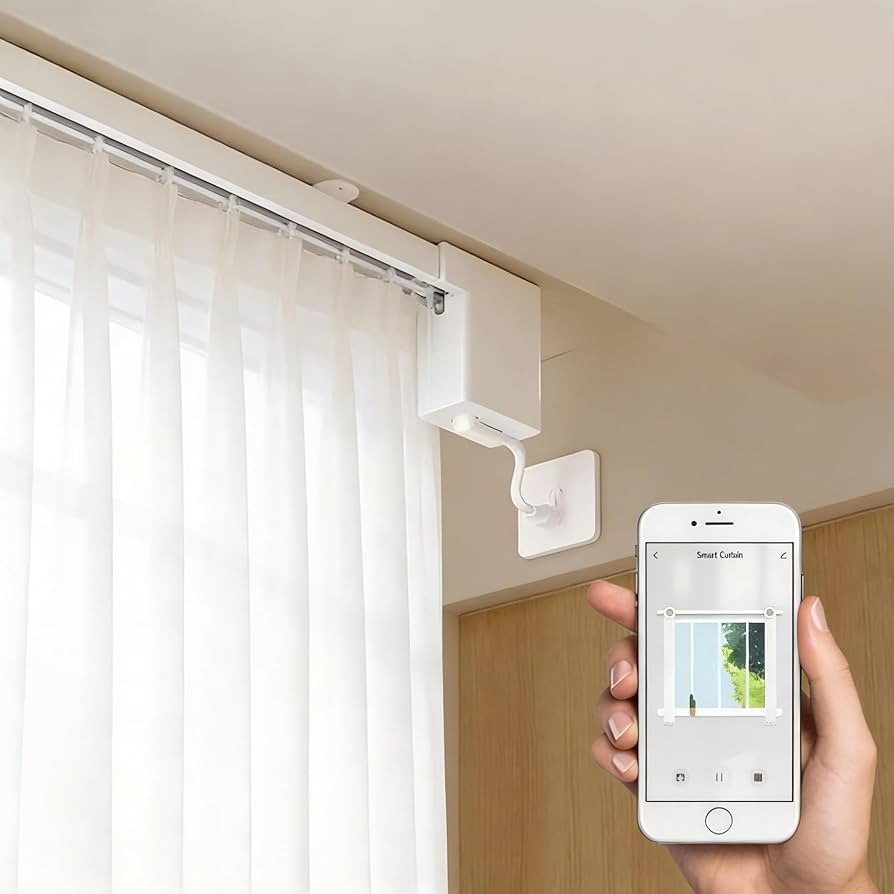
Smart Connectivity Maintenance
Smart curtains often integrate with home ecosystems.
Connectivity issues may appear as mechanical failures but are actually software-related.
Regular Digital Maintenance Includes:
- Updating firmware
- Checking app compatibility
- Maintaining Wi-Fi signal strength
- Restarting control hubs occasionally
Technology maintenance is just as important as mechanical care.
Seasonal Maintenance Checklist
Environmental changes affect curtain systems.
Spring
- Deep clean tracks
- Remove winter dust buildup
- Inspect mounting brackets
Summer
- Check heat exposure near windows
- Ensure motors are not overheating
Fall
- Clean accumulated pollen
- Inspect battery performance
Winter
- Prevent condensation buildup
- Maintain indoor humidity balance
Seasonal attention extends operational life significantly.
Preventing the Most Common Smart Curtain Failures
Based on professional installation and repair data, failures typically result from:
- Track contamination
- Misaligned installation
- Motor overload
- Battery neglect
- Obstruction damage
Most are preventable through routine inspection.
Installation Quality Determines Maintenance Needs
Proper installation reduces long-term maintenance dramatically.
Key installation factors include:
- Level mounting
- Correct weight capacity
- Adequate wall support
- Proper spacing from window frames
Poor installation creates ongoing mechanical stress.
Environmental Factors That Affect Longevity
Your home environment influences performance more than many realize.
High Humidity
Promotes corrosion and dust adhesion.
Direct Sunlight
Can degrade plastic components and fabrics.
Pet Hair
Frequently enters track systems.
Cooking Areas
Grease particles accumulate invisibly.
Understanding environmental exposure helps guide maintenance frequency.
When to Lubricate — and When Not To
Many homeowners over-lubricate curtain tracks.
Excess lubricant:
- Attracts dirt
- Creates sticky buildup
- Increases friction over time
Only lubricate when:
- Manufacturer recommends it
- Movement becomes slightly resistant after cleaning
Less is often better.
Early Warning Signs Your Smart Curtains Need Attention
Watch for:
- Uneven closing gaps
- Slower operation
- Increased motor sound
- Random stopping
- Remote inconsistency
Addressing early signs prevents costly repairs.
Professional Maintenance: When to Call Experts
Annual professional inspection may include:
- Motor torque testing
- Track alignment adjustment
- Electrical diagnostics
- Firmware optimization
Professional servicing is especially useful for large or high-end installations.
Extending the Lifespan of Your Investment
High-quality motorized curtains can last many years with proper care.
Longevity depends on:
- Usage frequency
- Maintenance consistency
- Environmental exposure
- Installation quality
Well-maintained systems often outlast expectations by several years.
Energy Efficiency Benefits of Well-Maintained Smart Curtains
Smooth operation supports automation schedules that regulate indoor temperature.
Benefits include:
- Reduced cooling costs
- Improved insulation efficiency
- Better daylight control
- Enhanced comfort
Maintenance indirectly contributes to energy savings.
Smart Automation Tips That Reduce Wear
Automation can protect hardware when configured correctly.
Recommended settings:
- Gradual opening schedules
- Avoid excessive cycling
- Coordinate with sunrise/sunset automation
- Prevent repeated manual overrides
Balanced usage reduces mechanical stress.
The Future of Motorized Window Treatments
Advancements continue to improve reliability:
- Quieter motors
- Self-calibrating tracks
- AI-based movement optimization
- Solar-powered charging
- Predictive maintenance alerts
Future systems may notify users before maintenance is needed.
A Professional Installer’s Golden Rule
After years of working with automated window systems, professionals agree on one principle:
Smooth motion equals system health.
If curtains glide quietly and evenly, the system is operating efficiently.
Maintenance focuses on preserving that effortless movement.
Final Thoughts: Maintenance Is the Secret to Effortless Automation
Smart curtains represent the perfect blend of technology and interior design. They enhance comfort, privacy, and energy efficiency while bringing modern convenience into everyday living.
Yet automation does not eliminate responsibility—it shifts it toward preventive care.
By cleaning tracks regularly, monitoring performance, maintaining power systems, and addressing small issues early, homeowners can ensure their electric window treatments remain reliable and elegant for years to come.
In the end, smart curtains work best when treated not as simple décor, but as precision home systems deserving thoughtful maintenance.
With consistent care, your motorized window coverings won’t just operate—they’ll perform smoothly, quietly, and dependably long into the future.

Related Products