The Costly Lessons I Learned Ordering Custom Curtains — Mistakes That Could Save You Thousands

Mar 11 2026
Custom curtains seem simple at first. Measure the window, pick a fabric, choose a color, and wait for installation. That was exactly what I thought before starting my own home renovation journey.
I was wrong.
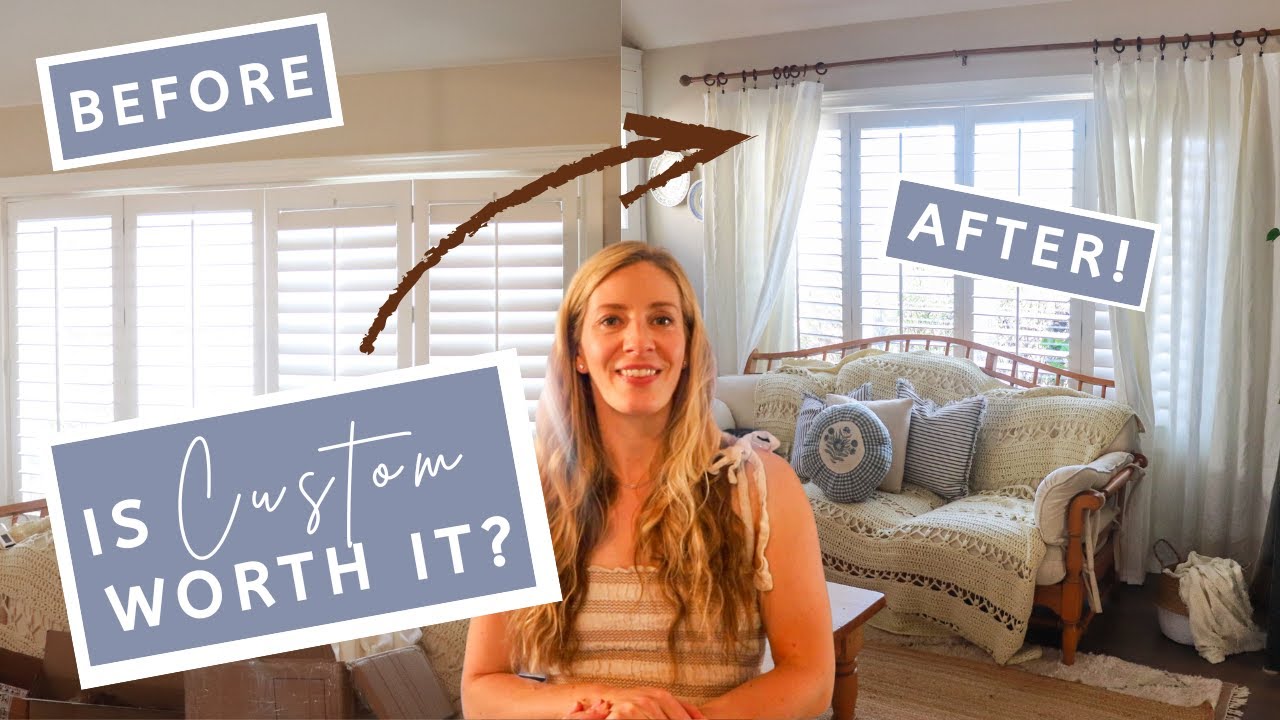
What looked like a straightforward purchase turned into one of the most expensive learning experiences of my entire home upgrade. Between incorrect measurements, fabric misunderstandings, hardware mismatches, and installation oversights, I wasted both money and time — easily several thousand dollars that could have been avoided with better planning.
Custom curtains are not just decorative elements. They affect lighting, insulation, privacy, spatial perception, and even long-term maintenance costs. Small decisions made early can have surprisingly large financial consequences later.
This article shares the real pitfalls I encountered, why they happen so often, and how you can avoid repeating them.
Why Custom Curtains Are More Complicated Than They Look
Unlike ready-made curtains, custom curtains are built specifically for your space. That means every decision becomes permanent once production begins.
Custom orders typically involve:
Fabric selection
Lining choice
Pleat style
Track or rod system
Mounting height
Curtain fullness ratio
Opening direction
Installation method
Each factor influences cost and performance simultaneously.
Most mistakes happen because buyers focus only on appearance instead of functionality.
Mistake #1: Measuring Only the Window Instead of the Wall
My first and most expensive mistake was measuring the window frame itself.
It felt logical — curtains cover windows, right?
In reality, professional designers measure wall space, not just glass dimensions.
Curtains should extend beyond the window to:
Make windows appear larger
Allow full light entry when opened
Improve visual balance
Because I measured incorrectly, my first set of curtains looked cramped and blocked natural light. Reordering meant paying production costs twice.
What I Learned
Always measure:
Total wall width
Ceiling height
Desired mounting position
Think architectural scale, not window size.
Mistake #2: Mounting Height Too Low
I initially installed curtain rods just above the window frame.
This is one of the most common beginner errors.
Low mounting visually shortens walls and makes ceilings feel lower.
After installation, my room felt smaller despite expensive materials.
The Better Approach
Mount curtains closer to the ceiling or even ceiling-mounted when possible.
Higher placement:
Creates vertical visual expansion
Improves elegance
Maximizes daylight
Changing hardware afterward required patching walls and repainting — another unexpected expense.
Mistake #3: Underestimating Fabric Fullness
Curtain fullness refers to how much fabric width is used relative to track width.
I chose minimal fullness to save money.
The result looked flat and lifeless.
Custom curtains require extra fabric to create natural folds.
Typical guidelines:
Sheer curtains: 2–2.5× fullness
Drapery curtains: 1.8–2.2× fullness
Reducing fullness saves upfront cost but destroys the intended appearance.
I eventually replaced them entirely.
Mistake #4: Choosing Fabric Based Only on Samples
Fabric samples are small — often just a few inches wide.
What looks elegant in a sample may behave very differently across a full wall.
Problems I encountered:
Fabric appeared darker at scale
Texture looked heavier than expected
Light filtering changed dramatically
Lighting conditions amplify fabric characteristics.
Smart Strategy
Always view samples:
In daytime light
At night with indoor lighting
Against wall colors
Near flooring materials
Large swatches prevent costly surprises.
Mistake #5: Ignoring Curtain Weight and Hardware Compatibility
Not all curtain tracks support all fabrics.
My heavy blackout curtains exceeded the load capacity of the selected rod.
Within months:
Rod began bending
Brackets loosened
Curtains dragged unevenly
Replacing hardware required uninstalling everything.
Curtain systems must be chosen together — fabric and hardware are inseparable decisions.
Mistake #6: Skipping Proper Lining Selection
I initially thought lining was optional.
It is not.
Lining determines:
Light control
Fabric protection
Insulation performance
Curtain longevity
Without proper lining:
Fabric faded quickly under sunlight
Temperature regulation suffered
Curtains wrinkled easily
Adding lining later is nearly impossible without reconstruction.
Mistake #7: Not Considering Daily Usage Patterns
I chose beautiful curtains that were inconvenient to use daily.
Issues included:
Hard-to-reach cords
Heavy manual operation
Limited opening space
Aesthetic decisions ignored real-life habits.
Now I evaluate curtains based on how often they will be opened or closed.
High-use areas benefit from smoother track systems or motorized options.
Mistake #8: Forgetting About Floor Clearance
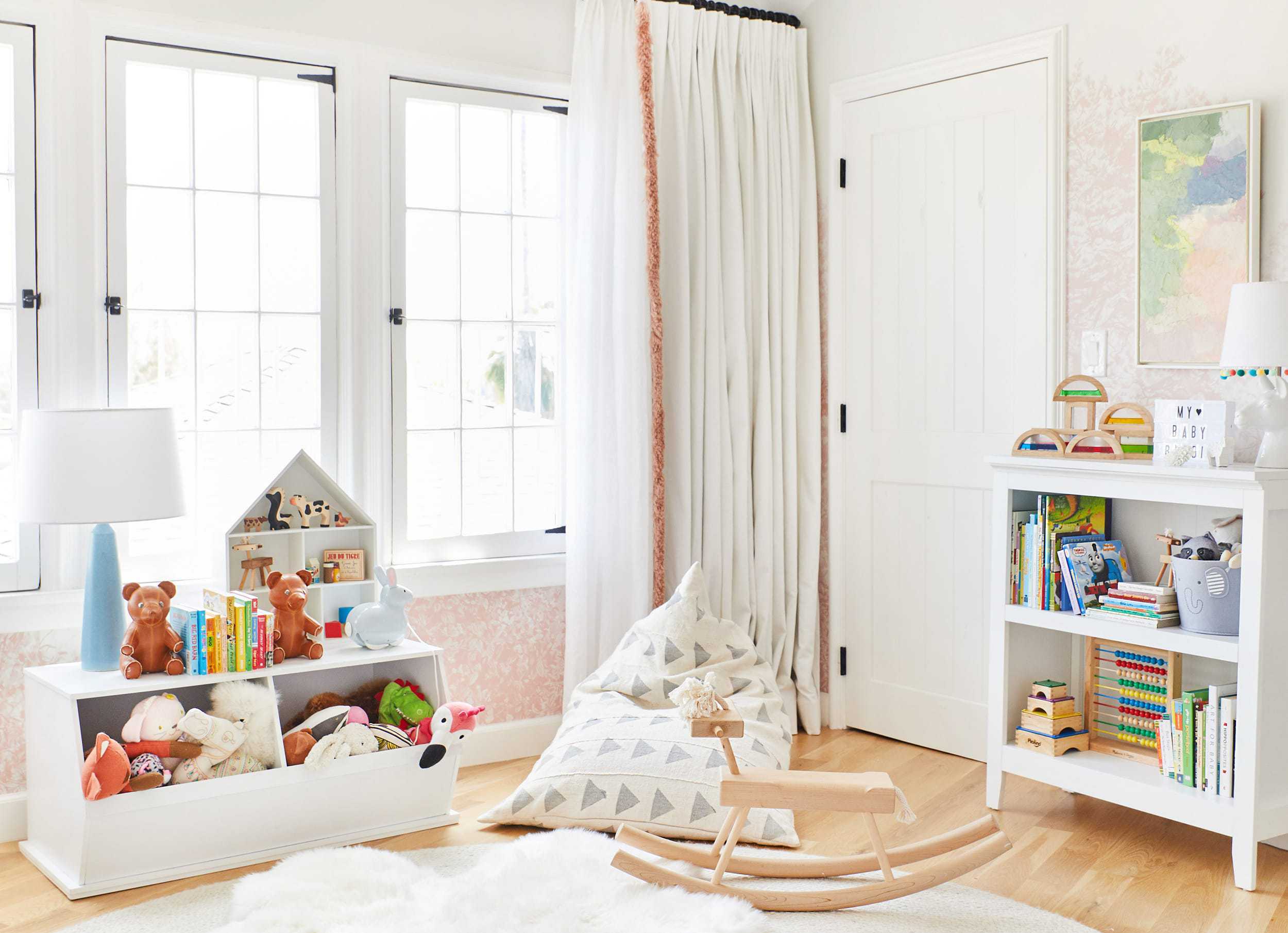
Curtain length seems like a small detail but affects maintenance and appearance.
I initially selected floor-touching curtains without considering cleaning routines.
Problems appeared quickly:
Dust accumulation
Pet hair buildup
Fabric wear
Length options include:
Floating (½ inch above floor)
Kiss (lightly touching)
Puddle (decorative pooling)
Choosing the wrong style increases long-term upkeep costs.
Mistake #9: Overlooking Wall Structure
Installation depends heavily on wall material.
My installer discovered parts of the wall lacked strong anchoring points.
Additional reinforcement increased labor costs.
Before ordering curtains, confirm:
Wall type (drywall, concrete, wood)
Anchor requirements
Load capacity
Preparation prevents installation surprises.
Mistake #10: Mixing Too Many Styles
I tried matching every room’s personality individually.
The result felt visually chaotic.
Custom curtains influence overall home cohesion.
Consistency across spaces creates harmony and reduces decision fatigue.
Now I limit variation to texture rather than completely different styles.
Mistake #11: Ignoring Sun Orientation
Different window directions require different fabrics.
South-facing windows receive intense sunlight.
North-facing rooms need light-enhancing materials.
I used identical curtains everywhere, leading to overheating in one room and darkness in another.
Function should guide fabric selection.
Mistake #12: Not Planning for Future Furniture Changes
Curtains outlast furniture.
I selected colors matching temporary décor trends.
When furniture changed, curtains clashed visually.
Neutral foundations with adaptable accents provide longer usability.
Replacing curtains frequently is far more expensive than replacing décor accessories.
Mistake #13: Underestimating Installation Precision
Even premium curtains look cheap if installed poorly.
Common issues include:
Uneven tracks
Incorrect spacing
Misaligned brackets
Professional installation often saves money by preventing rework.
Mistake #14: Choosing Price Over System Quality
Budget decisions often target visible materials rather than mechanical systems.
However, daily experience depends heavily on track smoothness.
Cheap tracks create friction and noise.
Investing in quality hardware improves longevity and usability more than upgrading fabric alone.
Mistake #15: Forgetting Maintenance Requirements
Some fabrics require professional cleaning only.
I discovered cleaning costs after installation.
Maintenance considerations should include:
Washability
Dust resistance
Wrinkle behavior
Seasonal care needs
Operational cost matters as much as purchase price.
The Real Cost Breakdown of My Mistakes
Across multiple corrections, expenses included:
Reordering fabric panels
Hardware replacement
Wall repairs
Additional labor
Cleaning adjustments
The total exceeded several thousand dollars — all preventable through better planning.
A Smarter Decision Framework for Custom Curtains
Before placing an order, ask:
How will this curtain function daily?
What lighting conditions affect this room?
Does hardware support fabric weight?
Is installation height optimized?
Will this design still work in five years?
These questions shift decisions from decorative to strategic.
Where Savings Actually Come From
Saving money does not mean choosing cheaper materials.
Real savings come from avoiding rework.
The most expensive curtain is the one replaced twice.
Thoughtful planning reduces long-term spending dramatically.
Professional Tips I Wish I Knew Earlier
Measure twice, order once.
Prioritize hardware quality.
Test fabric under real lighting.
Mount higher than instinct suggests.
Plan for maintenance early.
Think about movement, not just appearance.
These simple principles prevent most costly errors.
Why Custom Curtains Are Still Worth It
Despite the mistakes, custom curtains remain one of the most impactful home upgrades.
They improve:
Comfort
Acoustics
Energy efficiency
Privacy
Visual proportion
When done correctly, they transform living spaces in ways few décor elements can match.
Final Thoughts
Custom curtains taught me an unexpected lesson: small decisions carry long-term consequences. What begins as a design choice quickly becomes an architectural feature affecting comfort, lighting, and daily routines.
The biggest mistakes were not about taste but about understanding function. Curtains are systems — combinations of fabric, structure, mechanics, and environment working together.
By learning from common pitfalls and planning carefully before ordering, homeowners can avoid costly corrections and create spaces that feel intentional from the start.
If this guide helps you avoid even one major mistake, it may save not only money but also months of frustration.
Because in home design, the smartest investment is not always spending more — it’s making fewer wrong decisions.

Related Products