The New Energy-Saving Trend: How Cellular Shades and Thermal Liners Can Help You Cut Summer Electricity Bills by Up to 30%

Apr 02 2026
As summers grow hotter and energy costs continue rising, homeowners are searching for smarter ways to stay cool without running air conditioners nonstop. While many people focus on upgrading HVAC systems or installing smart thermostats, one of the most powerful energy-saving solutions is often overlooked — your windows.
Windows are responsible for a surprisingly large portion of indoor heat gain during summer. Even modern homes lose cooling efficiency when sunlight and outdoor heat penetrate glass surfaces throughout the day. The result is longer air-conditioning cycles, higher electricity consumption, and uncomfortable indoor temperature swings.
A growing number of homeowners and designers are turning to a practical solution that blends comfort, sustainability, and modern design: cellular shades paired with thermal liners. Together, these window treatments can significantly reduce heat transfer, stabilize indoor temperatures, and in many cases lower cooling costs by as much as 30%.
This guide explores how these systems work, why they are becoming a major home efficiency trend, and how you can use them effectively to reduce summer energy expenses while improving indoor comfort.

Why Windows Are the Weakest Point in Home Cooling
Before understanding the solution, it helps to understand the problem.
Most walls are insulated with materials designed to slow heat transfer. Windows, however, are thin barriers exposed directly to sunlight. During summer afternoons, solar radiation heats glass surfaces rapidly, allowing thermal energy to enter your home.
There are three primary ways heat enters through windows:
- Solar radiation — sunlight converts into heat indoors
- Conduction — hot outdoor air transfers heat through glass
- Air leakage — warm air seeps through gaps and frames
Even double-pane windows cannot fully prevent heat gain. According to energy studies, windows can account for 25–40% of unwanted indoor heat during summer months.
That means improving window insulation can dramatically reduce cooling demand.
What Are Cellular Shades?
Cellular shades, sometimes called honeycomb shades, are window coverings designed with a unique internal structure resembling a honeycomb.
Instead of flat fabric panels, these shades contain rows of air pockets formed by layered materials.
These pockets trap air — and trapped air is one of the best natural insulators available.
The Science Behind the Honeycomb Design
Air slows heat transfer because it reduces convection movement. Cellular shades create multiple insulating chambers between the window and your room.
This structure:
- Blocks solar heat before it enters living spaces
- Reduces heat conduction through glass
- Creates a thermal buffer zone
- Stabilizes indoor temperature
Think of cellular shades as adding insulation directly where heat enters most.
What Are Thermal Liners?
Thermal liners are specialized backing layers added behind curtains or shades to improve insulation performance.
Unlike standard decorative linings, thermal liners are engineered using dense fabrics or reflective coatings designed to:
- Reflect radiant heat
- Prevent warm air infiltration
- Reduce temperature exchange
- Improve blackout capability
When combined with cellular shades, thermal liners create a dual-barrier insulation system.
Why Combining Cellular Shades and Thermal Liners Works So Well
Individually, each solution improves insulation. Together, they create layered protection similar to insulated walls.
Layer 1: Solar Reflection
Thermal liners reflect a portion of sunlight away from the interior.
Layer 2: Air Insulation
Honeycomb cells trap air and slow heat movement.
Layer 3: Indoor Temperature Stabilization
Reduced heat gain means your air conditioner runs less frequently.
This layered approach explains why many homeowners report significant energy savings.
How These Window Treatments Can Reduce Electricity Bills
Cooling systems consume electricity primarily when compensating for heat entering the home.
When less heat enters:
- AC cycles run shorter
- Compressors operate less often
- Energy consumption drops
In hot climates or sun-exposed rooms, reductions in cooling energy use can approach 30% under optimal conditions.
Savings depend on:
- Window size and orientation
- Sun exposure duration
- Existing insulation quality
- Climate conditions
Even moderate improvements can noticeably lower monthly bills.
The Role of Solar Heat Gain Control
Solar heat gain refers to how much solar radiation enters through windows.
South- and west-facing windows typically receive the strongest afternoon sunlight, causing peak indoor temperatures.
Cellular shades reduce solar heat gain by:
- Diffusing incoming light
- Blocking radiant energy
- Creating insulating air pockets
Thermal liners enhance this effect by reflecting infrared heat outward.
Together, they significantly reduce indoor overheating.
Comfort Benefits Beyond Energy Savings
Energy reduction is only part of the advantage.
Many homeowners notice immediate comfort improvements.
More Stable Indoor Temperatures
Rooms stay cooler longer even when AC cycles off.
Reduced Hot Spots
Sun-facing rooms no longer feel dramatically warmer.
Improved Sleep Quality
Bedrooms remain cooler during evenings.
Reduced Glare
Filtered daylight creates softer interior lighting.
Comfort improvements often become noticeable within days of installation.
Environmental Advantages of Better Window Insulation
Lower electricity use benefits more than household budgets.
Reduced cooling demand means:
- Lower carbon emissions
- Reduced strain on power grids
- Decreased fossil fuel consumption
- Smaller environmental footprint
Energy efficiency improvements at the household level collectively contribute to broader sustainability goals.
Why This Trend Is Growing Rapidly
Several factors are driving increased adoption of cellular shades and thermal liners.
Rising Energy Costs
Electricity price increases encourage efficiency upgrades with immediate impact.
Climate Awareness
Homeowners seek solutions that reduce environmental impact without sacrificing comfort.
Smart Home Integration
Modern shades integrate with automation systems, optimizing energy performance.
Design Evolution
Today’s options combine aesthetics with functionality, appealing to style-focused homeowners.
Window treatments are no longer purely decorative — they are functional energy tools.
Choosing the Right Cellular Shade Structure
Not all honeycomb shades perform equally.
Single-Cell Design
- Basic insulation
- Affordable
- Suitable for mild climates
Double-Cell Design
- Two layers of air pockets
- Higher insulation value
- Ideal for hot summers
Triple-Cell Design
- Maximum thermal performance
- Best for extreme heat exposure
More cells generally mean stronger insulation performance.
Fabric Opacity and Energy Efficiency
Shade material affects both light control and heat reduction.
Sheer Fabrics
Allow light but provide limited insulation.
Light-Filtering Fabrics
Balance brightness and heat reduction.
Blackout Fabrics
Provide maximum insulation and heat blocking.
Rooms exposed to intense sunlight benefit most from blackout or dense materials.
Proper Installation: The Key to Maximum Savings
Even high-quality shades lose effectiveness if installed incorrectly.
Inside Mount vs. Outside Mount
Inside mount
- Cleaner appearance
- Slight edge gaps
Outside mount
- Better insulation coverage
- Blocks edge heat leakage
For energy performance, outside mounts often perform better.
Sealing Air Gaps Around Windows
Small gaps allow warm air infiltration.
Improve performance by:
- Using side tracks
- Installing snug fittings
- Adding window weatherstripping
Reducing airflow enhances insulation effectiveness significantly.
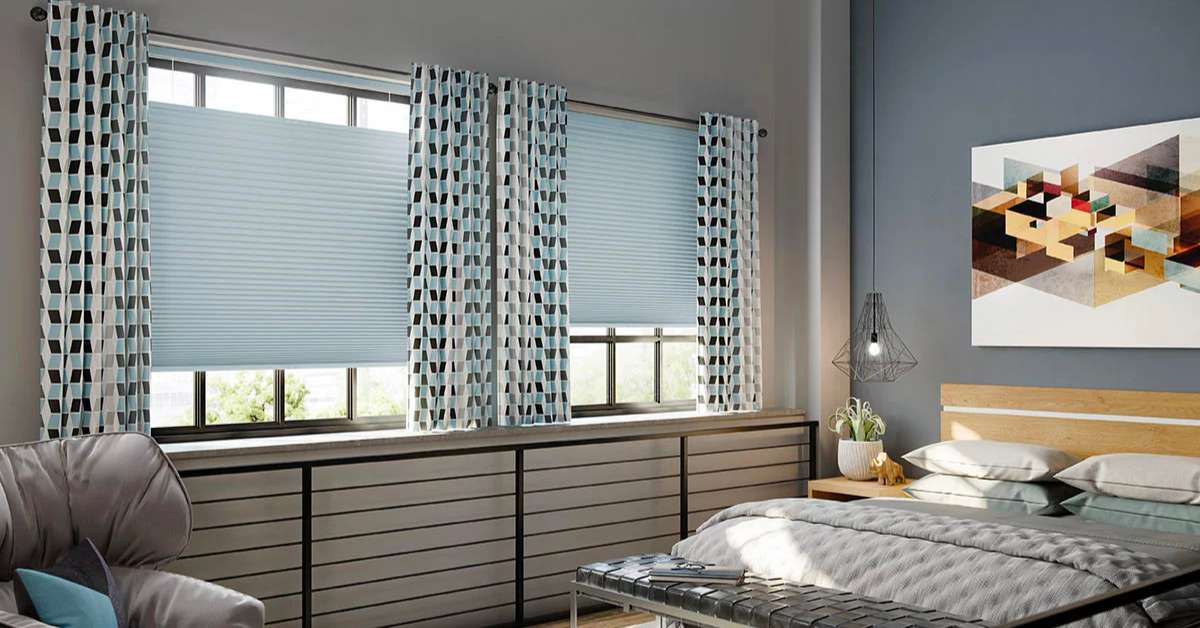
Pairing Shades with Thermal Curtains
For maximum performance:
- Install cellular shades closest to the glass.
- Add thermal curtains or liners facing the room.
This layered configuration mimics professional insulation systems.
Smart Operation Strategies for Summer
How you use shades matters as much as what you install.
Daytime Strategy
Keep shades closed during peak sunlight hours.
Evening Strategy
Open shades after sunset to release trapped heat.
Automation Option
Smart timers adjust shades automatically based on sunlight exposure.
Consistent usage maximizes savings.
Comparing Cellular Shades to Other Window Treatments
Traditional Blinds
- Provide privacy
- Minimal insulation
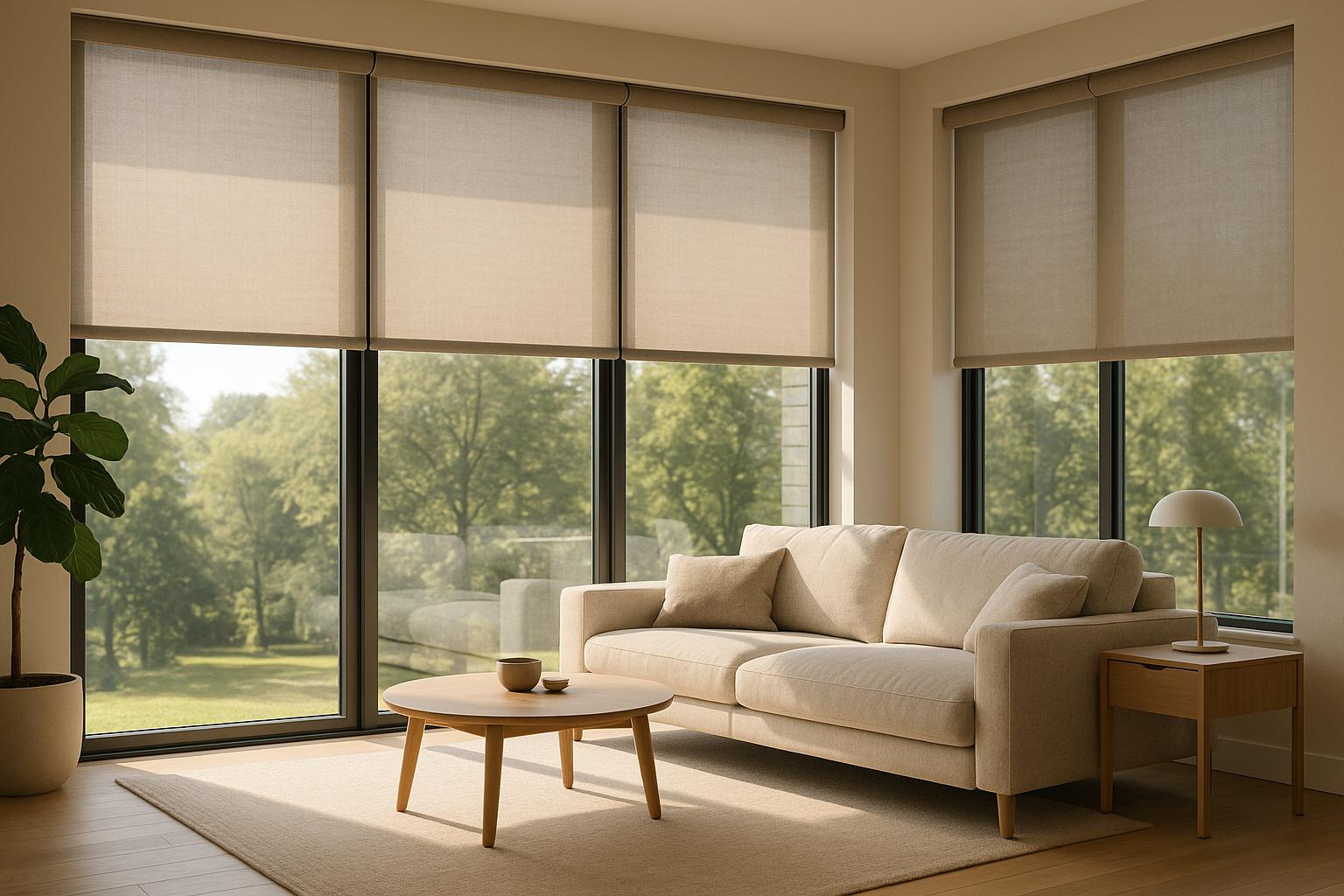
Roller Shades
- Moderate heat reduction
- Limited air trapping
Curtains Alone
- Improve insulation slightly
- Less effective without air pockets
Cellular shades outperform most alternatives because of their air-chamber design.
Long-Term Financial Benefits
Although cellular shades require upfront investment, long-term savings accumulate through:
- Lower monthly electricity bills
- Reduced HVAC wear
- Increased home value
- Improved durability
Many homeowners recover costs within a few cooling seasons.
Maintenance and Longevity
Cellular shades require minimal upkeep.
Cleaning Tips
- Use vacuum brush attachment
- Spot clean gently
- Avoid excessive moisture
Quality shades can last 10–15 years with proper care.
Common Mistakes That Reduce Energy Performance
Avoid these errors:
- Leaving shades open during peak sun
- Choosing decorative fabrics without insulation
- Ignoring west-facing windows
- Installing loosely fitted shades
- Using dark exterior colors that absorb heat
Small adjustments can significantly improve effectiveness.
Ideal Rooms for Installation
Some areas benefit more than others.
Best candidates include:
- Living rooms with large windows
- Bedrooms facing afternoon sun
- Home offices with glare issues
- Sunrooms
- Apartments with large glass surfaces
Targeting high-exposure areas delivers the fastest results.
Combining Window Insulation with Other Cooling Strategies
For even greater efficiency, pair shades with:
- Ceiling fans
- Reflective window films
- Smart thermostats
- Proper attic insulation
Layered efficiency strategies amplify overall savings.
The Future of Energy-Efficient Window Design
Window treatments are evolving into active climate-control tools.
Emerging innovations include:
- Automated sun-tracking shades
- Solar-powered motorized systems
- Advanced reflective fabrics
- Integrated temperature sensors
As homes become smarter, window insulation will play an increasingly central role in energy management.
Realistic Expectations: Understanding the 30% Savings Claim
Energy savings vary depending on home conditions.
Higher savings typically occur when:
- Windows receive strong sunlight
- Air conditioning runs frequently
- Existing insulation is limited
Even smaller reductions still translate into meaningful annual savings.
The combination of reduced energy costs and improved comfort often makes the upgrade worthwhile regardless of exact percentages.
Final Thoughts: A Simple Upgrade with Powerful Results
Energy efficiency doesn’t always require expensive renovations or complicated technology. Sometimes the most effective improvements involve controlling how heat enters your home in the first place.
Cellular shades and thermal liners work because they address a fundamental weakness in residential cooling — unprotected windows. By blocking solar heat, trapping insulating air, and stabilizing indoor temperatures, they reduce the workload placed on air-conditioning systems.
The result is a home that stays cooler naturally, consumes less electricity, and feels more comfortable throughout the hottest months of the year.
As energy awareness grows and homeowners seek practical sustainability solutions, these window treatments are becoming more than a design choice. They represent a smarter way to live — combining comfort, efficiency, and environmental responsibility in one simple upgrade.
If your summer electricity bills keep climbing, the solution may not be a stronger air conditioner at all. It might simply be stopping heat at the window before it ever enters your home.
Related Products