The Secret Behind Curtain Linings: Why High-End Custom Curtains Always Include This Essential Layer

Mar 27 2026
When people invest in custom curtains, they usually focus on fabric color, texture, pattern, or overall style. Yet professional interior designers and luxury curtain makers know a secret that most homeowners overlook: the lining is often more important than the visible fabric itself.
Curtain lining is the hidden layer sewn onto the back of drapery panels, and it plays a critical role in how curtains look, perform, and last over time. In high-end interiors, adding a lining is not optional — it is essential. Without it, even the most expensive fabric can fail to deliver the elegance, comfort, and durability expected from custom window treatments.
This comprehensive guide explains why curtain lining matters so much, how it transforms ordinary drapes into luxury furnishings, and why skipping this layer is one of the most common mistakes homeowners make when designing their windows.
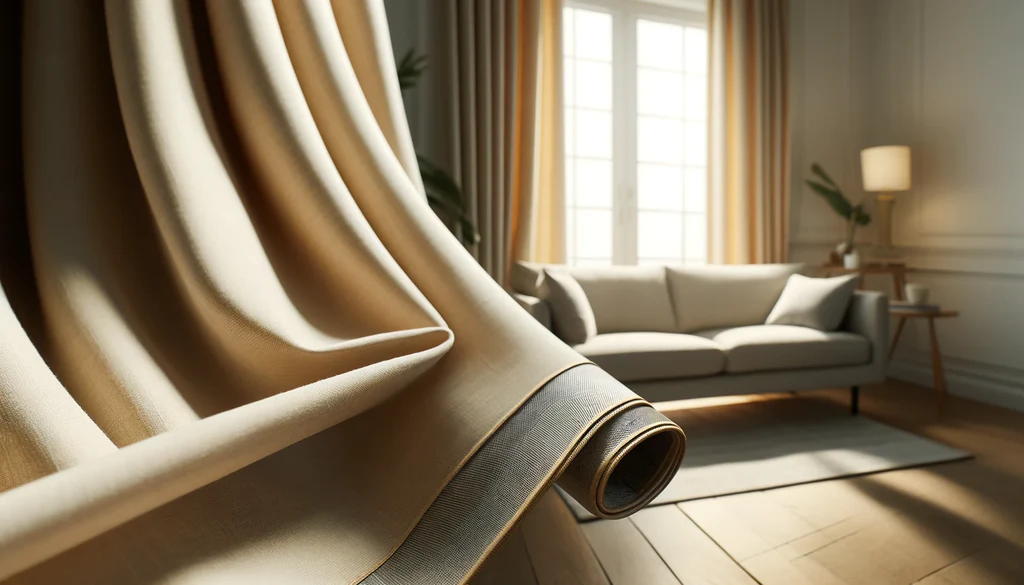
What Is Curtain Lining?
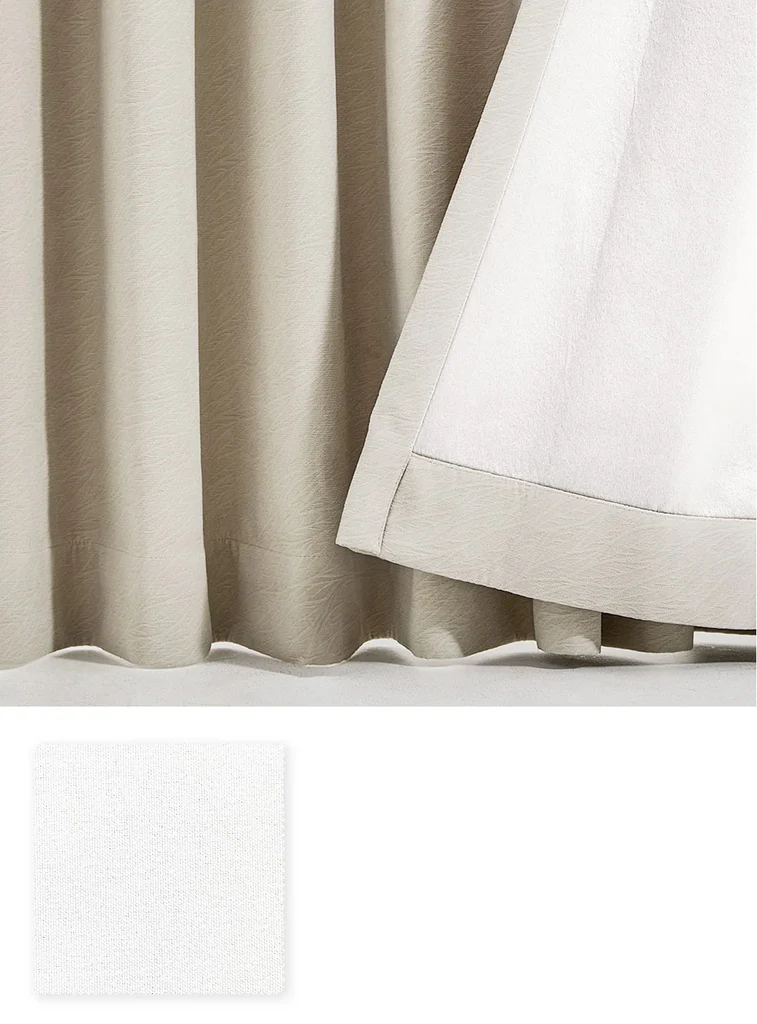
Curtain lining is a secondary fabric attached to the back side of a curtain panel. While it remains mostly invisible from inside the room, it dramatically influences performance and appearance.
Unlike decorative fabric, lining is chosen for function rather than aesthetics. Depending on the type used, lining can:
- Protect the face fabric from sunlight
- Improve drape and structure
- Increase insulation
- Enhance light control
- Reduce noise
- Extend curtain lifespan
Think of lining as the foundation of a curtain — similar to the inner construction of tailored clothing. Just as a luxury suit relies on internal structure to maintain shape, custom curtains depend on lining to achieve their refined look.
Why High-End Custom Curtains Always Include Lining
Luxury curtain makers rarely produce unlined drapery, and there are several important reasons for this standard.
1. Superior Fabric Protection
Sunlight is one of the biggest threats to curtains. Ultraviolet rays slowly break down fibers, causing fading, discoloration, and weakening.
Without lining, direct sunlight hits the decorative fabric every day. Over time, even premium textiles can deteriorate.
A lining layer acts as a protective shield by:
- Blocking UV exposure
- Preventing fabric brittleness
- Preserving color vibrancy
- Reducing uneven fading
This protection is especially important for natural fabrics like linen, cotton, and silk, which are highly sensitive to sunlight.
In luxury homes with large windows or strong southern exposure, lining can double or even triple curtain lifespan.
2. Better Draping and Structure
One of the most noticeable differences between ready-made curtains and custom drapery is how they hang.
Unlined curtains often appear limp or wrinkled. They may twist, collapse, or fail to hold pleats properly.
Lining adds weight and body, allowing curtains to:
- Form clean vertical folds
- Maintain tailored pleats
- Hang evenly from top to bottom
- Move gracefully when opened or closed
This structured appearance is what creates the polished, hotel-quality look associated with high-end interiors.
Designers often say lining is what makes curtains look “finished.”
3. Enhanced Light Control
Light management is one of the primary functions of window treatments.
Different lining types allow homeowners to control brightness precisely:
- Standard lining softens daylight
- Dim-out lining reduces glare
- Blackout lining blocks nearly all light
Without lining, thin fabrics allow excessive light penetration, making rooms uncomfortable during mornings or afternoons.
Bedrooms, media rooms, and nurseries especially benefit from lined curtains because controlled darkness improves sleep quality and viewing comfort.
4. Improved Energy Efficiency
Windows are a major source of heat gain and heat loss in homes.
Curtain lining creates an insulating barrier between indoor air and window glass. This additional layer helps:
- Keep rooms cooler in summer
- Retain warmth in winter
- Reduce HVAC workload
- Stabilize indoor temperatures
Thermal lining works by trapping air between layers, slowing heat transfer.
In climates with temperature extremes, lined curtains function almost like soft insulation panels, contributing to long-term energy savings.
5. Increased Privacy
Many decorative fabrics become semi-transparent when backlit at night.
Without lining, interior silhouettes may be visible from outside once lights are turned on.
Lining eliminates this issue by:
- Preventing nighttime visibility
- Maintaining privacy without heavy fabrics
- Allowing lighter colors without transparency concerns
This is particularly important for street-facing windows or urban homes.
6. Noise Reduction and Acoustic Comfort
Soft furnishings absorb sound, and lined curtains perform significantly better acoustically than unlined ones.
The added fabric layer helps:
- Reduce outside noise
- Minimize echo inside rooms
- Improve overall acoustic comfort
While curtains are not soundproofing solutions, lined drapes noticeably soften harsh sound reflections in large or minimally furnished spaces.
Types of Curtain Linings Used in High-End Drapery
Not all linings are the same. Choosing the correct type depends on room function, fabric choice, and design goals.
Standard Cotton or Poly-Cotton Lining
This is the most common option in custom curtains.
Benefits include:
- Fabric protection
- Improved drape
- Moderate light filtering
- Affordable enhancement
It works well for living rooms, dining areas, and decorative spaces.
Blackout Lining
Blackout lining includes dense layers designed to block nearly all incoming light.
Ideal for:
- Bedrooms
- Home theaters
- Shift-worker sleeping spaces
- Nurseries
Modern blackout linings are softer and more flexible than older stiff versions, maintaining elegance while providing functionality.
Thermal Lining
Thermal lining focuses on insulation performance.
Features include:
- Heat reflection
- Temperature stabilization
- Energy conservation
Homes in colder regions often benefit greatly from thermal-lined drapery.
Interlining (The Luxury Upgrade)
Interlining is an additional layer placed between the face fabric and standard lining.
This triple-layer construction is common in luxury custom curtains.
Advantages:
- Extra fullness
- Rich, plush appearance
- Superior insulation
- Enhanced sound absorption
Interlined curtains feel heavier and look more dimensional, creating a classic high-end aesthetic seen in boutique hotels and designer homes.
How Lining Transforms the Appearance of Curtains
Many homeowners underestimate how much lining changes visual quality.
Fuller Pleats
Pleats appear deeper and more uniform because lining supports the fabric from behind.
Smoother Surface
Lining hides seams, stitching shadows, and irregularities caused by sunlight.
Consistent Color Perception
Backlighting without lining can distort fabric color. Lining ensures colors look consistent throughout the day.
Luxury Movement
When drawn, lined curtains glide smoothly and stack neatly, reinforcing a refined impression.
Why Designers Consider Lining Non-Negotiable
Professional designers rarely debate whether to add lining — they focus only on choosing the right type.
Reasons include:
- Protecting client investment
- Ensuring long-term performance
- Achieving predictable visual results
- Preventing complaints about fading or wrinkling
Unlined curtains are typically reserved for purely decorative sheers rather than primary window treatments.
Common Myths About Curtain Lining
Myth 1: Lining Makes Curtains Too Heavy
Modern linings are engineered to balance structure and flexibility. Properly constructed curtains remain easy to operate.
Myth 2: Lining Is Only for Expensive Homes
Lining actually saves money by extending curtain lifespan and improving efficiency.
Myth 3: Thick Fabric Doesn’t Need Lining
Even heavy fabrics benefit from UV protection and structural support.
When Curtains Can Be Unlined
Although lining is recommended in most cases, exceptions exist:
- Sheer curtains intended purely for diffusion
- Decorative stationary panels
- Layered designs where another curtain provides function
However, primary drapes almost always perform better with lining.
Choosing the Right Lining for Each Room
Living Room
Standard lining or light interlining balances elegance and daylight.
Bedroom
Blackout lining improves sleep comfort and privacy.
Dining Room
Standard lining maintains softness while protecting fabric.
Home Office
Light-filtering lining reduces screen glare without darkening the space.
Maintenance Benefits of Lined Curtains
Lining doesn’t just improve performance — it simplifies maintenance.
Because lining absorbs dust and sunlight exposure:
- Face fabric stays cleaner longer
- Colors fade more slowly
- Cleaning frequency decreases
Many lined curtains also maintain shape better after professional cleaning.
Long-Term Value: Cost vs. Longevity
While adding lining increases initial cost, the long-term value is significant.
Consider the lifecycle difference:
- Unlined curtains may fade within a few years.
- Lined curtains often remain beautiful for a decade or more.
The added durability makes lining one of the smartest upgrades in custom window treatments.
How Luxury Curtain Makers Construct Lined Drapery
High-end workrooms follow precise methods:
- Pre-shrink lining fabric.
- Align grain direction carefully.
- Attach lining with invisible stitching.
- Allow slight movement between layers for flexibility.
- Weight hems for perfect hanging.
These techniques ensure curtains age gracefully instead of warping or puckering.
The Psychological Effect of Well-Lined Curtains
Beyond functionality, lined curtains influence how a room feels.
They create:
- Visual softness
- A sense of warmth
- Quiet elegance
- Hotel-like comfort
People often perceive lined curtains as higher quality even without knowing why.
Signs Your Curtains Need Lining
If your current curtains show these issues, lining may be missing:
- Fabric fading near window edges
- Curtains look flat or lifeless
- Strong light passes through
- Lack of privacy at night
- Uneven draping
Adding lining or replacing panels with lined versions can dramatically improve results.
Future Trends in Curtain Linings
Modern innovations include:
- Eco-friendly recycled linings
- Temperature-responsive textiles
- Improved breathable blackout materials
- Lightweight acoustic linings
As homes prioritize comfort and efficiency, lining technology continues to evolve.
Final Thoughts
Curtain lining may be hidden from view, but it defines the performance, longevity, and luxury of custom drapery. High-end curtain makers include this essential layer not as an upgrade, but as a fundamental component of quality design.
From protecting fabric and improving insulation to enhancing appearance and privacy, lining transforms curtains from simple decoration into functional architectural elements.
When investing in custom curtains, the visible fabric may capture attention — but the real secret behind their elegance lies quietly behind the scenes. Adding the right lining ensures your curtains not only look beautiful on installation day but continue to elevate your home for years to come.
Related Products