Velvet, Silk, or Linen? The Complete Care Guide for Luxury Fabrics in Modern Homes

Mar 19 2026
Introduction: Why Luxury Fabrics Require a Different Approach
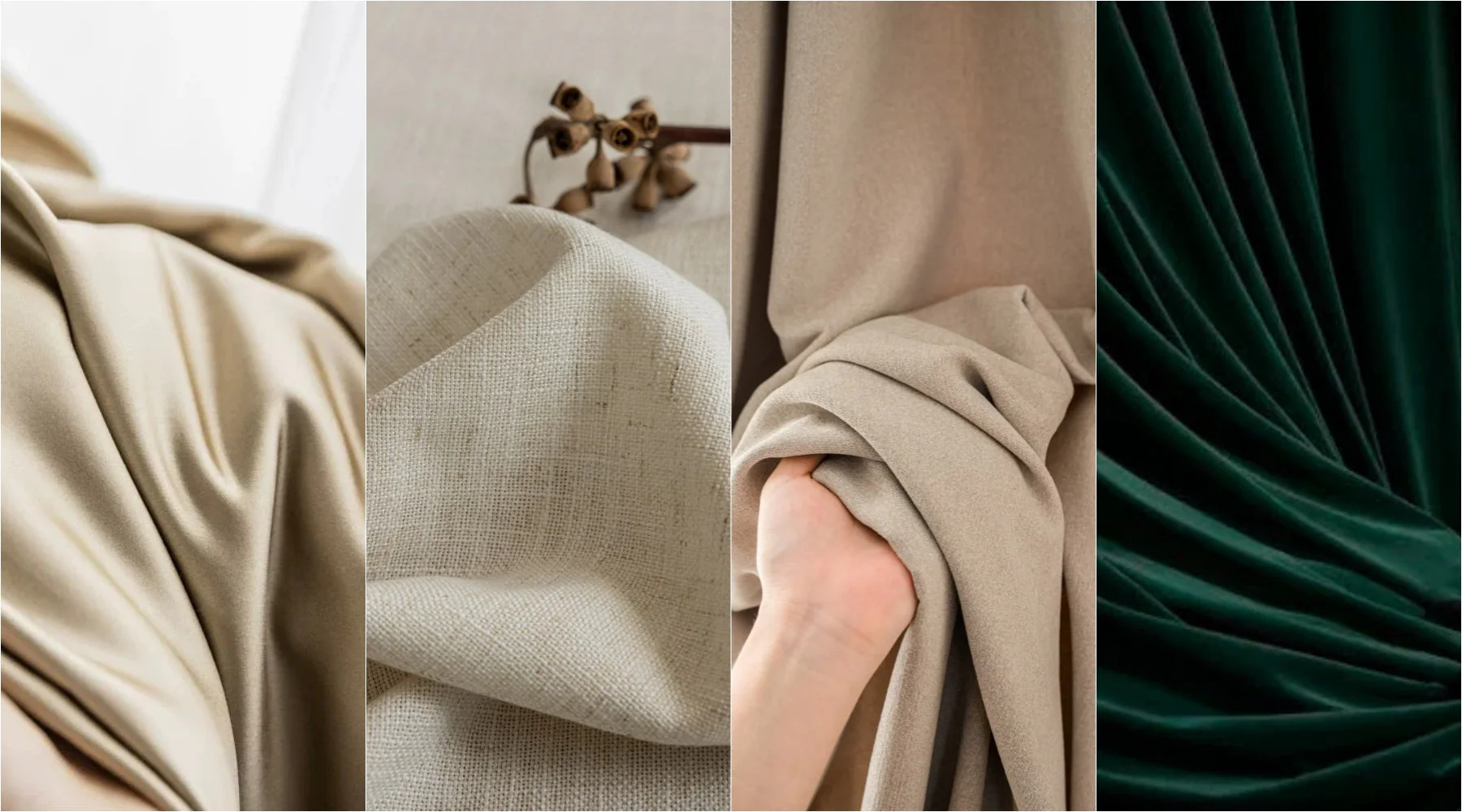
Luxury fabrics transform ordinary spaces into refined environments. Whether it’s velvet curtains that add dramatic elegance, silk bedding that feels impossibly smooth, or linen upholstery that creates relaxed sophistication, high-end textiles play a major role in modern interior design.
However, owning premium fabrics comes with responsibility. Unlike synthetic materials designed for convenience, luxury textiles are natural, delicate, and highly responsive to their surroundings. Improper washing, drying, or storage can permanently damage texture, color, and structure—sometimes after a single mistake.
Many homeowners unknowingly treat luxury fabrics the same way they treat everyday cotton or polyester. The result? Shrinking, fading, stiffness, water stains, or fabric distortion that cannot be reversed.
This comprehensive guide explains how to properly clean, maintain, and preserve three of the most popular high-end fabrics—velvet, silk, and linen—so they remain beautiful for years instead of months.
Understanding Luxury Fabrics: Why Care Methods Matter
Before diving into specific instructions, it’s important to understand what makes luxury fabrics different.
High-end textiles typically feature:
Natural fibers or complex weaving techniques
Sensitive surface textures
Specialized dye processes
Breathable yet reactive structures
These characteristics create comfort and visual richness but also make fabrics vulnerable to heat, friction, moisture imbalance, and harsh chemicals.
The key principle of luxury fabric care is simple:
Gentle consistency preserves quality better than aggressive cleaning.
Velvet: Elegant Texture With Hidden Sensitivity
What Makes Velvet Special
Velvet is defined by its dense pile—tiny upright fibers that create a soft, reflective surface. This structure produces depth of color and a signature smooth feel.
Velvet may be made from:
Cotton
Silk
Polyester blends
Rayon
Performance fibers
Even durable modern velvets require thoughtful care because pressure and moisture easily alter pile direction.
Common Velvet Problems
Homeowners often encounter:
Crushing or flattening
Water marks
Shine patches
Dust accumulation
Imprint lines from pressure
These issues usually result from improper cleaning rather than fabric defects.
Daily Velvet Maintenance
Routine care prevents deep cleaning needs.
Best practices include:
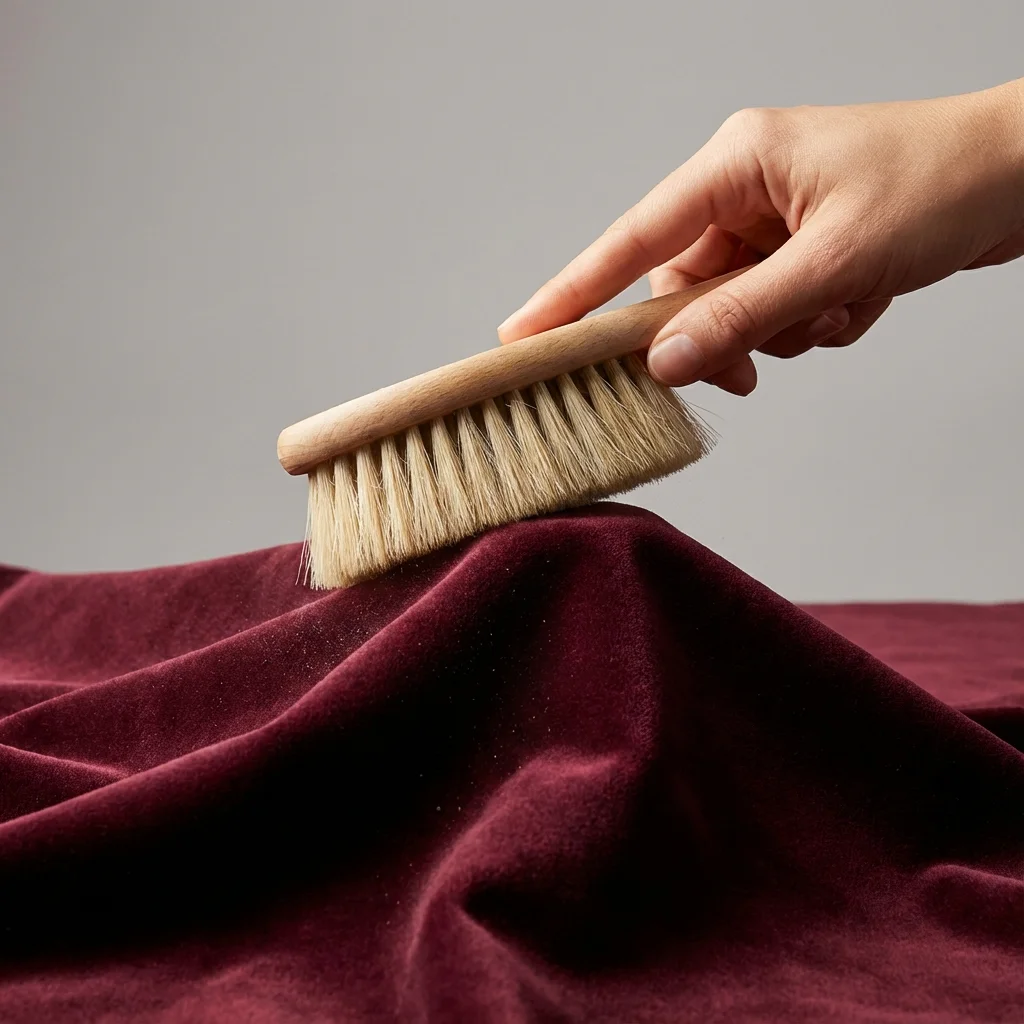
Use a soft upholstery brush weekly.
Vacuum gently using a brush attachment.
Brush in the direction of the pile.
Rotate cushions regularly.
Avoid sitting repeatedly in one spot without fluffing cushions afterward.
How to Clean Velvet Safely
Spot Cleaning
Blot spills immediately using a dry microfiber cloth.
Never rub aggressively.
Use minimal moisture.
Test cleaning solutions on hidden areas first.
A mild fabric cleaner diluted with water works best for most situations.
Steam Refreshing
Light steaming restores crushed fibers.
Hold steamer several inches away.
Allow fibers to relax naturally.
Brush gently once dry.
Steam revives texture without soaking the fabric.
What to Avoid With Velvet
Machine washing unless labeled washable
Direct ironing
Excess water
Hard scrubbing
High heat drying
Heat and pressure permanently damage velvet pile.
Silk: The Ultimate Luxury Fabric
Why Silk Requires Special Attention
Silk fibers are protein-based, similar to human hair. This makes silk incredibly smooth yet surprisingly fragile when exposed to chemicals or friction.
Silk reacts strongly to:
Alkaline detergents
Sunlight
Sweat
Water minerals
Proper handling preserves silk’s natural sheen.
Types of Silk in Homes
Silk appears in many household items:
Bedding
Pillowcases
Curtains
Decorative cushions
Clothing and robes
Each application may require slightly different care techniques.
Washing Silk Correctly
Hand Washing Method
Fill a basin with cold water.
Add detergent designed for delicate fabrics.
Gently swirl fabric—never twist or scrub.
Soak for no longer than five minutes.
Rinse with cold water.
Press water out using a towel rather than wringing.
Drying Silk
Lay flat on a clean towel.
Keep away from direct sunlight.
Avoid dryers completely.
Heat weakens silk fibers and causes shrinkage.
Removing Wrinkles From Silk
Use low-temperature steaming instead of ironing whenever possible.
If ironing is necessary:
Turn fabric inside out.
Use lowest heat setting.
Place cloth barrier between iron and fabric.
Silk Storage Tips
Store silk items:
In breathable cotton bags
Away from humidity
Protected from sunlight
Avoid plastic containers that trap moisture.
Linen: Relaxed Luxury With Exceptional Durability
What Makes Linen Unique
Made from flax fibers, linen combines strength with breathability. It is one of the oldest textiles in human history and remains popular for modern interiors.
Key advantages include:
Excellent airflow
Natural temperature regulation
Moisture absorption
Timeless texture
Unlike silk and velvet, linen becomes softer with proper washing.
Common Linen Challenges
Despite durability, linen can experience:
Wrinkling
Shrinkage
Fiber stiffness from detergent buildup
Color fading
These issues typically result from incorrect washing temperatures.
Washing Linen Properly
Machine washing is usually safe if done carefully.
Guidelines:
Use cold or lukewarm water.
Choose gentle cycle.
Avoid overloading washer.
Use mild detergent.
Hot water weakens fibers and causes shrinkage.
Drying Linen Without Damage
Air drying is ideal.
If using a dryer:
Select low heat.
Remove while slightly damp.
Smooth by hand before final drying.
This reduces wrinkles significantly.
Ironing Linen Efficiently
Iron linen while damp for best results.
Use:
Medium heat
Steam function
Backside ironing for darker colors
Wrinkles are part of linen’s charm, so perfection isn’t necessary.
Comparing Velvet, Silk, and Linen Care Needs
| Fabric | Water Sensitivity | Heat Sensitivity | Maintenance Level |
|---|---|---|---|
| Velvet | Medium | High | Moderate |
| Silk | High | Very High | High |
| Linen | Low | Medium | Low–Moderate |
Understanding differences prevents accidental damage.
Choosing the Right Detergents for Luxury Fabrics
Avoid standard heavy-duty detergents.
Look for formulas that are:
pH-neutral
Dye-free
Fragrance-light
Designed for delicate fabrics
Strong enzymes break down natural fibers over time.
The Role of Water Quality
Hard water minerals can leave residue on luxury fabrics.
Solutions include:
Using filtered water for hand washing
Adding small amounts of fabric-safe softener alternatives
Running occasional rinse cycles
Cleaner rinsing preserves softness and color clarity.
How Often Should Luxury Fabrics Be Cleaned?
Overwashing shortens lifespan.
General recommendations:
Velvet upholstery: clean as needed, vacuum weekly
Silk bedding: every 1–2 weeks
Linen sheets: weekly
Decorative items: seasonal cleaning
Maintenance frequency should match usage level.
Preventing Damage Before It Happens
Prevention reduces cleaning stress dramatically.
Control Sunlight Exposure
UV rays fade dyes and weaken fibers.
Use:
Curtains
Window films
Rotating décor placement
Manage Humidity
Ideal indoor humidity ranges between 40–55%.
Too dry causes brittleness; too humid encourages mildew.
Stain Removal Strategies by Fabric Type
Velvet
Blot immediately and allow pile recovery through steaming.
Silk
Rinse quickly with cold water; avoid chemical stain removers.
Linen
Treat early with mild detergent solution and gentle blotting.
Timing matters more than cleaning strength.
Professional Cleaning: When to Use It
Consider professional care for:
Large velvet furniture
Structured silk garments
Heavily stained luxury items
Antique textiles
Professional cleaning preserves structural integrity when risks are high.
Common Luxury Fabric Care Mistakes
Homeowners frequently make avoidable errors:
Using hot water
Overloading washing machines
Applying bleach
Drying under direct heat
Scrubbing stains aggressively
Gentleness always outperforms force.
Seasonal Care Strategies
Spring
Deep clean linens and refresh storage fabrics.
Summer
Protect silk from sunlight exposure.
Fall
Prepare velvet furnishings for heavier use.
Winter
Monitor indoor humidity levels carefully.
Seasonal awareness extends fabric life.
Sustainable Benefits of Proper Fabric Care
Maintaining luxury fabrics reduces waste by extending product lifespan.
Benefits include:
Less textile replacement
Reduced environmental impact
Lower long-term costs
Preservation of craftsmanship
Quality fabrics reward thoughtful maintenance.
Creating a Long-Term Fabric Care Routine
An effective routine includes:
Weekly dust removal
Immediate spill response
Gentle washing schedules
Proper storage habits
Seasonal inspections
Consistency prevents emergency cleaning situations.
The Emotional Value of Well-Maintained Fabrics
Luxury textiles contribute more than aesthetics. They shape comfort, atmosphere, and daily experience within a home.
Soft silk bedding improves sleep comfort. Linen creates relaxed elegance. Velvet adds warmth and visual depth.
Proper care protects not only materials but also the lifestyle they help create.
Conclusion: Caring for Luxury Fabrics With Confidence
Velvet, silk, and linen each represent a different expression of luxury—rich texture, refined softness, and natural simplicity. While their care requirements vary, the guiding principle remains the same: respect the fabric’s nature.
Avoid harsh treatment, understand fiber behavior, and prioritize gentle maintenance over aggressive cleaning. When homeowners adapt their routines to match each fabric’s needs, luxury textiles maintain beauty, comfort, and durability for many years.
With the right knowledge and consistent habits, caring for high-end fabrics becomes less intimidating and more rewarding. Instead of worrying about damage, you can confidently enjoy the elegance these materials bring to everyday living—knowing they are protected by thoughtful, informed care.
Related Products