Why Some Fabrics Last for Decades: The Material Science Behind Durable Window Treatments

Apr 13 2026
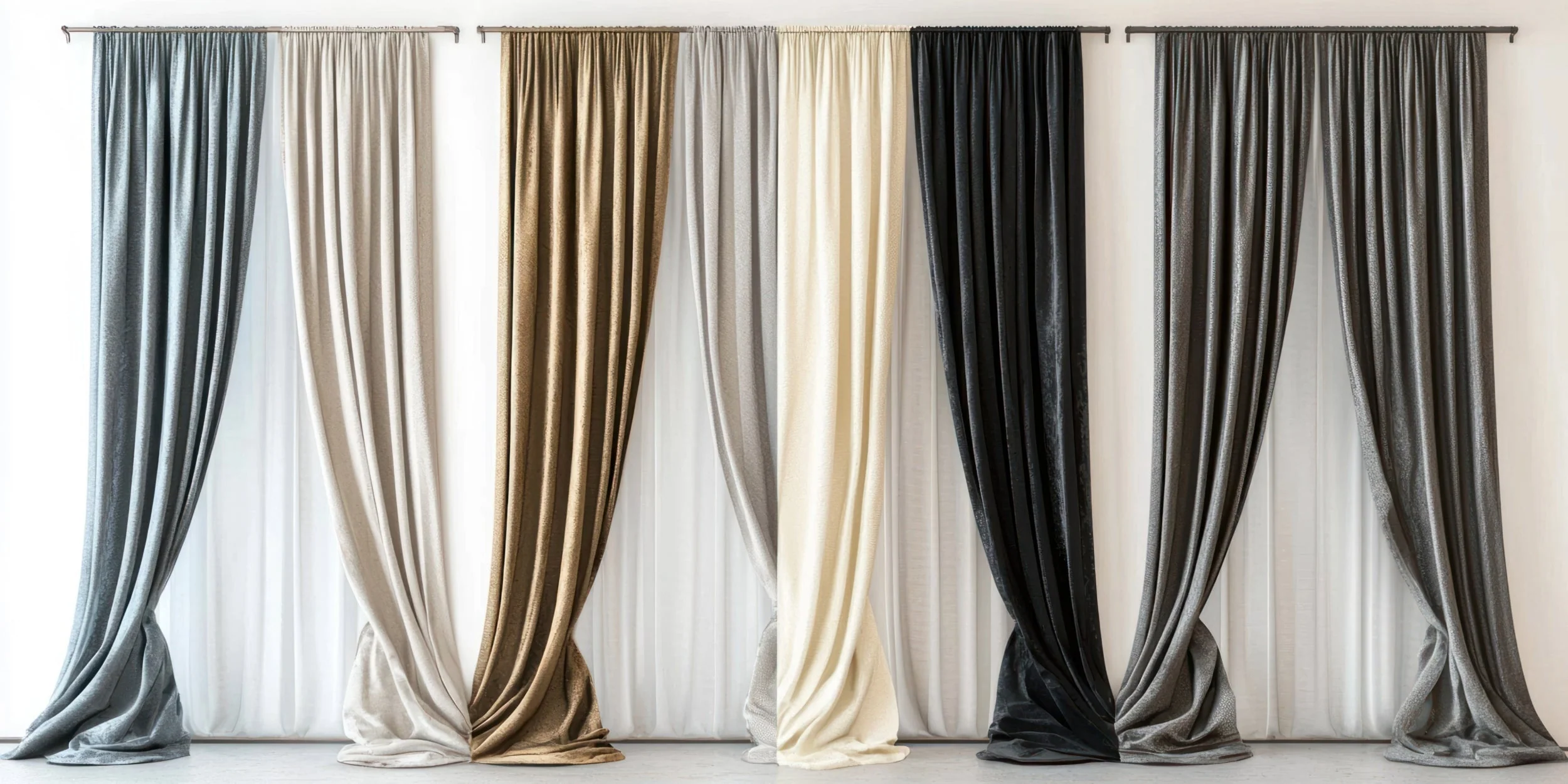
Walk into a historic home, a well-presed boutique hotel, or even a carefully maintained family house, and you may notice something surprising: the window treatments—curtains, drapes, or shades—still look remarkably intact after many years, sometimes even decades. While trends evolve and styles shift, certain fabrics seem to defy time, maintaining their structure, color, and function long after others have faded, frayed, or fallen apart.
So what makes these materials so enduring?
The answer lies in material science—the intersection of chemistry, physics, and engineering that determines how fibers behave under real-world conditions. From fiber composition and weaving techniques to finishing treatments and environmental resistance, every detail contributes to the lifespan of a fabric.
This in-depth guide explores why some window treatment fabrics last for decades, revealing the science behind durability and helping you make smarter choices for long-lasting, high-performance interiors.
What Does “Durability” Really Mean in Fabrics?
Durability isn’t just about how long a fabric lasts—it’s about how well it maintains its original properties over time. For window treatments, this includes:
Structural integrity (resistance to tearing and fraying)
Color retention (resistance to fading)
Shape stability (resistance to stretching or shrinking)
Surface resilience (resistance to pilling or abrasion)
Environmental resistance (sunlight, humidity, pollutants)
A fabric that excels in all these areas can remain functional and visually appealing for decades.
Fiber Foundations: The Building Blocks of Longevity
At the core of every durable fabric is the fiber itself. Different fibers have distinct molecular structures, which determine their strength, flexibility, and resistance to environmental stress.
Natural Fibers: Strength with Limitations
Natural fibers like cotton, linen, and wool have been used for centuries in window treatments.
Advantages:
Breathability
Aesthetic appeal
Renewable sources
Limitations:
Susceptible to UV degradation
Prone to moisture absorption
Can weaken over time without treatment
For example, cotton fibers are composed of cellulose, which can break down under prolonged exposure to sunlight and oxygen.
Synthetic Fibers: Engineered for Performance
Modern durable window treatments often rely on synthetic fibers such as:
Polyester
Acrylic
Nylon
These materials are engineered at the molecular level to enhance performance.
Key benefits include:
High tensile strength
Resistance to UV radiation
Low moisture absorption
Enhanced color retention
Polyester, in particular, is widely used because its long-chain polymer structure provides both strength and flexibility, allowing it to withstand repeated stress without breaking down.
Blended Fabrics: The Best of Both Worlds
Many long-lasting window treatments use blended fibers, combining natural and synthetic materials.
For example:
Cotton-polyester blends improve strength while maintaining softness
Linen blends reduce wrinkling and increase durability
Blending allows manufacturers to fine-tune performance characteristics for specific applications.
Yarn Construction: Twisting Strength into Fibers
Once fibers are created, they are spun into yarn. The way yarn is constructed plays a critical role in durability.
ट्विस्ट (Twist) Level
Higher twist levels in yarn increase:
Strength
Resistance to fraying
Structural cohesion
However, too much twist can make the fabric stiff, so balance is key.
Filament vs. Staple Fibers
Filament fibers (long, continuous strands) create smoother, stronger yarns
Staple fibers (short strands) are softer but more prone to pilling
Durable window fabrics often use filament-based yarns or tightly spun staple yarns.
Weaving Techniques: Structure Determines Strength
The way yarns are interlaced into fabric has a major impact on performance.
Plain Weave
Simple over-under pattern
Strong and stable
Resistant to distortion
This is one of the most durable weave structures.
Twill Weave
Diagonal pattern
More flexible
Better drape
Twill offers a balance between durability and aesthetics.
Satin Weave
Smooth surface
Luxurious appearance
Less durable due to fewer interlacing points
While visually appealing, satin weaves are more prone to wear and snagging.
High-Density Weaving
Fabrics with tighter weaves:
Resist tearing
Block more light
Reduce dust penetration
High thread count isn’t just for bedding—it’s a key factor in durable window treatments.
Finishing Treatments: Enhancing Performance
After weaving, fabrics undergo finishing processes that significantly improve their durability.
UV-Resistant Coatings
Sunlight is one of the biggest threats to window treatments. UV radiation can:
Break down fibers
Fade colors
Weaken structure
UV-resistant finishes act as a protective barrier, extending fabric life.
Stain and Moisture Resistance
Chemical treatments can make fabrics:
Repel water
Resist stains
Prevent mold and mildew
This is especially important in humid environments or kitchens.
Flame Retardant Treatments
In commercial settings, flame resistance is often required. These treatments can also contribute to long-term stability under heat exposure.
Anti-Microbial Finishes
These prevent the growth of bacteria and fungi, which can degrade fibers over time.
Color Technology: Why Some Fabrics Don’t Fade
Color retention is a major factor in perceived durability.
Solution-Dyed Fibers
In solution dyeing, color is added during fiber production rather than applied afterward.
Benefits:
Color penetrates the entire fiber
Superior fade resistance
Long-lasting vibrancy
Pigment vs. Dye
Pigments sit on the surface and can wear off
Dyes bond chemically with fibers for better longevity
High-quality window treatments use advanced dyeing techniques to ensure lasting color.
Environmental Resistance: Fighting the Elements
Window treatments are constantly exposed to environmental stressors.
Sunlight Exposure
UV radiation is the primary cause of:
Fading
Fiber degradation
Brittleness
Durable fabrics are engineered to resist prolonged sun exposure.
Temperature Fluctuations
Heat and cold cycles can cause:
Expansion and contraction
Fiber fatigue
Loss of shape
Materials with stable molecular structures handle these changes better.
Humidity and Moisture
Moisture can lead to:
Mold growth
Fiber swelling
Structural weakening
Synthetic fibers generally perform better in humid conditions.
Airborne Pollutants
Dust, smoke, and pollutants can:
Settle into fibers
Cause discoloration
Accelerate wear
Tightly woven fabrics resist penetration more effectively.
Mechanical Stress: Daily Wear and Tear
Even stationary window treatments experience mechanical stress.
Opening and Closing
Repeated movement can:
Strain seams
Weaken attachment points
Cause stretching
Durable fabrics maintain their shape under repeated use.
Gravity and Weight
Heavier drapes are constantly under tension, which can lead to:
Sagging
Fiber elongation
High-strength fibers resist deformation over time.
The Role of Backing and Linings
Many durable window treatments include additional layers.
Protective Linings
Linings:
Shield the main fabric from sunlight
Add insulation
Improve shape retention
Blackout Backings
These not only block light but also:
Reduce UV exposure
Protect decorative layers
Extend overall lifespan
Maintenance: The Hidden Factor in Longevity
Even the most advanced materials require proper care.
Regular Cleaning
Dust accumulation can:
Abrade fibers
Dull appearance
Attract moisture
Routine cleaning helps preserve fabric integrity.
Proper Installation
Incorrect installation can cause:
Uneven stress
Premature wear
Fabric distortion
Avoiding Harsh Chemicals
Strong cleaners can break down fibers and remove protective finishes.
Why Some Fabrics Fail Early
Understanding failure helps highlight what makes durable fabrics different.
Common causes of early failure include:
Low-quality fibers
Loose weaving
Poor dyeing techniques
Lack of protective finishes
Exposure to harsh environments
These weaknesses compound over time, leading to visible wear within just a few years.
Investing in Long-Term Performance
Choosing durable window treatments isn’t just about aesthetics—it’s about long-term value.
High-quality fabrics may have a higher upfront cost, but they:
Last significantly longer
Require less frequent replacement
Maintain their appearance over time
This makes them a smarter investment in both residential and commercial spaces.
Future Innovations in Durable Fabrics
Material science continues to evolve, bringing new advancements to window treatments.
Smart Fabrics
These can respond to environmental changes, such as light or temperature.
Nanotechnology Coatings
Nano-scale treatments enhance:
Stain resistance
UV protection
Self-cleaning properties
Sustainable High-Performance Fibers
Eco-friendly materials are being engineered to match or exceed the durability of traditional synthetics.
Final Thoughts
The reason some fabrics last for decades isn’t luck—it’s science.
From the molecular structure of fibers to the precision of weaving and the application of advanced finishes, every aspect of a durable window treatment is carefully engineered. These materials are designed to withstand sunlight, moisture, mechanical stress, and time itself.
When you choose high-quality, well-constructed fabrics, you’re not just selecting a window covering—you’re investing in longevity, performance, and enduring style.
In a world where many products are designed for short lifespans, durable window treatments stand out as a testament to what thoughtful design and material science can achieve.
And the next time you see curtains that have stood the test of time, you’ll know: behind that lasting beauty is a story written in fibers, chemistry, and engineering.
Related Products