A Solo Woman’s Safety Guide: Choosing the Right Curtains as Your First Line of Privacy Protection

Mar 04 2026
Living alone can be one of the most empowering experiences in modern life. It represents independence, personal freedom, and the ability to create a home entirely on your own terms. For many women, solo living is not just a lifestyle choice—it’s a milestone of self-reliance and confidence.
Yet independence also comes with responsibility, especially when it comes to personal safety and privacy. While people often focus on smart locks, alarm systems, or cameras, one of the most overlooked elements of home security is also one of the simplest: curtains.
Windows connect your private world to the outside. Without proper coverage, they can unintentionally expose daily routines, valuables, or personal habits to strangers. Choosing the right curtains is not merely a decorating decision—it is the first layer of privacy protection.
This guide explores how curtains function as a powerful safety tool, how to select the right types for different living situations, and how thoughtful window treatments can help solo women feel more secure without sacrificing style or comfort.
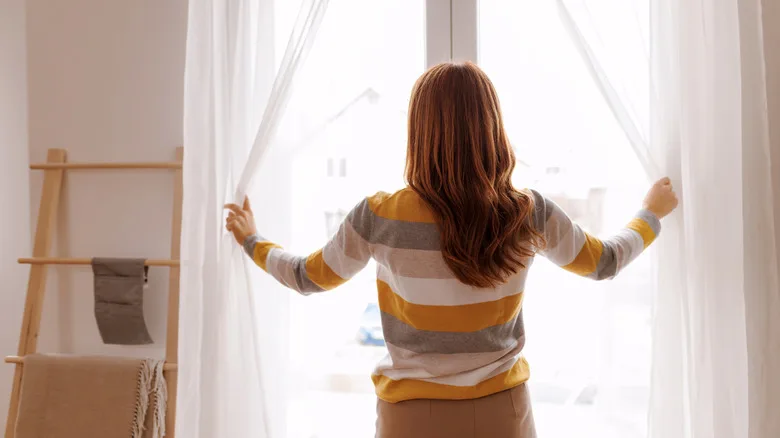
Why Privacy Is the Foundation of Home Safety
Before discussing materials or styles, it’s important to understand why privacy matters so deeply in personal security.
Most safety risks begin with visibility.
When outsiders can easily observe a home’s interior, they may unintentionally gather information such as:
Whether someone lives alone
Daily schedules and routines
Sleeping or working habits
Valuable electronics or belongings
Entry and exit patterns
Even casual visibility can create vulnerability. A brightly lit apartment at night with uncovered windows functions almost like a display case.
Privacy limits information. And limiting information reduces risk.
Curtains act as a visual boundary—one that allows you to control what others can see and when.
Curtains as Passive Security: Protection Without Effort
Security tools generally fall into two categories:
Active security — alarms, cameras, locks
Passive security — environmental design that prevents risk
Curtains belong to passive security. Once properly chosen and installed, they work continuously without requiring attention.
Unlike electronic systems, curtains:
Require no electricity
Cannot malfunction digitally
Operate silently
Provide protection 24/7
Most importantly, they prevent observation before it begins.
Understanding Window Visibility Risks
Many solo residents underestimate how differently windows behave during day and night.
Daytime Visibility
During daylight hours:
Interior spaces appear darker from outside.
Sheer fabrics may provide partial privacy.
Reflection on glass can obscure visibility.
Nighttime Visibility
At night, the situation reverses:
Indoor lights illuminate interiors.
Exterior darkness removes reflections.
Even semi-sheer curtains may become transparent.
This is why curtains must be selected based on nighttime performance, not daytime appearance.
A curtain that feels private at noon may reveal everything at 9 PM.
Key Curtain Features That Improve Personal Safety
Not all curtains provide equal privacy. Safety-focused window treatments should prioritize specific characteristics.
1. Opacity Level
Opacity determines how much light and visibility pass through fabric.
Sheer curtains
Decorative
Minimal privacy at night
Best used as secondary layers
Light-filtering curtains
Reduce glare
Partial silhouettes visible
Room-darkening curtains
Strong privacy protection
Maintain some ambient light
Blackout curtains
Maximum privacy
Prevent interior visibility entirely
For solo living, blackout or room-darkening curtains often provide the strongest protection.
2. Full Window Coverage
Gaps are one of the biggest privacy mistakes.
Curtains should:
Extend beyond window edges.
Reach close to the floor.
Overlap slightly when closed.
Small side openings can allow angled visibility from outside walkways or neighboring buildings.
3. Secure Mounting Height
Mounting curtains higher than the window frame provides two advantages:
Makes ceilings appear taller.
Prevents viewing angles from above or below.
High installation reduces sightlines into living spaces.
4. Smooth Operation
Safety depends on consistency. Curtains should be easy to open and close daily.
If curtains are difficult to adjust, people tend to leave them open longer than intended.
Look for:
Smooth curtain rods
Quality rings or tracks
Lightweight glide systems
Convenience supports safer habits.
Choosing Curtains Based on Living Environment
Different homes present different privacy challenges.
Ground-Floor Apartments
Ground-floor living increases exposure to pedestrians and nearby vehicles.
Recommended solutions:
Blackout curtains for bedrooms.
Double-layer systems (sheer + blackout).
Always-close nighttime coverage.
Privacy should remain consistent regardless of lighting conditions.
High-Rise Apartments
Higher floors feel safer but still require protection.
Risks include:
Adjacent buildings with direct sightlines.
Office towers facing residential units.
Drone visibility in dense cities.
Light-filtering daytime curtains combined with blackout panels at night offer flexibility.
Suburban Homes
Detached houses face different visibility patterns.
Common concerns:
Street-facing windows.
Delivery traffic.
Passing vehicles at night.
Layered curtains allow privacy without eliminating natural light.
The Power of Layered Curtains
Layering is one of the most effective privacy strategies.
A two-layer system includes:
Sheer inner curtain
Opaque outer curtain
Benefits include:
Daytime light with privacy.
Instant nighttime protection.
Flexible control throughout the day.
This approach mimics professional interior design while improving safety.
Color Psychology and Visibility
Curtain color affects how easily interiors can be seen.
Dark Colors
Absorb light.
Increase nighttime privacy.
Reduce silhouettes.
Light Colors
Reflect sunlight beautifully.
May reveal movement when backlit.
For street-facing windows, medium or darker tones often provide stronger visual shielding.
Fabric Density and Movement Visibility
Even opaque fabrics vary in performance.
Dense weaves:
Block silhouettes effectively.
Reduce shadow visibility.
Loose weaves:
Allow shape recognition.
Reveal movement patterns.
Heavier materials like thick polyester blends or lined cotton improve protection.
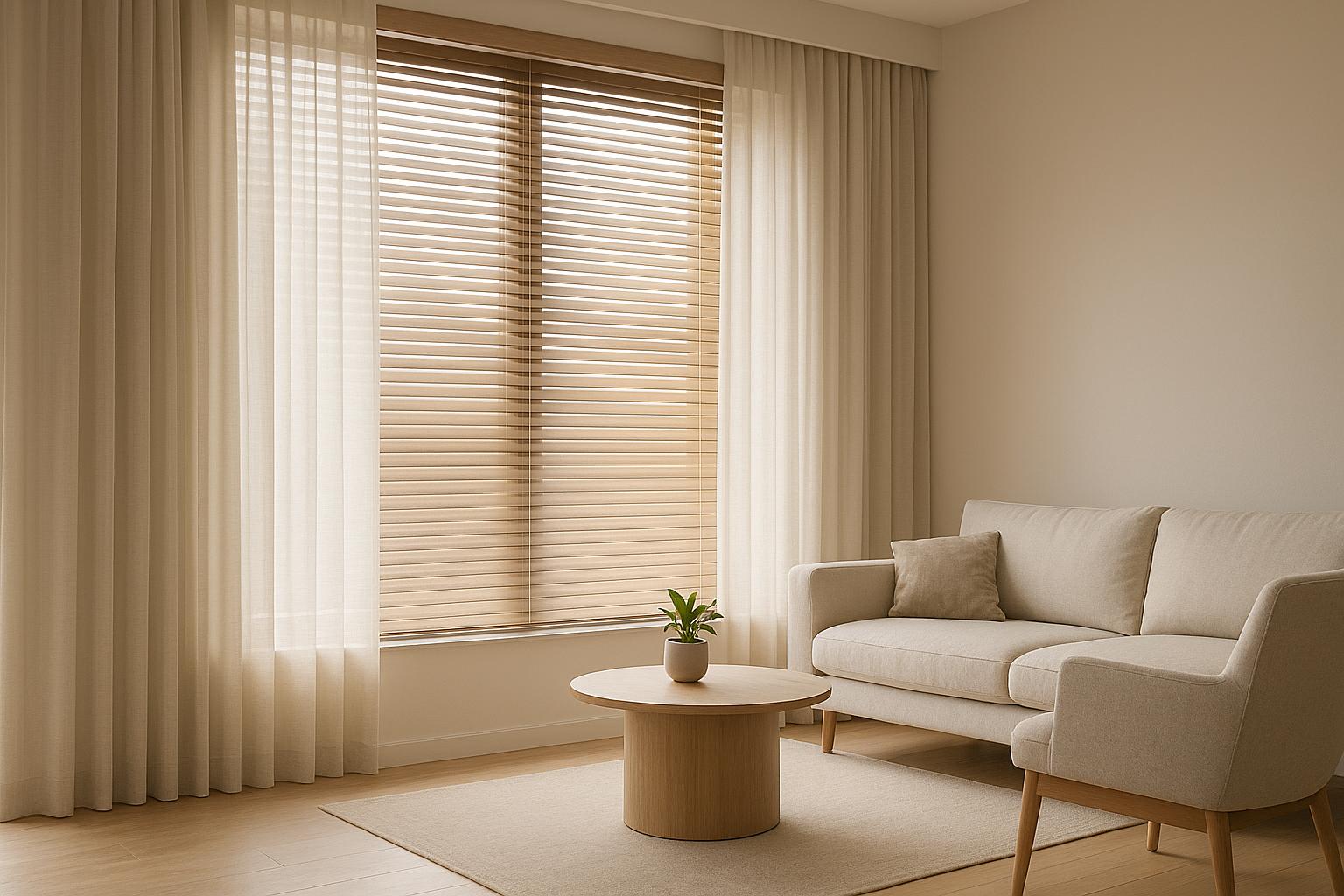
Smart Curtains and Automated Privacy
Technology can strengthen safety habits.
Motorized curtain systems allow:
Scheduled closing at sunset.
Remote control via smartphone.
Automatic adjustments when away from home.
Automation prevents accidental exposure when routines change.
A home that appears consistently occupied also discourages unwanted attention.
Creating the Illusion of Occupancy
Curtains play an important psychological role in security.
Homes that appear predictable or empty are more vulnerable.
Strategies include:
Closing curtains at consistent times.
Using timers for lighting behind curtains.
Avoiding fully exposed interiors late at night.
These subtle signals suggest presence and awareness.
Bedroom Curtains: Your Most Important Privacy Zone
The bedroom requires the highest level of protection.
Ideal features:
Blackout capability.
Floor-length coverage.
Minimal light leakage.
Quiet operation.
Quality sleep and personal privacy intersect here. Proper curtains protect both.
Living Room Curtains: Balancing Openness and Security
Living rooms often face public areas.
Goals include:
Maintaining welcoming daylight.
Preventing nighttime visibility.
Layered curtains or adjustable panels provide adaptable control.
Kitchen and Bathroom Considerations
These rooms require privacy without sacrificing ventilation.
Options include:
Café curtains for partial coverage.
Frosted window films paired with fabric panels.
Moisture-resistant fabrics.
Bathrooms especially benefit from opaque solutions regardless of floor level.
Common Curtain Mistakes That Reduce Safety
Many homes unintentionally compromise privacy.
Frequent errors include:
Choosing curtains purely for aesthetics.
Installing rods too narrow.
Using sheer-only coverings.
Leaving windows uncovered at night.
Ignoring side-angle visibility.
Correcting these issues often requires only minor adjustments.
Emotional Safety and Peace of Mind
Safety is not solely physical—it is psychological.
Feeling exposed inside one’s own home increases stress and reduces relaxation.
Proper curtains create:
A sense of enclosure.
Personal control over environment.
Reduced anxiety after dark.
When privacy improves, comfort naturally follows.
Minimalist Design Can Still Be Secure
Some people worry that protective curtains will make spaces feel heavy or dark.
Modern designs offer alternatives:
Neutral blackout fabrics.
Textured light-filtering layers.
Clean-lined panels.
Soft matte finishes.
Security and aesthetics are not opposing goals.
Sustainability and Long-Term Value
High-quality curtains also contribute to energy efficiency.
Benefits include:
Thermal insulation.
Reduced heating and cooling costs.
UV protection for furniture.
Privacy protection becomes an investment in home longevity.
How to Measure Curtains Correctly
Accurate measurement ensures effectiveness.
Key guidelines:
Width: 1.5–2× window width.
Height: Mount 4–8 inches above frame.
Length: Ideally floor-touching.
Proper sizing eliminates visibility gaps.
Building a Personal Privacy Routine
Curtains work best when integrated into daily habits.
Consider routines such as:
Closing curtains at dusk automatically.
Opening only selected panels during daytime.
Checking visibility from outside periodically.
Small routines reinforce long-term safety.
Empowerment Through Environmental Design
Safety does not always require expensive upgrades. Often, it begins with intentional design choices.
Curtains allow solo women to:
Control visibility.
Define personal boundaries.
Create a sanctuary separate from the outside world.
This control reinforces independence rather than limiting it.
The Future of Privacy-Focused Home Design
Interior design increasingly integrates safety awareness.
Emerging trends include:
Smart textiles.
Adaptive opacity fabrics.
Privacy-oriented architectural planning.
Integrated automation systems.
Homes are evolving to support both openness and protection simultaneously.
Final Thoughts: Privacy Is the First Step Toward Feeling at Home
Living alone should feel liberating, not vulnerable. True comfort comes from knowing your home protects your personal space while still reflecting your personality.
Curtains may seem like a small detail compared to advanced security devices, yet they form the first and most constant layer of defense. They quietly manage visibility, shape perception, and create boundaries between public and private life.
By choosing curtains thoughtfully—considering opacity, layering, installation, and daily use—you transform windows from potential exposure points into protective design elements.
Safety begins with awareness. Comfort follows control. And sometimes, the simplest upgrade—a well-chosen curtain—becomes the foundation of both.
Need Help with Your Custom Project?
Have questions about materials, sizing, or looking for a quick quote? Drop us a message and our experts will respond within 24 hours.
Chat on WhatsApp
+1 (304) 356-6765
Send us an Email
hello@incustom.com
Picked for You