Curtain Rod vs. Curtain Box: Which Installation Style Better Fits Modern Aesthetics?

Feb 27 2026
Window treatments are no longer an afterthought in interior design. In 2026, they are a defining element of how a room feels, flows, and functions. From minimalist urban apartments to layered suburban homes, the choice between a curtain rod and a curtain box (also known as a recessed valance or hidden track system) can dramatically influence the final look.
At first glance, this might seem like a purely technical decision. But the installation method shapes visual balance, perceived ceiling height, light control, and overall architectural coherence.
So which one aligns better with modern aesthetics?
The answer depends on your space, style, and long-term design goals. In this in-depth guide, we’ll break down the visual impact, practical advantages, installation considerations, cost factors, and design psychology behind both curtain rods and curtain boxes—so you can make the right decision for your home.
Understanding the Basics
Before comparing aesthetics, it’s important to define both systems clearly.
What Is a Curtain Rod?
A curtain rod is a visible horizontal bar mounted above a window. Curtains hang from rings, grommets, hooks, or rod pockets attached directly to the rod.
Curtain rods can be:
Metal (brass, black steel, chrome, brushed nickel)
Wood (oak, walnut, painted finishes)
Acrylic or modern composite materials
They often include decorative finials and brackets, making them part of the room’s visual story.
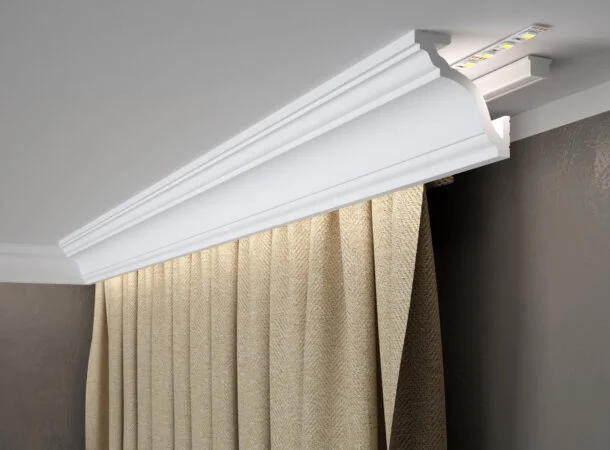
What Is a Curtain Box?
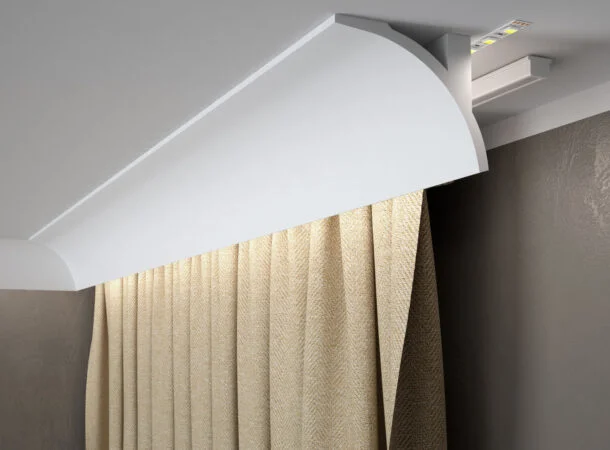
A curtain box—sometimes called a recessed curtain track or ceiling pocket—is a hidden installation method. The curtain track is concealed inside a ceiling recess or a framed box, allowing curtains to drop straight down from above without visible hardware.
This design is often used in:
Modern apartments
Luxury hotels
High-end contemporary homes
Minimalist interiors
Instead of highlighting hardware, it hides it entirely.
The Modern Aesthetic: What Does It Really Mean?
Before declaring a winner, we need to define “modern aesthetics.”
Modern design principles often emphasize:
Clean lines
Visual simplicity
Hidden hardware
Functional minimalism
Architectural integration
Cohesive materials
However, modern style is not one-size-fits-all. It ranges from warm contemporary to industrial minimalism to Scandinavian softness.
That’s why the curtain rod vs. curtain box debate isn’t about right or wrong—it’s about alignment.
Visual Impact: Statement vs. Seamless
Curtain Rod: A Visible Design Feature
Curtain rods intentionally draw attention. They:
Frame the window
Add horizontal definition
Introduce metallic or wood accents
Create contrast
In transitional or contemporary interiors, a well-chosen rod can elevate the room.
For example:
Matte black rods complement modern industrial spaces.
Brushed brass rods add warmth to neutral palettes.
Slim chrome rods enhance sleek urban designs.
A curtain rod can act like jewelry for your window.
However, in highly minimalist spaces, visible hardware may feel visually disruptive.
Curtain Box: Architectural Continuity
Curtain boxes eliminate visual interruption.
Curtains appear to float from the ceiling. This creates:
A cleaner silhouette
A taller perceived ceiling
Seamless wall-to-ceiling integration
Strong vertical emphasis
In modern luxury interiors, this “invisible support” aligns perfectly with the philosophy of quiet design.
The eye sees fabric and architecture—nothing else.
Ceiling Height and Spatial Illusion
Modern interiors often prioritize openness.
Curtain Rods and Ceiling Height
When mounted properly—close to the ceiling—curtain rods can enhance height. However, if installed too low, they:
Shorten wall appearance
Break vertical flow
Emphasize horizontal lines
This can make a room feel smaller.
Curtain Boxes and Vertical Emphasis
Curtain boxes create a continuous ceiling-to-floor drop. This:
Enhances vertical drama
Makes windows feel larger
Elevates the perceived scale of the room
In apartments with lower ceilings, recessed curtain tracks are especially effective.
If maximizing height perception is your goal, curtain boxes generally win.
Minimalism vs. Character
Curtain Rod: Adds Personality
Modern homes don’t always mean ultra-minimal.
If your style includes:
Layered textiles
Mixed metals
Decorative details
Art-forward interiors
A curtain rod can reinforce personality.
Design-conscious homeowners often coordinate rods with:
Door handles
Light fixtures
Cabinet hardware
This creates visual harmony.
Curtain Box: Embraces Pure Minimalism
If your design philosophy includes:
Flat surfaces
Concealed storage
Neutral palettes
Architectural precision
Then curtain boxes align more naturally.
They remove ornamentation and prioritize structure.
Light Control and Functionality
Aesthetic value must coexist with functionality.
Curtain Rod Performance
Pros:
Easy installation
Flexible curtain styles
Works with grommets, pleats, and tabs
Simple to replace or update
Cons:
Light gaps above curtains
Limited blackout precision
Visible brackets
For casual living rooms or bedrooms with soft filtering curtains, rods work well.
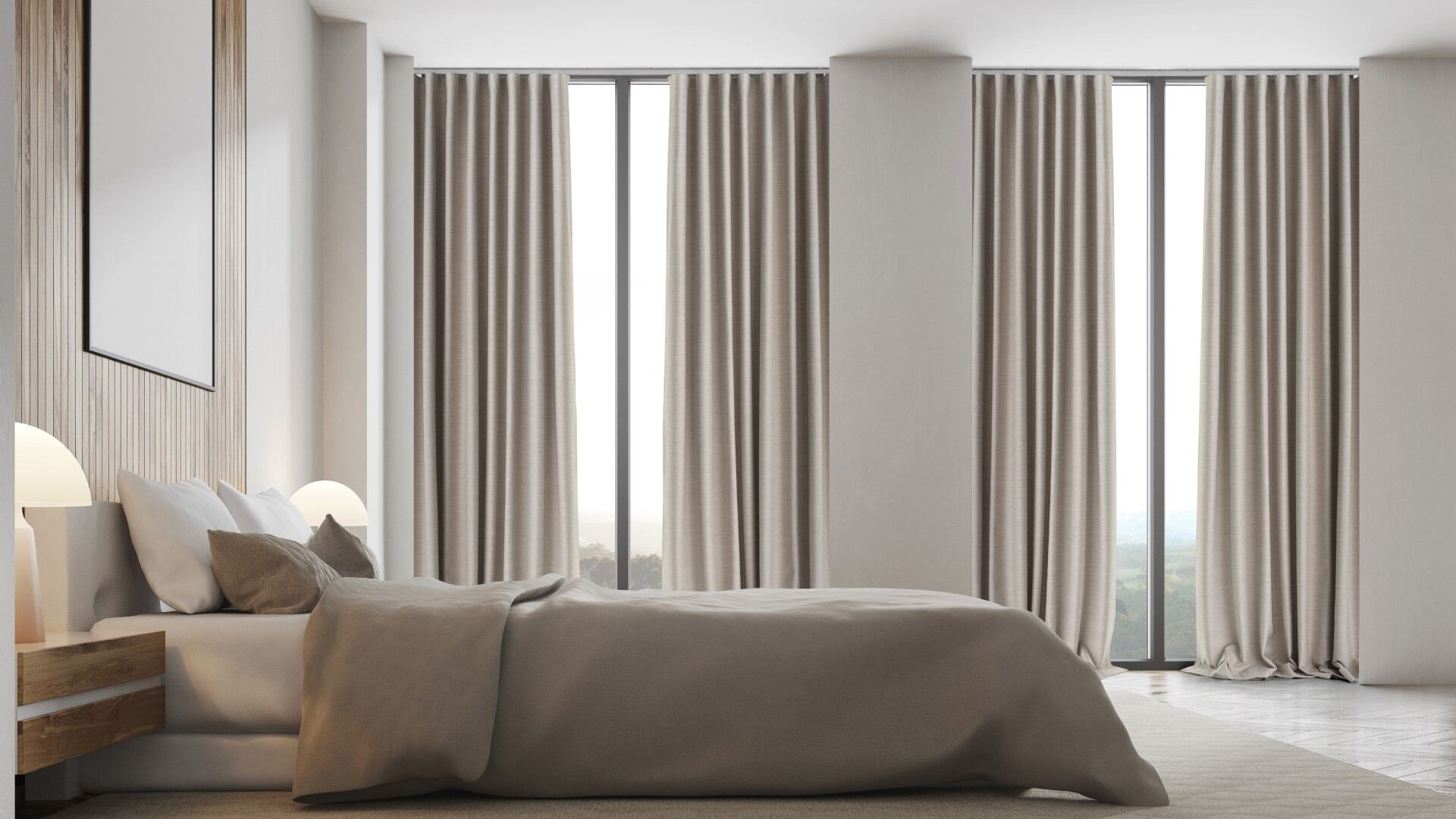
Curtain Box Performance
Pros:
Superior blackout capability
Ideal for motorized curtains
Smooth track glide
Clean stacking
Cons:
Requires construction planning
Less flexible after installation
For media rooms, luxury bedrooms, or smart-home integration, curtain boxes offer performance advantages.
Installation Considerations
Curtain Rod: Flexible and Accessible
Curtain rods can be installed:
After construction
Without major renovation
On drywall or wood framing
They are ideal for renters or homeowners seeking quick updates.
Curtain Box: Requires Planning
Curtain boxes are best installed:
During new construction
During ceiling renovation
With drywall or recessed framing
Retrofitting an existing home can be more complex and costly.
If you’re remodeling extensively, adding a curtain box is easier than upgrading later.
Cost Comparison
Budget often influences design decisions.
Curtain Rod Costs
Lower upfront expense
Wide range of price points
Easy DIY installation
Minimal structural modification
Curtain Box Costs
Higher installation cost
Requires carpentry or ceiling work
Professional installation recommended
May involve custom fabrication
While curtain boxes often feel more luxurious, they come with added investment.
Maintenance and Longevity
Modern aesthetics also consider durability.
Curtain Rod Maintenance
Occasional tightening
Hardware replacement possible
Easy fabric changes
Curtain Box Maintenance
Hidden tracks may collect dust
Repairs require ceiling access
Motorized systems need servicing
Although curtain boxes look sleek, maintenance access should be planned carefully.
Design Scenarios: Which Works Best?
Living Room
If your living room:
Has statement lighting
Includes layered textures
Embraces warmth
Curtain rods complement well.
If it:
Features floor-to-ceiling glass
Has minimalist furniture
Emphasizes architectural lines
Curtain boxes elevate the look.
Bedroom
For ultimate darkness and hotel-inspired style, curtain boxes are ideal.
For cozy, layered comfort with decorative flair, rods are more versatile.
Small Apartment
To maximize perceived height, curtain boxes create a more expansive feel.
If renovation is not possible, ceiling-mounted slim rods can mimic the effect.
The Hybrid Solution
Some modern homes combine both approaches.
For example:
Curtain box for sheer inner layer
Decorative rod for outer drapes
Or:
Recessed track hidden behind a minimal valance
This allows flexibility without sacrificing visual clarity.
2026 Interior Design Trends
Current design movements favor:
Integrated architecture
Hidden mechanisms
Smart automation
Floor-to-ceiling treatments
Soft neutral color schemes
These trends lean slightly toward curtain boxes, especially in new builds.
However, there is also a strong movement toward:
Warm minimalism
Organic textures
Mixed materials
Which keeps curtain rods relevant.
Psychological Impact of Visible Hardware
Design affects mood.
Visible curtain rods:
Add comfort and familiarity
Create a sense of layering
Feel approachable
Hidden curtain systems:
Promote calm and clarity
Reduce visual noise
Enhance focus
Your preference may depend on whether you value warmth or serenity.
Final Verdict: Which Is More Modern?
If “modern” means:
Clean
Seamless
Architectural
Minimal
Then curtain boxes align more closely.
If “modern” means:
Stylish
Intentional
Balanced
Warm contemporary
Then curtain rods remain equally valid.
There is no universal winner—only contextual suitability.
Key Decision Checklist
Choose a curtain rod if you:
Want flexibility
Prefer decorative hardware
Are upgrading without renovation
Enjoy visible detail
Choose a curtain box if you:
Are building or remodeling
Prioritize clean lines
Want better blackout control
Prefer hidden mechanisms
Conclusion: Aesthetic Is About Alignment
Modern design is not about removing everything. It’s about choosing intentionally.
Curtain rods celebrate design detail.
Curtain boxes celebrate architectural purity.
The most important question isn’t which is trendier.
It’s which one supports your space, your lifestyle, and your long-term design vision.
In 2026, thoughtful installation matters more than ever. Whether you choose visible hardware or hidden structure, the key to modern aesthetics lies in precision, proportion, and purposeful simplicity.
When done correctly, both methods can be undeniably modern.
Need Help with Your Custom Project?
Have questions about materials, sizing, or looking for a quick quote? Drop us a message and our experts will respond within 24 hours.
Chat on WhatsApp
+1 (304) 356-6765
Send us an Email
hello@incustom.com
Picked for You