Curtains Shrunk After Washing? Your Essential Pre-Customization Guide to Prevent Shrinkage

Feb 26 2026
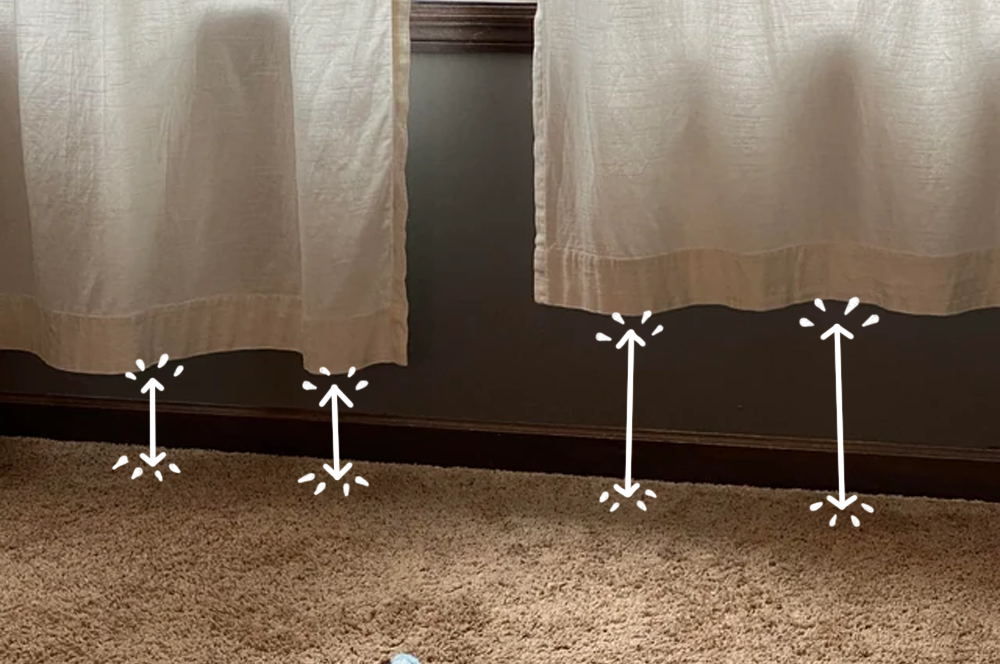
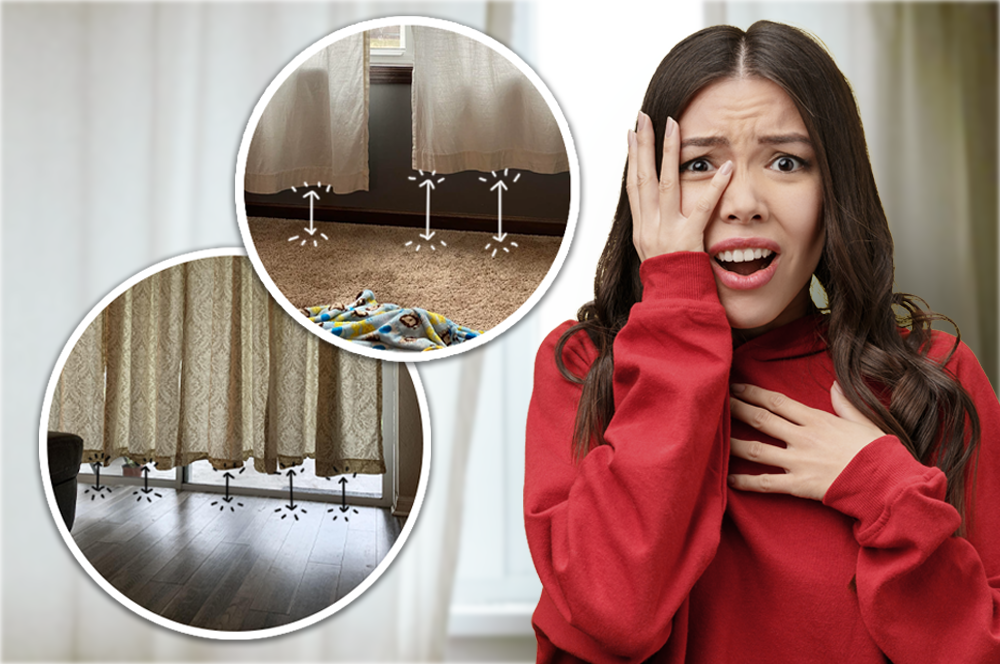
You finally take your curtains down for a deep clean. They come out fresh, bright, and smelling great. Then you hang them back up—and something feels wrong.
They’re shorter.
The once floor-kissing hem now floats awkwardly above the baseboard. The crisp pleats look tighter. The fabric feels slightly stiffer. Panic sets in.
Did they really shrink?
Unfortunately, yes—curtain shrinkage after washing is more common than most homeowners realize. And once it happens, reversing it can be difficult.
But here’s the good news: shrinkage is often preventable. Whether you’re washing existing curtains or ordering custom drapery for your home, understanding fabric behavior before purchase can save you time, money, and frustration.
This comprehensive guide covers:
Why curtains shrink
What to do if shrinkage already happened
How different fabrics react to water and heat
How to prevent shrinkage before customization
Smart measuring strategies
Cleaning methods that protect your investment
If you’re planning new window treatments—or trying to rescue your current ones—this is your must-read manual.
Why Do Curtains Shrink After Washing?
Fabric shrinkage occurs when fibers contract due to moisture, heat, or agitation. Many curtain fabrics contain natural fibers that react strongly to water.
Here’s what causes shrinkage:
1. Heat Exposure
Hot water and high dryer temperatures cause fibers to tighten.
2. Fiber Relaxation
Natural fibers are stretched during manufacturing. Washing allows them to return to their relaxed state.
3. Improper Drying
Machine drying without controlled settings increases contraction.
4. Lack of Pre-Shrinking
Some fabrics are not pre-treated before being sewn into curtains.
Curtains are particularly vulnerable because:
They’re often long.
They use wide fabric panels.
Even a 1–2% shrinkage becomes visually obvious over height.
On an 96-inch curtain, 3% shrinkage equals nearly 3 inches.
That’s significant.
What To Do If Your Curtains Already Shrunk
If your curtains are shorter after washing, don’t panic. There are a few possible recovery steps.
Step 1: Try Gentle Steam Stretching
Lightly dampen the fabric and use a garment steamer while gently pulling downward. This works best on:
Cotton blends
Linen blends
Polyester mixes
Steam relaxes fibers slightly and may restore up to half an inch or more.
Step 2: Re-Hem Adjustment
If there was extra hem allowance, a tailor can let out the hem for added length.
This only works if sufficient fabric remains folded inside the seam.
Step 3: Add Decorative Trim
If curtains are significantly shorter, consider adding:
A bottom fabric band
Decorative trim
Lace edging
Contrasting panel insert
This transforms a mistake into a design feature.
Step 4: Adjust Hanging Method
Raising the curtain rod by 1–2 inches can visually compensate for minor shrinkage.
However, this isn’t ideal if the room layout doesn’t allow flexibility.
Which Curtain Fabrics Shrink the Most?
Understanding fabric types is critical before customizing.
Cotton
Highly breathable
Natural feel
Shrinks easily if not pre-washed
3–5% shrinkage common
Linen
Luxurious texture
Strong but prone to shrinkage
4–7% shrinkage possible
Wrinkles easily
Silk
Elegant and delicate
Can shrink dramatically
Requires professional cleaning
Polyester
Synthetic
Minimal shrinkage
Durable
Resistant to heat (within limits)
Cotton-Poly Blends
Reduced shrinkage compared to pure cotton
More stable structure
Blackout Fabric (Foam-Backed)
Shrinkage risk depends on fiber composition
Heat can damage backing
Natural fibers shrink more than synthetics.
Why Custom Curtains Require Special Attention
When ordering custom curtains, measurements are precise. Unlike ready-made panels, custom drapery is built specifically for your window height.
If shrinkage occurs:
Floor-length curtains no longer touch the floor
Puddle-length curtains lose dramatic effect
Tailored designs look disproportionate
Customization increases the importance of pre-planning.
The Pre-Shrink Question You Must Ask
Before placing a custom order, always ask:
“Has this fabric been pre-shrunk or pre-washed?”
Manufacturers sometimes pre-treat fabrics to reduce shrinkage risk. If not, you may need to account for potential contraction.
Smart Measuring Strategy: Add Shrinkage Allowance
If ordering natural fiber curtains that haven’t been pre-shrunk, consider adding 1–3% to length.
Example:
Desired final length: 96 inches
Add 2% allowance: 96 × 1.02 = 97.92 inches
Order approximately 98 inches.
Consult your curtain maker before applying adjustments.
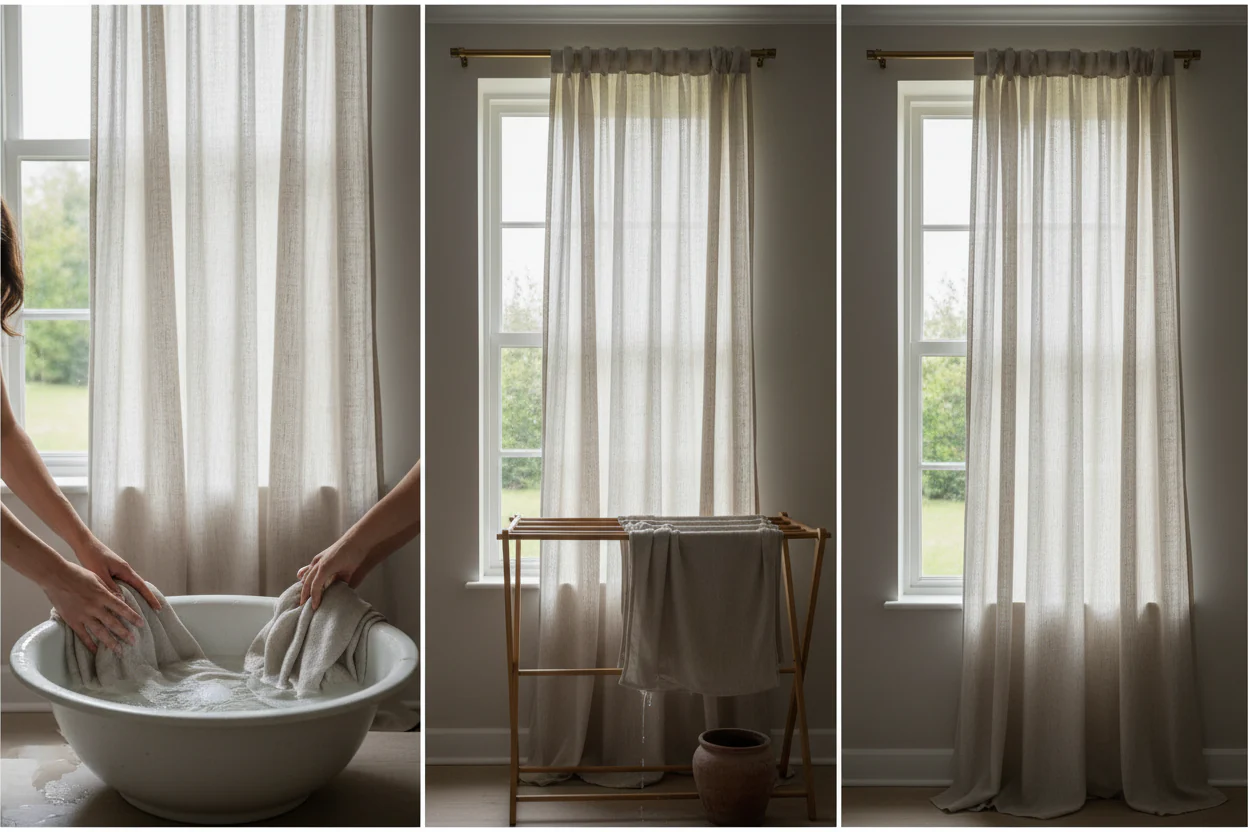
Washing Curtains the Right Way
Prevention starts with proper cleaning.
Check the Care Label
Always follow manufacturer instructions.
If labeled “Dry Clean Only,” do not machine wash.
Use Cold Water
Cold water reduces fiber contraction.
Gentle Cycle
Low agitation prevents stress.
Mild Detergent
Harsh chemicals weaken fibers.
Skip the Dryer
Air dry whenever possible.
Heat is the primary shrinkage culprit.
Professional Cleaning vs. Home Washing
Custom drapes often require professional cleaning, especially if:
Lined
Interlined
Pleated
Made from silk or linen
Floor-length
Professional cleaners use controlled moisture and temperature methods.
While more expensive, it protects your investment.
Understanding Fabric Construction
Shrinkage depends not only on fiber but weave.
Tightly Woven Fabrics
Less room for contraction but may still shrink lengthwise.
Loosely Woven Fabrics
More prone to visible shrinkage and distortion.
Lined Curtains
Outer fabric may shrink differently than lining, causing puckering.
High-quality customization accounts for fabric interaction.
Environmental Factors That Affect Curtains
Even without washing, curtains may change slightly due to:
Humidity
Sun exposure
Temperature fluctuations
Natural fibers expand and contract seasonally.
This makes initial sizing even more important.
The Role of Sunlight
Direct sunlight weakens fibers over time.
UV exposure:
Breaks down fabric
Reduces elasticity
Causes fading
Increases fragility
When weakened fabric is washed, shrinkage risk increases.
Consider UV-protective liners.
Pre-Washing Fabric Before Custom Sewing
Some custom curtain makers offer pre-washing before fabrication.
This ensures shrinkage occurs before measurement cutting.
Ask your supplier if this option is available.
Blackout Curtains and Shrinkage Risks
Blackout curtains often include layered construction.
If improperly washed:
Outer layer may shrink
Foam backing may distort
Lining may separate
Professional cleaning is safest for blackout styles.
Steam vs. Iron: Post-Wash Care
Steam relaxes fibers gently.
Ironing with high heat can:
Cause additional shrinkage
Damage delicate fabrics
Flatten texture
Use low heat and a pressing cloth if ironing.
When to Replace Instead of Repair
If shrinkage exceeds 3 inches and:
Hem cannot be let out
Design integrity compromised
Fabric distorted
Replacement may be necessary.
Use the experience as a learning opportunity before ordering new custom curtains.
Budget vs. Investment Curtains
Lower-cost ready-made curtains may:
Use untreated fabric
Lack shrinkage allowances
Offer limited cleaning instructions
Higher-quality custom curtains typically include:
Pre-treated fabric
Professional-grade stitching
Proper hem allowance
Cleaning guidance
Long-term durability often justifies higher upfront cost.
Curtain Lining as Insurance
Adding lining provides:
Structural stability
Reduced shrinkage visibility
Protection from UV damage
Enhanced insulation
Lining helps maintain shape and length.
How to Store Curtains Safely
If removing curtains seasonally:
Clean before storage
Fold loosely
Store in breathable fabric bags
Avoid plastic traps
Keep away from humidity
Improper storage can weaken fibers before washing.
Avoiding Common Curtain Care Mistakes
Washing in hot water
Overloading washing machine
Using high dryer heat
Ignoring care labels
Skipping shrinkage allowance during customization
Hanging damp curtains unevenly
Small errors create large visual problems.
Should You Always Dry Clean?
Not always.
Polyester and blends often tolerate gentle washing.
However, natural fabrics benefit from professional care.
When in doubt, test a small section first.
Curtain Rod Placement Strategy
Even with proper care, minor shrinkage may occur over years.
Install rods slightly higher than window frame to allow visual flexibility.
This creates aesthetic margin if small length changes happen.
The Long-Term Economics of Prevention
Replacing custom curtains can cost hundreds or thousands of dollars.
Preventative measures:
Proper fabric selection
Pre-shrink verification
Accurate measurement
Gentle cleaning
Cost far less than replacement.
Planning equals savings.
Final Thoughts: Prevention Is Better Than Repair
Curtain shrinkage is frustrating—but rarely mysterious.
It’s the predictable result of fiber behavior, heat exposure, and lack of preparation.
Before ordering custom drapery, take time to:
Understand fabric type
Ask about pre-shrinking
Add shrinkage allowance if needed
Choose appropriate cleaning methods
Invest in proper care
And if your curtains have already shrunk, explore stretching, hemming, or creative design adjustments before discarding them.
Beautiful windows deserve thoughtful planning.
Because when it comes to custom curtains, precision matters—not just in measurement, but in maintenance.
Need Help with Your Custom Project?
Have questions about materials, sizing, or looking for a quick quote? Drop us a message and our experts will respond within 24 hours.
Chat on WhatsApp
+1 (304) 356-6765
Send us an Email
hello@incustom.com
Picked for You