Do Curtains Contain Excess Formaldehyde? Should You Wash New Curtains Before Hanging Them?

Feb 24 2026
You finally found the perfect curtains. The color complements your walls. The texture matches your furniture. The length is just right. You bring them home, unpackage them—and then pause.
There’s a faint chemical smell.
Now you’re wondering:
Do new curtains contain formaldehyde?
Is that “new textile smell” harmful?
Should I wash new curtains before installing them?
Is it safe to hang them in a baby’s room or bedroom right away?
If you care about indoor air quality, especially in bedrooms, nurseries, or tightly sealed modern homes, these are smart questions.
In this in-depth guide, we’ll break down what formaldehyde is, why it’s sometimes found in curtains, whether levels are dangerous, and whether washing new curtains is necessary. We’ll also explore how curtain materials, coatings, and manufacturing processes affect chemical exposure—so you can make confident, informed decisions.
What Is Formaldehyde and Why Is It Used in Textiles?
Formaldehyde is a colorless gas with a strong odor. It’s widely used in manufacturing because it:
Prevents wrinkling
Improves fabric durability
Enhances color fastness
Increases resistance to mold and mildew
Helps fabrics hold their shape
In textile production, formaldehyde-based resins are sometimes applied during finishing treatments to create “wrinkle-resistant,” “easy-care,” or “no-iron” fabrics.
Curtains, especially those marketed as wrinkle-free or structured, may undergo such treatments.
However, formaldehyde can off-gas (release into the air), which is why consumers are increasingly concerned about exposure in indoor spaces.
Do New Curtains Actually Contain Formaldehyde?
The short answer: Some do, but not all—and the amount varies significantly.
Several factors determine whether your curtains may contain measurable formaldehyde:
Fabric type (polyester, cotton, blends)
Wrinkle-resistant treatment
Dyeing and finishing processes
Manufacturing standards
Country of production
Certification compliance
In the United States, formaldehyde levels in consumer textiles are regulated. Reputable brands typically comply with safety guidelines that limit harmful emissions.
However, lower-cost imports or uncertified products may have higher residual chemical content.
Why Do New Curtains Sometimes Smell?
That “new curtain smell” doesn’t automatically mean dangerous formaldehyde levels. It could be:
Residual finishing chemicals
Packaging odors
Plastic wrapping off-gassing
Storage humidity exposure
Dyes or coatings curing
That said, if the smell is strong, sharp, or irritating to your eyes or throat, it’s wise to take precautions before installing them permanently.
Health Concerns: Is Formaldehyde Dangerous in Curtains?
Formaldehyde exposure at high levels can cause:
Eye irritation
Nose and throat discomfort
Skin sensitivity
Headaches
Respiratory irritation
Sensitive groups include:
Babies and young children
People with asthma
Individuals with chemical sensitivities
Elderly individuals
However, the level of exposure from a single set of curtains in a ventilated room is typically low—especially when purchased from reputable retailers.
The bigger concern arises in poorly ventilated spaces or homes filled with multiple new furniture items, carpets, and pressed-wood products, which can collectively raise indoor formaldehyde levels.
Should You Wash New Curtains Before Hanging Them?
This is one of the most common questions homeowners ask.
The practical answer: In most cases, yes—especially if the curtains are machine washable.
Here’s why:
Washing can:
Remove surface chemicals
Reduce residual odors
Eliminate dust from packaging
Lower potential irritants
Improve indoor air freshness
Even a gentle rinse cycle can significantly reduce leftover textile treatments.
However, not all curtains are washable.
When You Should Definitely Wash New Curtains
You should wash your new curtains before hanging if:
They have a noticeable chemical smell
They’re going in a nursery or child’s bedroom
Someone in your home has asthma or allergies
The label allows machine washing
The fabric feels stiff from finishing treatments
Even air-drying outdoors after washing can help reduce off-gassing.
When Washing May Not Be Necessary
In some cases, washing may not be required:
Curtains are labeled low-VOC or chemical-free
They carry reputable textile safety certifications
There’s no detectable odor
The fabric is delicate or dry-clean-only
If washing isn’t recommended, airing them out in a well-ventilated area for 24–72 hours can also reduce potential emissions.
Do Blackout Curtains Contain More Chemicals?
Blackout curtains deserve special attention.
Many blackout curtains include:
Foam backing
Acrylic coating
PVC layers
Thermal insulation lining
These additional layers may involve adhesives or chemical treatments.
Because of this, blackout curtains may have a stronger odor when first unpackaged.
In these cases:
Washing (if permitted) is helpful.
Airing out before installation is strongly recommended.
Avoid placing directly in a tightly sealed bedroom without ventilation.
If you're especially concerned, look for triple-weave blackout curtains without foam backing, as they often contain fewer chemical coatings.
What About Polyester Curtains?
Polyester is one of the most common curtain materials in the U.S.
The good news:
Polyester itself does not inherently contain formaldehyde.
However, wrinkle-resistant or stain-resistant treatments applied during finishing may introduce small amounts.
Polyester curtains generally:
Produce fewer natural mold issues
Resist shrinking
Require less chemical stabilization compared to some natural fibers
Still, washing once before use is a safe precaution if allowed.
Cotton and Linen Curtains: Are They Safer?
Natural fabrics like cotton and linen are often perceived as safer.
But here’s the nuance:
Untreated organic cotton is low in chemical additives.
However, conventional cotton curtains may still undergo:
Dye fixation processes
Anti-wrinkle treatments
Mold resistance finishing
If the curtain is labeled organic or certified chemical-safe, risk is lower.
But washing natural fiber curtains before hanging is still a smart step.
Certifications to Look For
If you want extra peace of mind, look for curtains that mention:
OEKO-TEX Standard 100
GREENGUARD certification
Low-VOC compliance
Formaldehyde-free labeling
Organic textile certification (for natural fabrics)
These certifications indicate testing for harmful substances and emission limits.
How to Properly Wash New Curtains
Before washing:
Check the care label.
Separate by color.
Use cold water.
Choose mild detergent.
Avoid heavy fabric softeners.
For blackout curtains:
Use gentle cycle.
Air dry when possible.
Avoid high heat to protect backing.
For dry-clean-only curtains:
Hang in a ventilated area.
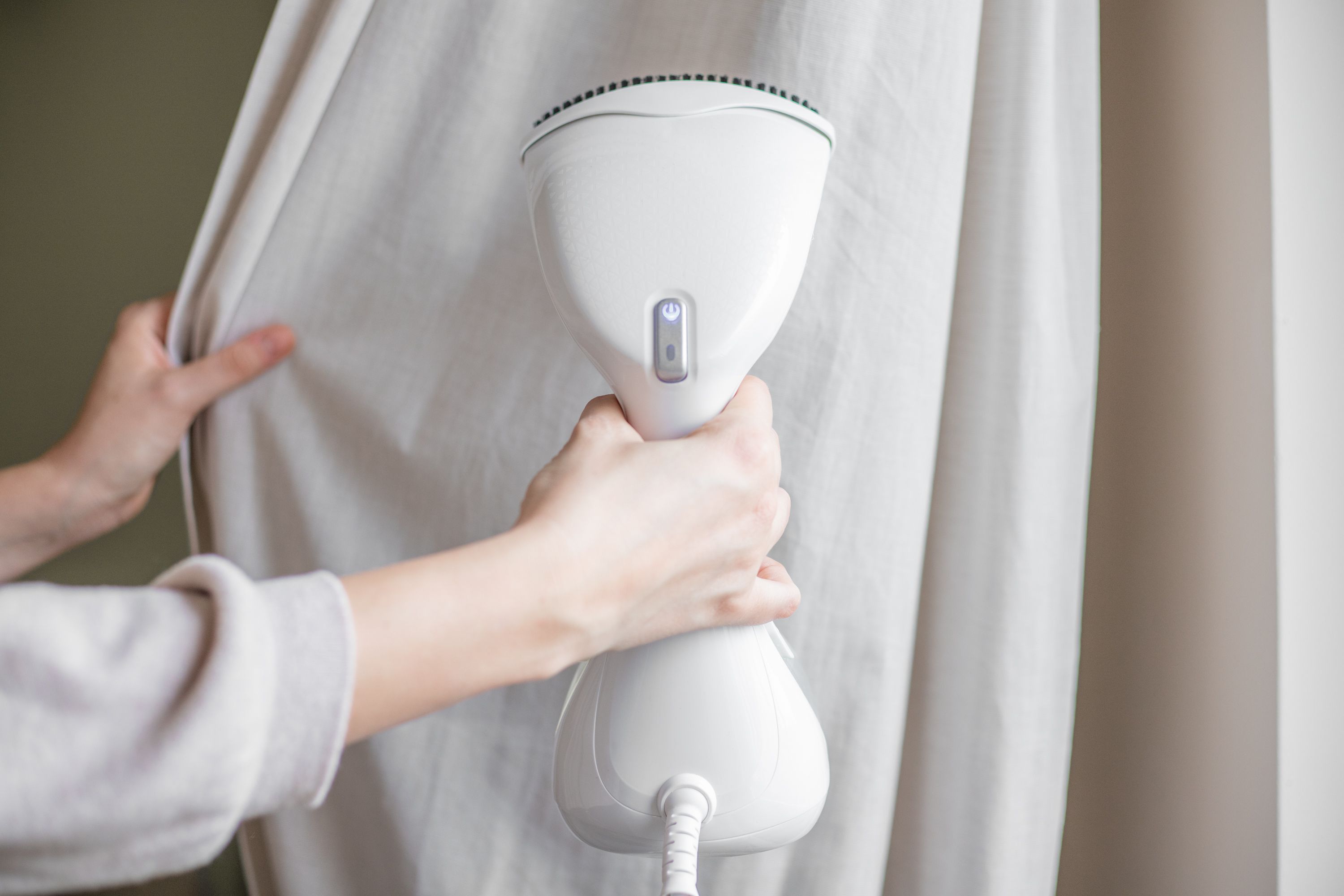
Use a handheld garment steamer to help release odors.
Open windows for airflow.
The Role of Ventilation in Indoor Air Quality
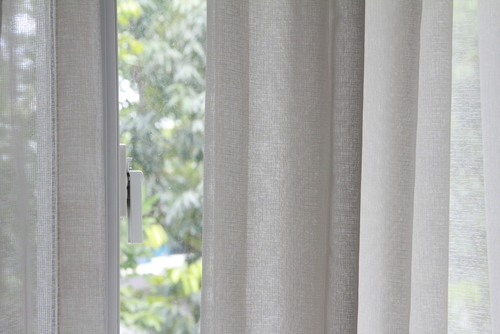
Even if you don’t wash your curtains immediately, ventilation dramatically reduces exposure.
Best practices:
Open windows during the first few days.
Run ceiling fans.
Use air purifiers with activated carbon filters.
Avoid installing multiple new textile items at once.
Air circulation disperses any trace emissions quickly.
Are Formaldehyde Levels in Curtains Usually Above Safety Limits?
In the U.S., consumer textiles must comply with established safety standards. Major retailers and reputable brands test their products.
Most modern curtains sold through mainstream home stores do not exceed allowable formaldehyde thresholds.
The greater risks typically come from:
Extremely low-cost, uncertified imports
Counterfeit goods
Poor storage conditions leading to mold treatments
Buying from trusted sources significantly lowers risk.
What If You’re Extremely Sensitive to Chemicals?
If you have chemical sensitivity or severe allergies:
Choose organic cotton or linen curtains.
Avoid wrinkle-resistant labeling.
Avoid heavy blackout coatings.
Wash multiple times if necessary.
Allow extended airing time.
You can also request material safety data from manufacturers.
The Bigger Picture: Curtains and Total Indoor Chemical Load
Curtains alone rarely create dangerous indoor air conditions.
However, cumulative exposure matters.
In a newly renovated home with:
New flooring
Fresh paint
Pressed-wood furniture
Upholstered sofas
Synthetic rugs
New curtains
Combined emissions can temporarily elevate indoor VOC levels.
This is why ventilation during move-ins or remodels is essential.
Final Verdict: Do New Curtains Need to Be Washed?
For most households:
Yes, washing new curtains once before hanging is a simple, low-effort way to reduce odors and potential irritants.
It’s not always mandatory—but it’s a smart precaution.
Especially for:
Bedrooms
Nurseries
Homes with sensitive individuals
If washing isn’t possible, airing them out in a well-ventilated space for a few days achieves similar benefits.
Ultimately, the risk from modern, regulated curtain products is typically low—but small preventive steps can give you peace of mind.
Bottom Line
New curtains may contain trace finishing chemicals, including formaldehyde in some cases—but levels are usually within regulated safety standards when purchased from reputable retailers.
Still, washing or airing out your curtains before installation is a practical way to:
Improve indoor air quality
Reduce odor
Enhance comfort
Protect sensitive family members
When it comes to your home environment, simple preventive care goes a long way.
Need Help with Your Custom Project?
Have questions about materials, sizing, or looking for a quick quote? Drop us a message and our experts will respond within 24 hours.
Chat on WhatsApp
+1 (304) 356-6765
Send us an Email
hello@incustom.com
Picked for You