Electric Curtain Motor Maintenance: How to Extend the Lifespan of Your Smart Shading System

Mar 20 2026
Smart homes are no longer a luxury reserved for futuristic showrooms. Today, automated lighting, climate control, and intelligent window treatments have become everyday conveniences in American households. Among these upgrades, electric curtains and motorized shades stand out as one of the most practical investments. They improve comfort, increase energy efficiency, enhance privacy, and add a refined modern aesthetic to any living space.
However, like any mechanical and electronic system, motorized curtain systems require proper care to operate smoothly year after year. Many homeowners assume that once installed, electric curtain motors are maintenance-free. In reality, neglecting routine upkeep can lead to slow operation, unusual noises, connectivity failures, or premature motor burnout.
The good news? Maintaining an electric curtain motor is neither complicated nor time-consuming. With the right habits and preventive strategies, your smart shading system can easily last 10–15 years or more.
This comprehensive guide explains how electric curtain motors work, common causes of wear, practical maintenance routines, troubleshooting methods, and expert strategies to maximize the lifespan of your automated window treatments.
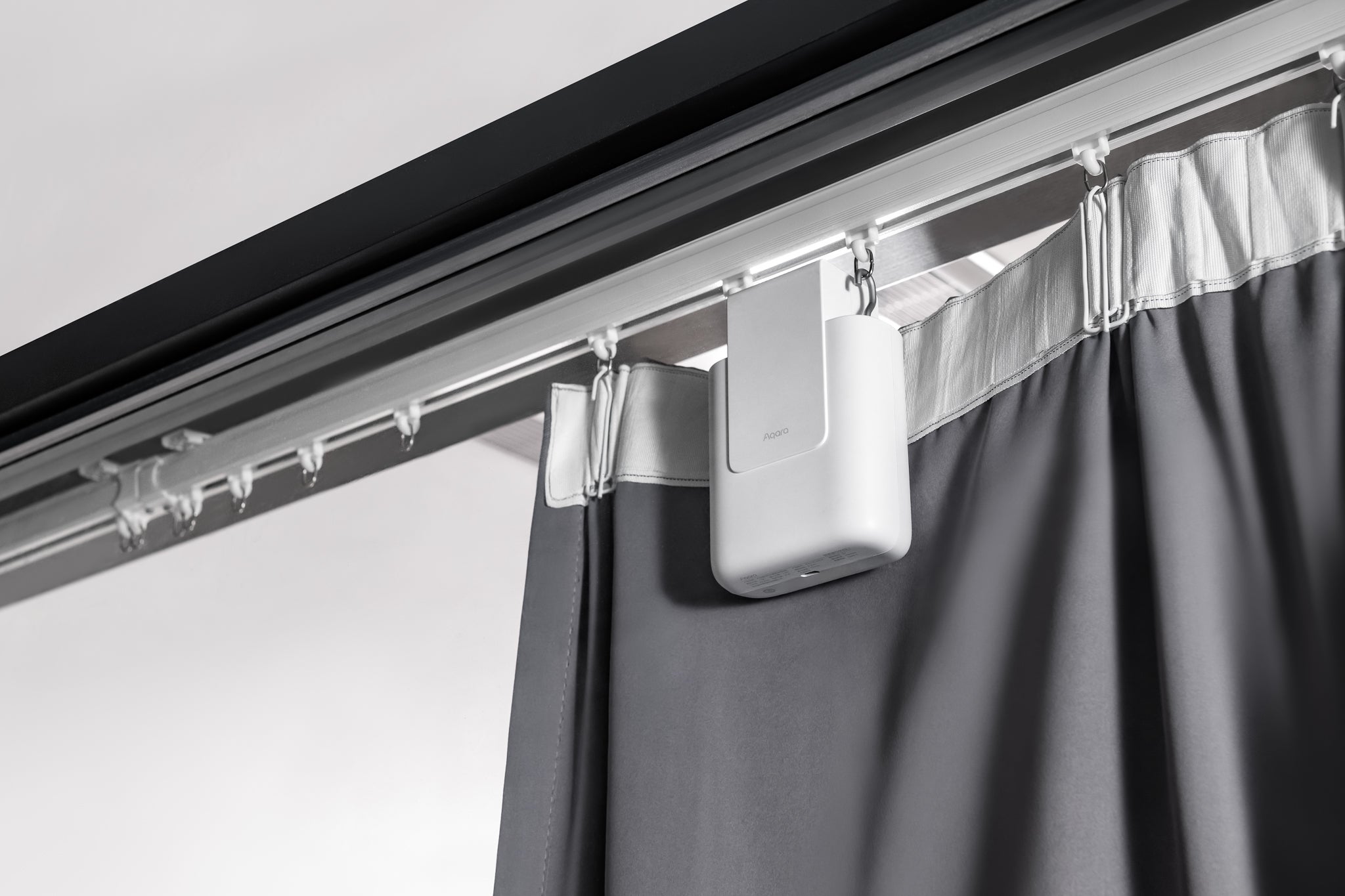
Understanding How Electric Curtain Motors Work
Before discussing maintenance, it helps to understand the basic components of a motorized curtain system.
A typical electric curtain setup includes:
Motor unit – Drives movement along the track or roller
Curtain track or rod system – Guides fabric movement
Drive belt or internal gear system – Transfers motor power
Power supply – Plug-in AC or rechargeable battery
Controller or smart hub – Enables remote or app control
Sensors and limit settings – Define open and closed positions
When activated, the motor rotates internal gears that pull the curtain along the track using a belt or pulley mechanism. Smart systems integrate Wi-Fi, Zigbee, Z-Wave, or Bluetooth connectivity, allowing automation through apps, voice assistants, or schedules.
Because these systems combine electronics, moving parts, and fabric weight, maintenance must address all three areas.
Why Electric Curtain Maintenance Matters
Ignoring maintenance often results in gradual performance decline rather than sudden failure. Small issues compound over time.
Proper maintenance helps:
Prevent motor overheating
Reduce mechanical friction
Maintain quiet operation
Preserve smart connectivity reliability
Extend battery lifespan
Avoid costly replacements
A well-maintained motor consumes less energy, operates more quietly, and maintains consistent speed — all indicators of a healthy system.
The Biggest Causes of Electric Curtain Motor Wear
Understanding what damages curtain motors allows you to prevent problems before they start.
1. Excessive Curtain Weight
One of the most common issues is exceeding the motor’s weight capacity.
Heavy fabrics such as blackout velvet, layered thermal curtains, or water-absorbing materials place constant strain on the motor. Over time, gears wear down faster and torque efficiency decreases.
Signs of overload include:
Slower movement
Jerky motion
Motor humming without movement
Automatic stopping mid-track
Always confirm your curtain weight matches the motor’s rated capacity.
2. Dust and Debris Accumulation
Tracks collect dust surprisingly quickly. Pet hair, airborne particles, and fabric fibers create resistance along the glide path.
This added friction forces the motor to work harder during every cycle.
Over months or years, this extra load significantly shortens motor lifespan.
3. Misaligned Tracks
Even slight track misalignment can increase mechanical resistance.
Common causes include:
House settling
Loose mounting brackets
Improper installation
Accidental pulling of curtains manually
Misalignment causes uneven stress on internal gears and belts.
4. Power Supply Issues
Voltage fluctuations or unstable power sources can damage motor circuitry.
Problems may include:
Random stops
Failure to respond
Resetting schedules
Connectivity drops
Surge protection is often overlooked but highly recommended.
5. Overuse and Automation Errors
Automation is convenient, but excessive cycling shortens motor life.
For example:
Opening and closing curtains dozens of times daily
Frequent testing of voice commands
Poorly configured automation loops
Motors are rated for cycle limits. Constant operation accelerates wear.
Monthly Maintenance Routine (10 Minutes or Less)
A simple monthly routine prevents most long-term problems.
Step 1: Clean the Curtain Track
Use:
Microfiber cloth
Soft brush
Handheld vacuum
Remove visible dust and debris along the entire track length.
Avoid spraying cleaners directly into the motor housing.
Step 2: Inspect Curtain Movement
Operate curtains fully open and closed while observing:
Smoothness
Noise level
Speed consistency
Any hesitation indicates resistance somewhere in the system.
Step 3: Check Mounting Hardware
Verify brackets remain secure.
Loose hardware leads to vibration, which accelerates internal component wear.
Step 4: Listen to the Motor
Healthy motors sound smooth and consistent.
Warning sounds include:
Grinding
Clicking
High-pitched whining
Sudden volume increases
These often signal friction or gear strain.
Quarterly Deep Maintenance Checklist
Every three to four months, perform a more detailed inspection.
Lubricate Moving Components (When Applicable)
Some curtain tracks require light lubrication.
Use only:
Silicone-based lubricant
Manufacturer-approved products
Avoid oil-based lubricants, which attract dust.
Apply sparingly — excess lubricant causes buildup.
Inspect Drive Belts or Carriers
Check for:
Fraying
Cracks
Uneven tension
A worn belt increases motor load dramatically.
Test Manual Override Function
Most systems allow manual movement during power failure.
Ensure manual operation remains smooth without resistance.
Update Smart System Firmware
Smart curtain motors often receive firmware updates improving:
Connectivity stability
Energy efficiency
Automation compatibility
Check the manufacturer’s app periodically.
Battery-Powered Motor Care
Rechargeable motors require different maintenance compared to wired systems.
Best Charging Practices
Recharge before battery drops below 20%
Avoid constant 0–100% cycles
Use original chargers only
Extreme discharge shortens battery lifespan significantly.
Ideal Charging Frequency
Most battery motors need charging every:
3–6 months (standard use)
1–2 months (heavy curtains or frequent cycles)
If charging becomes unusually frequent, friction or weight issues may exist.
Smart Automation Settings That Protect Your Motor
Automation should reduce effort — not increase wear.
Recommended Automation Strategies
Use scheduled routines instead of repeated manual commands.
Example:
Open at sunrise
Close at sunset
Avoid motion-triggered automation unless necessary.
Add Delay Buffers
If integrating with lighting or climate systems, add delays between commands to prevent rapid repeated activation.
Limit Daily Cycles
A practical target:
2–4 full cycles per day
More than this increases long-term stress.
Preventing Motor Overheating
Electric curtain motors are compact and rely on passive cooling.
Prevent overheating by:
Keeping motor housing dust-free
Avoiding insulation contact
Ensuring airflow around the motor
Not running repeated cycles continuously
If the motor feels hot to the touch, allow cooling before reuse.
Troubleshooting Common Problems
Curtains Move Slowly
Possible causes:
Dirty track
Excess fabric weight
Weak battery
Gear wear
Start with cleaning before assuming motor failure.
Motor Stops Midway
Likely reasons:
Obstruction detection activated
Incorrect limit settings
Belt slipping
Power inconsistency
Reset travel limits via the control app if necessary.
Motor Makes Noise
Noise usually indicates friction.
Check:
Track cleanliness
Carrier alignment
Mounting stability
Early correction prevents permanent damage.
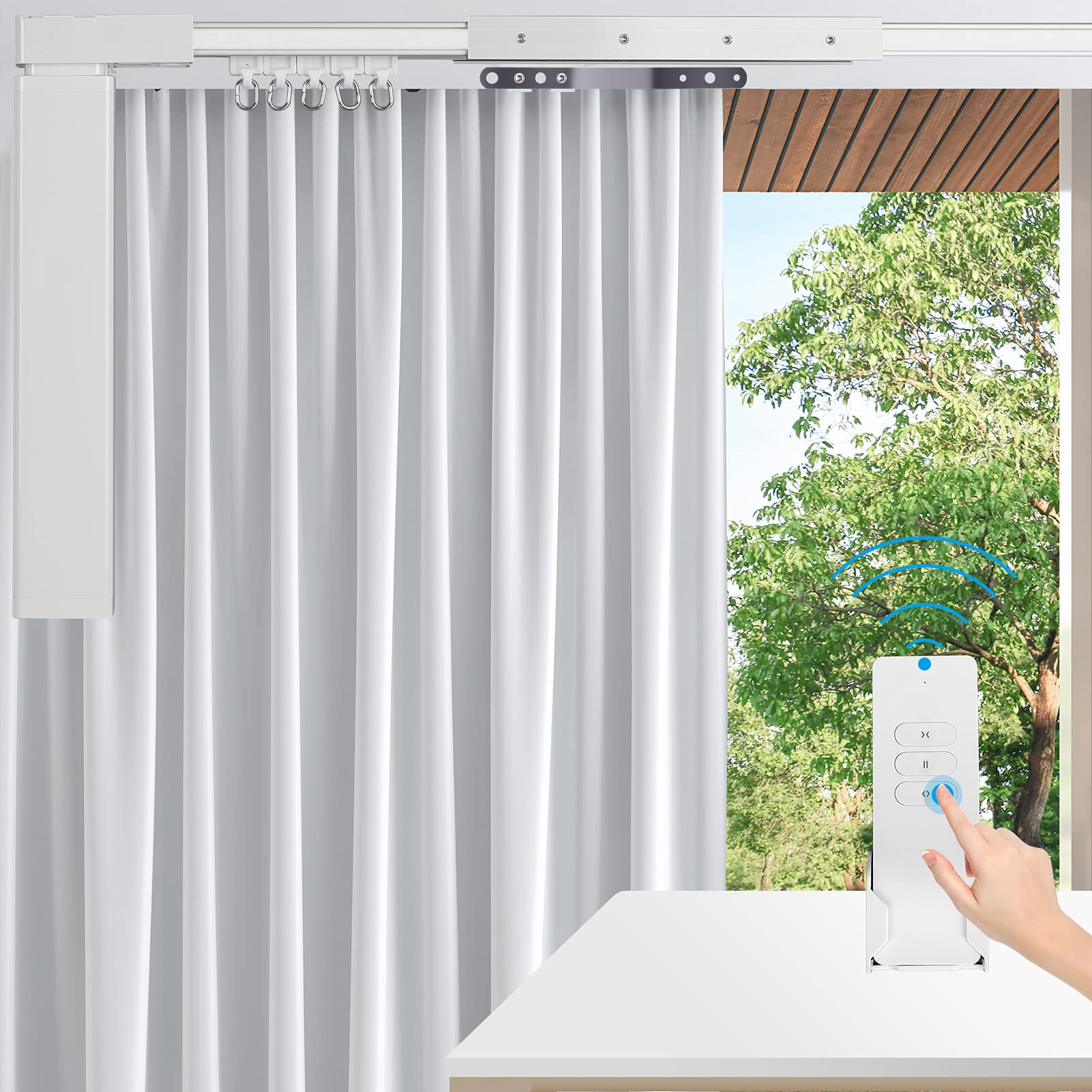
Smart Control Not Responding
Try:
Restarting the hub
Checking Wi-Fi strength
Updating firmware
Re-pairing the device
Connectivity issues are rarely motor failures.
Environmental Factors That Affect Lifespan
Sun Exposure
Direct sunlight increases internal temperature and ages electronic components faster.
Use protective valances or install motors slightly recessed when possible.
Humidity and Moisture
High humidity areas like kitchens or coastal homes can corrode internal parts.
Choose motors rated for higher environmental tolerance when applicable.
Temperature Extremes
Ideal operating range:
32°F–104°F (0°C–40°C)
Garages or sunrooms may exceed safe limits seasonally.
Professional Maintenance: When Is It Necessary?
Most homeowners can maintain systems themselves, but professional service helps when:
Motor torque noticeably weakens
Internal gears grind loudly
Track deformation occurs
Electrical wiring shows wear
Technicians can recalibrate torque settings and replace internal components safely.
Installation Choices That Extend Motor Life
Longevity begins during installation.
Choose the Correct Motor Power
Undersized motors fail early.
Always size based on:
Curtain width
Fabric density
Track length
Opening frequency
Ensure Level Installation
Even slight tilting forces the motor to fight gravity unevenly.
Precision mounting dramatically reduces wear.
Use Quality Tracks
Low-quality tracks increase friction regardless of motor strength.
Smooth glide systems protect motors long term.
Energy Efficiency Benefits of Proper Maintenance
A maintained motor uses less electricity because it encounters less resistance.
Benefits include:
Lower standby consumption
Faster operation
Reduced heat generation
Improved automation accuracy
Over years, efficiency gains become noticeable in energy usage patterns.
Signs It May Be Time to Replace the Motor
Even well-maintained motors eventually reach end-of-life.
Consider replacement if:
Repairs become frequent
Motor struggles under normal load
Smart connectivity becomes unreliable
Noise persists after maintenance
Modern motors are quieter, more energy-efficient, and better integrated with smart ecosystems.
Creating a Long-Term Maintenance Schedule
Here’s a simple timeline homeowners can follow:
Monthly
Clean tracks
Observe movement
Listen for noise
Quarterly
Inspect hardware
Lubricate if required
Check automation settings
Annually
Deep clean system
Recalibrate limits
Inspect electrical connections
Consistency matters more than complexity.
Expert Tips for Maximum Lifespan
Professionals often recommend these overlooked practices:
Never pull motorized curtains manually unless designed for it
Keep pets from hanging on curtain fabric
Avoid sudden power disconnection during movement
Install surge protectors
Use gradual automation schedules instead of rapid triggers
Small habits dramatically reduce internal strain.
The Future of Smart Shading Systems
Newer electric curtain motors increasingly feature:
AI-based obstacle detection
Energy optimization modes
Solar charging compatibility
Ultra-quiet brushless motors
Predictive maintenance alerts
As technology advances, maintenance becomes easier — but basic care will always remain essential.
Final Thoughts
Electric curtain motors transform everyday living by combining comfort, automation, and modern design. Yet their longevity depends less on technology and more on consistent care.
Regular cleaning, proper automation settings, balanced curtain weight, and occasional inspection can extend the life of a smart shading system far beyond expectations. Instead of viewing maintenance as a chore, think of it as protecting an investment that quietly improves your home every day.
With just a few minutes of attention each month, your motorized curtains can remain smooth, quiet, and reliable for many years — continuing to deliver convenience, efficiency, and effortless style throughout your home.

Need Help with Your Custom Project?
Have questions about materials, sizing, or looking for a quick quote? Drop us a message and our experts will respond within 24 hours.
Chat on WhatsApp
+1 (304) 356-6765
Send us an Email
hello@incustom.com
Picked for You