
Designing a child’s bedroom is one of the most joyful projects a parent can take on. It’s more than decorating—it’s building a small world where imagination grows, rest is protected, and personality shines. From soft rugs to painted murals, every detail matters. But one element is often underestimated:
Curtains.
Custom curtains for a child’s room do far more than frame a window. They influence sleep quality, light control, safety, mood, insulation, and even long-term room flexibility as your child grows. The challenge? Finding options that are both safe and dreamy—magical enough to spark imagination, yet practical enough to meet real-life parenting needs.
This in-depth guide walks you through everything you need to know about choosing custom curtains for a children’s bedroom—from safety standards and fabric selection to blackout needs, allergens, hardware, and design themes.
If you're designing a nursery, toddler room, or big-kid space, this guide will help you make confident, informed decisions.
Why Curtains Matter More in a Child’s Room
In adult spaces, curtains are often aesthetic. In children’s rooms, they’re functional and developmental.
Curtains affect:
Sleep cycles
Emotional comfort
Temperature control
Noise reduction
Safety
Allergy exposure
Daily routines
Children are more sensitive to environmental factors than adults. Light at the wrong time can disrupt melatonin production. Drafts can affect comfort. Loose cords can pose safety risks.
That’s why selecting the right custom curtains requires more thought than picking a cute print.
Step 1: Safety Comes First
Before considering color palettes or fairy-tale themes, address the most important priority: safety.
Avoid Corded Window Treatments
One of the most important safety considerations is eliminating exposed cords. According to recommendations from organizations such as the U.S. Consumer Product Safety Commission, window covering cords can pose strangulation hazards for young children.
Choose:
Cordless curtain systems
Motorized curtain tracks
Wand-operated mechanisms
Fixed tie-back designs without loops
If installing Roman shades or layered window treatments, ensure all cords are internal and inaccessible.
Choose Flame-Resistant Fabrics
Children’s rooms often contain:
Bedding
Plush toys
Books
Lamps
Adding flame-resistant or flame-retardant curtain materials increases overall room safety.
Look for:
Fabrics labeled as meeting U.S. flammability standards
Inherently flame-resistant materials (rather than chemical treatments, if possible)
Avoid Small Detachable Decorative Elements
While tassels and beads look charming, small parts may become choking hazards. For toddlers and young children, keep decorative features sewn securely and out of reach.
Step 2: Understanding Light Control for Healthy Sleep
Sleep is critical for a child’s development. Light exposure directly influences circadian rhythm and melatonin production.
Blackout Curtains for Babies and Toddlers
Infants and toddlers benefit greatly from blackout curtains because they:
Create consistent nap environments
Reduce early morning wake-ups
Improve nighttime sleep
Blackout linings can block 90–100% of light. This is especially helpful during:
Long summer daylight hours
Homes with streetlights
Urban settings
Room-Darkening for Older Kids
School-age children may not require full blackout. Room-darkening curtains that filter but don’t eliminate light often provide a balance between comfort and independence.
Layered Curtain Systems
For maximum flexibility, consider layering:
Sheer inner curtains for daytime softness
Blackout outer curtains for sleep
This layered look adds visual depth while offering adjustable light control.
Step 3: Fabric Selection for Comfort and Health
Children spend many hours in their bedrooms. Fabric choice directly affects indoor air quality.
Look for Low-VOC Materials
Volatile organic compounds (VOCs) can off-gas from treated textiles. Choose:
Organic cotton
Linen blends
OEKO-TEX® certified fabrics
Natural fiber blends
These materials help maintain healthier indoor air.
Hypoallergenic Considerations
If your child has allergies or asthma, choose fabrics that:
Resist dust accumulation
Are machine washable
Don’t trap excessive pet hair
Avoid overly heavy velvet or thick woven fabrics unless lined properly and cleaned regularly.
Softness Matters
Children interact physically with their environment. Soft fabrics create emotional comfort. Linen-cotton blends and brushed cotton are popular for combining durability and softness.
Step 4: Designing a Dreamy Atmosphere
Now comes the fun part: creating magic.
A dreamy children’s room isn’t just about bright colors—it’s about storytelling through design.
Popular Theme Ideas
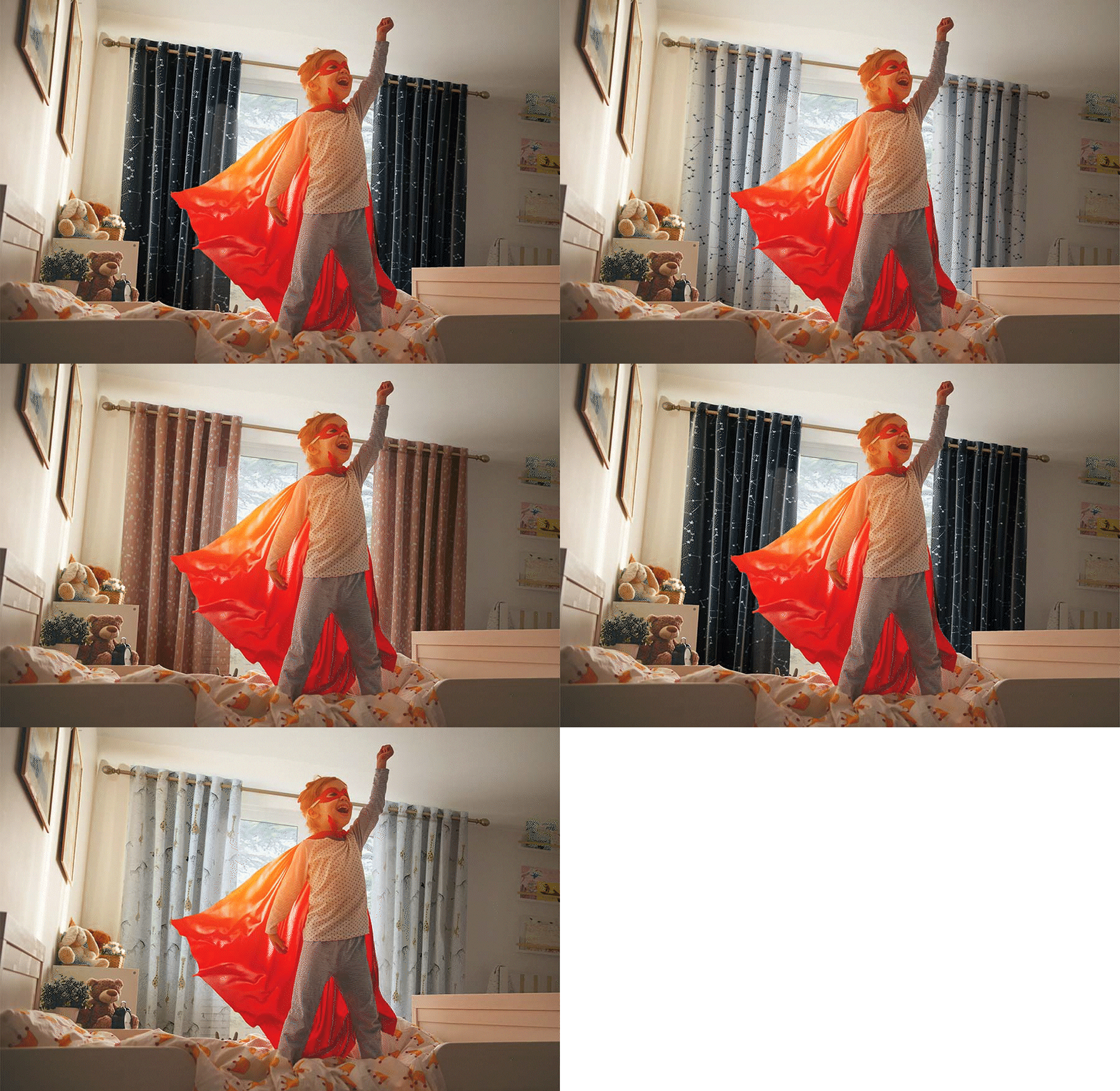
Celestial & Starry Nights
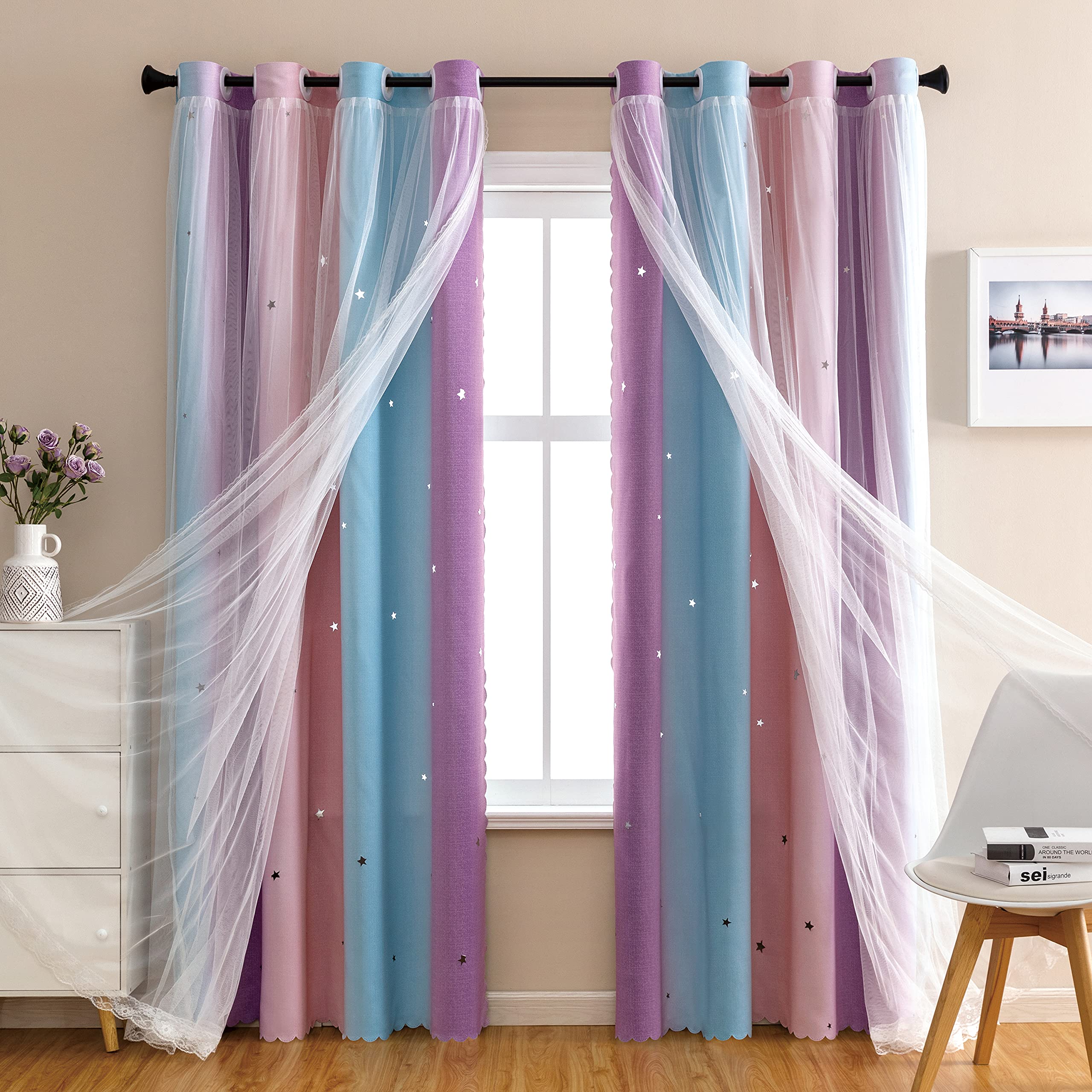
Soft navy backgrounds with embroidered stars or subtle constellations create calming bedtime vibes.
Forest & Nature Themes
Gentle greens, woodland animals, and botanical prints promote tranquility.
Princess or Fairytale Themes
Sheer overlays and pastel palettes create light, whimsical effects.
Space Adventure Rooms
Deep blues and glow-in-the-dark accents spark imagination.
Minimal Scandinavian Style
Neutral tones with playful patterns support long-term versatility.
Balancing Imagination with Longevity
Children grow quickly. That dinosaur obsession may fade in two years.
Custom curtains are an investment—so consider:
Neutral base color + themed accessories
Removable curtain tie-backs
Subtle patterns instead of bold character prints
This allows the room to evolve without replacing everything.
Step 5: Custom Sizing for Safety and Elegance
Custom curtains offer one major advantage over ready-made options: precision.
Proper sizing ensures:
No excess fabric pooling (tripping hazard)
Full window coverage
Balanced proportions
Recommended Length Options
Just above the floor (clean and safe)
Slight break at the floor (soft look, minimal pooling)
Avoid excessive puddling fabric in children’s rooms, especially for toddlers.
Step 6: Thermal and Energy Benefits
Curtains aren’t just decorative—they affect room temperature.
Insulated or thermal-lined curtains can:
Reduce winter drafts
Block summer heat
Lower energy costs
Improve sleep comfort
Children are more sensitive to temperature shifts. Maintaining a stable sleeping environment is crucial.
Step 7: Noise Reduction for Better Rest
In busy households or urban neighborhoods, outside noise can disrupt sleep.
Thicker, layered curtains help:
Absorb sound
Reduce echo
Create a cocoon-like effect
While not fully soundproof, dense fabrics significantly improve acoustic comfort.
Step 8: Hardware Matters
Curtain rods and tracks must be secure and child-safe.
Choose:
Heavy-duty wall anchors
Smooth-glide tracks
Rounded finials (no sharp edges)
Motorized tracks are increasingly popular for:
Cord-free safety
Remote control operation
Scheduled open/close routines
Step 9: Maintenance and Cleaning
Children’s rooms experience spills, sticky fingers, and airborne particles.
Select curtains that are:
Machine washable
Easy to remove
Fade-resistant
Wash frequency depends on environment, but every 3–6 months is common.
Regular cleaning reduces dust mites and allergens.
Step 10: Creating a Cozy Emotional Space
Beyond physical comfort, curtains contribute to emotional safety.
Soft textures and filtered light create:
Calm bedtime transitions
Reduced overstimulation
A sense of enclosure
For children who experience nighttime anxiety, heavier curtains can create a comforting cocoon effect.
Nursery vs. Toddler vs. Big Kid Needs
Nursery (0–2 Years)
Full blackout
Cordless systems
Soft neutral palettes
Breathable fabrics
Toddler (2–5 Years)
Easy-to-clean materials
Gentle patterns
Strong hardware
Continued cord safety
School-Age (6–12 Years)
Personal style input
Layered light control
Durable fabrics
Flexible themes
Involving older children in design decisions builds confidence and ownership.
Budget vs. Investment
Custom curtains range widely in price. Higher-quality materials and professional installation increase cost—but also longevity.
Think long term:
Will these curtains grow with your child?
Are they adaptable to changing themes?
Do they offer energy savings?
Sometimes investing upfront reduces replacement expenses later.
Eco-Friendly Options
Sustainable parents may prefer:
Organic cotton
Linen from renewable crops
Water-based dyes
Locally made custom work
Sustainable curtains protect both your child’s environment and the planet.
Common Mistakes to Avoid
Choosing style over safety
Ignoring blackout needs
Selecting dry-clean-only fabrics
Installing rods too low
Using overly heavy fabric in small rooms
Forgetting future room updates
Planning ahead prevents regret later.
The Emotional Power of Window Design
Natural light influences mood, focus, and creativity. Curtains allow you to control and soften that light intentionally.
During the day:
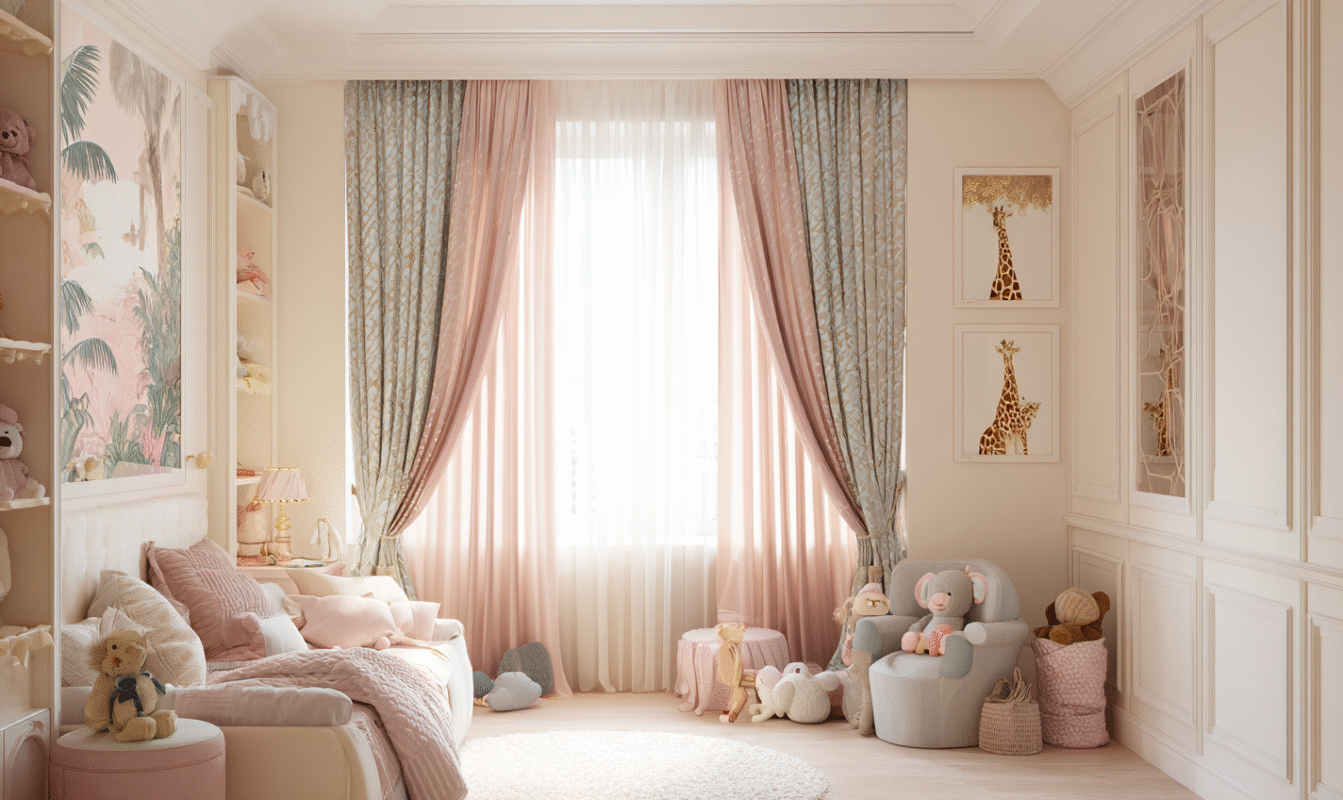
Sheer panels create magical glow
Filtered sunlight enhances warmth
At night:
Blackout curtains signal rest
Closed panels create emotional security
Thoughtful curtain design supports both play and peace.
Final Thoughts: Safety + Magic Can Coexist
Choosing custom curtains for a child’s room isn’t just about fabric—it’s about shaping an environment.
The best children’s window treatments:
Prioritize cord-free safety
Use breathable, non-toxic materials
Offer flexible light control
Support restful sleep
Reflect imagination
Grow with your child
A well-designed curtain system transforms a simple bedroom into a sanctuary.
Safe.
Soft.
Dreamy.
Practical.
When safety and magic work together, a child’s room becomes more than a space—it becomes a world of comfort and creativity.
And that’s exactly what every child deserves.
Need Help with Your Custom Project?
Have questions about materials, sizing, or looking for a quick quote? Drop us a message and our experts will respond within 24 hours.
Chat on WhatsApp
+1 (304) 356-6765
Send us an Email
hello@incustom.com
Picked for You