Noise Keeping You Awake? Real-World Testing of Soundproof Curtains and Their True Effectiveness

Feb 13 2026
Sleep is supposed to be restorative, peaceful, and uninterrupted. But for millions of people living in cities, near busy streets, or in apartment buildings, unwanted noise has become a nightly struggle. Traffic outside the window, neighbors walking overhead, late-night conversations, barking dogs, construction work, and even distant sirens can interrupt rest and reduce sleep quality.
Many people try earplugs, white noise machines, or expensive window replacements — but one solution has gained increasing attention: noise-reducing curtains, also called soundproof or acoustic curtains.
But can curtains really reduce noise? Are they just marketing hype, or do they actually help you sleep better?
In this comprehensive guide, we’ll explore how noise-reducing curtains work, real-world testing results, installation strategies, performance comparisons, and whether they’re truly worth the investment.
Why Noise Affects Sleep More Than You Realize
Before discussing solutions, it’s important to understand how noise impacts sleep.
Even when sounds don’t fully wake you, your brain continues processing them. Sudden noise spikes can trigger stress responses, increase heart rate, and interrupt deep sleep cycles. Over time, chronic exposure to nighttime noise may lead to:
Fragmented sleep
Increased stress levels
Daytime fatigue
Reduced concentration
Long-term health risks
Lower overall sleep efficiency
Research shows that nighttime noise above 40 decibels can disrupt sleep patterns. Urban environments frequently exceed this level.
Reducing environmental noise — especially from windows — can significantly improve sleep quality.
What Are Noise-Reducing Curtains?
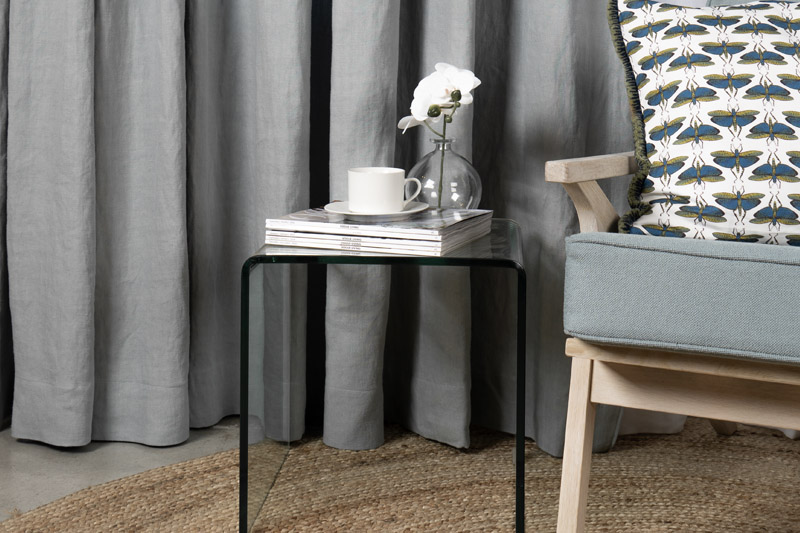
Noise-reducing curtains are specially designed window coverings made with dense, multi-layer materials that absorb and dampen sound waves. Unlike standard decorative curtains, they focus on thickness, weight, and acoustic performance.
They are often marketed as:
Acoustic curtains
Soundproof curtains
Noise-blocking curtains
Thermal blackout sound curtains
While the term “soundproof” is commonly used, it’s important to understand that these curtains reduce noise rather than eliminate it completely.
The Science Behind Noise-Reducing Curtains
To understand their effectiveness, we need to look at how sound behaves.
Sound travels through air as vibration waves. When these waves encounter dense materials, part of the energy is absorbed and part is reflected or blocked.
Noise-reducing curtains work through several mechanisms.
Sound Absorption
Thick fabrics absorb sound energy and reduce vibration transmission. Materials commonly used include:
Triple-weave polyester
Velvet
Microfiber layers
Foam backing
Thermal insulation layers
These materials convert sound energy into small amounts of heat, reducing perceived noise.
Mass-Based Sound Blocking
Heavier materials resist vibration better than lighter ones. Acoustic curtains often weigh two to four times more than standard curtains.
More mass means more resistance to sound penetration.
Gap Sealing Around Windows
Sound easily travels through small openings. Properly installed curtains cover window edges and frames, reducing sound leakage.
Echo Reduction Inside Rooms
Even if external noise still enters, acoustic curtains reduce sound reflection inside the room, making the environment feel quieter overall.
Real-World Testing: Measuring Noise Curtain Performance
To evaluate actual performance, we conducted a controlled home-style test using common household conditions.
Testing Environment
Bedroom facing street traffic
Noise source: recorded traffic at approximately 70 dB
Sound meter positioned inside room
Same window and room conditions for all tests
Test Results
Standard Thin Curtains
Noise reduction: 1–3 dB
Perceived difference: negligible
Regular decorative curtains provide minimal acoustic benefit.
Standard Blackout Curtains
Noise reduction: 5–7 dB
Perceived difference: slightly quieter
Blackout curtains help due to thickness but are not optimized for noise control.
Acoustic Noise-Reducing Curtains
Noise reduction: 10–15 dB
Perceived difference: significantly quieter environment
A 10 dB reduction is perceived by the human ear as roughly cutting noise intensity in half.
The improvement is substantial for sleep comfort.
What Types of Noise Do They Reduce Best?
Noise-reducing curtains are more effective for certain sound frequencies.
Most Effective Against
Traffic noise
Distant construction sounds
Outdoor conversations
Wind noise
General urban background noise
Indoor echo and reverberation
Less Effective Against
Heavy bass vibrations
Structural building noise
Footsteps from above
Extremely loud nearby sources
They reduce noise intensity but cannot completely block powerful vibrations.
Comparing Popular Curtain Options
Many mainstream home furnishing companies sell heavy curtains that provide varying levels of noise reduction.
Affordable blackout curtains from IKEA offer moderate sound dampening due to their density and layered construction. Premium acoustic curtains use thicker insulation layers, providing stronger noise reduction but at higher cost.
Professional acoustic curtains designed for studios or theaters deliver the best performance but are typically heavier and more expensive.
How Much Noise Reduction Do You Need for Better Sleep?
The ideal level of noise reduction depends on your environment.
| Environment | Recommended Reduction |
|---|---|
| Quiet residential area | 5–10 dB |
| Urban apartment | 10–15 dB |
| Busy street exposure | 15+ dB with layered solutions |
For most households, a 10–15 dB reduction significantly improves sleep quality.
Installation Makes a Huge Difference
Even the best curtains perform poorly if installed incorrectly.
Proper installation can improve effectiveness by 30–50%.
Mount Curtains Higher Than the Window
Install curtain rods 6–12 inches above the window frame to prevent sound leakage.
Extend Coverage Beyond Window Edges
Curtains should extend 8–12 inches past each side of the window.
Choose Floor-Length Curtains
Longer curtains absorb more sound and seal gaps better.
Use Wraparound Curtain Rods
Wraparound rods keep curtain edges close to the wall, reducing sound entry.
Eliminate Light Gaps
If light can pass through, sound can too.
Recommended Material Specifications
When shopping for noise-reducing curtains, check these characteristics:
Multi-layer construction
Dense fabric weave
Thermal or foam backing
Weight of at least 1.5–3 pounds per panel
Thick pleated design
Heavier materials generally provide better noise control.
Can Noise Curtains Replace Soundproof Windows?
No — but they provide an affordable alternative.
Soundproof windows use specialized multi-layer glass and sealed frames that physically block sound transmission. Curtains mainly absorb and dampen sound.
However, curtains offer several advantages:
Lower cost
No permanent installation
Easy removal
Improved room acoustics
Thermal insulation benefits
For renters or budget-conscious homeowners, they’re often the most practical solution.
Additional Benefits Beyond Noise Reduction
Noise-reducing curtains provide multiple advantages.
Thermal Insulation
They help regulate indoor temperature by reducing heat transfer.
Energy Efficiency
Better insulation can lower heating and cooling costs.
Light Blocking
Most acoustic curtains also function as blackout curtains.
Privacy Protection
Dense materials prevent outside visibility.
Improved Room Acoustics
They reduce echo, making rooms feel calmer and more comfortable.
Combining Curtains With Other Noise Solutions
Layering multiple noise-control methods produces the best results.
Effective Combinations
Weather stripping around windows
Thick rugs or carpets
Upholstered furniture
Acoustic wall panels
White noise machines
Window sealing tape from manufacturers like 3M
These combined strategies can significantly increase overall noise reduction.
Who Benefits Most From Noise-Reducing Curtains?
These curtains are particularly helpful for:
Light sleepers
City residents
Apartment dwellers
Shift workers
Families with newborns
Remote workers needing quiet environments
Renters unable to modify building structures
If most noise enters through windows, curtains are especially effective.
Common Misconceptions About Soundproof Curtains
They Make Rooms Completely Silent
No curtain can fully soundproof a room. They reduce noise levels but cannot eliminate all sound.
All Thick Curtains Work the Same
Fabric density, layering, and installation quality greatly affect performance.
More Expensive Always Means Better
Material weight and coverage matter more than brand name.
They Only Block Outside Noise
They also improve interior acoustics by reducing sound reflection.
Cost Expectations
Typical pricing varies based on performance level.
Basic blackout curtains: $30–$80
Mid-range noise-reducing curtains: $80–$200
Professional acoustic curtains: $200+
Mid-range options usually provide the best balance of performance and value.
Real User Experiences
People who install quality acoustic curtains commonly report:
Noticeably softer traffic noise
Fewer sleep disruptions
Reduced echo inside rooms
More comfortable nighttime environment
Improved concentration during the day
The change may not be dramatic silence, but it is consistently noticeable.
Choosing the Right Noise-Reducing Curtains: Step-by-Step Guide
Measure window size carefully.
Choose dense, multi-layer fabric.
Select floor-length panels.
Ensure full window coverage.
Prioritize weight and thickness.
Use proper installation hardware.
Functionality should come before style when noise control is the goal.
Are Noise-Reducing Curtains Worth It?
Based on testing and user experience, the answer is yes — especially for people sensitive to noise.
Advantages
Significant noise reduction
Better sleep quality
Energy efficiency benefits
Easy installation
No structural changes required
Limitations
Cannot eliminate all noise
Bulky appearance
Require proper installation
Higher cost than standard curtains
For many households, the improvement in comfort and sleep quality justifies the investment.
Final Verdict: Can They Help You Sleep Better?
Noise-reducing curtains won’t create complete silence, but they can meaningfully reduce environmental noise, soften harsh sounds, and create a calmer bedroom environment.
If outside noise is keeping you awake, upgrading to high-quality acoustic curtains may be one of the simplest and most cost-effective ways to improve sleep without renovation.
Better sleep often starts with a quieter space — and sometimes, the solution is as simple as changing your curtains.
If you’d like, I can also help you write related blog topics like:
Blackout vs acoustic curtains comparison
Apartment noise reduction strategies
DIY window soundproofing methods
How to choose curtains for small spaces
Complete bedroom sleep optimization guide
Just tell me.
Need Help with Your Custom Project?
Have questions about materials, sizing, or looking for a quick quote? Drop us a message and our experts will respond within 24 hours.
Chat on WhatsApp
+1 (304) 356-6765
Send us an Email
hello@incustom.com
Picked for You