Nordic, French, or Creamy? How to Choose the Right Curtains for Your Interior Style

Feb 09 2026
Curtains are often treated as an afterthought.
Walls get the attention.
Furniture gets the budget.
Lighting gets the drama.
Curtains?
They’re usually chosen last—sometimes in a rush, sometimes just “whatever looks okay.”
And yet, few elements influence a room’s mood more quietly and more completely than curtains.
They control light.
They frame views.
They soften lines.
They connect architecture with furniture.
If your home has a clear interior style—Nordic, French, or Cream—choosing the wrong curtains can break the illusion instantly. Choosing the right ones, on the other hand, can elevate the entire space.
Let’s break it down.
Why Curtains Matter More Than You Think
Curtains are not just fabric on a rod.
They are:
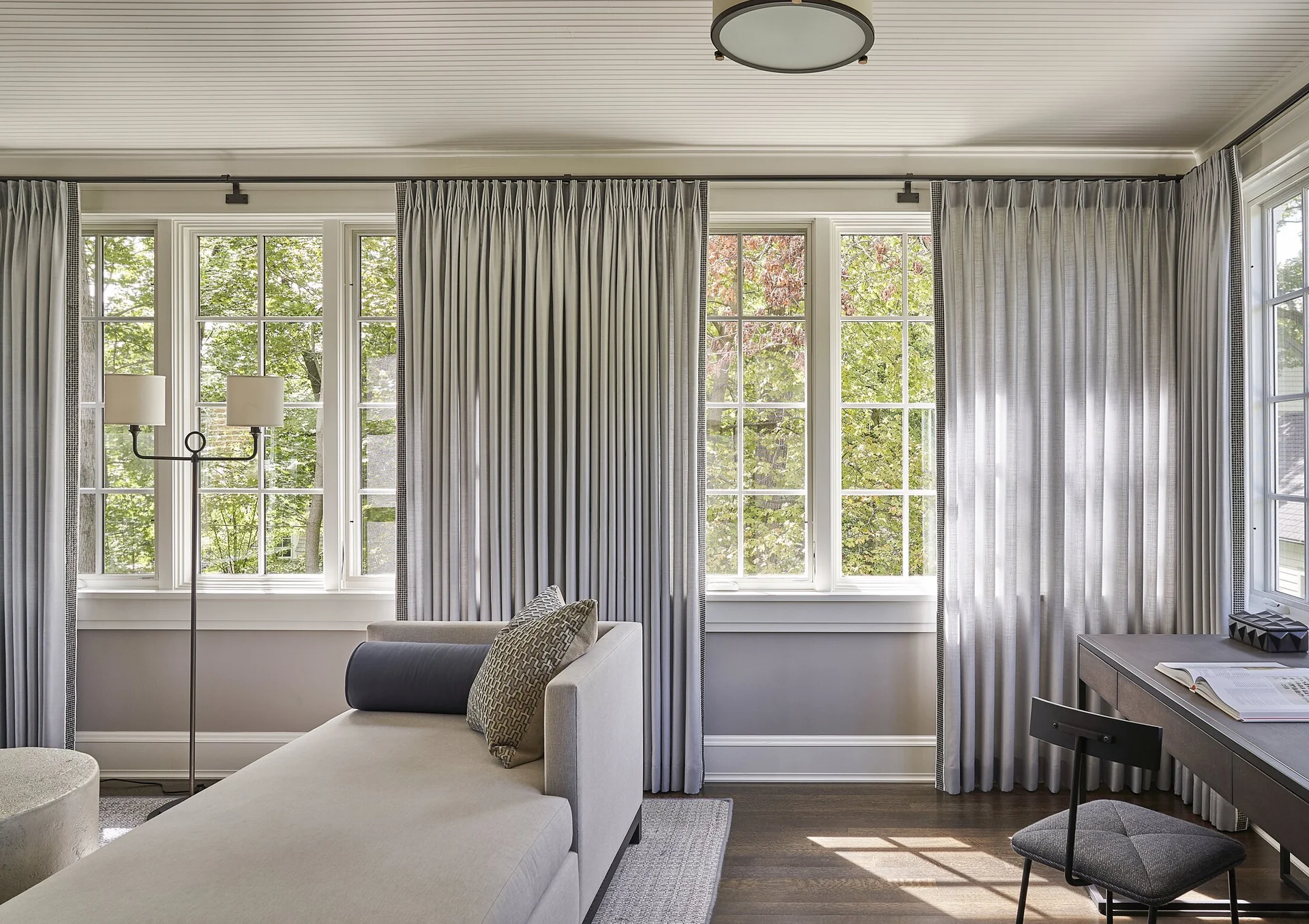
A visual bridge between walls and windows
A filter for natural light
A texture layer that affects warmth and depth
A subtle style statement that either supports or fights your decor
In well-designed interiors, curtains don’t shout.
They belong.
Understanding your design style is the first step toward choosing curtains that feel intentional—not accidental.
Understanding the Three Styles at a Glance
Before talking curtains, let’s clarify what defines each style.
Nordic Style (Scandinavian)
Clean lines
Light colors
Natural materials
Minimal decoration
Strong relationship with daylight
French Style
Elegance without stiffness
Architectural details
Soft luxury
Balance between classic and relaxed
Emphasis on drape and movement
Cream Style
Soft, warm, and cozy
Neutral tones with depth
Gentle transitions
A “wrapped in comfort” feeling
Popular in modern, Instagram-friendly homes
Each style speaks a different visual language. Curtains should speak it fluently.
Nordic Style: Let the Light In
Nordic interiors are born from long winters and limited sunlight.
That’s why light is sacred.
The Core Principle
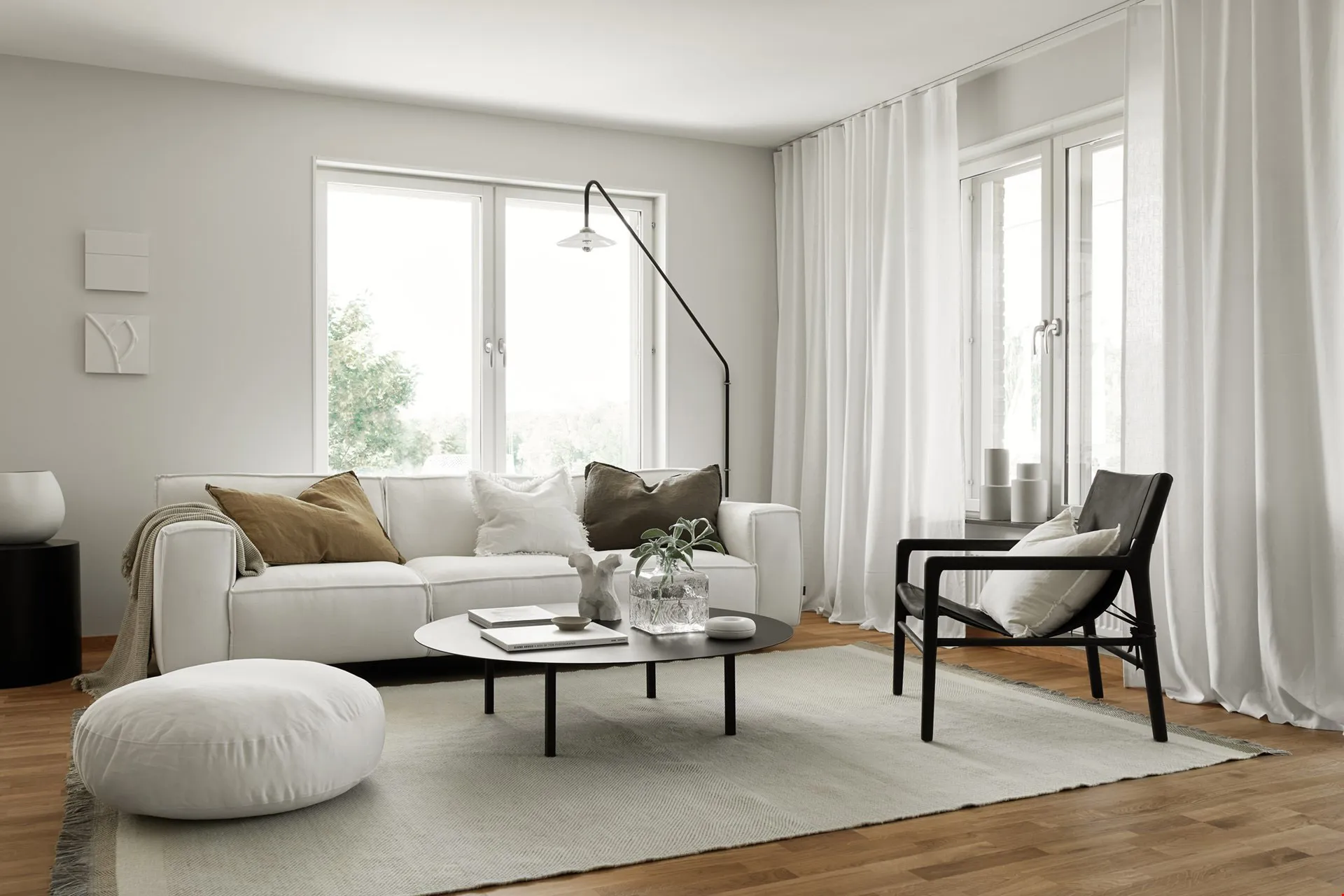
Curtains should enhance natural light, not block it.
Best Curtain Fabrics for Nordic Style
Linen
Linen blends
Lightweight cotton
Semi-sheer fabrics
Texture matters more than pattern. Imperfections are welcome.
Ideal Colors
White
Off-white
Light gray
Soft beige
Muted earth tones
Avoid stark contrast. Nordic spaces thrive on harmony.
Curtain Length & Fit
Floor-length or slightly above floor
Straight, clean drape
Minimal pleating
The goal is simplicity without feeling cheap.
What to Avoid
Heavy blackout curtains
Strong patterns
Glossy fabrics
Overly decorative headers
Nordic curtains should feel like they’ve always been there.
Nordic Curtains and Window Treatment Choices
Beyond fabric curtains, Nordic interiors pair beautifully with:
Sheer curtains layered with roller shades
Wooden blinds in light oak or ash
Simple Roman shades
If your home has large windows, consider ceiling-mounted tracks to emphasize height and openness.
French Style: Curtains as Architecture
French interiors treat curtains as part of the room’s structure.
They don’t just cover windows—they frame them.
The Core Principle
Curtains should add elegance, movement, and softness.
French style loves drama—but controlled drama.
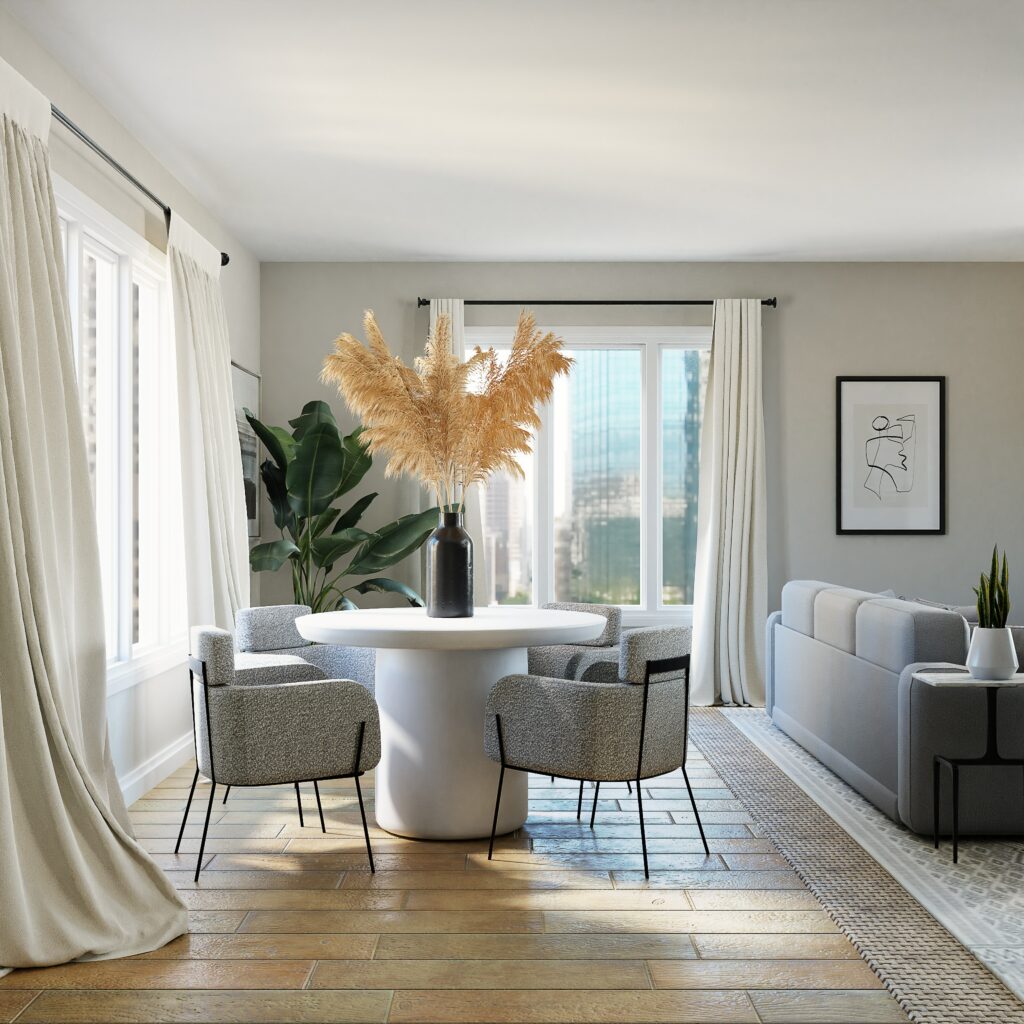
Best Curtain Fabrics for French Style
Velvet
Heavy linen
Silk blends
Jacquard fabrics
Weight is your friend here.
Ideal Colors
Warm beige
Soft taupe
Light gray
Dusty blue
Muted green
French interiors avoid harsh whites in favor of warmer neutrals.
Curtain Length & Fit
Always floor-length
Preferably touching or slightly pooling on the floor
Generous width for fullness
A slightly relaxed drape feels more authentic than something overly tailored.
Curtain Headers in French Interiors
Details matter.
Popular header styles include:
Pinch pleats
Goblet pleats
French pleats
These headers add vertical rhythm and elegance—especially in rooms with high ceilings.
French Style: Layering Is Key
French homes often layer:
Sheer curtains for daytime softness
Heavier drapes for evening privacy
This layering creates depth and allows the room to shift mood throughout the day.
Cream Style: Softness Over Statements
Cream style has become incredibly popular in recent years.
It’s cozy.
It’s calming.
It’s social-media friendly.
But it’s also easy to get wrong.
The Core Principle
Curtains should blend, not contrast.
Cream interiors rely on subtle variation—not bold moves.
Best Curtain Fabrics for Cream Style
Soft linen
Washed cotton
Textured sheers
Light chenille
Touch matters as much as appearance.
Ideal Colors
Cream
Ivory
Warm beige
Light oatmeal
Soft sand tones
Avoid anything too white or too yellow.
Cream Style Curtain Length & Shape
Floor-length is non-negotiable
Soft folds rather than sharp pleats
Gentle drape with natural movement
Curtains should feel like a continuation of the wall.
Sheer Curtains in Cream Interiors
Sheer curtains are almost essential in cream-style homes.
They:
Diffuse light softly
Enhance the cozy atmosphere
Add depth without visual weight
Choose sheers with visible texture rather than perfectly smooth finishes.
Matching Curtains With Walls, Not Furniture
One common mistake across all styles is matching curtains to furniture color.
A better approach:
Match curtains to wall tone
Or stay within the same color family
This keeps the visual flow calm and intentional.
Furniture can change.
Curtains anchor the space.
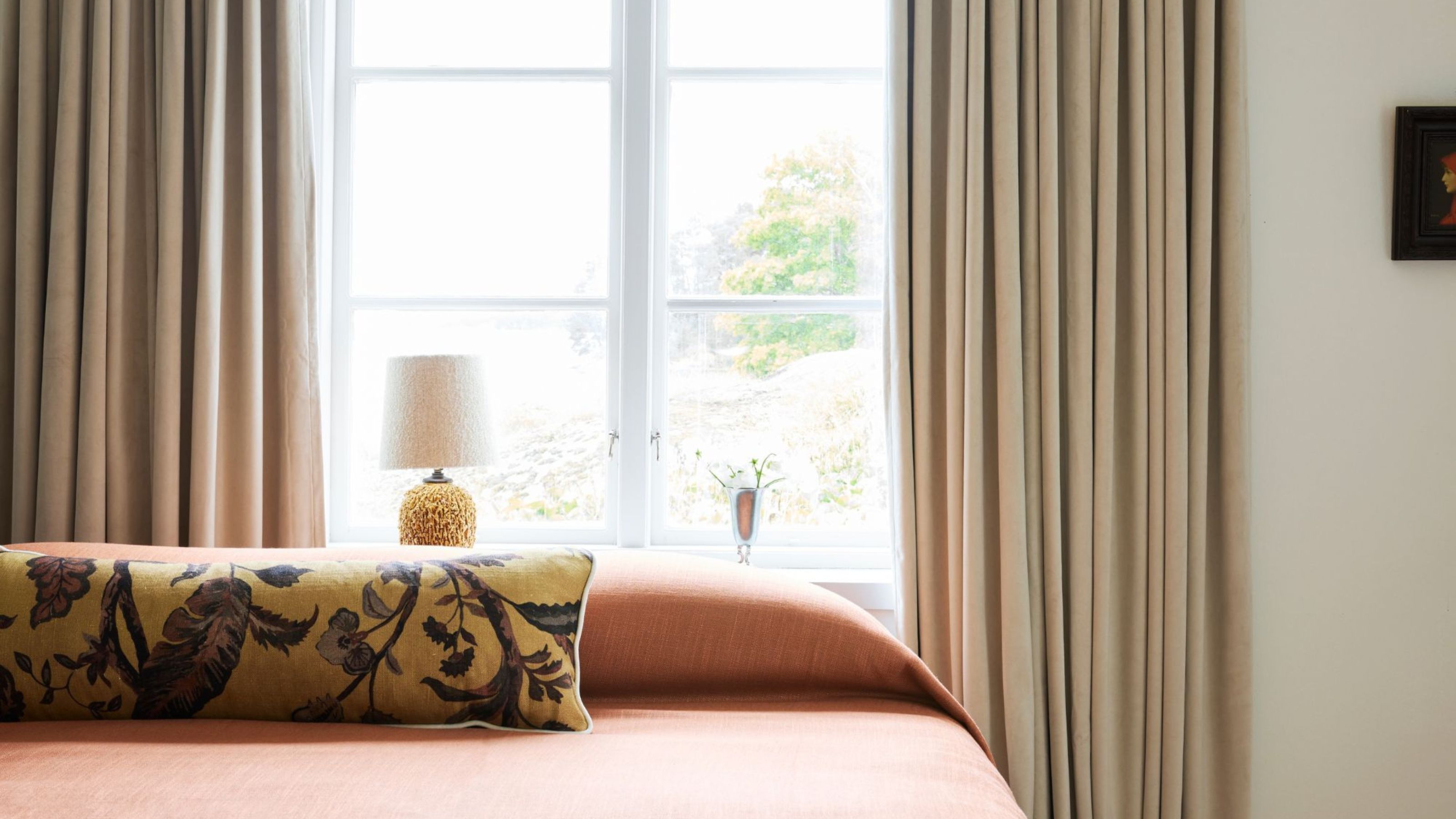
Ceiling Height Changes Everything
Curtain choice should always consider ceiling height.
Low Ceilings
Ceiling-mounted tracks
Light colors
Minimal pleats
High Ceilings
Fuller curtains
Heavier fabrics
Decorative headers
Proper installation can visually add inches—or even feet—to your room.
Patterned vs. Solid Curtains
For these three styles, solid or subtly textured curtains usually win.
Patterns can work, but:
Nordic: extremely subtle, if at all
French: classic patterns like damask or stripes
Cream: generally avoid patterns
When in doubt, texture beats print.
Blackout or Light-Filtering?
Function matters.
Living Rooms
Light-filtering curtains
Optional sheer layers
Bedrooms
Nordic: blackout behind sheers
French: heavy drapes with lining
Cream: lined curtains in soft tones
Modern blackout fabrics no longer need to look heavy or industrial.
Hardware Matters More Than You Think
Curtain rods and tracks should match the style.
Nordic: minimalist tracks or slim rods
French: decorative rods with classic finishes
Cream: concealed tracks or soft-toned rods
Shiny chrome often feels out of place in all three styles.
Custom Curtains vs. Ready-Made
Ready-made curtains can work—but custom curtains almost always look better.
Customization allows:
Perfect length
Proper fullness
Correct fabric choice
Clean installation
Especially in French and cream styles, custom curtains elevate the entire room.
Common Curtain Mistakes to Avoid
Hanging curtains too low
Choosing curtains that are too short
Using overly bold colors
Ignoring fabric texture
Treating curtains as decoration instead of structure
Curtains should support the room, not steal attention.
Mixing Styles Carefully
Modern homes often mix styles.
That’s okay.
If your space blends Nordic and cream:
Choose light, warm neutrals
Focus on texture
If your space blends French and modern:
Keep the color palette restrained
Let fabric weight do the talking
Curtains are one of the safest ways to unify mixed styles.
Final Thoughts: Curtains Complete the Story
Your interior style sets the tone.
Furniture builds the structure.
Lighting creates mood.
Curtains tie everything together.
Whether you love:
The calm clarity of Nordic design
The timeless elegance of French interiors
Or the soft comfort of cream-style homes
The right curtains don’t compete.
They quietly make everything else look better.
Choose them with intention—and your space will feel finished, not just furnished.
Need Help with Your Custom Project?
Have questions about materials, sizing, or looking for a quick quote? Drop us a message and our experts will respond within 24 hours.
Chat on WhatsApp
+1 (304) 356-6765
Send us an Email
hello@incustom.com
Picked for You