Spending Thousands on New Curtains: Can They Really Improve Your Quality of Life?

Mar 06 2026
When people think about improving their homes, they often imagine large renovations—new kitchens, upgraded bathrooms, or expensive furniture. Curtains rarely receive the same level of attention. They’re often treated as simple accessories that block sunlight or provide privacy.
But interior designers and homeowners who have upgraded their window treatments often share a different perspective: high-quality curtains can dramatically transform how a space looks, feels, and functions.
This raises an interesting question. If someone spends hundreds or even thousands of dollars replacing their curtains, can that investment truly improve daily living?
The answer depends on several factors, including design, materials, light control, and how the space is used. In many cases, upgrading window treatments does far more than change the look of a room—it can influence comfort, sleep quality, energy efficiency, and even mood.
This article explores how premium curtains affect everyday life and whether investing in better window treatments can genuinely elevate your living experience.
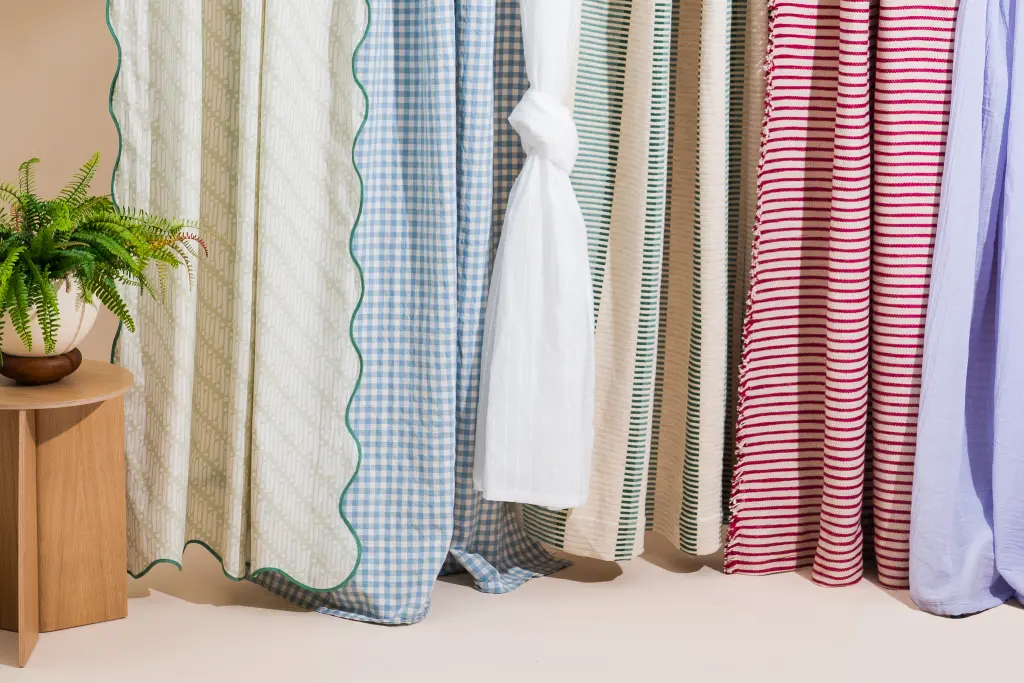
Curtains Are More Than Just Decoration
At first glance, curtains seem purely decorative. They add color, texture, and softness to a room.
However, curtains actually serve several important functional roles in a home:
Controlling natural light
Providing privacy
Improving insulation
Reducing outside noise
Enhancing interior design harmony
Because windows are one of the largest visual elements in most rooms, the treatments surrounding them have a major impact on the overall atmosphere.
Poorly chosen curtains can make a room feel unfinished, dark, or unbalanced. High-quality curtains, on the other hand, can create a polished and comfortable environment.
The Psychological Impact of a Well-Designed Space
Home environments influence how people feel every day. Lighting, textures, and colors all contribute to mood and stress levels.
Curtains play a surprisingly important role in this emotional landscape.
Soft fabrics and well-balanced light create a sense of calm and warmth. Natural daylight filtered through high-quality fabrics can make a space feel inviting rather than harsh.
When curtains complement the rest of the room’s design, they help create visual harmony. This subtle sense of order and balance can make daily routines feel more relaxing.
People often underestimate how much their surroundings influence their mental state.
Light Control: One of the Biggest Benefits
One of the most practical reasons to invest in better curtains is improved light control.
Different types of curtains provide different lighting effects:
Sheer Curtains
Sheer fabrics allow natural light to enter while diffusing brightness. They create a soft glow that makes rooms feel airy and open.
Light-Filtering Curtains
These curtains reduce glare without fully blocking daylight. They are ideal for living rooms, kitchens, and workspaces.
Blackout Curtains
Blackout materials block nearly all outside light. They are especially beneficial for bedrooms, nurseries, and media rooms.
Proper light control helps people adapt their spaces to different activities throughout the day.
Better Sleep Through Improved Window Treatments
Sleep quality is closely linked to light exposure.
Artificial lighting and streetlights can interfere with the body’s natural sleep cycle. Poor curtains often allow light to leak into the bedroom during the night or early morning.
High-quality blackout curtains help maintain a dark sleeping environment.
This can lead to:
Deeper sleep
Fewer nighttime disruptions
More consistent sleep schedules
Many people report noticeable improvements in rest after upgrading bedroom window treatments.
Temperature Control and Energy Efficiency
Curtains also influence indoor temperature.
Windows are one of the biggest sources of heat gain in summer and heat loss in winter. Thick, well-designed curtains help regulate indoor conditions by acting as an additional insulating layer.
In colder months, thermal curtains reduce heat loss through glass. During hot weather, they block sunlight that would otherwise warm the room.
Over time, this can contribute to lower heating and cooling costs.
While curtains alone won’t replace insulation or efficient windows, they can significantly improve energy efficiency.
Noise Reduction for a Quieter Home
Urban environments often come with constant background noise—traffic, construction, and neighborhood activity.
Heavy curtains can help reduce sound transmission from outside.
Thick fabrics absorb some of the vibrations that travel through windows, making interior spaces quieter.
This effect is particularly valuable for:
Apartments in busy areas
Homes near streets or highways
Bedrooms where silence is important
Even a small reduction in noise can make a noticeable difference in comfort.
Privacy Without Sacrificing Natural Light
Privacy is another key function of curtains.
In densely populated neighborhoods, large windows can make residents feel exposed. Many people respond by closing blinds completely, which also blocks natural light.
Layered curtain systems offer a better solution.
For example:
Sheer curtains provide daytime privacy while letting light in
Heavier outer curtains can be closed at night
This flexibility allows homeowners to maintain privacy without living in a dark space.
A Major Upgrade for Interior Design
One of the most immediate effects of replacing curtains is visual transformation.
Windows are focal points in most rooms. When curtains are outdated, poorly sized, or mismatched with the decor, they can make an entire space look unfinished.
High-quality curtains can:
Add texture and depth
Frame windows elegantly
Complement furniture and color schemes
Create a more cohesive design
Interior designers often treat curtains as an architectural element rather than an accessory.
The right fabric and length can make ceilings appear higher and rooms feel larger.
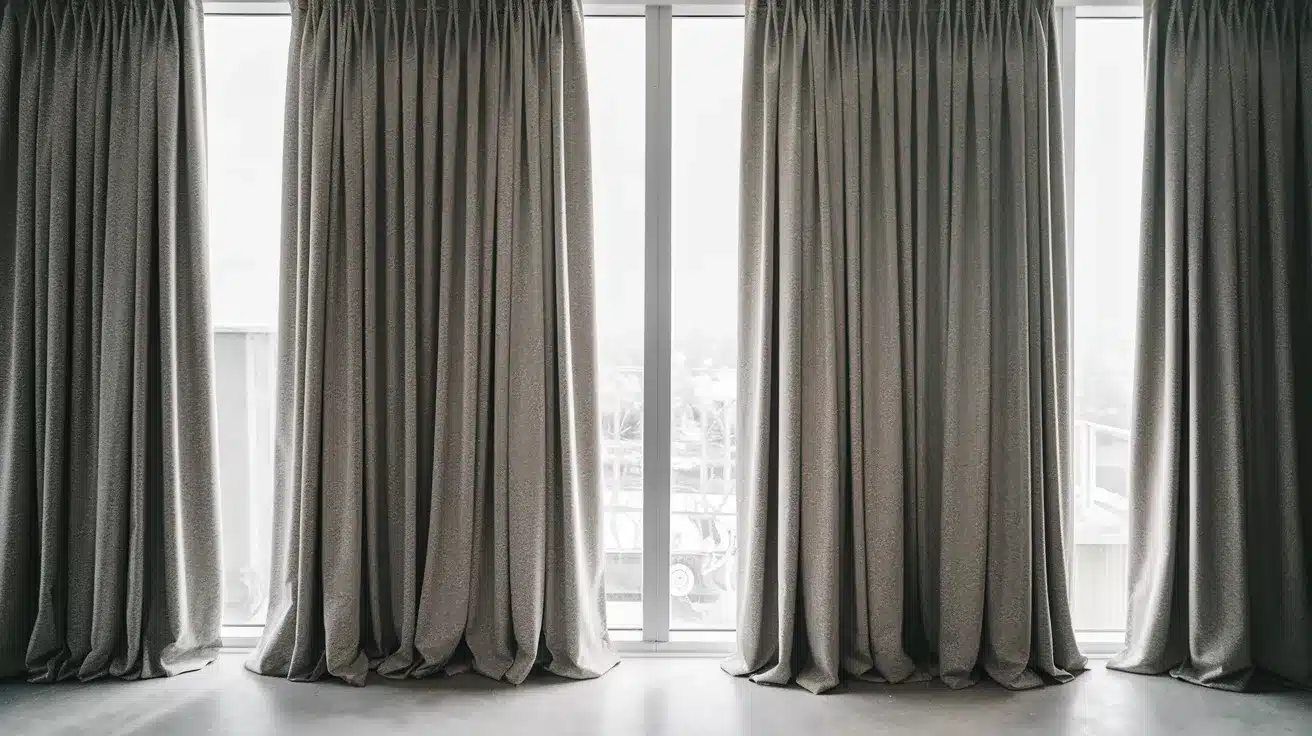
Custom Curtains vs. Ready-Made Options
When people spend significant amounts on curtains, they are often choosing custom window treatments.
Custom curtains are designed specifically for the dimensions and style of a room.
Benefits include:
Perfect fit for unusual window sizes
Higher-quality materials
Greater fabric selection
More precise light control
Ready-made curtains are more affordable, but they sometimes compromise on fit and fabric quality.
Custom options allow homeowners to tailor every detail to their space.
Long-Term Durability
Higher-end curtains often last much longer than inexpensive alternatives.
Better fabrics resist fading, fraying, and deformation. Quality stitching and lining improve structural integrity.
Instead of replacing cheap curtains every few years, homeowners may keep premium curtains for a decade or longer.
In this sense, the upfront investment can actually reduce long-term costs.
Curtains as a Lifestyle Upgrade
Home improvements are not only about functionality—they are also about lifestyle.
Small changes in the home environment can affect daily routines in meaningful ways.
For example:
Soft morning light through sheer curtains can create a calm start to the day
Blackout curtains support deeper sleep
Beautiful fabrics enhance the visual comfort of a room
These experiences accumulate over time, subtly improving everyday life.
When Expensive Curtains Might Not Be Worth It
Despite their benefits, premium curtains aren’t always necessary.
In some situations, spending large amounts may not produce significant improvements.
Examples include:
Temporary living spaces
Rooms that receive little natural light
Windows rarely used for privacy or temperature control
In these cases, simpler window treatments may be sufficient.
The value of expensive curtains depends on how much they influence the space’s daily use.
Choosing Curtains That Truly Improve Your Space
If you decide to invest in new curtains, thoughtful selection is essential.
Consider these factors:
Fabric
Different fabrics affect light transmission, texture, and durability.
Length
Floor-length curtains often create a more elegant look than shorter designs.
Layering
Combining sheer and heavier curtains provides flexibility.
Color and Pattern
Curtains should complement the overall design without overwhelming the room.
Hardware
Curtain rods and tracks should match the aesthetic and support the weight of the fabric.
These details determine whether curtains simply decorate a window or truly transform a space.
Real-Life Scenarios Where Curtains Make a Big Difference
Certain rooms benefit especially from high-quality curtains.
Bedrooms
Blackout curtains help maintain darkness and improve sleep quality.
Living Rooms
Light-filtering curtains create a welcoming environment for relaxing and entertaining.
Home Offices
Proper window treatments reduce screen glare while maintaining natural light.
Dining Areas
Elegant curtains can elevate the atmosphere for gatherings and meals.
In these spaces, upgraded curtains often produce noticeable lifestyle improvements.
The Emotional Value of a Comfortable Home
Many home upgrades are justified not only by practicality but also by emotional satisfaction.
A well-designed home environment can:
Reduce stress
Encourage relaxation
Improve focus and productivity
Make social gatherings more enjoyable
Curtains may seem like a small element, but they contribute significantly to the atmosphere of a room.
When everything—from lighting to fabric textures—works together harmoniously, the entire home feels more comfortable.
Final Thoughts
Spending thousands on new curtains might initially sound excessive. After all, curtains are often viewed as simple decorative pieces.
But when you consider their impact on light control, privacy, insulation, noise reduction, sleep quality, and interior design, their importance becomes much clearer.
High-quality curtains do more than cover windows. They shape how natural light enters your home, influence how comfortable rooms feel, and contribute to the overall atmosphere of your living space.
For homeowners who value comfort, aesthetics, and functionality, upgrading curtains can be one of the most surprisingly effective home improvements.
In the end, the question isn’t just whether expensive curtains look better.
It’s whether they make your home feel better to live in—and for many people, the answer is yes.
Need Help with Your Custom Project?
Have questions about materials, sizing, or looking for a quick quote? Drop us a message and our experts will respond within 24 hours.
Chat on WhatsApp
+1 (304) 356-6765
Send us an Email
hello@incustom.com
Picked for You