
Curtains are one of the most underestimated elements in home design. Many homeowners spend weeks choosing furniture, flooring, or wall colors but make rushed decisions when it comes to window treatments. The result? Curtains that fade quickly, trap heat, collect dust, or simply fail to function the way people expect.
In 2026, curtain shopping has become even more complicated. Online marketplaces offer thousands of options, new fabric technologies promise smart performance, and social media trends often prioritize appearance over practicality. A curtain that looks stunning in photos may become a daily frustration in real life.
If you want curtains that truly improve comfort, lighting, privacy, and energy efficiency, fabric choice matters more than color or style.
This comprehensive guide walks through a complete curtain buying checklist for 2026 — including three fabric types experts recommend avoiding, why they often disappoint homeowners, and smarter alternatives that perform better long-term.
Why Curtain Fabric Matters More Than Ever
Curtains today serve multiple purposes beyond decoration.
Modern households rely on curtains for:
Light control
Temperature regulation
Privacy protection
Noise reduction
Energy savings
Interior design balance
Choosing the wrong material can affect sleep quality, electricity bills, and even furniture lifespan due to sun exposure.
Unlike furniture that stays relatively static, curtains interact constantly with sunlight, airflow, humidity, and daily movement. Fabric durability and performance therefore matter enormously.
The Biggest Mistake Buyers Make in 2026
The most common mistake is buying curtains based only on appearance.
Online listings often highlight:
dramatic folds
bright colors
staged lighting
professional photography
But rarely show:
how fabric behaves after washing
real light-blocking ability
long-term fading
wrinkle resistance
dust accumulation
A beautiful curtain that performs poorly quickly becomes an expensive replacement project.
Understanding Curtain Fabric Categories
Before discussing which fabrics to avoid, it helps to understand the main curtain material families.
Natural Fabrics
Cotton
Linen
Silk
Wool blends
Pros:
breathable
natural texture
timeless aesthetics
Cons:
prone to shrinking or fading
Synthetic Fabrics
Polyester
Acrylic
Nylon blends
Pros:
durable
affordable
easy maintenance
Cons:
quality varies dramatically
Technical or Performance Fabrics (Growing Trend in 2026)
thermal-insulated textiles
blackout composites
UV-resistant weaves
recycled performance fibers
These combine function with modern design.
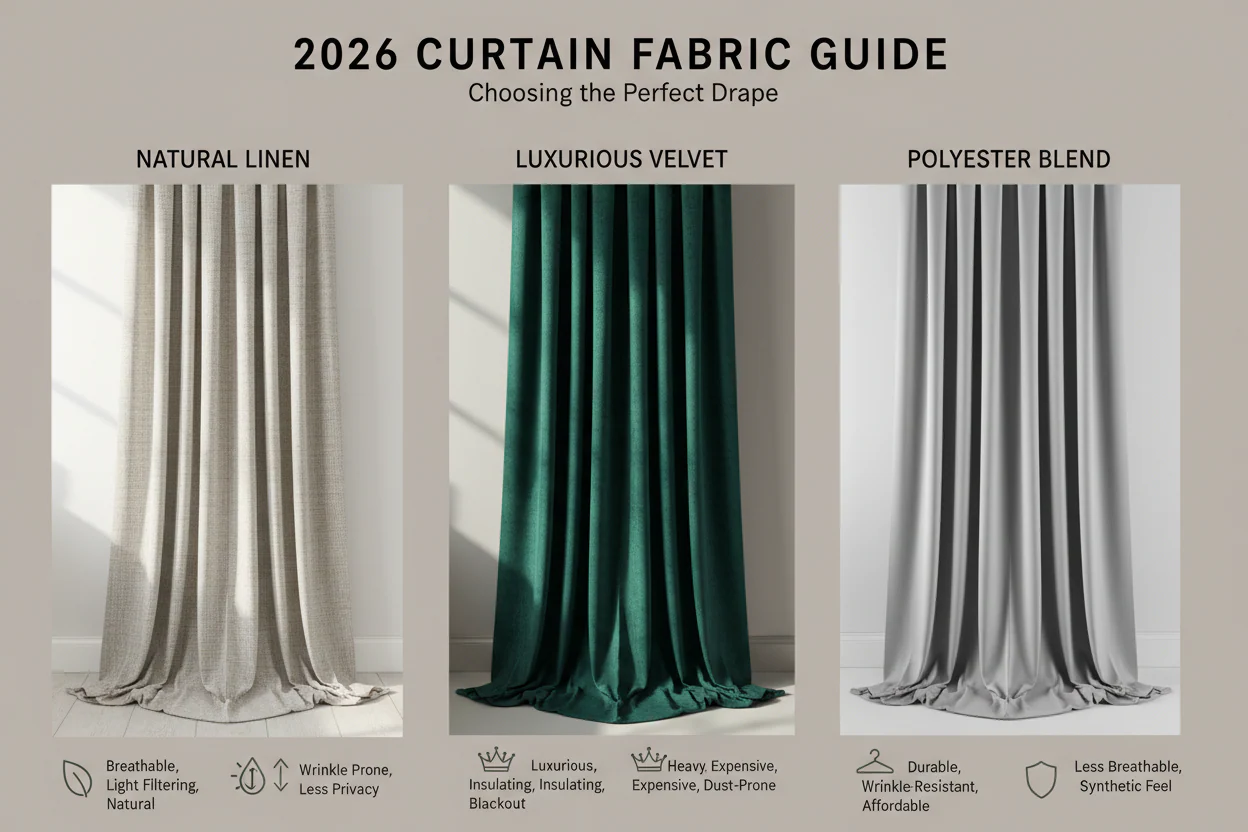
Fabric #1 to Avoid: Ultra-Thin Cheap Polyester
At first glance, polyester sounds like a safe choice. Many high-quality curtains use polyester blends successfully. The problem lies in ultra-thin, low-density polyester fabrics often marketed as budget blackout or decorative curtains.
Why It Looks Attractive
Low price
Smooth appearance online
Lightweight shipping
Wide color selection
But real-world performance often disappoints.
Common Problems
1. Poor Light Blocking
Thin polyester frequently claims blackout performance but only dims light slightly. Bedrooms remain bright at sunrise, defeating the purpose.
2. Static and Dust Attraction
Low-grade synthetic fibers build static electricity, attracting dust and pet hair — especially problematic in dry indoor environments.
3. Fast UV Degradation
Sunlight breaks down cheap polyester quickly, leading to:
fading
brittleness
uneven discoloration
Within a year, panels may look worn.
4. Cheap Drape Behavior
Instead of elegant folds, thin fabric hangs stiffly or wrinkles permanently.
Better Alternative
Choose:
high-density polyester blends
triple-weave blackout fabric
lined curtains
Weight and weave density matter far more than fiber name alone.
Fabric #2 to Avoid: Pure Linen Without Lining
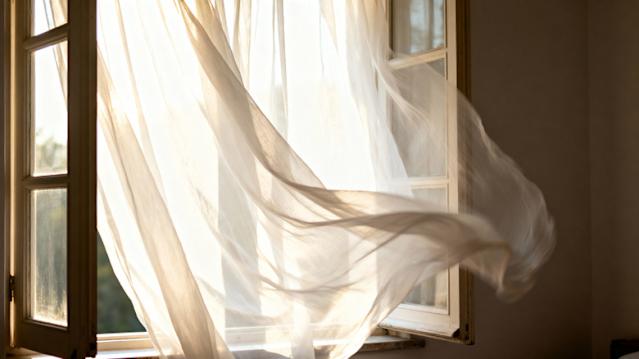
Linen remains a social-media favorite thanks to its relaxed, natural aesthetic. However, unlined linen curtains frequently cause buyer regret.
Why Linen Is Popular
organic texture
airy appearance
minimalist appeal
coastal and modern interior compatibility
But aesthetics don’t equal functionality.
The Hidden Issues
1. Extreme Wrinkling
Pure linen wrinkles easily and rarely hangs smoothly after washing.
2. Weak Light Control
Unlined linen allows strong sunlight through, reducing privacy and increasing indoor heat.
3. Shrinkage Risk
Improper cleaning can permanently alter curtain length.
4. Color Fading
Natural fibers fade faster when exposed to strong UV light.
When Linen Works
Linen performs well when:
blended with other fibers
paired with blackout lining
used in low-sunlight rooms
Better Alternative
Look for:
linen-poly blends
lined linen curtains
textured performance fabrics that mimic linen appearance
You keep the aesthetic while improving durability.
Fabric #3 to Avoid: Low-Quality Velvet Imitations
Velvet curtains look luxurious and dramatic, but many inexpensive versions create serious problems.
Why Buyers Choose Velvet
rich appearance
hotel-inspired interiors
strong light blocking
perceived luxury
However, budget velvet often uses short synthetic pile fibers that degrade quickly.
Common Failures
1. Crushing and Permanent Marks
Cheap velvet loses texture where touched or folded, creating uneven patches.
2. Dust Retention
Velvet attracts dust more than smoother fabrics, increasing maintenance.
3. Heat Retention Problems
Heavy synthetic velvet can trap heat excessively, making rooms uncomfortable.
4. Difficult Cleaning
Low-quality velvet cannot tolerate standard washing and may require professional cleaning.
Better Alternative
Consider:
performance velvet blends
microfiber blackout curtains
thermal woven fabrics with soft texture
These provide luxury appearance with practical maintenance.
The 2026 Curtain Buying Checklist
To avoid disappointment, evaluate curtains using this practical checklist.
1. Check Fabric Weight
Heavier fabrics usually indicate better durability and light control.
Look for:
GSM (grams per square meter) ratings when available
structured folds rather than limp draping
2. Understand Light Filtering Levels
Common categories include:
Sheer – decorative only
Light filtering – soft daylight
Room darkening – reduced brightness
Blackout – near-total darkness
Many listings misuse these terms, so read specifications carefully.
3. Always Consider Lining
Lining improves:
insulation
longevity
light blocking
fabric protection
Even decorative curtains benefit from lining.
4. Measure Beyond Window Width
For proper fullness:
Curtain width should equal 1.5–2.5× window width.
Flat curtains often look cheap regardless of fabric quality.
5. Evaluate Maintenance Needs
Ask:
Is it machine washable?
Will it wrinkle easily?
Does it attract dust?
Can it handle sunlight exposure?
Practicality matters as much as style.
Fabric Trends Dominating Curtains in 2026
Several materials are replacing problematic fabrics.
Thermal Performance Fabrics
Designed to reduce energy loss, these help stabilize indoor temperatures year-round.
Benefits:
lower cooling costs
improved winter insulation
Recycled Fiber Curtains
Eco-conscious buyers increasingly choose recycled polyester made from post-consumer materials.
Modern versions feel soft while maintaining durability.
Smart Light-Control Textiles
New weaving techniques allow fabrics to diffuse light evenly rather than simply blocking it.
Result:
softer ambiance
reduced glare
improved comfort for screen use
Matching Fabric to Room Function
Different rooms require different curtain behavior.
Bedroom
Best choices:
blackout lined fabrics
dense weaves
thermal materials
Avoid sheer or thin polyester.
Living Room
Best choices:
layered curtains
textured blends
light-filtering materials
Balance aesthetics and sunlight control.
Kitchen
Best choices:
washable synthetics
moisture-resistant fabrics
Avoid heavy velvet or delicate linen.
Home Office
Best choices:
glare-reducing fabrics
medium-density curtains
Helps reduce eye strain during computer work.
Hidden Costs of Choosing the Wrong Fabric
Poor fabric choices lead to:
frequent replacements
higher energy bills
faded furniture
uncomfortable lighting conditions
Spending slightly more upfront often saves money long term.
Online Shopping Tips for Curtain Buyers
Since many curtains are purchased online in 2026, follow these strategies:
Read negative reviews first
Look for real customer photos
Check fabric composition percentages
Confirm return policies
Avoid listings with vague material descriptions
Transparency usually signals higher product quality.
How Color Interacts With Fabric Performance
Fabric choice influences color longevity.
Dark colors:
block more light
fade faster if fabric quality is poor
Light colors:
reflect heat
show stains more easily
Quality dye processes matter more than color itself.
Curtain Hardware Matters Too
Even excellent fabric performs poorly with weak hardware.
Choose rods that support curtain weight without bending, especially for heavier materials.
Proper installation improves drape and lifespan.
Sustainability Considerations in 2026
Consumers increasingly consider environmental impact.
Better choices include:
durable fabrics that last years
recyclable synthetic blends
locally produced textiles
Avoid disposable décor trends that require frequent replacement.
Signs You’ve Chosen the Right Curtains
Good curtains should:
hang smoothly without constant adjustment
maintain color after months of sunlight
improve room comfort immediately
require minimal maintenance
complement lighting throughout the day
If you stop noticing them after installation, that’s usually a success.
Final Thoughts: Smart Curtain Buying Is About Function First
The curtain market in 2026 offers more options than ever, but more choice also means more potential mistakes. The three fabrics most likely to disappoint buyers — ultra-thin polyester, unlined pure linen, and low-quality velvet imitations — share one common problem: they prioritize appearance over performance.
Beautiful curtains should also work hard behind the scenes, managing light, temperature, and comfort every single day.
By focusing on fabric density, lining quality, durability, and room function instead of trends alone, homeowners can avoid costly replacements and create interiors that feel comfortable year-round.
Curtains are not just decorative accessories. They are functional architectural elements that shape how a home feels morning to night.
And in 2026, the smartest curtain purchase isn’t the one that looks best online — it’s the one that continues performing beautifully long after installation.
Need Help with Your Custom Project?
Have questions about materials, sizing, or looking for a quick quote? Drop us a message and our experts will respond within 24 hours.
Chat on WhatsApp
+1 (304) 356-6765
Send us an Email
hello@incustom.com
Picked for You