
Sunlight has a way of transforming a space. It brightens rooms, lifts moods, and highlights the textures and colors that make a house feel like home. But behind that warm glow lies a quiet, persistent threat—ultraviolet (UV) radiation.
While most people associate UV damage with skin or furniture, one of the most overlooked victims is your curtains. Day after day, they absorb direct sunlight, acting as the first line of defense for your interiors. Over time, that exposure can lead to fading, weakening fibers, and a noticeable loss of visual appeal.
If you’ve ever noticed your once-vibrant curtains looking dull, uneven in color, or brittle to the touch, UV damage is likely the culprit.
The good news? With the right strategies, you can significantly slow down this process and preserve both the beauty and function of your curtains for years.
This guide explores why UV damage happens, how it affects different fabrics, and the most effective ways to protect your curtains from fading and deterioration.
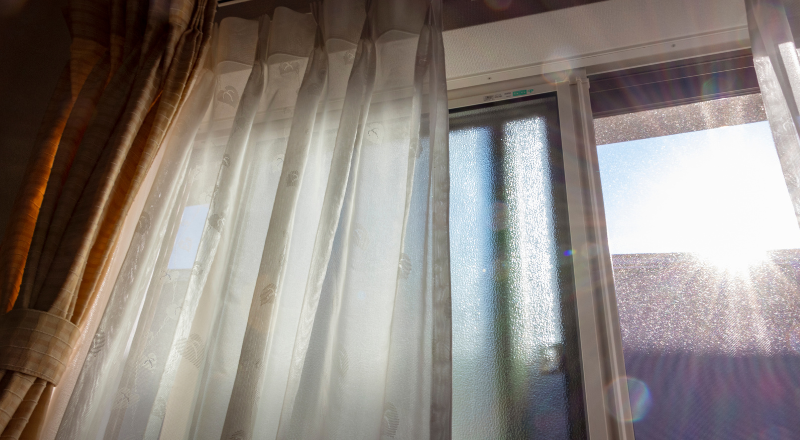
Understanding UV Damage: What’s Really Happening?
Sunlight contains different types of radiation, but the most damaging to fabrics is ultraviolet (UV) light—particularly UVA rays.
When UV rays hit fabric, they trigger a chemical reaction that breaks down the molecular bonds in dyes and fibers. This leads to:
Color fading (dyes lose their vibrancy)
Fiber degradation (materials become weaker and more brittle)
Uneven discoloration (areas exposed to more sunlight fade faster)
Unlike surface dirt or stains, UV damage is cumulative and irreversible. Once the color fades or fibers weaken, it can’t be restored—only prevented or slowed.
Why Curtains Are Especially Vulnerable
Curtains are uniquely exposed to sunlight compared to other home textiles.
They often:
Hang directly in front of windows
Remain exposed for hours each day
Receive concentrated sunlight during peak hours
In many homes, south- and west-facing windows can expose curtains to intense sunlight for extended periods, accelerating wear.
Additionally, thin or lightweight fabrics offer little natural resistance to UV rays, making them even more susceptible.
Factors That Influence UV Damage
Not all curtains fade at the same rate. Several factors determine how quickly damage occurs.
1. Fabric Type
Different materials react differently to UV exposure.
Natural fibers (cotton, linen, silk): Tend to fade faster and weaken more quickly
Synthetic fibers (polyester, acrylic): Generally more UV-resistant
Silk, in particular, is highly sensitive and can deteriorate rapidly without protection.
2. Dye Quality
High-quality, UV-stable dyes last longer than cheaper alternatives.
Lower-quality dyes break down faster, leading to noticeable fading even within months.
3. Color Intensity
Darker and more vibrant colors often show fading more dramatically than lighter tones.
Deep reds, blues, and purples are especially prone to visible change.
4. Sun Exposure Duration
The longer curtains are exposed to direct sunlight each day, the faster damage accumulates.
5. Environmental Conditions
Heat, humidity, and air quality can all influence how quickly fabrics degrade.
Early Signs of UV Damage
Catching UV damage early can help you take action before it worsens.
Watch for:
Slight color dullness
Uneven shading across panels
Fabric feeling thinner or weaker
Edges fading faster than inner areas
These subtle changes often appear gradually, making them easy to overlook until the damage becomes obvious.
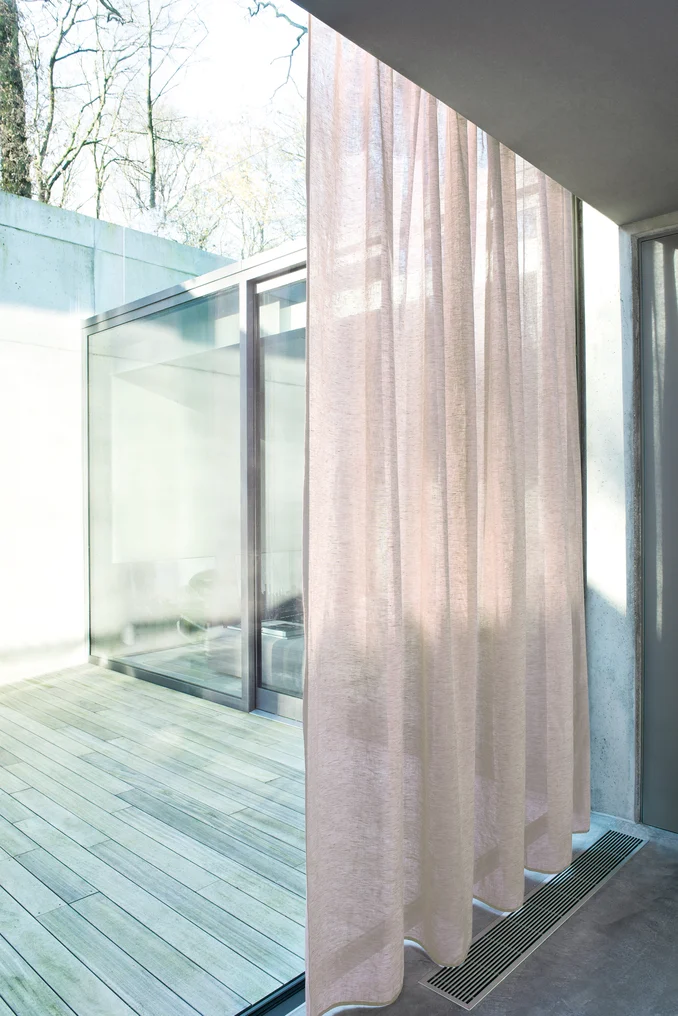
Practical Ways to Protect Your Curtains
Preventing UV damage doesn’t require blocking out sunlight entirely. Instead, it’s about managing exposure intelligently.
1. Use Window Films
One of the most effective solutions is applying UV-blocking window film.
These films:
Reduce UV penetration significantly
Maintain natural light
Help regulate indoor temperature
They act as an invisible shield, protecting not just curtains but also furniture and flooring.
2. Add a Protective Lining
Curtain linings serve as a sacrificial layer between sunlight and the decorative fabric.
Options include:
Standard lining
Blackout lining
Thermal lining
Blackout and thermal linings provide the highest level of protection.
3. Rotate Your Curtains
If your curtains are symmetrical, periodically rotating or swapping panels can help distribute exposure evenly.
This prevents one side from fading more than the other.
4. Layer Window Treatments
Combining multiple layers adds flexibility and protection.
For example:
Sheer curtains to diffuse light
Heavier drapes for full coverage
During peak sunlight hours, you can close the outer layer to shield inner fabrics.
5. Control Sunlight with Blinds or Shades
Using blinds or shades during the brightest parts of the day reduces direct exposure.
Even partial closure can significantly cut UV intensity.
6. Choose UV-Resistant Fabrics
When purchasing new curtains, consider materials specifically designed to resist fading.
Look for:
Solution-dyed fabrics
UV-treated textiles
Outdoor-rated materials
These options are engineered to withstand prolonged sun exposure.
7. Keep Curtains Clean
Dust and pollutants can accelerate fabric breakdown when combined with UV exposure.
Regular cleaning helps maintain fabric integrity.
Follow care instructions carefully to avoid additional wear.
8. Avoid Constant Full Exposure
If possible, adjust your routine:
Close curtains during midday
Open them in the morning or evening instead
This simple habit reduces cumulative UV damage.
9. Consider Interior Layout Changes
Rearranging furniture or decor can reduce how much sunlight directly hits your curtains.
Even small adjustments can make a difference over time.
10. Invest in Quality Hardware
Proper curtain rods and tracks ensure smooth movement, making it easier to open and close curtains regularly.
If adjusting your curtains feels effortless, you’re more likely to do it consistently.
Long-Term Maintenance Strategies
Protecting curtains isn’t a one-time task—it’s an ongoing process.
Seasonal Adjustments
Sunlight angles change throughout the year.
Reevaluate your setup seasonally to ensure optimal protection.
Routine Inspections
Every few months, check for:
Fading
Weak spots
Stitching issues
Addressing small problems early prevents larger ones later.
Replacement Planning
Even with the best care, curtains won’t last forever.
Planning for replacement every few years—depending on exposure and material—helps maintain your home’s aesthetic.
Balancing Light and Protection
One common concern is losing natural light while trying to protect interiors.
The goal isn’t to darken your home completely, but to filter and manage light effectively.
By combining solutions like:
Window films
Sheer layers
Timed adjustments
you can enjoy bright spaces without sacrificing your curtains.
The Bigger Picture: Protecting Your Entire Interior
Curtains are just one part of the equation.
UV rays also affect:
Upholstery
Flooring
Artwork
By implementing protective measures, you’re preserving the entire environment—not just one element.
Final Thoughts
UV damage is a slow, silent process—but its effects are unmistakable once they appear.
Faded curtains, weakened fabrics, and uneven color can diminish the look and feel of an otherwise beautiful space.
The key is awareness and prevention.
By understanding how UV exposure affects your curtains and taking proactive steps—like adding linings, using window films, and managing sunlight—you can extend their lifespan and keep them looking vibrant for years.
Sunlight should enhance your home, not quietly wear it down.
With the right approach, you can enjoy the best of both worlds: bright, inviting spaces and curtains that stand the test of time.
Need Help with Your Custom Project?
Have questions about materials, sizing, or looking for a quick quote? Drop us a message and our experts will respond within 24 hours.
Chat on WhatsApp
+1 (304) 356-6765
Send us an Email
hello@incustom.com
Picked for You