The Orientation Masterclass: How to Choose Curtains Based on Compass Directions (And the Ultimate East-West Blackout Guide)

Feb 12 2026
Windows are the "eyes" of your home, but without the right treatment, they can quickly become sources of frustration. Have you ever sat down for dinner only to be blinded by a piercing orange glare? Or perhaps you’ve noticed your favorite navy blue armchair is slowly turning a ghostly shade of grey thanks to sun bleaching?
Choosing curtains isn't just about picking a fabric that matches your throw pillows. It is a strategic decision based on solar geometry. The way your room faces determines the temperature, the mood, and the longevity of your furniture.
In this comprehensive guide, we will break down the "curtain logic" for every compass direction, culminating in our professional "Blackout Secrets" for those notoriously difficult east-west facing rooms.
1. The Physics of Light: Why Orientation Matters
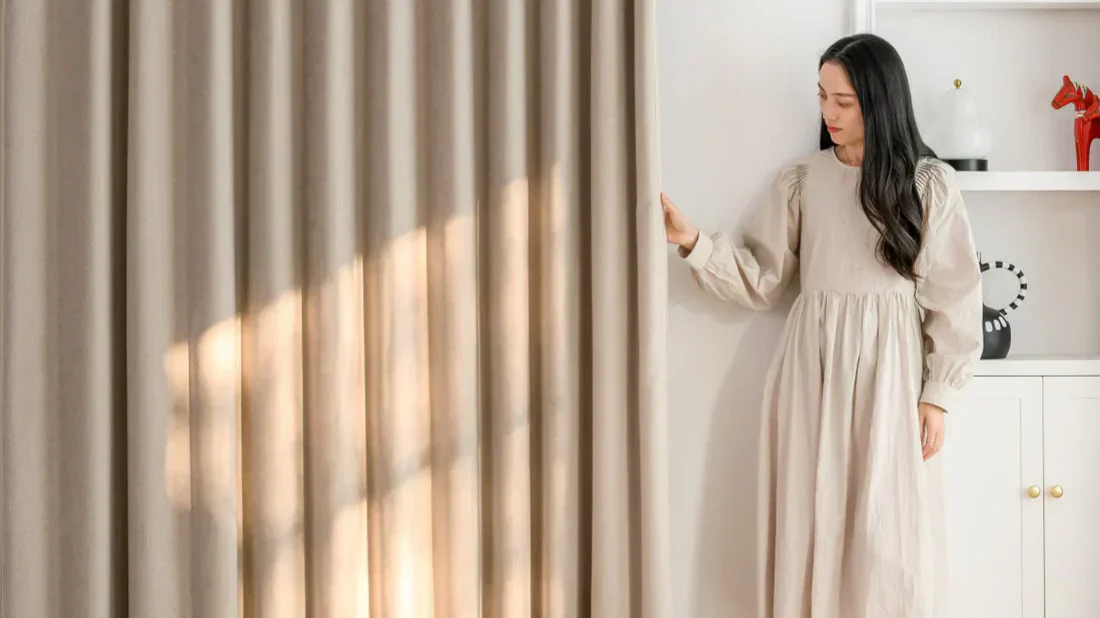
Before we look at fabrics, we must understand the sun’s path. The sun's angle changes not just by the hour, but by the season. A window that feels "perfect" in the winter might become a "furnace" in July.
UV Radiation: This is the invisible enemy. Constant exposure to UV rays breaks down chemical bonds in fabric dyes and wood finishes.
Solar Heat Gain: This is the "greenhouse effect" in your living room. Infrared light enters through the glass and gets trapped, skyrocketing your AC bills.
Glare and Contrast: Harsh light creates deep shadows, making it difficult to see screens or enjoy a conversation.
2. The Four-Point Guide to Window Orientation
North-Facing Rooms: The Artist’s Light
North-facing windows receive consistent, cool, and diffused light throughout the day. You never get direct "sunbeams," which makes these rooms ideal for offices or art studios.
The Goal: Maximize light. Since there is no glare, you don't need heavy blocking.
Curtain Choice: Sheers and Laces. Use lightweight, translucent fabrics like linen or voile. These maintain privacy while inviting every drop of that soft northern glow inside.
Color Tip: Use "warm" tones (terracotta, soft gold, creamy beige) to counteract the naturally cool, blueish tint of northern light.
South-Facing Rooms: The Sun-Drenched Haven
South-facing rooms are the most coveted in the Northern Hemisphere. They receive strong, bright light for the majority of the day.
The Goal: Temperature control. These rooms get hot.
Curtain Choice: Layering is key. Use a solar shade to reflect UV rays paired with decorative drapes. Natural fibers like heavy cotton or silk blends work well here, but ensure they are lined to prevent the sun from "rotting" the fabric.
Color Tip: Cool tones (blues, greens, crisp whites) help the room feel mentally "cooler" during peak heat.
3. The East-West Challenge: Navigating the Extremes
East and west orientations are the most difficult to manage because they deal with low-angle light. When the sun is high (South), it hits the roof; when it is low (East/West), it shoots directly through the glass into your eyes.
The East-Facing Morning (The "Alarm Clock" Room)
East-facing bedrooms are beautiful at 6:00 AM—unless you want to sleep in. The light is intense but short-lived, fading by noon.
The Strategy: Transition. You need something that can go from "Total Blackout" to "Bright and Airy" quickly.
The West-Facing Afternoon (The "Heat Trap")
West-facing rooms are the biggest challenge. From 3:00 PM until sunset, these rooms absorb an incredible amount of heat. This is often when people are coming home from work, only to find their living room feels like a sauna.
The Strategy: Reflection and Insulation. You need to bounce the heat back outside before it penetrates the room.
4. The "Blackout Secrets" for East-West Rooms
If you are struggling with a room on the east-west axis, standard curtains will not suffice. You need a specialized approach. Here is the professional "Secret Sauce" for total light and heat mastery:
Secret #1: The "Three-Pass" Lining
Don't just buy "dark" curtains. Many people think black fabric equals blackout—this is a myth. Light can still leak through the weave of black polyester. Look for "3-Pass Blackout Lining." This involves a layer of white foam, a layer of black foam, and a final layer of white foam sprayed onto the back of the fabric. This creates a 100% light-tight seal.
Secret #2: The Wrap-Around Rod (The "French Return")
Most light leakage doesn't happen through the curtain; it happens around the edges. Standard rods leave a 2-3 inch gap between the wall and the fabric.
The Fix: Use a French Return Rod or a "Wrap-around" rod. These curve at the ends, allowing the curtain to touch the wall, effectively "sealing" the light out of the sides.
Secret #3: Thermal Interlining
For West-facing rooms, "Blackout" isn't enough; you need "Thermal." A thermal interlining acts like a literal blanket for your window. It creates an air pocket that prevents the hot glass from warming the air in your room. This can reduce your cooling costs by up to 25% in the summer.
Secret #4: The Double-Track System
This is the ultimate luxury setup for an East-facing bedroom.
Track 1 (Closest to glass): A heavy-duty blackout cellular shade or roller.
Track 2 (Room side): Beautiful, aesthetic drapes. During the morning, the blackout shade keeps the room dark. Once you’re awake, you raise the shade and keep the drapes open to enjoy the morning light.
5. Fabric Selection: Durability Meets Style
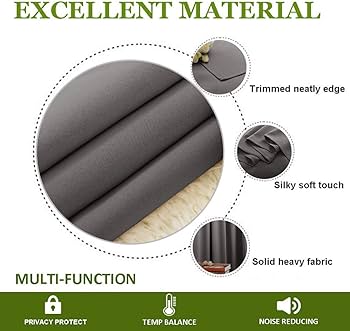
When dealing with high-sun orientations (South and West), your choice of material determines how often you’ll be replacing your window treatments.
6. The "Hidden" SEO of Interior Design: Functionality
When we design a room, we often think about the "look" first. However, true high-end design is functional. A west-facing TV room with "light-filtering" linen curtains is a failure of design because you won't be able to see the screen during the afternoon.
Pro Tip: Always test your fabric samples at the specific time of day when your room is brightest. Pin the sample to the window at 4:00 PM (for West) or 8:00 AM (for East) to see how the light transforms the color.
7. Final Checklist: Before You Buy
Identify the compass point: Use the compass app on your phone.
Measure the "Gap": Ensure your rod extends at least 6-10 inches past the window frame to prevent side-glare.
Check the Lining: Is it 1-pass, 2-pass, or 3-pass?
Consider Automation: For high West-facing windows, consider motorized tracks that close automatically at 3:00 PM to keep your house cool while you're at work.
Ready to transform your home's atmosphere?
Would you like me to help you calculate the exact yardage of fabric you’ll need based on your window measurements and desired "fullness" ratio?
Need Help with Your Custom Project?
Have questions about materials, sizing, or looking for a quick quote? Drop us a message and our experts will respond within 24 hours.
Chat on WhatsApp
+1 (304) 356-6765
Send us an Email
hello@incustom.com
Picked for You