Understanding Metal Grommets and Tie-Downs: How to Keep Your Tarp Secure in Any Condition

May 11 2026
A tarp may look simple at first glance, but anyone who has dealt with flapping covers, torn corners, water pooling, or wind damage knows that securing a tarp properly is both a science and an art.
Whether protecting construction materials, covering firewood, shielding outdoor equipment, securing cargo, creating temporary shelters, or protecting vehicles, tarps play a critical role in countless residential, commercial, industrial, and agricultural applications.
However, even the strongest waterproof tarp can fail if the fastening system is weak.
This is where metal grommets and tie-down systems become essential.
The durability, placement, material quality, and installation method of grommets directly affect how well a tarp withstands wind, tension, rain, UV exposure, and repeated use.
At the same time, selecting the right tie-down techniques and accessories determines whether a tarp remains tight and secure—or quickly becomes damaged.
This guide explores everything you need to know about tarp grommets and tie-down systems, including material types, installation methods, common mistakes, weather considerations, load distribution, maintenance practices, and expert strategies for maximizing tarp stability and lifespan.
Why Tarp Security Matters
Many people underestimate the importance of properly securing a tarp.
A loose or poorly fastened tarp can lead to serious problems:
Water leaks
Wind damage
Torn corners
Cargo exposure
Equipment damage
Safety hazards
Increased replacement costs
Structural stress
In high winds, an unsecured tarp acts like a sail.
Constant flapping creates tension around fastening points, especially near grommets.
Over time, repeated stress weakens both the tarp material and attachment hardware.
A properly secured tarp distributes force evenly and minimizes unnecessary movement.
This significantly increases durability.
What Are Metal Grommets?
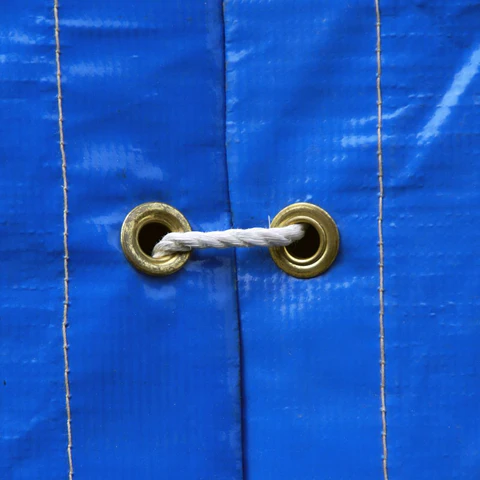
Metal grommets are reinforced rings installed along the edges or corners of tarps.
Their purpose is to create durable attachment points for ropes, bungee cords, hooks, straps, or fasteners.
Without grommets, fastening directly through tarp material would quickly cause tearing.
A properly installed grommet helps distribute tension across a wider surface area.
This reinforcement reduces stress concentration and improves long-term performance.
The Basic Anatomy of a Tarp Grommet
Although grommets appear simple, they contain several components.
Typical metal grommets include:
Outer flange
Inner washer
Reinforced crimped edge
Center opening
Together, these components clamp tightly around the tarp material.
High-quality installation prevents loosening and separation under tension.
Common Materials Used for Metal Grommets
Not all grommets are created equally.
The material used greatly affects corrosion resistance, strength, and durability.
Brass Grommets
Brass is one of the most popular materials for tarp grommets.
Advantages include:
Excellent corrosion resistance
Long lifespan
Attractive appearance
Reliable outdoor performance
Brass performs especially well in humid and marine environments.
Stainless Steel Grommets
Stainless steel offers superior strength and rust resistance.
Benefits include:
High tensile strength
Excellent durability
Resistance to saltwater exposure
Long-term structural integrity
These grommets are ideal for heavy-duty industrial or marine applications.
Aluminum Grommets
Aluminum is lightweight and corrosion-resistant.
However, it is generally softer than stainless steel.
Common uses include:
Lightweight tarps
Temporary covers
Recreational applications
Galvanized Steel Grommets
Galvanized steel provides affordability and moderate rust protection.
However, protective coatings may wear over time in harsh environments.
Why Grommet Placement Matters
The location and spacing of grommets significantly affect tarp performance.
Even Tension Distribution
Closely spaced grommets help distribute force more evenly.
This reduces stress concentrations.
Wind Resistance
Additional fastening points improve stability during strong winds.
Reduced Material Strain
Wider unsupported sections experience greater movement and stress.
Strategic grommet spacing minimizes tarp flexing.
Many heavy-duty tarps include grommets every 18 to 36 inches depending on intended use.
Reinforced Edges: The Foundation of Strong Grommets
Even the strongest grommet can fail if the surrounding tarp material is weak.
That is why reinforced hems are essential.
Most quality waterproof tarps feature:
Folded edges
Heat-sealed hems
Rope-reinforced borders
Multi-layer reinforcement
These features strengthen attachment zones and reduce tearing risks.
Understanding Tie-Down Systems
Grommets alone do not secure a tarp.
Tie-down systems provide the actual tension and anchoring force.
Different tie-down methods work better for specific applications.
Common tie-down options include:
Rope
Bungee cords
Ratchet straps
Ball bungees
Elastic cords
Carabiners
Hooks
Cam buckle straps
Zip ties
Selecting the correct system depends on weather exposure, load movement, tension requirements, and tarp size.
Rope Tie-Downs: Traditional and Reliable
Rope remains one of the oldest and most versatile tarp fastening methods.
Advantages include:
Adjustable tension
Wide availability
High strength
Flexibility
Cost-effectiveness
Popular rope materials include:
Nylon
Polyester
Polypropylene
Polyester rope performs especially well outdoors because it resists UV damage and stretching.
Bungee Cords: Flexibility Under Tension
Bungee cords provide elastic flexibility.
This elasticity helps absorb sudden wind loads.
Benefits include:
Shock absorption
Fast installation
Reduced tearing risk
Better movement tolerance
However, excessive stretching may reduce tarp stability during severe weather.
Low-quality bungees may also deteriorate under UV exposure.
Ratchet Straps for Heavy-Duty Applications
Ratchet straps provide superior tension control.
They are commonly used for:
Cargo tarping
Truck covers
Construction equipment
Large industrial tarps
Advantages include:
High load capacity
Tight secure fit
Minimal movement
Excellent wind resistance
However, overtightening can damage grommets or tarp material.
Balanced tension is critical.
Ball Bungees and Tarp Loops
Ball bungees are widely used for canopy tarps and temporary shelters.
Their design allows quick installation through grommets.
Advantages include:
Fast setup
Flexible tension
Easy removal
Reusability
They are particularly popular for:
Event tents
Market stalls
Shade covers
Camping shelters
Choosing the Right Tie-Down Method for Windy Conditions
Wind is one of the biggest threats to tarp stability.
Proper tie-down selection dramatically improves performance.
Use Multiple Anchor Points
Distributing force reduces strain on individual grommets.
Avoid Overstretching
Excessive movement increases wear.
Maintain Balanced Tension
Uneven tightening causes stress concentration.
Reduce Tarp Flapping
Flapping accelerates material fatigue.
Tight, stable installation extends tarp lifespan.
How Waterproof Tarps Fail Around Grommets
Many tarp failures begin at fastening points.
Common causes include:
Excessive tension
Poor reinforcement
Wind whipping
Rusted grommets
Sharp edges
Improper installation
UV degradation
Uneven load distribution
Understanding these risks helps prevent premature damage.
The Importance of Tension Distribution
Tension distribution is one of the most overlooked aspects of tarp installation.
When force concentrates on only a few grommets, tearing becomes much more likely.
Proper installation spreads load evenly across the entire tarp perimeter.
This principle becomes especially important for:
Large truck tarps
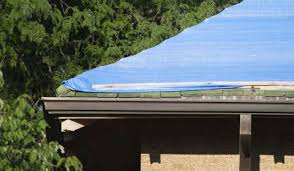
Roof covers
Agricultural tarps
Boat covers
Industrial containment systems
Waterproof Tarp Applications That Require Strong Grommets
Different industries rely heavily on durable fastening systems.
Construction Sites
Tarps protect:
Lumber
Cement
Roofing materials
Equipment
Scaffolding
Construction environments expose tarps to high winds, debris, and UV exposure.
Agriculture
Farm tarps protect:
Hay
Feed
Machinery
Crops
Livestock areas
Large agricultural covers require strong edge reinforcement.
Transportation and Trucking
Cargo tarps face intense wind pressure during highway travel.
Heavy-duty grommets and tie-downs are essential.
Marine Applications
Boat covers experience moisture, salt, UV radiation, and strong winds.
Corrosion-resistant hardware becomes especially important.
Camping and Outdoor Recreation
Shelters and rainfly systems rely on stable tension and reliable attachment points.
How UV Exposure Affects Tarp Hardware
Sunlight damages more than just tarp fabric.
UV exposure gradually weakens:
Elastic cords
Plastic hooks
Rubber coatings
Low-grade rope fibers
Metal grommets themselves may also become compromised if corrosion develops.
Using UV-resistant materials significantly improves outdoor durability.
Rust and Corrosion Prevention for Metal Grommets
Outdoor tarps constantly face moisture.
Preventing corrosion extends hardware lifespan.
Choose Corrosion-Resistant Materials
Stainless steel and brass perform best.
Dry Tarps Before Storage
Moisture trapped during storage accelerates rust.
Clean Salt Residue
Marine environments increase corrosion risk.
Rinse hardware regularly.
Inspect Hardware Periodically
Early rust detection prevents larger failures.
How to Properly Tighten a Tarp
Overtightening is a common mistake.
While a tarp should remain secure, excessive tension can:
Tear grommets
Distort edges
Stress seams
Damage anchor points
A properly tightened tarp should:
Minimize flapping
Maintain slight flexibility
Distribute force evenly
Avoid excessive strain at corners
Common Tarp Tie-Down Mistakes
Even experienced users make avoidable mistakes.
Using Too Few Anchor Points
Insufficient support increases localized stress.
Ignoring Wind Direction
Wind pressure shifts during storms.
Plan anchor placement accordingly.
Attaching to Weak Structures
Strong tie-downs are useless if anchor points fail.
Mixing Incompatible Hardware
Weak connectors can compromise the entire system.
Allowing Water Pooling
Standing water adds enormous weight.
Proper tarp angles improve drainage.
Preventing Water Pooling on Waterproof Tarps
Water accumulation creates dangerous stress.
Heavy pooling may:
Stretch tarp fabric
Damage grommets
Collapse support structures
Accelerate wear
Solutions include:
Creating center support peaks
Maintaining proper slope
Tightening sagging sections
Using support poles
Drainage is essential for long-term tarp performance.
Heavy-Duty vs Lightweight Tarps
Grommet requirements vary based on tarp thickness.
Lightweight Tarps
Typically used for:
Temporary covers
Light weather protection
Short-term projects
These tarps usually feature smaller grommets.
Heavy-Duty Tarps
Designed for:
Industrial use
Long-term outdoor exposure
High wind environments
Transportation applications
Heavy-duty tarps require stronger reinforcement and larger hardware.
Why Corner Reinforcement Is Critical
Corners experience the highest tension.
Without reinforcement, corner grommets often fail first.
Quality tarps include:
Multi-layer corner patches
Extra stitching
Reinforced hems
Additional anchor points
These features improve durability under stress.
Using Carabiners and Hooks with Tarp Grommets
Metal hooks and carabiners provide convenient attachment options.
Benefits include:
Fast setup
Easy adjustment
Strong holding power
Reusable connections
However, sharp or poorly finished hardware may damage grommets.
Choose smooth, corrosion-resistant components whenever possible.
The Role of Elasticity in Tarp Stability
Some flexibility actually improves tarp survival during storms.
Completely rigid systems may transfer excessive shock loads directly into grommets.
Controlled elasticity helps absorb:
Wind gusts
Structural movement
Vibration
Temperature expansion
Balanced flexibility improves overall system durability.
Tarp Security for Long-Term Outdoor Storage
Long-term outdoor tarp installations require extra planning.
Inspect Hardware Regularly
Weather gradually weakens components.
Retighten Periodically
Temperature changes affect tension.
Replace Damaged Components Early
Minor failures spread quickly.
Monitor Wind Exposure
Seasonal storms may require additional reinforcement.
Winter Considerations for Waterproof Tarps
Cold weather introduces additional challenges.
Snow and ice dramatically increase loads.
Important winter precautions include:
Removing snow accumulation
Maintaining drainage angles
Avoiding brittle low-temperature cords
Inspecting frozen hardware
Heavy snow can quickly overload weak fastening systems.
Marine and Coastal Tarp Challenges
Saltwater environments accelerate wear.
Common problems include:
Corrosion
UV damage
Constant moisture
Wind exposure
Marine-grade hardware becomes essential for boat covers and dock tarps.
Stainless steel and high-quality synthetic ropes perform best.
Emergency Tarp Shelters and Rapid Deployment
In emergency situations, tarp stability becomes especially important.
Disaster relief shelters, temporary roofing, and survival setups rely heavily on strong tie-down systems.
Rapid deployment requires:
Reliable grommets
Fast attachment methods
Lightweight hardware
Flexible anchoring options
Preparedness often depends on durable fastening systems.
Repairing Damaged Grommets
Damaged grommets do not always require full tarp replacement.
Repair options include:
Grommet repair kits
Patch reinforcement
Replacement washers
Adhesive repair systems
However, severely weakened fabric surrounding the grommet may still fail under load.
DIY Tarp Reinforcement Tips
Some users reinforce tarps for specialized applications.
Common reinforcement methods include:
Additional webbing
Edge straps
Corner patches
Secondary tie-down loops
Reinforced stitching
These upgrades improve performance under demanding conditions.
How to Store Tarps and Hardware Properly
Proper storage extends equipment lifespan.
Clean Before Storage
Remove dirt, salt, and moisture.
Dry Completely
Prevent mildew and corrosion.
Avoid Direct Sunlight
Long-term UV exposure weakens materials.
Store in Cool, Dry Areas
Temperature stability improves longevity.
Choosing Quality Over Price
Cheap tarps often fail at the fastening points first.
Higher-quality tarps typically include:
Better reinforcement
Stronger grommets
Improved stitching
UV-resistant materials
Higher tear resistance
While premium tarps cost more initially, they often last significantly longer.
The Future of Tarp Fastening Technology
Modern tarp systems continue evolving.
Innovations now include:
Reinforced polymer grommets
Integrated strap systems
Advanced corrosion coatings
Smart tension monitoring
High-strength synthetic materials
As industries demand stronger and lighter solutions, tarp hardware technology will continue improving.
Building a Reliable Tarp System
A dependable tarp setup involves more than simply buying a waterproof cover.
Successful systems combine:
Durable tarp materials
High-quality metal grommets
Reinforced edges
Appropriate tie-down methods
Proper tension distribution
Routine maintenance
Environmental awareness
Every component contributes to long-term stability.
Final Thoughts
Metal grommets and tie-down systems may seem like small details, but they play a massive role in tarp performance, durability, and safety.
Whether covering equipment, protecting cargo, creating shelters, or securing outdoor materials, the quality of your fastening system often determines whether a tarp survives harsh conditions or fails prematurely.
Understanding how grommet materials, reinforcement methods, tension distribution, tie-down strategies, and environmental conditions interact allows users to make smarter decisions and avoid common mistakes.
By choosing corrosion-resistant hardware, maintaining balanced tension, reducing tarp movement, and performing regular inspections, waterproof tarps can remain secure and effective for years.
In challenging environments where wind, rain, UV exposure, and heavy loads constantly test durability, strong fastening systems are not optional—they are essential.
A properly secured tarp does more than stay in place.
It protects valuable equipment, improves safety, reduces maintenance costs, and delivers peace of mind no matter the weather conditions.
Need Help with Your Custom Project?
Have questions about materials, sizing, or looking for a quick quote? Drop us a message and our experts will respond within 24 hours.
Chat on WhatsApp
+1 (304) 356-6765
Send us an Email
hello@incustom.com
Picked for You