
Curtains do more than block light. They shape mood, define texture, influence acoustics, and elevate a room’s personality. Whether you’re designing a modern apartment, refreshing a suburban living room, or styling a cozy bedroom retreat, fabric choice matters.
But beyond aesthetics lies a practical question many homeowners overlook:
Which curtain fabric is easiest to maintain?
Velvet looks luxurious. Chenille feels soft and plush. Linen offers effortless elegance. Yet each material behaves very differently when exposed to dust, sunlight, humidity, and daily wear.
In this comprehensive guide, we’ll break down the maintenance reality of the most popular curtain fabrics — velvet, chenille, linen, cotton, polyester blends, and more — so you can choose the right option for your lifestyle, climate, and cleaning routine.
Why Curtain Maintenance Matters More Than You Think
Curtains are large textile surfaces exposed to:
Dust accumulation
Sunlight fading
Cooking odors
Pet hair
Moisture from humidity
Airborne pollutants
Unlike throw pillows or blankets, curtains aren’t washed weekly. Many households clean them only once or twice per year — sometimes less.
Choosing the wrong fabric can mean:
Frequent professional dry cleaning
Color fading
Permanent wrinkles
Mold or mildew buildup
Fabric shrinkage
The right fabric, however, can save time, effort, and long-term replacement costs.
Let’s examine the most common options.
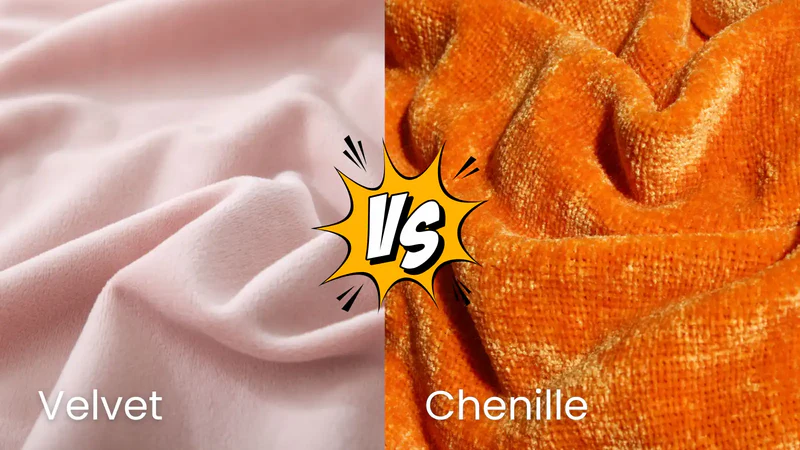
Velvet Curtains: Luxurious but High-Maintenance
Velvet is often associated with elegance, depth, and dramatic interior design. Traditionally made from silk, today’s velvet is usually cotton, polyester, or blended fibers.
Pros
Rich texture and appearance
Excellent light blocking
Strong insulation properties
Sound absorption benefits
Maintenance Challenges
Velvet has a dense pile — tiny upright fibers that give it softness and sheen. This structure:
Attracts dust easily
Traps pet hair
Shows pressure marks
Can crush under weight
Most velvet curtains require:
Gentle vacuuming with upholstery attachment
Professional dry cleaning
Avoidance of water saturation
Water can leave marks or distort pile direction.
Sunlight Sensitivity
Natural-fiber velvet fades under prolonged sun exposure. Even synthetic versions may discolor over time.
Bottom Line on Velvet
Beautiful but high-maintenance. Best suited for:
Formal living rooms
Low-traffic spaces
Homes without shedding pets
If ease of care is your top priority, velvet may not be ideal.
Chenille Curtains: Soft but Dust-Prone
Chenille features a fuzzy, caterpillar-like yarn texture. It’s often used in cozy, warm interiors.
Pros
Plush and soft
Good light filtering
Adds visual depth
Maintenance Challenges
Chenille’s raised yarn structure:
Collects dust easily
Can snag
May fray if improperly washed
Cleaning often requires:
Gentle vacuuming
Spot cleaning
Occasional professional care
Machine washing can damage texture unless specifically labeled washable.
Humidity can also impact chenille, causing slight stretching over time.
Bottom Line on Chenille
Moderate maintenance. Softer look than velvet but still requires attentive care.
Linen Curtains: Natural Beauty with Wrinkle Reality
Linen remains one of the most popular curtain fabrics in modern homes. Its airy texture complements minimalist, Scandinavian, and coastal styles.
Pros
Breathable and lightweight
Naturally textured appearance
Eco-friendly appeal
Soft light diffusion
Maintenance Challenges
Linen wrinkles easily. Even after washing and ironing, wrinkles return quickly.
It also:
Shrinks if not pre-treated
Can become brittle with prolonged sun exposure
Requires careful washing (cold water, gentle cycle)
Many linen curtains benefit from:
Steam treatment rather than ironing
Lining to reduce fading
Air drying
Mold and Humidity
In humid climates, untreated linen may develop mildew if ventilation is poor.
Bottom Line on Linen
Visually effortless, but not effortless to maintain. Good for homeowners comfortable with natural wrinkles.
Cotton Curtains: A Balanced Classic
Cotton is one of the most versatile curtain materials.
Pros
Machine washable (in many cases)
Breathable
Affordable
Easy to dye and pattern
Maintenance Challenges
Can fade in strong sunlight
May shrink if washed hot
Prone to wrinkling (less than linen)
Cotton blends perform better than pure cotton in terms of durability and wrinkle resistance.
Bottom Line on Cotton
One of the easiest natural fabrics to maintain. Suitable for family homes.
Polyester Curtains: The Low-Maintenance Champion
Polyester and polyester blends dominate the modern curtain market — and for good reason.
Pros
Wrinkle-resistant
Fade-resistant
Durable
Affordable
Machine washable
Quick drying
Maintenance Advantages
Polyester resists:
Mold
Shrinkage
Stretching
Sun damage (better than natural fibers)
It holds shape well and often requires minimal ironing.
Many blackout curtains use polyester due to durability and light-blocking compatibility.
Bottom Line on Polyester
If your top priority is easy care, polyester is hard to beat.
Blended Fabrics: The Practical Compromise
Many modern curtains combine:
Linen-polyester blends
Cotton-polyester blends
Velvet-poly blends
Blends aim to:
Reduce wrinkles
Improve durability
Enhance color retention
Maintain soft texture
Often, blended fabrics outperform pure natural fibers in maintenance ease.
Cleaning Comparison Chart
| Fabric | Machine Wash | Wrinkle Resistance | Fade Resistance | Dust Attraction | Maintenance Level |
|---|---|---|---|---|---|
| Velvet | Rarely | Moderate | Low–Moderate | High | High |
| Chenille | Sometimes | Moderate | Moderate | High | Moderate–High |
| Linen | Gentle only | Low | Low–Moderate | Moderate | Moderate |
| Cotton | Often | Moderate | Moderate | Moderate | Moderate |
| Polyester | Yes | High | High | Low–Moderate | Low |
Climate Matters: Choose Based on Environment
Humid Climates
Best choices:
Polyester
Blends
Avoid:
Pure linen without lining
Sunny Regions
Best choices:
UV-treated polyester
Lined cotton blends
Avoid:
Pure silk velvet
Untreated linen
Homes with Pets
Best choices:
Tightly woven polyester
Low-pile fabrics
Avoid:
Velvet
Chenille
Light Filtering and Lining Considerations
Curtain lining reduces:
Sun damage
Fading
Dust penetration
Even high-maintenance fabrics become easier to care for when lined properly.
Blackout linings also reduce UV exposure, extending fabric lifespan.
Maintenance Tips for Any Curtain Fabric
Regardless of material:
Vacuum monthly.
Keep windows slightly ventilated.
Avoid placing curtains directly over heating vents.
Wash according to label instructions.
Rotate panels annually to balance sun exposure.
Address stains immediately.
Preventive care reduces long-term effort.
Which Fabric Is Truly Easiest?
If ranking strictly by ease of maintenance:
Polyester
Polyester blends
Cotton blends
Cotton
Linen
Chenille
Velvet
However, design preferences may justify extra care.
Balancing Style and Practicality
Ask yourself:
Do I want effortless maintenance?
Do I prioritize texture over convenience?
How often am I realistically willing to clean curtains?
Do I have pets or children?
Is my room exposed to strong sunlight?
Lifestyle should guide fabric choice more than trends.
Final Verdict: The Best Curtain Fabric for Easy Care
If your goal is minimal upkeep, durability, and resistance to wrinkles and fading, polyester or high-quality blended fabrics offer the best balance of performance and practicality.
If you prioritize natural texture and don’t mind occasional steaming, linen remains a timeless option.
If you want dramatic luxury and are willing to invest in professional care, velvet delivers unmatched richness — at a maintenance cost.
Ultimately, the best curtain fabric isn’t just about beauty. It’s about how well it fits your daily life.
Choose wisely, and your curtains will enhance your home — not add to your to-do list.
Related Products