Why High-End Designers Love Floor-Length Drapes: The Quiet Luxury Secret Behind Elegant Interiors

Mar 02 2026
Introduction: The Detail That Instantly Elevates a Room
Walk into a professionally designed home, a boutique hotel suite, or a luxury showroom, and you’ll notice something subtle yet powerful.
The curtains don’t stop at the window.
They extend gracefully all the way to the floor — sometimes even slightly beyond it.
This design choice, often called floor-length or “puddle” drapery, has become a signature element among high-end interior designers. While many homeowners still install curtains that hover awkwardly above the floor or end exactly at the window frame, professionals consistently choose longer panels.
Why?
Because curtain length is not just a functional decision — it is an architectural tool.
Floor-length drapes influence how large a room feels, how light behaves, how textures interact, and even how people emotionally experience a space.
This article explores why designers consistently favor long drapes, how they transform interiors, and how you can apply the same principles to achieve a refined, designer-level look at home.
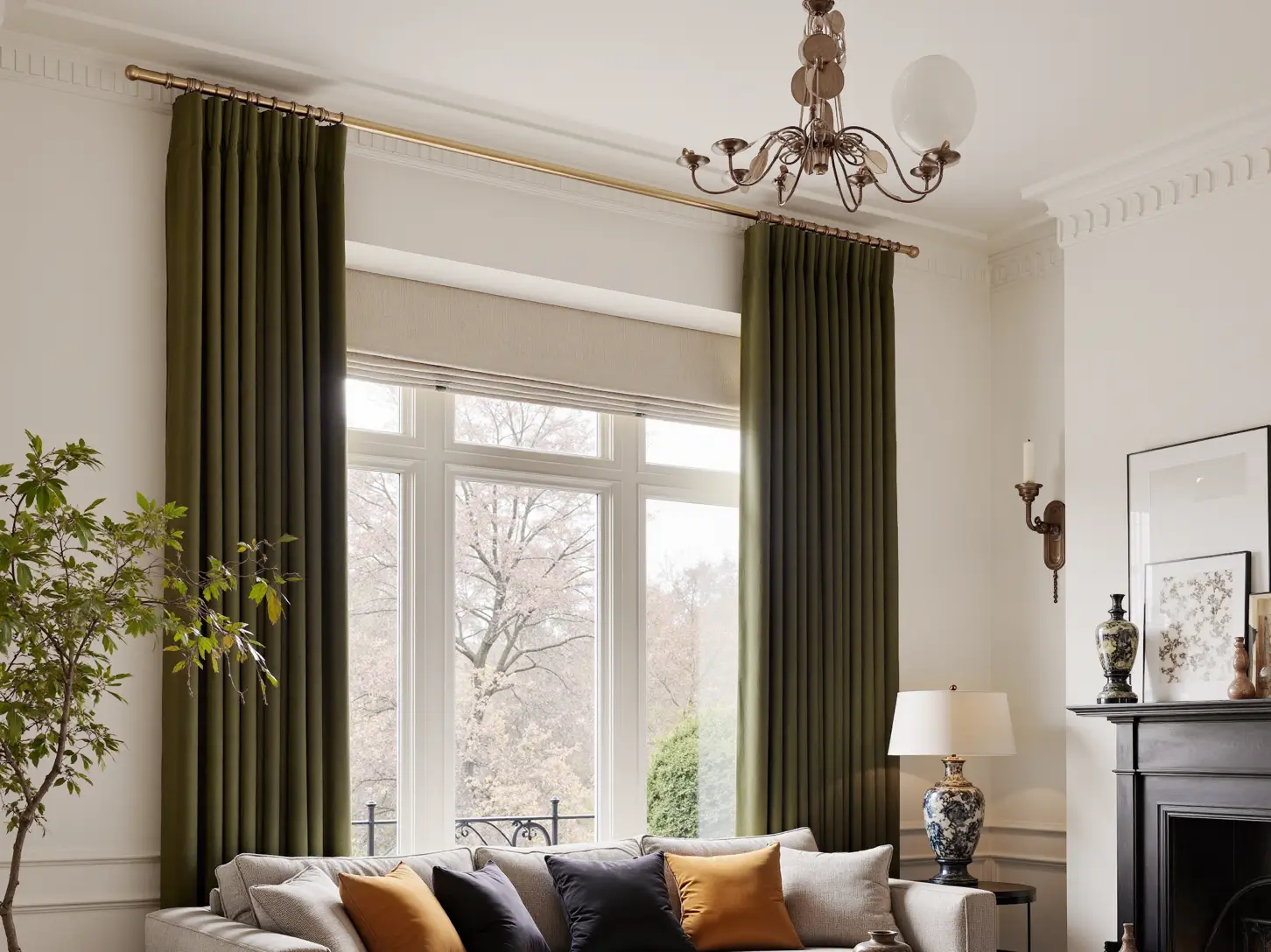
The Psychology of Vertical Space
One of the primary reasons designers prefer long curtains lies in human perception.
Our brains interpret vertical lines as signals of height, openness, and sophistication.
When drapes run uninterrupted from near the ceiling to the floor, they create a continuous vertical flow that visually stretches the room.
The Illusion of Higher Ceilings
Even in homes with standard 8-foot ceilings, floor-length curtains can create the impression of architectural grandeur.
Here’s why:
The eye follows uninterrupted lines upward.
Visual breaks are minimized.
The window becomes part of the wall structure rather than a separate object.
Short curtains divide the wall into segments. Long curtains unify it.
This single change can make ceilings appear significantly taller without any renovation.
Curtains as Architectural Elements
High-end designers rarely treat curtains as accessories. Instead, they consider them soft architecture.
Just as columns or wall panels define structure, drapes shape spatial boundaries.
Floor-length panels:
Frame windows like architectural features
Add symmetry to irregular layouts
Balance proportions between walls and furniture
Soften hard edges created by glass and drywall
In luxury interiors, textiles often replace heavy decorative ornamentation. Long drapery introduces elegance without visual clutter.
The Language of Luxury: Why Length Equals Sophistication
Historically, long textiles have been associated with wealth and refinement.
In European palaces and historic estates, fabric abundance symbolized status. Textile production was expensive, and generous use of material reflected prosperity.
Modern interiors borrow this visual language subconsciously.
Long curtains communicate:
Intentional design
Comfort
permanence
refinement
Short curtains, by contrast, often feel temporary or purely functional.
Designers understand that luxury is less about cost and more about proportion and restraint.
Three Designer-Preferred Curtain Length Styles
Not all long curtains are identical. Designers typically choose among three main styles depending on the room’s purpose.
1. Floating Length (Just Grazing the Floor)
The hem barely touches the floor.
Best for:
Modern interiors
High-traffic areas
Minimalist homes
Advantages:
Clean appearance
Easy maintenance
Contemporary aesthetic
This is the most versatile option for everyday living spaces.
2. Breaking Length (Soft Touch)
The fabric lightly bends where it meets the floor.
Best for:
Transitional interiors
Cozy living rooms
Bedrooms
Advantages:
Relaxed elegance
Softer visual effect
Adds warmth without feeling formal
Many designers consider this the perfect balance between casual and refined.
3. Puddle Length (Designer Statement)
Extra fabric pools gently on the floor.
Best for:
Formal rooms
Luxury bedrooms
Editorial or dramatic interiors
Advantages:
Romantic atmosphere
High visual impact
Strong luxury association
While stunning, puddled curtains require thoughtful styling and are less practical for busy households.
Why Short Curtains Disrupt Visual Harmony
Designers often avoid curtains that stop above the floor for several reasons.
1. They Interrupt Visual Flow
A gap between curtain and floor creates a harsh horizontal line, making walls appear shorter.
2. They Emphasize Window Size Instead of Room Size
Short curtains highlight the window’s boundaries rather than expanding spatial perception.
3. They Look Accidental
Even when intentional, above-floor curtains can appear improperly measured.
Interior design relies heavily on intentionality — every detail should look deliberate.
The Ceiling-Mount Secret Designers Use
Another key technique paired with long drapes is mounting curtain rods higher than the window frame.
Professionals often install rods:
6–12 inches above the window
or just below the ceiling line
This approach:
elongates walls
increases perceived ceiling height
enhances natural light exposure
Combined with floor-length panels, the result feels architectural rather than decorative.
Fabric Movement and Light Behavior
Long curtains interact with light differently than short ones.
As sunlight moves throughout the day, longer panels create:
gradual shadow transitions
texture depth
soft reflections
The added surface area allows fabric folds to catch light dynamically, adding visual richness even in neutral color palettes.
This subtle movement contributes to the calm, layered feeling often associated with luxury interiors.
Acoustic Benefits Designers Appreciate
An often overlooked advantage of floor-length drapery is sound absorption.
Long textiles help:
reduce echo
soften harsh acoustics
improve comfort in open layouts
In modern homes with hard flooring, large windows, and minimal decor, acoustics can feel cold or noisy.
Floor-length curtains act as functional sound buffers while maintaining elegance.
Energy Efficiency and Comfort
Designers increasingly consider environmental comfort alongside aesthetics.
Long drapes improve insulation by:
reducing drafts near windows
limiting heat loss in winter
blocking solar gain in summer
Because they cover the entire window height, they minimize air circulation gaps common with shorter curtains.
This enhances both comfort and energy efficiency.
Why Designers Prefer Fullness Over Minimal Panels
Length alone isn’t enough — fullness matters.
High-end drapes typically use fabric widths 2–2.5 times the window width.
This creates:
deep folds
richer texture
smoother stacking when open
Thin, flat curtains often look inexpensive regardless of fabric quality.
Luxury appearance comes from volume, not ornamentation.
Color Strategy: Why Neutral Long Curtains Dominate Designer Spaces
Many designer interiors feature neutral drapery colors:
soft white
warm beige
muted gray
natural linen tones
Long neutral curtains serve as visual anchors.
They allow furniture, art, and lighting to stand out while maintaining cohesion.
Because they occupy significant visual space, bold colors must be chosen carefully.
Neutral palettes ensure longevity and flexibility as decor evolves.
The Relationship Between Curtains and Furniture Scale
Floor-length drapes help balance large furniture pieces.
For example:
tall bookcases feel grounded
sofas appear proportionate
beds gain visual framing
Without long curtains, furniture may dominate the room awkwardly.
Designers use drapery to harmonize scale relationships across the space.
Common Mistakes Homeowners Make
Hanging Curtains Too Low
Mounting rods directly above windows compresses visual height.
Choosing Panels Too Narrow
Insufficient fullness leads to a flat appearance.
Ignoring Floor Measurements
Curtains that hover awkwardly above flooring break the luxury illusion.
Using Lightweight Fabric Without Structure
Some materials lack enough weight to fall elegantly.
Professional results depend on precision.
Fabric Choices Designers Love
Different materials create distinct moods.
Linen
airy and relaxed
ideal for coastal or modern homes
Velvet
dramatic and luxurious
excellent for bedrooms and formal rooms
Cotton Blends
versatile and durable
suitable for everyday spaces
Sheers
diffuse light beautifully
often layered behind heavier panels
Texture often matters more than pattern.
Layering: The Designer’s Secret Weapon
Luxury interiors frequently combine multiple curtain layers:
Sheer panels for daytime light filtering
Heavier drapes for privacy and evening ambiance
Layering adds depth while improving functionality.
It also allows rooms to transition smoothly between daytime brightness and nighttime intimacy.
Maintenance Myths About Long Curtains
Some homeowners avoid floor-length drapes due to maintenance concerns.
In reality:
Properly hemmed curtains collect minimal dust.
Regular vacuuming or occasional cleaning is sufficient.
High-quality fabrics resist wrinkling when hung correctly.
Floating-length styles are especially practical for families and pets.
How Long Curtains Influence Emotional Atmosphere
Interior design ultimately shapes emotional experience.
Long drapes create feelings of:
calm
enclosure
warmth
intentional living
They soften modern architecture and reduce visual noise.
Psychologically, enclosed vertical framing signals safety and comfort — a reason luxury hotels rely heavily on full-length drapery.
Adapting Floor-Length Curtains for Different Rooms
Living Room
Choose structured fabrics and balanced fullness.
Bedroom
Opt for heavier materials for privacy and softness.
Dining Room
Consider elegant textures that enhance evening lighting.
Home Office
Use tailored floating styles for professionalism without heaviness.
Small Space Myth: Long Curtains Actually Help
Many believe small rooms require short curtains.
Designers do the opposite.
Long drapes:
simplify visual lines
reduce fragmentation
make compact rooms feel cohesive
Short curtains often emphasize limited dimensions.
Budget vs. Luxury: The Real Difference
Expensive curtains are not always necessary.
Designer results come from:
correct height placement
proper length
sufficient fullness
thoughtful fabric choice
Even affordable panels can look high-end when installed strategically.
The Future of Window Design
As interiors shift toward calm, minimal environments, textiles are becoming more important.
People increasingly seek spaces that feel:
quieter
softer
more personal
Floor-length drapery aligns perfectly with this movement, offering elegance without excess decoration.
Practical Checklist for Achieving the Designer Look
Before installing curtains, consider:
Mount rods closer to the ceiling.
Measure precisely to the floor.
Choose fullness over minimal coverage.
Select timeless fabrics.
Ensure panels frame rather than cover windows when open.
Small adjustments create dramatic improvements.
Conclusion: The Power of a Simple Design Decision
High-end designers love floor-length curtains not because they follow trends, but because they understand proportion, perception, and emotional design.
Long drapes transform windows into architectural features, elevate ceiling height visually, soften light, improve acoustics, and introduce quiet luxury into everyday living.
They are proof that sophistication often comes from restraint rather than extravagance.
In interior design, the most powerful upgrades are rarely the loudest ones.
Sometimes, elegance simply begins at the ceiling — and flows effortlessly all the way to the floor.
Need Help with Your Custom Project?
Have questions about materials, sizing, or looking for a quick quote? Drop us a message and our experts will respond within 24 hours.
Chat on WhatsApp
+1 (304) 356-6765
Send us an Email
hello@incustom.com
Picked for You