2026 Landscape Trends: How Sustainable Materials Increase the Commercial Value of Garden Projects

Aug 12 2026
Introduction: The New Era of Landscape Design Is Driven by Sustainability
The landscape industry is entering a major transformation.
In the past, successful garden projects were often measured by visual beauty, plant selection, and construction quality. While these elements remain important, modern clients are now looking for something more.
They want outdoor spaces that are:
- Environmentally responsible
- Cost-efficient over time
- Durable under changing weather conditions
- Attractive to customers and property users
- Aligned with green development goals
As sustainability becomes a central focus in architecture, real estate, hospitality, and urban development, landscape projects are no longer just decorative features. They have become valuable business assets.
In 2026, sustainable materials will play a major role in helping landscape companies create higher-value projects. From eco-friendly decking and recycled materials to weather-resistant outdoor structures and low-maintenance solutions, material selection is becoming one of the most important factors influencing project success.
A well-designed sustainable garden can deliver benefits beyond appearance.
It can:
- Increase property appeal
- Reduce long-term maintenance costs
- Improve customer experience
- Support environmental goals
- Create stronger market differentiation
For landscape professionals, sustainability is no longer simply a design trend.
It is a business strategy.
This article explores the major sustainable landscape trends expected to shape 2026 and explains how choosing the right materials can increase the commercial value of garden projects.
Why Sustainable Materials Are Becoming Essential in Modern Landscape Projects
The demand for sustainable outdoor spaces is growing because expectations from both consumers and businesses are changing.
Today’s property owners are asking different questions:
“Will this garden design remain attractive for many years?”
“How much maintenance will this space require?”
“Can this project reduce environmental impact?”
“Does this design improve the overall value of the property?”
These questions are influencing decisions across multiple industries.
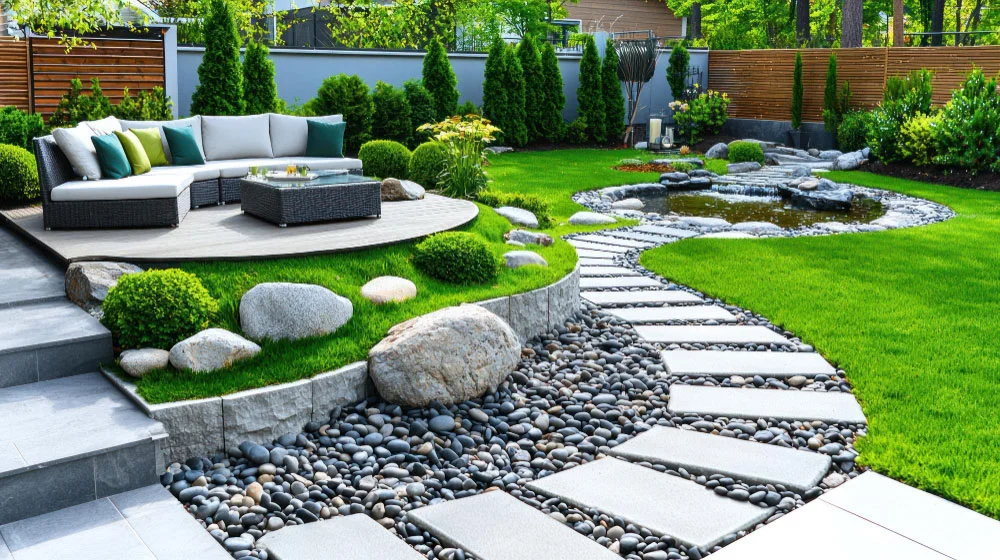
1. Real Estate Developers Are Using Landscapes to Increase Property Value
For residential and commercial developments, outdoor spaces are powerful selling points.
A thoughtfully designed garden can influence:
- Buyer impressions
- Rental attractiveness
- Community identity
- Property reputation
Modern buyers increasingly appreciate features such as:
- Natural materials
- Energy-efficient outdoor systems
- Native planting
- Sustainable structures
A sustainable landscape creates emotional value while also supporting practical benefits.
For developers, this means landscaping is no longer a simple construction expense.
It becomes a long-term investment.
2. Businesses Are Seeking More Sustainable Brand Experiences
Hotels, restaurants, resorts, and commercial spaces are using landscape design to communicate brand values.
A restaurant with an eco-friendly outdoor dining area creates a different customer experience compared with a standard patio.
A hotel garden using sustainable materials can communicate:
- Environmental awareness
- Premium quality
- Modern design philosophy
The landscape becomes part of the brand identity.
3. Climate Challenges Are Changing Material Requirements
Weather conditions are becoming more unpredictable.
Landscape materials must now handle:
- Heavy rainfall
- Strong winds
- Intense sunlight
- Temperature changes
- Humidity
- Freeze-thaw cycles
Traditional materials may require frequent repair or replacement.
Sustainable materials often provide better long-term performance because they are designed for durability and resource efficiency.
Understanding the Commercial Value of Sustainable Landscape Materials
When companies choose materials for garden projects, cost should not be evaluated only by the initial purchase price.
A cheaper material may create higher expenses later because of:
- Frequent maintenance
- Replacement requirements
- Weather damage
- Labor costs
Sustainable materials create value through their entire lifecycle.
The commercial benefits include:
1. Lower Long-Term Maintenance Costs
One of the biggest advantages of durable sustainable materials is reduced maintenance.
For example:
Traditional wood decking may require:
- Regular staining
- Waterproof treatment
- Repair after weather exposure
Modern composite materials may require:
- Simple cleaning
- Minimal maintenance
- Longer service life
For commercial properties, reducing maintenance requirements can significantly improve operational efficiency.
2. Higher Project Differentiation
The landscape market is becoming increasingly competitive.
Companies that only provide basic garden construction may struggle to stand out.
Sustainable material solutions allow designers to create unique selling points.
Examples include:
- Recycled decorative surfaces
- Eco-friendly outdoor furniture
- Low-impact garden structures
- Natural stone applications
- Water-saving landscape systems
These features help projects create stronger market appeal.
3. Supporting Green Building Goals
Many modern construction projects pursue sustainability certifications and environmental targets.
Landscape design can contribute through:
- Responsible material selection
- Reduced resource consumption
- Improved outdoor environmental quality
Using sustainable materials helps landscape projects become part of broader green development strategies.
Top Sustainable Material Trends Shaping Landscape Design in 2026
The year 2026 will continue to see growing demand for materials that combine:
- Beauty
- Performance
- Environmental responsibility
- Commercial value
Below are some of the most important trends.
Trend 1: Recycled Composite Materials for Outdoor Structures
Composite materials are becoming increasingly popular in landscape projects.
They are commonly used for:
- Decking
- Fences
- Pergolas
- Outdoor seating
- Walkways
These materials often combine recycled components with durable polymers to create products designed for outdoor performance.
Why Composite Materials Are Popular
Traditional wood has natural beauty, but it may face challenges such as:
- Moisture absorption
- Rot
- Insect damage
- Regular maintenance requirements
Composite alternatives can provide:
- Better weather resistance
- Longer service life
- Reduced maintenance
- Consistent appearance
For commercial garden projects, these advantages are especially valuable.
A hotel courtyard, apartment garden, or public landscape area requires materials that remain attractive without constant maintenance.
Trend 2: Weather-Resistant Outdoor Furniture Materials
Outdoor furniture has become an important part of landscape design.
In 2026, designers are paying more attention to furniture materials that combine comfort with durability.
Popular sustainable options include:
- Recycled plastic materials
- Responsibly sourced wood
- Aluminum structures
- Durable outdoor fabrics
The goal is to create outdoor environments that are both beautiful and practical.
Trend 3: Natural Stone and Locally Sourced Materials
Natural materials continue to maintain strong appeal.
Stone, gravel, and locally sourced materials provide several advantages:
- Unique appearance
- Strong durability
- Regional character
- Reduced transportation impact
Using local materials can also help landscape projects feel connected to their surroundings.
For luxury residential projects, natural stone creates a premium atmosphere.
For commercial developments, it creates a sense of authenticity.
Trend 4: Sustainable Privacy Solutions
Privacy has become increasingly important in outdoor design.
Modern gardens often require:
- Screens
- Fences
- Partitions
- Decorative barriers
Sustainable privacy solutions include:
- Bamboo products
- Recycled composite panels
- Natural plant barriers
- Durable eco-friendly structures
These solutions combine function with environmental value.
Trend 5: Low-Maintenance Garden Materials
Time has become one of the most valuable resources for property owners.
Commercial clients especially prefer landscapes that remain attractive without excessive maintenance.
Low-maintenance materials help reduce:
- Labor requirements
- Replacement frequency
- Operating expenses
Examples include:
- Durable outdoor flooring
- Weather-resistant covers
- Long-lasting decorative materials
- Sustainable irrigation components
A garden that looks beautiful while requiring less upkeep has stronger commercial value.
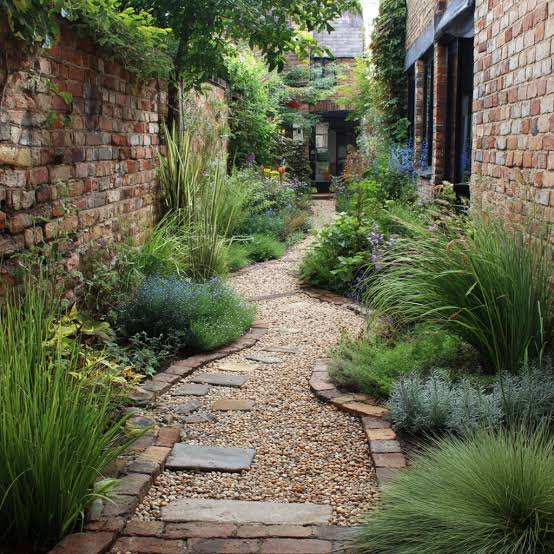
Sustainable Material Applications That Create Higher-Value Garden Projects
Choosing sustainable materials is not only about environmental responsibility. The right materials can directly influence the economic performance and market positioning of a landscape project.
For landscape companies, developers, and property owners, material decisions can determine:
- How attractive a project appears to potential buyers
- How much maintenance will be required
- How long the landscape remains valuable
- How strongly the project stands out from competitors
In 2026, successful garden projects will increasingly combine environmental performance with commercial strategy.
1. Sustainable Decking Solutions: Creating Premium Outdoor Living Areas
Outdoor decks have become one of the most valuable features in modern landscape design.
They are used in:
- Residential gardens
- Hotel terraces
- Restaurant patios
- Rooftop gardens
- Community spaces
A well-designed deck extends usable living space and increases the overall value of a property.
However, traditional decking materials often require frequent maintenance.
Problems may include:
- Water damage
- Color fading
- Cracking
- Surface deterioration
Sustainable decking materials provide a more practical solution.
Benefits of Modern Sustainable Decking
High-quality sustainable decking can offer:
Long-Term Durability
Outdoor surfaces must survive:
- Rain
- Sun exposure
- Temperature changes
- Daily usage
Durable materials reduce replacement costs and maintain visual appeal.
Reduced Maintenance Requirements
Commercial properties benefit greatly from materials that require less:
- Painting
- Sealing
- Repair work
Lower maintenance creates direct financial advantages.
Improved Customer Experience
A beautiful outdoor deck creates additional value for:
- Restaurants
- Resorts
- Residential communities
People are naturally attracted to comfortable outdoor environments.
A sustainable deck is not only a construction feature.
It is an experience-enhancing investment.
2. Eco-Friendly Garden Paths and Walkway Materials
Walkways are essential elements in landscape design.
They guide movement, organize outdoor spaces, and influence the overall atmosphere.
In 2026, designers are moving toward materials that balance:
- Visual appeal
- Environmental responsibility
- Long-term performance
Popular options include:
- Permeable paving systems
- Recycled materials
- Natural stone
- Eco-friendly concrete alternatives
Why Sustainable Walkways Add Commercial Value
A well-designed walkway can improve:
Visitor Experience
In commercial gardens, pathways influence how people interact with the space.
A comfortable and attractive route encourages visitors to:
- Explore more areas
- Stay longer
- Enjoy the environment
Stormwater Management
Traditional hard surfaces can prevent water absorption.
Sustainable paving solutions can help manage rainfall by allowing better water movement.
This is especially valuable in areas facing:
- Heavy rainfall
- Urban drainage challenges
Design Identity
Unique walkway materials can become a signature feature.
A creative pathway can transform an ordinary garden into a memorable landscape.
3. Sustainable Fencing and Privacy Structures
Privacy has become one of the most requested features in modern outdoor design.
Homeowners want peaceful private spaces.
Commercial properties want attractive boundaries.
Traditional fencing materials may require frequent maintenance.
Sustainable alternatives provide improved performance.
Composite Fencing
Composite fencing combines durability with a modern appearance.
Advantages include:
- Resistance to moisture
- Reduced maintenance
- Long service life
- Consistent appearance
It is suitable for:
- Residential communities
- Hotels
- Public gardens
Natural Privacy Solutions
Plants remain one of the most sustainable privacy options.
Examples include:
- Bamboo screens
- Evergreen hedges
- Vertical gardens
These solutions provide:
- Natural beauty
- Improved atmosphere
- Environmental benefits
Combining plants with durable structural materials creates balanced landscape designs.
4. Sustainable Outdoor Furniture as a Commercial Attraction
Outdoor furniture is no longer considered a secondary element.
In many projects, it becomes a key part of the customer experience.
Examples:
A hotel garden with comfortable seating encourages guests to spend more time outdoors.
A restaurant patio with attractive furniture creates additional dining capacity.
A residential community with beautiful outdoor areas increases resident satisfaction.
Material Choices for Sustainable Outdoor Furniture
Popular options include:
Recycled Materials
Furniture made from recycled materials supports resource efficiency while offering durability.
Aluminum Structures
Aluminum is valued because it provides:
- Lightweight performance
- Corrosion resistance
- Long service life
Responsibly Sourced Wood
Natural wood remains popular when sourced responsibly and maintained properly.
It provides:
- Warm appearance
- Natural texture
- Premium feeling
How Sustainable Materials Increase Garden Project Profitability
Sustainable design creates financial advantages throughout the project lifecycle.
1. Increasing Property Market Appeal
A well-designed sustainable garden can become a major selling feature.
For residential developments, buyers often associate attractive outdoor spaces with:
- Higher quality
- Better lifestyle
- Improved comfort
For commercial properties, landscape quality affects:
- Customer impressions
- Brand reputation
- User experience
2. Reducing Future Operating Expenses
The initial cost of sustainable materials may sometimes be higher.
However, long-term calculations often tell a different story.
Traditional materials may require:
- Frequent repairs
- Replacement parts
- Regular maintenance labor
Durable sustainable materials reduce these ongoing expenses.
For businesses, lower operating costs directly improve profitability.
3. Creating Premium Pricing Opportunities
A sustainable landscape can justify higher project value.
Customers are often willing to invest more in projects that provide:
- Better durability
- Environmental benefits
- Modern design
- Reduced maintenance
For landscape companies, sustainability can become a competitive advantage.
4. Strengthening Brand Reputation
Companies that consistently deliver sustainable projects can build stronger market recognition.
A reputation for environmentally responsible design can attract:
- Higher-quality clients
- Commercial partnerships
- Long-term contracts
Sustainability becomes part of the company's identity.
Practical Strategy: How Landscape Companies Should Select Sustainable Materials in 2026
Choosing sustainable materials requires more than simply selecting products labeled as environmentally friendly.
Professionals should evaluate several factors.
Step 1: Analyze the Project Environment
Before selecting materials, consider:
- Climate conditions
- Location
- Usage frequency
- Maintenance expectations
A material suitable for a dry region may not perform well in a high-humidity coastal environment.
Step 2: Consider Full Lifecycle Value
Do not focus only on purchase price.
Evaluate:
- Installation costs
- Maintenance needs
- Expected lifespan
- Replacement frequency
A higher-quality material may provide greater value over time.
Step 3: Match Materials With Project Purpose
Different projects have different priorities.
Residential Gardens
Focus on:
- Comfort
- Beauty
- Low maintenance
- Personalization
Hotels and Resorts
Focus on:
- Premium appearance
- Durability
- Guest experience
Commercial Developments
Focus on:
- Long-term performance
- Cost control
- Brand image
Public Landscapes
Focus on:
- Safety
- Durability
- Environmental impact
Step 4: Combine Technology With Natural Design
The future of landscape design is not about choosing between technology and nature.
The best projects combine both.
Examples include:
- Smart irrigation systems
- Sustainable materials
- Native plants
- Energy-efficient lighting
- Weather-resistant structures
This creates landscapes that are attractive, efficient, and future-ready.
Future Landscape Trends Beyond 2026
Sustainable materials are only one part of the future landscape movement.
Several additional trends will continue developing.
1. Climate-Adaptive Garden Design
Future gardens will increasingly respond to environmental conditions.
Designers will focus on:
- Drought-resistant plants
- Rainwater management
- Heat reduction
- Natural cooling
The goal is creating landscapes that work with nature rather than against it.
2. Multi-Functional Outdoor Spaces
Outdoor areas are becoming extensions of indoor living.
Future gardens will include:
- Outdoor offices
- Entertainment areas
- Wellness spaces
- Dining zones
Materials must support multiple uses.
3. Circular Design Principles
The concept of reducing waste will become increasingly important.
Landscape projects will focus on:
- Reusing materials
- Choosing recyclable products
- Reducing unnecessary consumption
4. Personalized Landscape Experiences
Customers increasingly want unique outdoor spaces.
Future projects will emphasize:
- Custom designs
- Local character
- Personal lifestyle needs
Sustainable materials provide flexibility for creating distinctive environments.
Final Conclusion: Sustainable Materials Are the Future Competitive Advantage of Landscape Projects
The landscape industry in 2026 is entering a new stage.
Beautiful gardens are no longer enough.
Successful projects must deliver:
- Environmental responsibility
- Long-term durability
- Lower maintenance costs
- Better user experiences
- Strong commercial value
Sustainable materials provide landscape professionals with a powerful way to achieve these goals.
From composite decking and eco-friendly furniture to durable outdoor structures and climate-adaptive solutions, material selection has become a key factor in project success.
For developers, sustainable landscapes can increase property appeal.
For businesses, they can strengthen brand image.
For landscape companies, they can create new market opportunities.
The future of garden design belongs to projects that combine beauty, performance, and responsibility.
By embracing sustainable materials today, landscape professionals can create outdoor spaces that are not only visually impressive but also commercially valuable for years to come.
If you are interested in sustainable landscape materials or customized garden project solutions, please feel free to leave a message to inquire about pricing.
Need Help with Your Custom Project?
Have questions about materials, sizing, or looking for a quick quote? Drop us a message and our experts will respond within 24 hours.
Chat on WhatsApp
+1 (304) 356-6765
Send us an Email
hello@incustom.com
Picked for You