Advanced Outdoor Gear Buying Guide: How to Build a High-Performance Personal Gear System

Jul 01 2026
Modern outdoor exploration is no longer just about owning “good gear.” Whether you’re hiking, backpacking, camping, climbing, or traveling through unpredictable environments, performance today depends on something far more important: building a personal gear system that works together efficiently.
Instead of collecting random items from different brands or buying based on impulse, experienced outdoor enthusiasts focus on system thinking. Every item has a role. Every layer has a purpose. Every decision affects weight, safety, comfort, and endurance.
This guide will walk you through how to build a high-efficiency personal outdoor gear system—one that is adaptable, scalable, and optimized for real-world conditions.
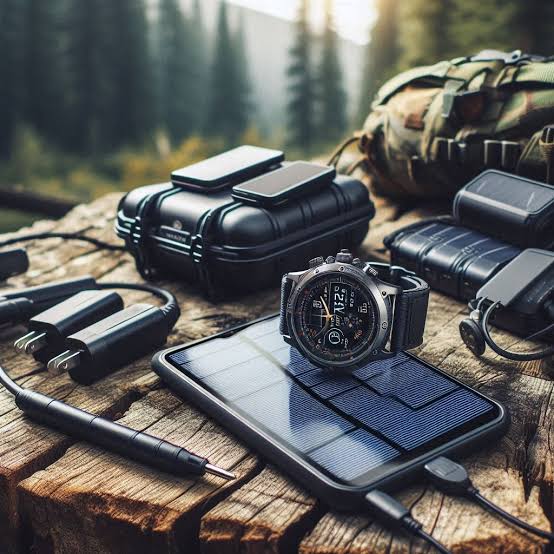
Understanding the Concept of a Gear System
A personal gear system is not just a collection of equipment. It is an interconnected structure designed to solve specific outdoor challenges.
At its core, a functional system includes:
Layered clothing systems
Shelter systems
Sleep systems
Hydration and nutrition systems
Navigation systems
Safety and emergency systems
Load-bearing systems
Instead of asking “What jacket should I buy?”, system thinkers ask:
“What role does this jacket play in my overall environment survival and comfort strategy?”
This shift in mindset is what separates beginners from advanced outdoor users.
Step One: Define Your Outdoor Profile
Before purchasing anything, you need clarity on how you actually use outdoor gear.
Ask yourself:
Are you a weekend hiker or multi-day backpacker?
Do you operate in hot, cold, wet, or mixed climates?
Are you traveling light or prioritizing comfort?
Do you hike solo or in groups?
Do you engage in technical terrain or casual trails?
Your answers determine everything that follows.
For example:
A desert hiker prioritizes ventilation and sun protection.
A mountain backpacker prioritizes insulation and weather resistance.
A traveler prioritizes versatility and compactness.
Without this foundation, even high-end gear becomes inefficient.
Step Two: Build the Core Clothing System (Layering Strategy)
Clothing is the most important subsystem in outdoor performance.
The modern layering system includes:
Base Layer: Moisture Management
The base layer sits directly on your skin. Its job is not warmth—it is moisture control.
Materials:
Merino wool
Synthetic polyester blends
Avoid cotton, as it traps moisture and increases heat loss risk.
Mid Layer: Thermal Regulation
The mid layer traps heat while maintaining breathability.
Common options:
Fleece jackets
Lightweight insulated jackets
Down sweaters
A popular choice among experienced users is lightweight synthetic insulation for wet environments.
Brands like Patagonia and Arc'teryx offer high-performance mid-layer systems designed for dynamic conditions.
Outer Layer: Weather Protection
The outer shell protects against wind, rain, and snow.
Key features:
Waterproof or water-resistant membrane
Windproof design
Breathability vents
Durable seam sealing
Companies such as The North Face and Arc'teryx are known for advanced shell technologies that balance protection and mobility.
Step Three: Footwear as a Performance Platform
Your footwear is not just equipment—it is your primary mobility system.
Choosing the wrong shoes can compromise your entire trip.
Key considerations:
Terrain type (rocky, muddy, snowy, mixed)
Ankle support level
Waterproofing requirements
Weight vs durability tradeoff
Break-in comfort
Boot systems should be selected based on usage intensity:
Light hiking → trail runners
Moderate trekking → hiking shoes
Heavy backpacking → boots with ankle support
Footwear must always align with your load weight and environment.
Step Four: The Shelter System
Shelter systems include tents, tarps, bivy setups, and related components.
A good shelter system balances:
Weight
Durability
Weather resistance
Setup speed
Internal space efficiency
Modern ultralight shelters often prioritize weight savings, while expedition-grade tents prioritize survivability in extreme conditions.
Brands like MSR and Black Diamond Equipment are widely used for reliable shelter systems in challenging environments.
Step Five: Sleep System Optimization
A sleep system includes:
Sleeping bag or quilt
Sleeping pad
Pillow (optional but recommended in long trips)
The goal is thermal efficiency and recovery.
Temperature Ratings Matter
Sleeping bags are rated for:
Comfort temperature
Limit temperature
Extreme survival temperature
Choose based on expected night conditions, not average daytime weather.
Sleeping Pad Importance
Many beginners underestimate sleeping pads. However, ground insulation is crucial for maintaining body heat.
Step Six: Hydration and Water Management System
Water is a non-negotiable survival element.
A hydration system typically includes:
Water bottles or hydration bladders
Filtration system
Backup purification method
Gravity filters, pump filters, and UV purification devices all serve different roles.
Advanced users often carry redundant systems to ensure reliability.
Step Seven: Nutrition and Food System
Food systems should be designed for:
Calorie density
Weight efficiency
Preparation speed
Shelf stability
Common outdoor food strategies include:
Freeze-dried meals
Energy bars
Nut and seed mixes
Lightweight cooked meals for basecamp setups
The goal is energy efficiency, not culinary complexity.
Step Eight: Load-Bearing and Carrying System
Your backpack is the central hub that connects every subsystem.
Key factors include:
Frame structure (internal vs external)
Load distribution
Ventilation system
Accessibility compartments
Weight-to-volume ratio
Backpacks should be chosen based on trip duration:
Day trips: 15–30L
Overnight: 30–50L
Multi-day: 50–80L+
A properly fitted pack dramatically improves endurance and reduces injury risk.
Step Nine: Navigation and Digital Integration
Modern outdoor systems often integrate digital tools:
GPS devices
Smartphone mapping apps
Offline topographic maps
Satellite communicators
While traditional navigation skills remain essential, digital redundancy improves safety.
Always maintain a backup navigation method in case of battery failure or signal loss.
Step Ten: Safety and Emergency Layer
A professional-grade gear system always includes emergency preparedness.
Essential components:
First aid kit
Emergency shelter (bivy or tarp)
Fire-starting tools
Whistle or signaling device
Multi-tool or knife
Headlamp with spare batteries
Safety gear should be lightweight but never compromised.
Step Eleven: Weight Optimization Strategy
One of the most advanced aspects of gear system design is weight management.
Experienced users categorize gear into:
Must-have survival items
Performance optimization items
Comfort-enhancing items
The goal is to eliminate redundancy without sacrificing safety.
Every gram should justify its existence.
Step Twelve: Compatibility Between Systems
The most common beginner mistake is buying high-quality gear that does not integrate well.
System compatibility includes:
Clothing layers fitting under shell jackets
Sleeping systems matching tent dimensions
Backpack capacity matching gear volume
Stove systems compatible with fuel types
Water filters compatible with bottle threads
Even premium gear becomes inefficient if components conflict.
Step Thirteen: Brand Ecosystems vs Mixed Systems
Some users prefer staying within a single brand ecosystem, while others mix and match.
Ecosystem Advantages:
Consistent design language
Better compatibility
Simplified warranty and support
Mixed System Advantages:
More customization
Better price optimization
Access to best-in-class individual items
Retailers like REI often help users compare across multiple ecosystems to build personalized setups.
Step Fourteen: Field Testing Your Gear System
A gear system is not complete until it has been tested in real conditions.
Start with:
Short day hikes
Overnight trips
Controlled environments
During testing, evaluate:
Comfort over time
Access efficiency
Weather adaptability
Fatigue levels
Unexpected friction points
Adjust continuously based on real-world feedback.
Step Fifteen: Evolving Your System Over Time
A personal gear system is never static.
It evolves with:
Experience level
Physical conditioning
New environments
Seasonal changes
Technological improvements
Advanced users regularly reassess their systems and replace inefficient components.
Common Mistakes in Gear System Building
Mistake 1: Buying without a system plan
Random purchases lead to redundancy and inefficiency.
Mistake 2: Overpacking
More gear does not equal more safety.
Mistake 3: Ignoring environment specificity
One setup does not work everywhere.
Mistake 4: Prioritizing brand over function
Brand reputation does not guarantee system compatibility.
Mistake 5: Neglecting field testing
Gear that looks good at home may fail outdoors.
Final Thoughts: System Thinking is the Real Upgrade
High-performance outdoor experiences are not created by individual pieces of gear—they are created by how those pieces work together.
When you shift from collecting equipment to building a structured system, your outdoor performance improves dramatically. You carry less weight, reduce risk, increase comfort, and gain confidence in unpredictable environments.
The goal is not to own more gear.
The goal is to own the right system.
And once you achieve that, every outdoor experience becomes more efficient, safer, and more enjoyable.
Welcome to leave a comment or contact us for a quote—we’d be happy to help you create the perfect coordinated outdoor cover solution for your space.
Need Help with Your Custom Project?
Have questions about materials, sizing, or looking for a quick quote? Drop us a message and our experts will respond within 24 hours.
Chat on WhatsApp
+1 (304) 356-6765
Send us an Email
hello@incustom.com
Picked for You