Barbecue Season Essential: Why Every Grill Owner Needs a Dedicated Grill Cover

Jul 01 2026
There’s nothing quite like firing up the grill on a warm afternoon. Whether you're hosting a backyard cookout, preparing a family dinner, celebrating a holiday, or enjoying a weekend gathering with friends, your barbecue grill is often the centerpiece of outdoor entertaining. A quality grill can deliver years of memorable meals—but only if it receives the protection it deserves.
Unfortunately, many grill owners spend hundreds or even thousands of dollars on premium gas grills, charcoal smokers, pellet grills, or outdoor cooking stations, only to leave them exposed to the elements year-round. Rain, UV rays, dust, pollen, snow, humidity, bird droppings, and falling leaves all take a toll on your equipment. Over time, these environmental factors can lead to rust, corrosion, faded finishes, clogged burners, damaged electronics, and costly repairs.
A dedicated grill cover is one of the simplest and most cost-effective accessories you can buy for your outdoor cooking equipment. It acts as the first line of defense against weather, debris, and everyday wear, helping your grill stay clean, functional, and looking like new.
In this comprehensive guide, we'll explore why a dedicated grill cover is an essential investment, what features to look for, how to choose the right material, common mistakes to avoid, and how proper protection can significantly extend the life of your barbecue grill.
Why Your Grill Faces More Wear Than You Think
Many people assume that outdoor grills are designed to withstand all weather conditions. While manufacturers certainly build grills to be durable, that doesn't mean they are intended to remain unprotected 24 hours a day, 365 days a year.
Outdoor grills constantly face challenges such as:
- Intense sunlight
- Heavy rainfall
- Morning dew
- High humidity
- Snow and ice
- Dust and dirt
- Tree sap
- Pollen
- Wind-blown debris
- Bird droppings
- Salt air in coastal regions
Each of these elements contributes to gradual deterioration. Individually, the damage may seem minor. Together, they can significantly shorten the lifespan of your grill.
A quality grill cover creates a protective barrier that minimizes these risks before they become expensive problems.
UV Rays: The Silent Enemy of Outdoor Grills
One of the biggest threats to any outdoor appliance is ultraviolet radiation.
Even on cool or cloudy days, UV rays continue to affect exposed surfaces.
Extended UV exposure can cause:
- Paint fading
- Plastic discoloration
- Rubber seal cracking
- Plastic handle brittleness
- Control knob deterioration
- Vinyl component aging
Stainless steel grills may resist rust better than painted steel, but UV radiation still affects surrounding components and protective finishes.
A UV-resistant grill cover helps shield the entire unit from prolonged sun exposure, preserving both appearance and performance.
Rain and Moisture Can Cause More Than Rust
Water is often considered the primary enemy of outdoor metal equipment.
Rainwater can seep into:
- Burners
- Ignition systems
- Temperature sensors
- Grease trays
- Electronic control panels
Moisture trapped inside these components can result in:
- Corrosion
- Electrical failures
- Ignition problems
- Burner blockage
- Mold growth
- Reduced cooking efficiency
Even grills marketed as "weather resistant" benefit greatly from remaining dry whenever they are not in use.
Dust, Dirt, and Debris Affect Performance
Outdoor grills naturally collect airborne contaminants.
Without a cover, your grill may accumulate:
- Dust
- Sand
- Leaves
- Pine needles
- Insects
- Spider webs
- Bird nests
These contaminants can clog burner ports, block air vents, interfere with ignition systems, and increase cleaning time before every cookout.
Using a grill cover means less cleaning and more time enjoying your barbecue.
Wildlife and Insects Love Uncovered Grills
An uncovered grill can quickly become a shelter for unwanted guests.
Common intruders include:
- Spiders
- Wasps
- Bees
- Mice
- Lizards
- Small birds
Spider webs inside burner tubes are especially problematic because they can disrupt gas flow and create uneven flames.
A properly fitted cover helps discourage pests from turning your grill into a home.
A Grill Cover Extends Equipment Lifespan
Outdoor grills represent a significant investment.
Entry-level grills may cost a few hundred dollars, while premium outdoor kitchen systems can cost several thousand dollars.
Replacing burners, ignition modules, cooking grates, or electronic controls can become expensive over time.
A dedicated grill cover helps:
- Slow corrosion
- Reduce weather damage
- Protect moving parts
- Maintain structural integrity
- Extend the usable life of your grill
Considering the relatively low cost of a quality cover, the return on investment is substantial.
Key Features of a High-Quality Grill Cover
Not all grill covers offer the same level of protection.
Here are the features that matter most.
Durable Fabric
Look for heavy-duty materials such as:
- Polyester with PVC backing
- Solution-dyed polyester
- Oxford fabric
- Vinyl-coated polyester
These materials resist tearing and provide long-lasting outdoor durability.
Waterproof Construction
A quality grill cover should feature:
- Water-resistant outer fabric
- Waterproof inner coating
- Reinforced seams
- Sealed stitching
Keep in mind that "water-resistant" and "waterproof" are not identical. Waterproof materials provide better protection during prolonged rain.
UV Resistance
A premium grill cover should include UV-resistant coatings that prevent:
- Fabric fading
- Material breakdown
- Loss of flexibility
- Premature cracking
This feature is especially important in regions with strong year-round sunlight.
Breathability
Completely sealing moisture inside the cover can create condensation.
Look for covers with built-in ventilation panels that allow airflow while preventing rain intrusion.
Proper ventilation reduces:
- Mold
- Mildew
- Internal condensation
- Corrosion
Secure Fastening System
Strong winds can easily remove a loose cover.
Useful retention features include:
- Adjustable straps
- Buckles
- Elastic hems
- Drawstrings
- Hook-and-loop closures
A secure fit prevents the cover from becoming airborne during storms.
Choosing the Right Size
An oversized cover may collect water or flap excessively in the wind.
An undersized cover may leave critical areas exposed.
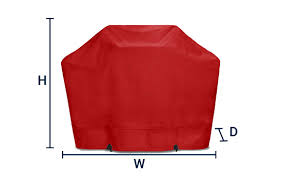
Measure your grill carefully before purchasing.
Important dimensions include:
- Width
- Height
- Depth
- Side shelves
- Warming racks
- Control panel protrusions
Always compare measurements with the manufacturer's sizing guide.
Different Grill Types Require Different Covers
Not every grill has the same design.
Common grill categories include:
Gas Grills
Need protection for:
- Burners
- Side burners
- Control knobs
- Ignition systems
Charcoal Grills
Require protection from:
- Rain entering the fire bowl
- Ash contamination
- Rust inside cooking chamber
Pellet Grills
Need extra protection because they contain:
- Electronic controllers
- Pellet hopper
- Auger motor
- Temperature sensors
Moisture can ruin wood pellets and damage internal electronics.
Kamado Grills
Although ceramic bodies resist rust, they still benefit from covers that protect:
- Metal bands
- Hinges
- Gaskets
- Side shelves
- Exterior finish
Seasonal Protection Matters
Many people only think about covering grills during winter.
In reality, every season presents unique challenges.
Spring
- Pollen
- Rain
- Tree sap
Summer
- UV radiation
- Heat
- Thunderstorms
Autumn
- Falling leaves
- Moisture
- Wind-blown debris
Winter
- Snow
- Ice
- Freezing temperatures
A grill cover provides year-round protection regardless of climate.
Common Mistakes Grill Owners Make
Avoid these frequent errors.
Covering a Hot Grill
Always allow the grill to cool completely before installing the cover.
Excessive heat can damage the cover and trap heat unnecessarily.
Storing a Wet Cover
Allow the cover to dry before folding or storing it.
This helps prevent mildew and unpleasant odors.
Ignoring Cleaning
Dirt and grease buildup shorten the life of the cover itself.
Clean the cover periodically using mild soap and water.
Avoid harsh chemicals that may damage waterproof coatings.
Choosing the Cheapest Option
Low-cost covers often use thin fabrics that crack, fade, or tear within a single season.
Investing in a higher-quality cover usually results in significantly longer service life.
Caring for Your Grill Cover
Proper maintenance helps maximize durability.
Maintenance tips include:
- Rinse away dust regularly.
- Wash with mild detergent as needed.
- Air dry completely before reuse.
- Avoid dragging the cover across rough surfaces.
- Inspect straps and seams periodically.
- Store indoors if not used for extended periods.
With proper care, a premium grill cover can provide reliable protection for many years.
Why a Grill Cover Saves Money
Many grill owners underestimate the long-term financial benefits.
Replacing individual components such as burners, ignition modules, cooking grates, or electronic controls can quickly add up.
By protecting your grill from environmental damage, a dedicated cover can help:
- Reduce repair costs
- Minimize replacement parts
- Preserve the grill's appearance
- Maintain resale value
- Extend the overall lifespan of the equipment
For a relatively small upfront investment, a high-quality cover can save hundreds of dollars over the life of your grill.
Environmental Benefits of Protecting Your Grill
Extending the life of your grill also benefits the environment.
A longer-lasting grill means:
- Less manufacturing demand
- Fewer discarded appliances
- Reduced material waste
- Lower consumption of replacement parts
Taking care of your equipment is not only good for your budget—it also supports more sustainable outdoor living.
How to Choose the Best Grill Cover for Your Needs
Before purchasing, consider the following questions:
- What type of grill do you own?
- Will the grill remain outdoors year-round?
- Does your area experience heavy rain or intense sunlight?
- Is wind a frequent concern?
- Do you need extra protection for side shelves or accessories?
- Is ventilation important in your climate?
Answering these questions will help you select a cover that provides the right balance of durability, weather resistance, and convenience.
Final Thoughts
A barbecue grill is more than just a cooking appliance—it’s an investment in outdoor living, family gatherings, and unforgettable meals. Protecting that investment should be just as important as choosing the right grill in the first place.
A dedicated grill cover shields your equipment from sunlight, rain, dust, pests, and seasonal weather, helping preserve both its appearance and performance. By selecting a well-made cover with durable materials, waterproof construction, UV resistance, secure fasteners, and proper ventilation, you can significantly reduce maintenance, extend your grill’s service life, and enjoy worry-free barbecuing for years to come.
Whether you grill every weekend or only on special occasions, protecting your barbecue between uses is one of the smartest decisions you can make.
Welcome to leave a comment or contact us for a quote—we'd be happy to help you find the right grill cover for your needs.
Need Help with Your Custom Project?
Have questions about materials, sizing, or looking for a quick quote? Drop us a message and our experts will respond within 24 hours.
Chat on WhatsApp
+1 (304) 356-6765
Send us an Email
hello@incustom.com
Picked for You