Biodiversity and Business Value: How Garden Engineering Becomes a Green Brand Statement for Companies

Jul 30 2026
In the modern business world, a company’s image is no longer defined only by its products, services, or financial performance. Customers, employees, investors, and communities increasingly evaluate businesses based on their environmental responsibility and social impact.
A carefully designed corporate garden is becoming one of the most visible ways companies communicate their commitment to sustainability. What was once considered simple landscaping has evolved into a strategic investment that connects biodiversity protection, employee well-being, brand identity, and long-term business value.
Garden engineering combines ecological knowledge, landscape design, technology, and sustainable planning to create outdoor environments that support plants, wildlife, and human activities. For businesses, these spaces are not only attractive additions to offices, commercial buildings, hotels, industrial parks, and retail locations. They are living representations of corporate values.
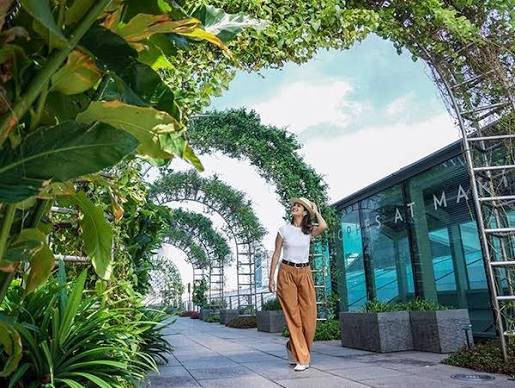
A thoughtfully designed garden can become a company’s green signature — a place where nature, innovation, and business philosophy come together.
Today, organizations are discovering that biodiversity-focused garden projects can deliver benefits beyond visual appeal:
- Strengthening brand reputation
- Creating healthier workplaces
- Improving customer experiences
- Supporting environmental goals
- Enhancing property value
- Building stronger community connections
The relationship between biodiversity and business is becoming increasingly important. Companies that invest in ecological landscapes are not simply creating gardens. They are creating meaningful experiences that communicate responsibility and forward-thinking leadership.
1. Understanding the Connection Between Biodiversity and Business Success
Biodiversity refers to the variety of living organisms within an ecosystem, including plants, animals, insects, microorganisms, and their relationships with the environment.
A healthy ecosystem depends on diversity. Different species contribute different functions:
- Plants produce oxygen and support habitats
- Pollinators help maintain plant reproduction
- Soil organisms improve nutrient cycles
- Native species maintain ecological balance
When companies incorporate biodiversity into garden engineering, they create outdoor environments that actively support natural systems.
But why does this matter for business?
Because modern consumers increasingly connect purchasing decisions with corporate values.
A company that demonstrates environmental awareness can create stronger emotional relationships with customers.
For example:
A hotel with a biodiversity garden can provide guests with a unique nature-based experience.
A technology company with an ecological campus can communicate innovation and sustainability.
A retail brand with green outdoor spaces can create a more memorable shopping environment.
The garden becomes part of the company’s story.
2. The Rise of Green Corporate Identity
Corporate identity has traditionally focused on elements such as:
- Logos
- Advertising campaigns
- Product packaging
- Brand messaging
However, today’s audiences experience brands through physical environments as well.
A company headquarters, office park, or commercial property can communicate powerful messages before customers even enter the building.
A well-designed ecological garden can express:
- Innovation
- Responsibility
- Quality
- Long-term vision
- Respect for nature
This creates a new form of brand communication.
Unlike traditional marketing materials, a garden is a living asset. It changes with seasons, grows over time, and creates continuous interaction between people and nature.
A spring flower area, a butterfly habitat, a native plant corridor, or a rainwater collection landscape can become memorable brand features.
Visitors may forget a slogan, but they often remember an inspiring environment.
3. Garden Engineering: Transforming Outdoor Areas Into Strategic Assets
Garden engineering is not simply planting flowers and arranging trees. It involves scientific planning and technical implementation.
Professional garden engineering considers:
- Local climate conditions
- Soil characteristics
- Water management
- Plant selection
- Wildlife support
- Maintenance requirements
- Human interaction patterns
For businesses, this approach ensures that outdoor spaces are both beautiful and functional.
Ecological Plant Selection
Choosing the right plants is one of the most important aspects of biodiversity-focused garden design.
Native plants are often preferred because they:
- Adapt better to local conditions
- Require less water
- Support local wildlife
- Reduce maintenance costs
A corporate garden filled with native vegetation can create a stronger connection between the company and its surrounding environment.
For example, a business located in a dry region may use drought-resistant plants to demonstrate water conservation. A company near coastal areas may design landscapes that protect local ecosystems.
The garden becomes a reflection of regional identity.
4. Creating Pollinator-Friendly Corporate Gardens
Pollinators such as bees, butterflies, and other insects play an essential role in maintaining ecosystems.
A corporate garden designed to support pollinators can become a valuable environmental contribution.
Features of pollinator-friendly gardens may include:
- Diverse flowering plants
- Seasonal blooming cycles
- Natural shelter areas
- Chemical-free maintenance methods
- Water sources for wildlife
For businesses, these gardens provide multiple benefits.
Environmental Benefits
Pollinator gardens help create healthier ecosystems by providing resources for important species.
Educational Value
Companies can use these spaces for:
- Employee education programs
- Community events
- Environmental awareness activities
Brand Differentiation
A company that actively supports biodiversity can stand out in competitive markets.
Customers often appreciate businesses that take visible action rather than simply making environmental statements.
5. Employee Well-Being: The Hidden Business Value of Green Spaces
One of the strongest reasons companies invest in garden engineering is the impact on employees.
Modern workplaces are increasingly focused on creating environments that support mental health, creativity, and productivity.
Natural spaces can provide:
- Stress reduction
- Relaxation opportunities
- Improved workplace satisfaction
- More enjoyable employee experiences
A corporate garden can become:
- An outdoor meeting area
- A break space
- A creative thinking environment
- A place for team activities
Employees who feel connected to their workplace environment often develop stronger engagement with their organization.
A green campus communicates that a company values not only business performance but also human experience.
6. Enhancing Customer Experience Through Nature-Driven Environments
For many businesses, the customer journey begins before a person enters a building. The exterior environment creates the first impression and influences how visitors perceive the company.
A well-designed biodiversity garden can transform a simple commercial property into an inviting destination.
Whether it is a hotel entrance, corporate headquarters, shopping center, restaurant, or business park, outdoor spaces can influence customer emotions and create memorable experiences.
Modern customers are not only looking for products or services. They increasingly value meaningful experiences connected with lifestyle, environmental responsibility, and authentic brand stories.
A carefully planned garden can help businesses achieve this by creating spaces where people naturally want to spend time.
Creating Emotional Connections Through Landscape Design
A traditional building communicates function.
A biodiversity garden communicates values.
For example, a company that incorporates native plants, natural materials, and wildlife-friendly features sends a message about environmental awareness and responsible development.
Visitors may experience:
- A peaceful arrival area
- A relaxing outdoor waiting space
- A unique brand environment
- A connection with local nature
These experiences create stronger emotional associations with the company.
A customer who remembers a beautiful garden surrounding a business is more likely to remember the brand itself.
Supporting Hospitality and Retail Experiences
Industries based on customer experience can particularly benefit from biodiversity-focused landscapes.
Hotels can create nature-inspired guest experiences through:
- Botanical pathways
- Butterfly gardens
- Outdoor relaxation areas
- Green dining spaces
Restaurants can use gardens to enhance:
- Outdoor seating environments
- Fresh ingredient storytelling
- Farm-to-table concepts
Retail businesses can transform ordinary shopping areas into attractive destinations by incorporating:
- Seasonal gardens
- Interactive plant displays
- Green public spaces
In these situations, garden engineering becomes part of the customer experience strategy.
7. Sustainable Water Management in Corporate Gardens
Water management is one of the most important considerations in modern garden engineering.
Traditional landscapes often require large amounts of water and frequent maintenance. Sustainable garden design focuses on creating efficient systems that support plant health while reducing resource consumption.
Businesses that implement responsible water strategies can improve environmental performance while lowering operational expenses.
Rainwater Collection Systems
Rainwater harvesting allows companies to collect and reuse natural water resources.
Collected rainwater can support:
- Garden irrigation
- Landscape maintenance
- Water features
- Green infrastructure systems
This reduces dependence on external water supplies and helps manage stormwater runoff.
Smart Irrigation Technology
Technology plays an increasingly important role in sustainable landscapes.
Modern irrigation systems can use:
- Soil moisture sensors
- Weather monitoring tools
- Automated watering schedules
- Water-efficient distribution methods
These technologies ensure plants receive the right amount of water without unnecessary waste.
Choosing Water-Efficient Plants
Plant selection directly affects long-term maintenance needs.
Drought-resistant and native plants often require less irrigation because they naturally adapt to local environments.
This approach provides several advantages:
- Lower water consumption
- Reduced maintenance costs
- Stronger ecosystem support
- Better landscape resilience
A sustainable corporate garden demonstrates practical environmental responsibility rather than simply making environmental claims.
8. Supporting Local Ecosystems and Strengthening Community Relationships
Businesses exist within communities, and their environmental impact extends beyond their property boundaries.
A biodiversity-focused garden can help companies become active participants in local ecological improvement.
Instead of viewing landscaping as decoration, companies can use gardens as platforms for environmental engagement.
Creating Community-Friendly Green Spaces
Corporate gardens can support community relationships through:
- Public garden areas
- Educational programs
- Environmental workshops
- Local biodiversity projects
For example, a company may create a native plant garden and invite local schools or community groups to learn about ecosystems.
These activities help transform businesses from distant organizations into valued community members.
Partnering With Environmental Organizations
Companies can strengthen their sustainability efforts by working with:
- Local conservation groups
- Botanical organizations
- Environmental educators
- Community gardening programs
Such partnerships provide expertise while demonstrating genuine commitment to ecological protection.
Building Positive Public Perception
Today’s consumers pay attention to corporate actions.
A business that creates habitats, protects biodiversity, and supports local environments can build stronger public trust.
A garden becomes a visible example of what the company believes in.
9. Increasing Property Value and Long-Term Business Benefits
A professionally designed garden is not only an environmental investment. It can also create financial value.
Commercial properties with attractive green spaces often provide better experiences for employees, visitors, tenants, and customers.
A well-maintained landscape can improve:
- Property appearance
- Tenant attraction
- Customer satisfaction
- Overall market appeal
Enhancing Commercial Property Image
The appearance of a business location influences perceptions of quality.
A neglected outdoor area may create a negative impression.
A carefully designed biodiversity garden can communicate:
- Professionalism
- Attention to detail
- Innovation
- Environmental leadership
This is especially valuable for companies operating in competitive industries.
Reducing Long-Term Maintenance Costs
Although sustainable gardens require thoughtful planning, they can reduce expenses over time.
Benefits may include:
- Lower irrigation requirements
- Reduced chemical usage
- Fewer replacement costs
- Improved soil health
A properly designed ecosystem becomes more self-supporting as plants mature.
Improving Building Performance
Green landscapes can also contribute to better building environments.
Trees, vegetation, and green areas may help:
- Reduce heat around buildings
- Improve outdoor comfort
- Manage rainwater
- Create natural cooling effects
This creates additional value beyond visual beauty.
10. Designing a Garden That Reflects Your Brand Values
Every company has a unique identity.
A successful corporate garden should not be a generic decoration. It should reflect the company’s mission, industry, and values.
The design process should begin with important questions:
What Message Should the Garden Communicate?
Different designs create different impressions.
A technology company may prefer a modern ecological garden emphasizing innovation and sustainability.
A wellness company may focus on calming landscapes that support health and relaxation.
A hospitality brand may create immersive gardens designed for memorable experiences.
The landscape should tell a story.
How Should Visitors Feel?
A corporate garden can create different emotional responses:
- Calm and peaceful
- Inspired and creative
- Connected with nature
- Curious and engaged
Understanding visitor emotions helps designers create more meaningful environments.
How Can Nature Support Brand Identity?
A garden can become a physical representation of company philosophy.
For example:
A sustainability-focused company may highlight renewable materials and native ecosystems.
A creative company may create artistic landscapes with unique plant arrangements.
A community-focused company may develop shared gardens and educational spaces.
When nature and brand values align, the result is a powerful environmental statement.
11. Measuring the Business Impact of Biodiversity Garden Projects
For companies considering garden engineering investments, an important question is: how can the value of a green landscape be measured?
Unlike traditional business assets, the benefits of a biodiversity garden are not limited to direct financial returns. The value appears through multiple dimensions, including environmental improvement, employee satisfaction, customer engagement, and brand development.
A successful corporate garden project can be evaluated through several indicators.
Environmental Performance
Companies can measure ecological improvements through:
- Increased native plant diversity
- Growth of pollinator populations
- Improved soil conditions
- Reduced water consumption
- Increased green coverage
These measurements demonstrate that the garden is actively contributing to environmental goals.
Employee Engagement
The impact on employees can be evaluated through:
- Workplace satisfaction surveys
- Participation in garden activities
- Employee feedback
- Usage frequency of outdoor spaces
A garden that employees enjoy becomes more than a landscape. It becomes part of workplace culture.
Customer Response
Businesses can observe how visitors interact with green spaces.
Indicators may include:
- Longer visitor stays
- Positive customer comments
- Increased social media sharing
- Improved brand perception
A beautiful and meaningful garden can encourage customers to share their experiences, creating additional visibility for the company.
12. Technology and Innovation in Modern Garden Engineering
The future of corporate gardens is closely connected with technology.
Modern solutions allow businesses to create landscapes that are more efficient, sustainable, and intelligent.
Smart Landscape Management
Digital tools can help companies monitor and manage outdoor environments.
Examples include:
- Automated irrigation systems
- Environmental sensors
- Weather monitoring technology
- Digital maintenance platforms
These tools allow gardens to operate more efficiently while reducing resource waste.
Data-Driven Biodiversity Planning
Technology can also support better ecological decisions.
Businesses can analyze:
- Local climate conditions
- Plant performance
- Water usage patterns
- Wildlife activity
This information helps create gardens that are not only attractive but also environmentally effective.
Combining Nature With Innovation
A company that integrates technology with biodiversity demonstrates a forward-looking approach.
This combination represents an important message:
Innovation does not have to compete with nature. It can work together with nature.
13. Green Gardens as Powerful Corporate Storytelling Tools
In a competitive marketplace, companies need more than products and services to stand out.
They need stories.
A biodiversity garden provides a unique storytelling opportunity because it represents visible action.
Instead of simply saying:
“We care about sustainability.”
A company can show:
“Our headquarters supports native ecosystems.”
“Our campus provides habitat for local species.”
“Our landscape reduces resource consumption.”
These real-world examples create stronger credibility.
Creating Content Opportunities
Corporate gardens can support many communication activities:
- Sustainability reports
- Brand videos
- Social media content
- Customer events
- Employee programs
- Community initiatives
Seasonal changes also provide continuous storytelling opportunities.
A garden that blooms in spring, changes colors in autumn, and supports wildlife throughout the year creates an ongoing connection between people and the brand.
Building Authentic Environmental Messages
Today’s audiences are increasingly aware of environmental communication.
They value companies that demonstrate genuine commitment rather than making temporary statements.
A living garden provides visible evidence of environmental responsibility.
14. The Role of Biodiversity Gardens in Corporate Sustainability Strategies
Many companies are developing broader sustainability strategies that include:
- Energy efficiency
- Waste reduction
- Responsible sourcing
- Carbon management
- Community involvement
Biodiversity garden projects can become an important part of these efforts.
A corporate landscape can support sustainability goals by:
- Protecting local ecosystems
- Improving urban environments
- Supporting climate resilience
- Creating educational opportunities
The advantage of gardens is their visibility.
While many sustainability activities happen behind the scenes, a garden allows employees, customers, and communities to experience environmental responsibility directly.
It turns sustainability from an abstract concept into a physical reality.
15. Choosing the Right Partner for Corporate Garden Engineering
Creating a successful biodiversity garden requires expertise.
Companies should consider several factors when selecting a garden engineering partner.
Experience With Sustainable Design
A professional team should understand:
- Ecological principles
- Native plant selection
- Sustainable construction methods
- Long-term maintenance planning
A beautiful garden that cannot survive or support biodiversity will not deliver lasting value.
Understanding Business Objectives
The right partner should understand that corporate gardens serve strategic purposes.
The project should consider:
- Brand identity
- Employee needs
- Customer experience
- Environmental goals
- Budget requirements
The best gardens combine ecological knowledge with business understanding.
Long-Term Maintenance Planning
A garden is a living system.
Successful projects require ongoing care, including:
- Seasonal management
- Plant health monitoring
- Wildlife protection
- Sustainable maintenance practices
Long-term planning ensures that the garden continues delivering value for years.
16. The Future of Corporate Gardens: From Decoration to Environmental Leadership
The role of corporate landscapes is changing.
In the past, gardens were often designed mainly for appearance.
Today, they are becoming strategic platforms for:
- Sustainability
- Innovation
- Community engagement
- Employee experience
- Brand development
Future corporate gardens will likely become more integrated with ecological systems.
They may include:
- Urban biodiversity corridors
- Smart environmental monitoring
- Renewable energy integration
- Community food gardens
- Educational ecosystems
Businesses that recognize this shift can position themselves as leaders in environmental responsibility.
Conclusion: A Garden Is More Than a Landscape — It Is a Living Brand Statement
Biodiversity and business value are increasingly connected.
A professionally designed corporate garden is not simply an attractive outdoor space. It is a living expression of a company’s values, vision, and commitment to the future.
Through thoughtful garden engineering, businesses can:
- Support biodiversity
- Improve workplace environments
- Create memorable customer experiences
- Strengthen community relationships
- Enhance property value
- Build a stronger green brand identity
In a world where customers and employees expect companies to take meaningful environmental action, a garden can become one of the most powerful symbols of responsibility.
A building represents where a company operates.
A garden represents what a company believes.
When businesses invest in biodiversity-focused landscapes, they create more than beautiful surroundings. They create ecosystems that tell stories, inspire people, and leave a lasting impression.
A well-designed garden is not just part of the company’s environment.
It becomes part of the company’s identity.
Ready to transform your business landscape into a sustainable brand statement? Contact us today to explore professional garden engineering solutions designed around biodiversity, innovation, and long-term value.
Need Help with Your Custom Project?
Have questions about materials, sizing, or looking for a quick quote? Drop us a message and our experts will respond within 24 hours.
Chat on WhatsApp
+1 (304) 356-6765
Send us an Email
hello@incustom.com
Picked for You