Blackout Curtain Buying Secrets: Physical Blackout vs. Chemical Coating — Which Is Healthier for Your Home?

Apr 01 2026
Blackout curtains have moved far beyond hotel rooms and night-shift bedrooms. Today, they are a staple in modern homes, apartments, nurseries, home theaters, and energy-conscious interiors. People buy them to sleep better, reduce glare, protect furniture, and create privacy — but increasingly, buyers are asking a deeper question:
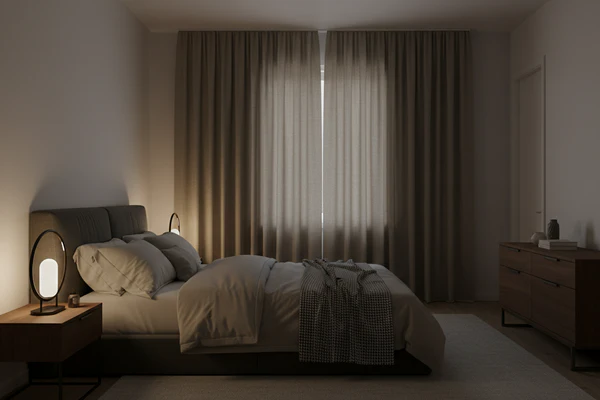
Are blackout curtains actually healthy?
Behind the simple label “blackout” lies a surprisingly complex world of materials science, textile engineering, and chemical finishing processes. Two curtains may both claim 100% light blocking, yet achieve that result through completely different methods — one relying on dense physical construction, the other on chemical coatings.
Understanding the difference between physical blackout fabrics and chemically coated blackout curtains can dramatically impact indoor air quality, durability, comfort, and long-term satisfaction.
This guide uncovers what manufacturers rarely explain clearly: how blackout curtains really work, what materials are used, and which option is better for health-conscious households.
What Does “Blackout” Actually Mean?
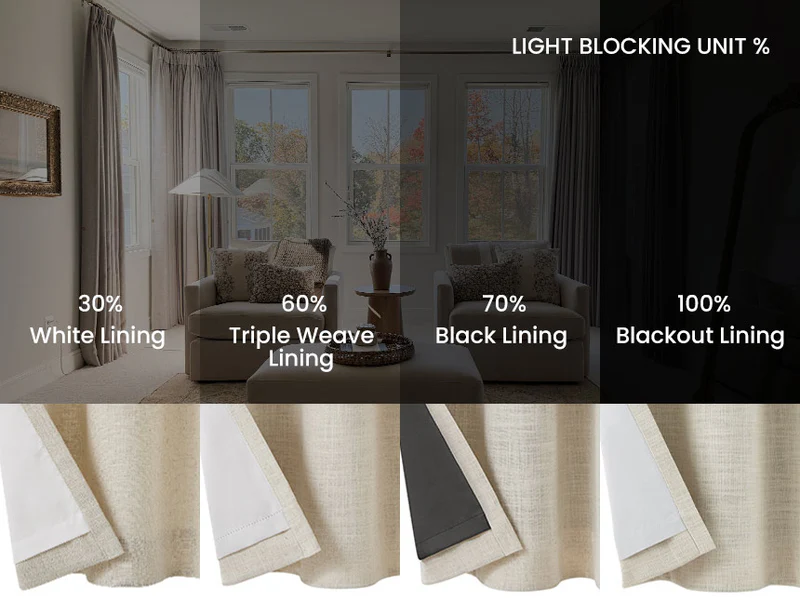
Many consumers assume blackout means total darkness. In practice, the term refers to a curtain’s ability to block incoming light — typically between 90% and 100%.
However, there is no universal global standard defining blackout performance.
Manufacturers may label products as:
- Room darkening (70–90% light reduction)
- Blackout (90–99%)
- Total blackout (near 100%)
The method used to achieve this performance matters more than the label itself.
The Two Main Types of Blackout Curtains
Nearly all blackout curtains fall into two categories:
- Physical blackout fabrics
- Chemical coating blackout fabrics
They may look similar from the outside, but their structure and behavior differ significantly.
Physical Blackout Curtains: How They Work
Physical blackout fabrics block light through material density and structural layering, not chemical treatments.
Instead of applying a light-blocking layer afterward, manufacturers weave or laminate multiple fabric layers together.
Typical construction includes:
- Decorative outer fabric
- High-density middle layer
- Dark inner layer designed to absorb light
The middle layer prevents light penetration by eliminating gaps between fibers.
Why Density Matters
Light travels through microscopic spaces between threads. Physical blackout fabrics reduce or eliminate these spaces through:
- Tight weaving techniques
- Multi-layer bonding
- Thick yarn structures
- Integrated dark cores
Rather than reflecting light chemically, they physically stop photons from passing through.
Chemical Coating Blackout Curtains: How They Work
Chemical blackout curtains rely on applied coatings to block light.
After the base fabric is produced, manufacturers add a backing layer made from materials such as:
- Acrylic foam
- PVC coatings
- Polyurethane layers
- Latex compounds
These coatings create an opaque barrier that prevents light transmission.
Often, you can identify coated blackout curtains by a rubbery or slightly plastic-like backing.
Why Manufacturers Use Chemical Coatings
Coating technology offers several advantages from a production standpoint:
- Lower manufacturing cost
- Faster production
- Lightweight fabrics
- Easier color matching
- High immediate blackout performance
This makes coated curtains widely available and affordable.
However, performance and health considerations can differ from physical blackout fabrics.
The Health Question: Why Material Choice Matters
Curtains cover large surface areas inside homes. Unlike small décor items, they continuously interact with indoor air.
This raises important concerns:
- Chemical emissions
- Odor release
- Dust retention
- Heat interaction
- Long-term material stability
Indoor air quality experts increasingly emphasize that textiles contribute significantly to indoor environments.
Understanding VOCs (Volatile Organic Compounds)
One major concern with chemically coated blackout curtains is VOC emissions.
VOCs are gases released from certain manufactured materials, especially when new.
Possible sources include:
- Synthetic coatings
- Adhesives
- Plasticizers
- Finishing chemicals
Common signs of VOC presence:
- Strong “new curtain” smell
- Headaches after installation
- Irritated throat or eyes
- Lingering chemical odor
While emissions usually decrease over time, sensitive individuals may notice effects longer.
Are All Chemical Blackout Curtains Unsafe?
No — and this is where nuance matters.
Modern manufacturing has improved significantly. Many reputable brands now produce low-emission coated fabrics.
Safety depends on:
- Coating formulation
- Manufacturing standards
- Certification testing
- Ventilation conditions
The issue isn’t coatings themselves but quality and chemical composition.
Cheap coatings are more likely to off-gas heavily.
Why Physical Blackout Fabrics Are Often Considered Healthier
Physical blackout curtains typically contain fewer added chemical layers.
Benefits include:
- Minimal odor
- Reduced emissions
- Greater breathability
- Stable material composition
- Lower long-term degradation risk
Because light blocking comes from structure rather than coating, fewer synthetic additives are required.
For households prioritizing wellness, this construction is often preferred.
Breathability and Indoor Comfort
An overlooked difference between the two types is airflow.
Physical Blackout
- Slightly breathable
- Helps regulate humidity
- Reduces condensation risk
Chemical Coating
- Often airtight
- Can trap heat near windows
- May increase moisture buildup
Breathability affects comfort, especially in humid climates or bedrooms.
Durability Comparison
Blackout curtains face constant environmental stress:
- Sunlight exposure
- Temperature changes
- Folding and movement
- Washing or cleaning
Physical Blackout Durability
Because layers are integrated, performance remains stable over time.
Light-blocking ability usually stays consistent even after years of use.
Chemical Coating Durability
Coatings may:
- Crack
- Peel
- Harden
- Flake after repeated folding
Sun exposure accelerates aging in some coated fabrics.
Noise Reduction Differences
Many buyers don’t realize blackout curtains also affect acoustics.
Physical blackout fabrics tend to:
- Absorb sound better
- Reduce echo
- Improve room quietness
Their thicker textile structure acts as acoustic insulation.
Coated fabrics block light effectively but may reflect sound rather than absorb it.
Thermal Insulation Performance
Both types can improve energy efficiency, but mechanisms differ.
Physical blackout fabrics trap air between layers, creating natural insulation.
Chemical coatings reflect heat but may not retain warmth as effectively in winter.
In practice:
- Physical blackout = balanced year-round insulation
- Coated blackout = strong light blocking with variable thermal comfort
Texture, Appearance, and Luxury Feel
Touch reveals a major difference.
Physical blackout curtains usually feel:
- Soft
- Fabric-like on both sides
- Drapable and heavy
Chemical-coated curtains often feel:
- Stiffer
- Slightly plastic-backed
- Less fluid when hanging
Interior designers often prefer physical blackout for premium aesthetics.
Cleaning and Maintenance Considerations
Cleaning methods vary significantly.
Physical Blackout Curtains
- Often machine washable (check labels)
- Maintain structure after cleaning
- Less risk of surface damage
Chemical Coatings
- Heat can damage backing
- Washing may weaken coatings
- Dry cleaning sometimes required
Improper washing can shorten lifespan dramatically.
Allergy and Sensitivity Considerations
For sensitive households — especially with children or pets — material stability matters.
Physical blackout fabrics generally:
- Collect less chemical residue
- Produce fewer odors
- Age more predictably
Coated curtains may initially release smells that trigger sensitivities.
Ventilation after installation is recommended regardless of type.
Environmental Impact
Sustainability increasingly influences buying decisions.
Physical blackout fabrics:
- Often recyclable as textiles
- Contain fewer synthetic layers
- Longer lifespan reduces waste
Chemical coatings:
- Harder to recycle
- Multi-material construction complicates disposal
- Shorter replacement cycles increase environmental footprint
Longevity is a major sustainability factor.
Cost Differences Explained
Physical blackout curtains usually cost more.
Reasons include:
- Complex weaving processes
- More raw material usage
- Heavier fabric weight
- Longer production time
Chemical-coated curtains reduce cost through simplified manufacturing.
Lower price does not automatically mean poor quality — but extremely cheap blackout curtains often rely on heavy coatings.
How to Identify Each Type When Shopping
You don’t need technical expertise to tell them apart.
Signs of Physical Blackout
- Same fabric appearance front and back
- No rubbery backing
- Soft folding behavior
- Heavier weight
- Minimal odor
Signs of Chemical Coating
- White or gray backing layer
- Slight plastic texture
- Strong initial smell
- Visible coating under close inspection
Touch and smell are surprisingly reliable indicators.
Common Marketing Terms (And What They Really Mean)
Retail descriptions can be confusing.
Terms often used for coated curtains:
- Triple-pass coating
- Foam backing
- Thermal coating
- Light-block backing
Terms more common for physical blackout:
- Woven blackout
- Layered blackout fabric
- Yarn-dyed blackout
- Integrated blackout technology
Understanding terminology helps decode product listings.
Which Option Is Better for Bedrooms?
For sleep-focused environments, priorities include:
- Darkness
- Air comfort
- Low odor
- Quietness
Physical blackout fabrics often provide a more balanced sleeping environment due to breathability and acoustic absorption.
Best Choice for Nurseries and Kids’ Rooms
Parents frequently prioritize low chemical exposure.
Physical blackout curtains are commonly favored because they minimize added coatings and odors.
Proper ventilation remains important regardless of material.
When Chemical Blackout Curtains Make Sense
Despite concerns, coated blackout curtains can still be a good choice in certain situations:
- Temporary housing
- Budget constraints
- Rental apartments
- Short-term installations
- Decorative spaces with limited daily use
High-quality coated fabrics can perform very well when properly manufactured.
Installation Matters More Than You Think
Even the best blackout curtain fails if installed incorrectly.
Light leaks usually occur at:
- Curtain edges
- Top gaps
- Insufficient width coverage
Choose curtains 1.5–2 times wider than the window for full effectiveness.
The Future of Blackout Fabric Technology
Innovation is moving toward hybrid solutions:
- Nano-layer textile engineering
- Chemical-free opacity techniques
- Recycled fiber blackout yarns
- Bio-based coatings with low emissions
Manufacturers are responding to growing demand for healthier interiors.
Quick Buying Checklist
Before purchasing, ask:
✔ Is blackout achieved structurally or through coating?
✔ Does the curtain have a strong odor?
✔ Is breathability important for the room?
✔ Will curtains be washed regularly?
✔ Is long-term durability a priority?
These questions help narrow choices quickly.
Final Verdict: Which Is Healthier?
If health, longevity, and indoor comfort are primary concerns, physical blackout curtains generally offer advantages due to reduced chemical treatments and stable material construction.
Chemical-coated blackout curtains remain practical and effective for many households, especially when manufactured responsibly.
The healthiest choice ultimately depends on quality, transparency from manufacturers, and how the product fits your living environment.
Closing Thoughts
Blackout curtains may seem like a simple home purchase, yet they represent a fascinating intersection of textile engineering, indoor environmental science, and modern lifestyle needs.
Understanding how blackout fabrics actually work empowers buyers to move beyond marketing labels and choose products aligned with comfort, health, and durability.
The real secret isn’t just achieving darkness — it’s creating a living space that feels calm, breathable, and supportive of everyday well-being.
And sometimes, the difference between a good curtain and a great one comes down to something invisible: how the light is blocked in the first place.
Need Help with Your Custom Project?
Have questions about materials, sizing, or looking for a quick quote? Drop us a message and our experts will respond within 24 hours.
Chat on WhatsApp
+1 (304) 356-6765
Send us an Email
hello@incustom.com
Picked for You