Breathability Matters: Why Cheap Covers Can Actually Damage Your Furniture

Aug 07 2026
Introduction: The Cover That Protects Your Furniture Could Also Be Destroying It
When people buy furniture covers, their main goal is simple: protect their valuable furniture from damage.
Whether it is an outdoor sofa, patio dining set, garden chair, lounge furniture, or indoor furniture stored temporarily, a protective cover seems like an easy solution. A good cover can block dust, rain, sunlight, leaves, and other environmental threats.
However, many homeowners make one common mistake: they choose a cover based only on price and waterproof performance.
A cheaper cover may appear to provide excellent protection because it is thick, tightly sealed, and completely blocks water. But in reality, some low-quality covers can create hidden problems that slowly damage the furniture underneath.
The reason is a factor that many buyers overlook:
Breathability.
A furniture cover should not only prevent outside moisture from entering. It must also allow trapped humidity and internal moisture to escape.
Without proper airflow, the space between the cover and furniture can become a warm, damp environment where mold, mildew, corrosion, and material deterioration develop quickly.
A cover that cannot breathe may protect your furniture from the rain while damaging it from the inside.
Understanding the importance of breathable furniture covers can help you make smarter purchasing decisions, protect your investment, and extend the lifespan of your furniture.
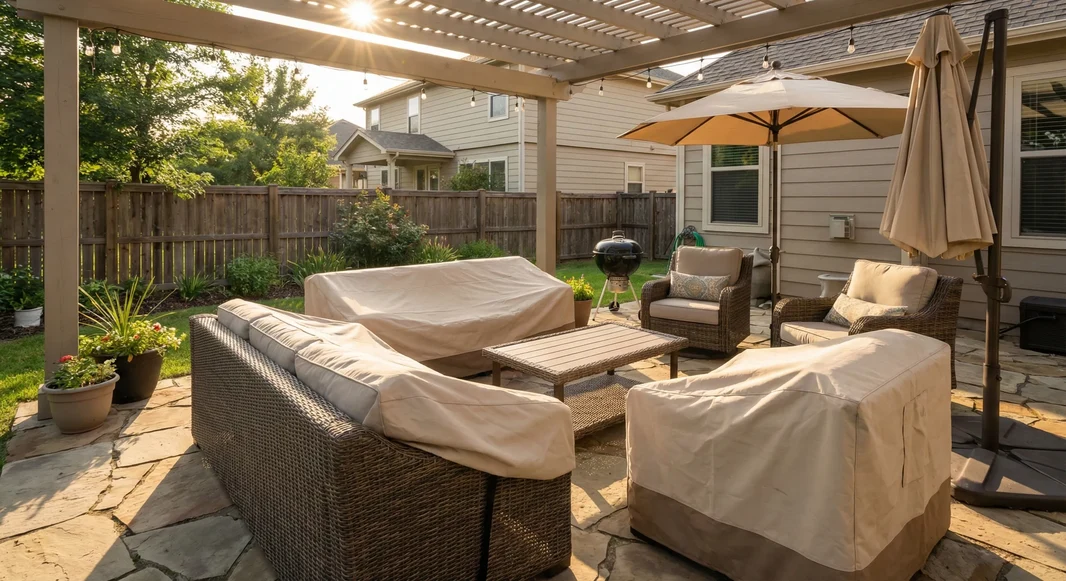
Why Furniture Protection Requires More Than Waterproof Material
Outdoor furniture faces constant environmental challenges throughout the year.
Even high-quality furniture can suffer damage from:
- Rain
- Snow
- Humidity
- Strong sunlight
- Dust
- Dirt
- Tree pollen
- Bird droppings
- Temperature changes
- Wind-blown debris
A furniture cover acts as a protective barrier against these elements.
However, effective protection is not simply about creating a completely closed environment.
Furniture protection requires balance.
A good cover should:
- Block external water
- Reduce UV exposure
- Prevent dust buildup
- Allow moisture vapor to escape
- Maintain air circulation
Many inexpensive covers focus only on the first point: keeping water out.
While waterproofing is important, it is only one part of complete furniture protection.
The Hidden Danger of Cheap Furniture Covers
Low-cost covers are attractive because they appear to offer an affordable way to protect expensive furniture.
A buyer may think:
“Why spend more on a cover when a basic waterproof cover can do the same job?”
The problem is that furniture covers are not all designed with the same materials, construction methods, or performance standards.
Cheap covers often reduce manufacturing costs by using:
- Thin plastic materials
- Non-breathable coatings
- Poor-quality synthetic fabrics
- Weak stitching
- Limited ventilation designs
At first, these covers may look effective.
They block rain.
They prevent dust.
They cover the furniture completely.
But after weeks or months of use, hidden problems may appear.
Common signs include:
- Musty smells
- Mold spots
- Damp cushions
- Rust marks
- Peeling surfaces
- Warped wood
- Discoloration
In many cases, the cover itself becomes the cause of the damage.
What Is Breathability and Why Is It Important?
Breathability refers to the ability of a material to allow air and water vapor to move through it.
In simple terms:
A breathable furniture cover lets moisture escape while still protecting furniture from external weather conditions.
This is different from being completely open or allowing rain to pass through.
Modern breathable materials are designed to create a balance:
- Liquid water stays outside.
- Water vapor moves outward.
- Air circulation reduces moisture buildup.
This balance is especially important for outdoor furniture because moisture does not only come from rain.
Where Does Hidden Moisture Come From?
Many people assume moisture only comes from direct rainfall.
However, furniture can become wet from many sources.
Morning Dew
Outdoor furniture often collects condensation overnight.
Even without rain, cushions and surfaces may become slightly damp.
Humid Air
In areas with high humidity, moisture naturally exists in the surrounding air.
When furniture is covered tightly, this humidity can become trapped underneath.
Wet Furniture Before Covering
A common mistake is covering furniture immediately after:
- Cleaning
- Rain exposure
- Morning dew
- Poolside use
If moisture is already present, a non-breathable cover locks it inside.
Temperature Changes
Daily temperature changes create condensation cycles.
For example:
- Furniture warms during the day.
- Temperature drops at night.
- Moist air condenses into water droplets.
- The cover prevents evaporation.
Over time, repeated cycles create persistent dampness.
How Trapped Moisture Damages Furniture
Moisture itself is not always the problem.
The real issue is moisture that cannot escape.
A breathable environment allows furniture to dry naturally.
A sealed environment keeps moisture trapped.
This difference can determine whether your furniture lasts several years or deteriorates quickly.
Damage Type 1: Mold and Mildew Growth
Mold is one of the most common consequences of poor ventilation.
Mold grows especially well in environments with:
- High humidity
- Limited airflow
- Organic materials
Outdoor cushions and fabrics are particularly vulnerable.
Signs of mold damage include:
- Black spots
- Green patches
- White powdery residue
- Unpleasant odors
Once mold penetrates deep into cushion foam or fabric layers, removal becomes extremely difficult.
Damage Type 2: Cushion Deterioration
Outdoor cushions often contain foam materials that absorb moisture.
When trapped under a non-breathable cover, cushions may experience:
- Slow drying
- Internal moisture buildup
- Odor development
- Reduced softness
- Material breakdown
The outside may look protected, but the inside can deteriorate over time.
A breathable cover helps cushions maintain a healthier moisture balance.
Damage Type 3: Wooden Furniture Problems
Wood is a natural material that reacts to moisture changes.
Too much trapped humidity can cause:
- Swelling
- Cracking
- Warping
- Surface peeling
- Finish damage
Wood furniture requires protection from rain, but it also needs the ability to release moisture.
A completely sealed cover can interfere with this natural process.
Damage Type 4: Metal Corrosion
Metal furniture may appear stronger than wood or fabric, but moisture problems still affect it.
Steel and iron components are especially vulnerable.
A damp environment under a poorly ventilated cover can accelerate:
- Rust formation
- Surface corrosion
- Coating failure
Even stainless or treated metals may experience long-term damage when exposed to constant moisture.
Damage Type 5: Plastic and Synthetic Material Aging
Plastic furniture and synthetic materials can also suffer from poor ventilation.
Trapped heat and moisture may contribute to:
- Surface discoloration
- Material weakening
- Loss of flexibility
Combined with sunlight exposure, these effects can shorten product lifespan.
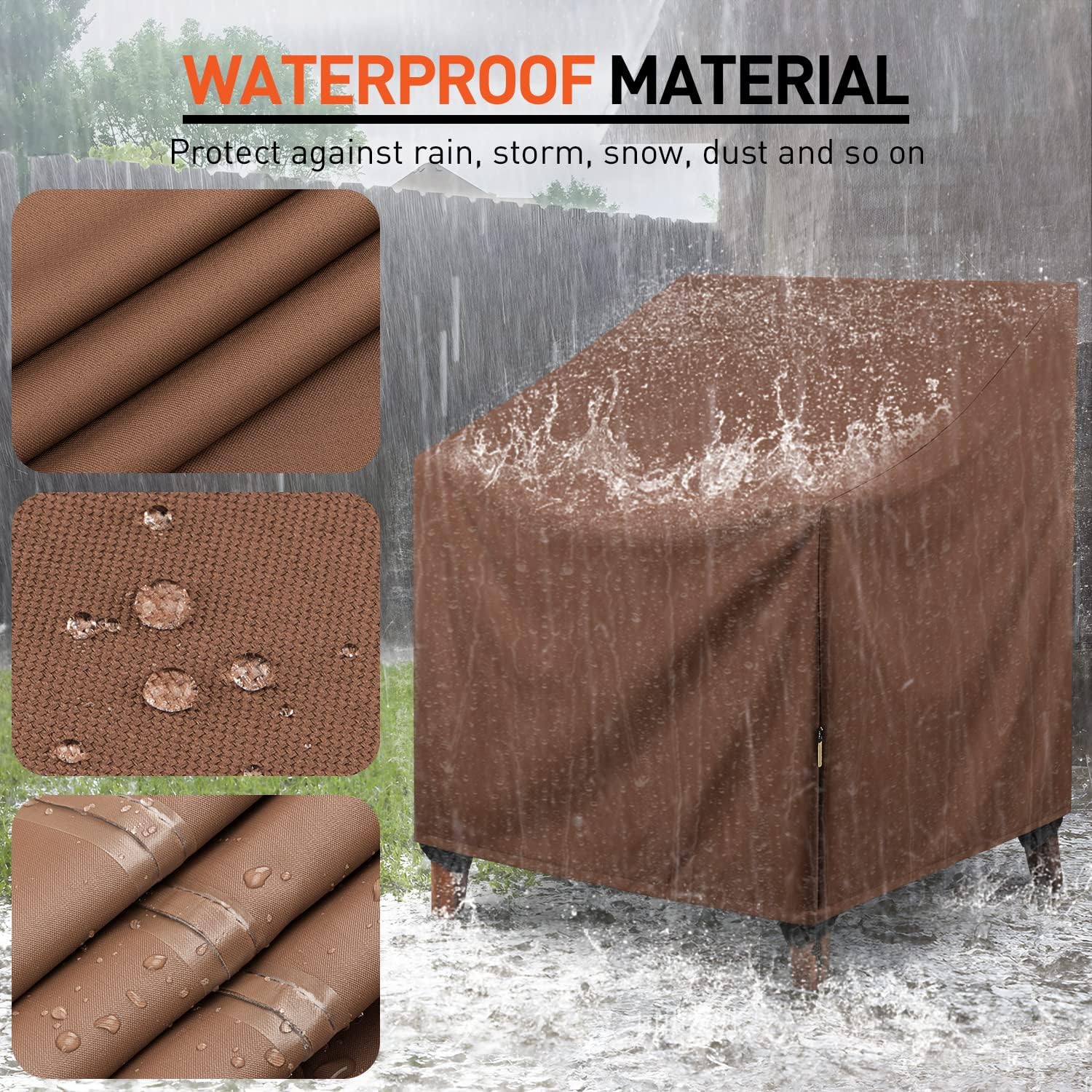
Comparing Furniture Cover Materials: Why Fabric Choice Makes a Difference
When choosing a furniture cover, many buyers focus on appearance, thickness, and price. However, the material itself determines how well the cover performs over time.
Different materials provide different levels of:
- Water resistance
- Breathability
- UV protection
- Durability
- Temperature control
- Maintenance convenience
Understanding the differences between common cover materials can help you choose a product that truly protects your furniture.
PVC Covers: Strong Waterproof Protection but Limited Breathability
PVC (polyvinyl chloride) covers are popular because they are inexpensive and highly water-resistant.
Advantages include:
- Strong waterproof performance
- Easy cleaning
- Low purchase cost
- Good protection against rain
However, many basic PVC covers have one major disadvantage:
Poor moisture release.
Because PVC creates a relatively sealed surface, water vapor generated underneath the cover may have difficulty escaping.
This can lead to:
- Condensation buildup
- Mold growth
- Damp furniture surfaces
- Increased heat accumulation
PVC covers may be suitable for short-term protection or certain environments, but they are not always the best choice for long-term outdoor furniture storage.
Polyester Covers: A Better Balance of Protection and Breathability
Polyester is one of the most common materials used in higher-quality furniture covers.
It offers:
- Good strength
- Lightweight construction
- Better airflow potential
- Resistance to stretching
- Easy maintenance
Many polyester covers include additional coatings that improve:
- Water resistance
- UV protection
- Stain resistance
The key advantage is that polyester fabrics can be engineered to provide protection without completely blocking moisture movement.
Oxford Fabric Covers: Durable Protection for Outdoor Furniture
Oxford fabric is widely used for outdoor protection products because of its durability.
Common benefits include:
- Strong woven structure
- Tear resistance
- Better outdoor performance
- Long service life
High-quality Oxford fabric covers often combine:
- Dense fabric construction
- Waterproof coatings
- Breathable layers
- Reinforced stitching
This makes them suitable for:
- Patio sofas
- Dining tables
- Outdoor chairs
- Garden furniture
However, quality varies greatly between products.
A thick-looking Oxford cover is not automatically breathable. The fabric structure and coating technology matter.
Multi-Layer Covers: The Modern Approach to Furniture Protection
Premium furniture covers often use multiple layers rather than a single material.
A typical multi-layer design may include:
Outer Protective Layer
Designed to resist:
- Rain
- Sunlight
- Dirt
- Wind
Middle Breathable Layer
Helps manage:
- Moisture vapor
- Condensation
- Air circulation
Inner Soft Layer
Protects furniture surfaces from:
- Scratches
- Friction
- Coating damage
This combination creates a more complete protection system.
Why Thick Does Not Always Mean Better
A common misunderstanding is that thicker covers provide better protection.
Thickness can improve:
- Tear resistance
- Mechanical strength
- Weather resistance
However, thickness alone does not guarantee performance.
A thick but non-breathable cover may create more problems than a thinner breathable one.
The best cover is not necessarily the heaviest cover.
It is the one that provides the right balance of:
- Protection
- Ventilation
- Durability
- Moisture control
Important Design Features of High-Quality Furniture Covers
Beyond material selection, cover design plays a major role in performance.
1. Ventilation Openings
Good furniture covers often include strategically positioned vents.
These openings allow:
- Air exchange
- Moisture release
- Temperature regulation
Properly designed vents should reduce condensation without allowing excessive rain penetration.
2. Adjustable Fit
A cover that is too tight can restrict airflow.
A cover that is too loose may:
- Collect rainwater
- Catch wind
- Create unnecessary stress on seams
The ideal cover provides enough space for air movement while maintaining secure protection.
3. Reinforced Seams
The seams are often the weakest points of a furniture cover.
Quality covers use:
- Double stitching
- Reinforced edges
- Durable thread materials
Strong seams help prevent:
- Water leakage
- Tearing
- Premature failure
4. Secure Fastening Systems
Outdoor covers must withstand changing weather conditions.
Useful fastening features include:
- Drawstrings
- Buckles
- Adjustable straps
- Elastic hems
A secure cover stays in place during:
- Wind
- Storms
- Seasonal weather changes
5. Water-Shedding Design
A good cover should prevent water from pooling.
Flat areas can collect rainwater, creating:
- Extra weight
- Pressure on seams
- Long drying times
Better designs encourage water runoff.
How to Choose a Breathable Furniture Cover
Selecting the right cover requires considering your environment, furniture type, and usage habits.
Consider Your Climate
Different climates create different protection challenges.
Humid Regions
Breathability is especially important.
Look for:
- Ventilation features
- Moisture management materials
- Airflow-friendly designs
Rainy Areas
Prioritize:
- Water-resistant outer layers
- Strong seams
- Good drainage design
Hot and Sunny Locations
Look for:
- UV-resistant materials
- Heat-reducing designs
- Breathable construction
Cold and Snowy Regions
Choose covers with:
- Strong waterproof protection
- Durable fabrics
- Weather-resistant coatings
Consider the Furniture Material
Different furniture materials require different protection strategies.
Wooden Furniture
Needs:
- Moisture control
- UV protection
- Breathable coverage
Avoid covers that trap humidity.
Fabric Furniture
Needs:
- Mold prevention
- Air circulation
- Easy cleaning
Breathability is especially important.
Metal Furniture
Needs:
- Water protection
- Corrosion prevention
- Condensation control
Plastic Furniture
Needs:
- UV protection
- Heat management
- Surface protection
Cheap Cover vs. High-Quality Cover: What Is the Real Difference?
The price difference between furniture covers often reflects more than appearance.
A cheap cover may save money initially but create additional costs later.
Short-Term Savings
A low-cost cover may seem attractive because:
- It is affordable
- It provides immediate coverage
- It looks similar to premium products
Long-Term Costs
However, damaged furniture may require:
- Deep cleaning
- Repairs
- Replacement cushions
- New furniture purchases
The total cost may exceed the price of a better-quality cover.
Investment Protection
Furniture is often a significant investment.
A high-quality cover helps protect:
- Appearance
- Functionality
- Comfort
- Resale value
The goal is not to buy the cheapest cover.
The goal is to protect the furniture effectively.
Proper Maintenance: Even the Best Cover Needs Care
A breathable furniture cover performs best when properly maintained.
Clean the Cover Regularly
Dust and dirt can reduce material performance.
Regular cleaning helps maintain:
- Water resistance
- Appearance
- Breathability
Follow manufacturer cleaning instructions.
Allow Furniture to Dry Before Covering
Never cover wet furniture if possible.
Before covering:
- Remove rainwater
- Dry cushions
- Allow airflow
Starting with dry furniture prevents moisture problems.
Inspect the Cover Periodically
Check for:
- Tears
- Damaged seams
- Worn coatings
- Blocked vents
Early repairs can extend cover lifespan.
Remove the Cover Occasionally
Even breathable covers benefit from periodic removal.
Allow furniture to:
- Receive fresh air
- Dry naturally
- Release accumulated humidity
This is especially important during long storage periods.
Common Questions About Breathable Furniture Covers
Are Waterproof Covers Always Better?
No.
Waterproofing is important, but complete sealing can trap moisture.
The best covers balance water resistance with breathability.
Can a Cheap Plastic Cover Protect Furniture?
It may provide temporary protection, but long-term use may increase risks related to:
- Condensation
- Mold
- Heat buildup
How Can I Tell If a Cover Is Breathable?
Look for:
- Breathable fabric descriptions
- Ventilation features
- Moisture management technology
- Quality construction details
A reputable manufacturer should provide clear material information.
Should Furniture Covers Touch the Furniture?
A proper fit is important.
The cover should protect the furniture while allowing some airflow.
A cover pressed tightly against cushions may reduce ventilation.
Final Thoughts: The Best Furniture Cover Protects From Outside and Breathes From Inside
Choosing a furniture cover is not simply about finding the cheapest waterproof option.
True protection requires a balance between:
- Weather resistance
- Breathability
- Material quality
- Proper design
A cheap, non-breathable cover may appear to protect your furniture, but trapped moisture can slowly create expensive problems beneath the surface.
Mold, mildew, rust, fabric damage, and wood deterioration often begin with one simple issue:
Poor moisture control.
A high-quality breathable furniture cover works differently. It creates a protective barrier while allowing your furniture to release humidity naturally.
When choosing a cover, remember:
A good cover does not simply block the environment.
It manages the environment.
By investing in breathable protection, you can extend furniture life, reduce maintenance work, and keep your outdoor living space looking beautiful for many years.
The smartest protection is not the cover that feels the thickest or costs the least.
It is the cover that understands what your furniture truly needs.
Feel free to leave a comment to inquire about pricing and explore customized landscape design solutions for your dream outdoor garden.
Need Help with Your Custom Project?
Have questions about materials, sizing, or looking for a quick quote? Drop us a message and our experts will respond within 24 hours.
Chat on WhatsApp
+1 (304) 356-6765
Send us an Email
hello@incustom.com
Picked for You