
Spending time outdoors is one of life’s simplest pleasures. Hiking, camping, backpacking, kayaking, or even a weekend in the wilderness offers a chance to recharge, explore, and enjoy nature. But when it comes to outdoor adventures, a limited budget can be challenging. Everyone wants to save money, but some outdoor gear is too important to cut corners on. Choosing poorly in critical areas can turn an enjoyable trip into a frustrating—or even dangerous—experience.
In this guide, we’ll take an in-depth look at the outdoor equipment that’s worth investing in, why quality matters, and how even budget-conscious adventurers can make smart gear choices without breaking the bank.
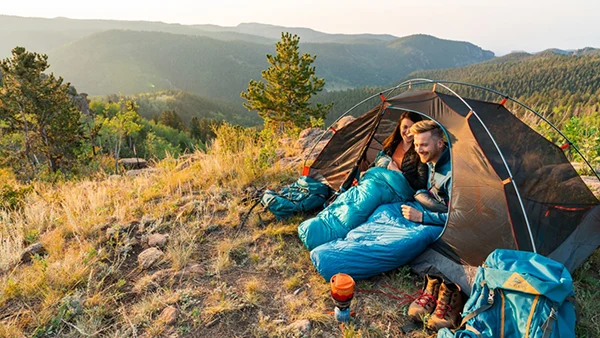
1. Footwear: The Foundation of Every Adventure
Nothing ruins a hike faster than uncomfortable or unreliable shoes. Your feet carry you over uneven terrain, rocky paths, muddy trails, and slippery surfaces. Cheap or ill-fitting footwear can lead to:
- Blisters
- Sprained ankles
- Lost traction
- Foot fatigue
- Long-term injuries
Hiking Boots and Shoes
- Support matters: A solid hiking boot provides ankle stability for rough terrain. Even if you hike short distances, proper support prevents accidents.
- Durability: Invest in footwear with high-quality soles and breathable, water-resistant materials.
- Fit is everything: Never choose based solely on looks or price. A poorly fitted boot is more expensive in the long run because of discomfort or injury.
Trail Running Shoes
For lighter hikes or fast-paced treks, trail running shoes can be a good alternative. Look for shoes that:
- Offer firm grip on uneven surfaces
- Provide cushioning for impact absorption
- Are quick-drying if exposed to water or mud
Tip: Spend a little more on footwear than you initially planned. Your feet will thank you.
2. Outerwear: Protection Against the Elements
Weather can change in minutes, and your clothing is your first line of defense. Cutting corners on jackets, rain gear, or layering systems can leave you cold, wet, and miserable.
Waterproof Jackets
- Function over fashion: Look for waterproof, windproof, and breathable materials.
- Durability: Jackets with high-quality zippers and seams last years.
- Multi-season use: Investing in one versatile jacket saves money over multiple cheaper alternatives.
Insulation Layers
- Synthetic or down layers: Essential for warmth in cold conditions. Cheaper alternatives often fail after a few uses or in wet conditions.
- Layering strategy: Combine a moisture-wicking base layer, an insulating mid-layer, and a weather-resistant outer layer for optimal protection.
Tip: Think of jackets and insulation as long-term investments. The cost is worth the comfort, safety, and longevity.
3. Backpacks: Your Mobile Base Camp
A backpack isn’t just a bag—it’s a mobile base for all your gear. A poorly designed backpack can cause back pain, improper weight distribution, and difficulty accessing essentials.
Key Features to Prioritize
- Frame type: Internal frames offer stability for heavier loads; external frames are great for bulky, uneven gear.
- Fit and comfort: Adjustable straps, padded hip belts, and breathable back panels make long treks more enjoyable.
- Durability: Reinforced stitching and water-resistant fabric prevent wear and tear.
Tip: Don’t skimp on a backpack. Cheap options may save a few dollars initially, but discomfort and gear damage can cost you much more in the long run.
4. Sleep Systems: Resting Well Matters
Camping isn’t just about the adventure—it’s about recovery. A good night’s sleep keeps you energized, alert, and safe in the outdoors.
Sleeping Bags
- Temperature rating: Always check the rating relative to the expected weather conditions.
- Insulation quality: High-quality down or synthetic insulation retains heat better and lasts longer.
- Durability: Strong zippers, reinforced seams, and quality fabrics prevent early wear.
Sleeping Pads
- Comfort and insulation: Pads provide cushioning from rocks and cold ground.
- Longevity: Cheap foam pads compress quickly, losing comfort and protection over time.
Tip: Even on a budget, prioritize quality sleep gear. Your body’s performance depends on it.
5. Tents: Shelter You Can Trust
A reliable tent protects you from wind, rain, insects, and temperature fluctuations. A poor tent can ruin a trip, especially in extreme conditions.
Considerations for Tent Selection
- Weather suitability: Three-season tents are versatile; four-season tents withstand harsher conditions.
- Ease of setup: Time saved during setup means more time enjoying your adventure.
- Durability: Quality poles, zippers, and fabrics prevent breakdowns during extended trips.
Tip: A sturdy tent is not optional. Skimping here can lead to wet nights, sleepless camping, or worse.
6. Hydration Systems: Water Safety is Critical
Dehydration and waterborne illnesses are common risks during outdoor activities. Water bottles or filtration systems are a critical safety investment.
Options to Prioritize
- Filtration systems: Portable filters or purification tablets ensure you can safely drink from streams or lakes.
- Durable bottles: BPA-free and impact-resistant bottles last longer and resist damage.
- Hydration packs: Convenient for long hikes and hands-free hydration.
Tip: Always plan for reliable hydration. It’s not just comfort—it’s a safety necessity.
7. Navigation Tools: Don’t Rely on Your Phone Alone
Smartphones are useful, but batteries die and signals fail. Reliable navigation tools keep you safe.
- Topographic maps and compasses: Essential backups for GPS devices.
- GPS units: Dedicated devices are more durable and accurate in challenging conditions.
- Multi-use tools: Some GPS devices also include altimeters, weather alerts, or route tracking.
Tip: Skipping navigation essentials can turn a fun hike into a dangerous situation. Invest wisely.
8. Lighting: Don’t Get Caught in the Dark
Headlamps and flashlights are cheap investments that pay off every time.
- Hands-free headlamps: Allow multitasking and safer night navigation.
- Battery life: Opt for models with long-lasting and rechargeable batteries.
- Durability: Waterproof and shock-resistant designs endure outdoor conditions.
Tip: A reliable light source is essential for safety and convenience.
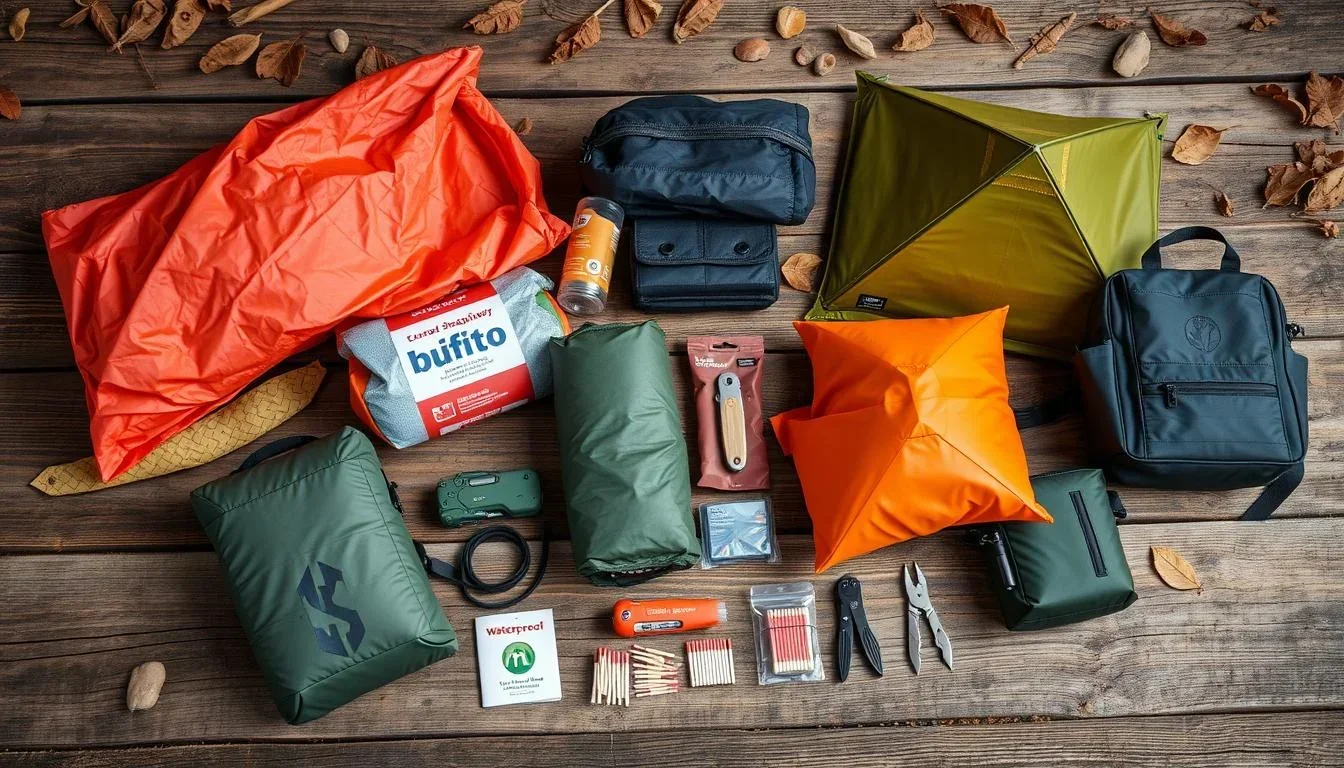
9. Safety and First Aid Gear: Prepare for the Unexpected
Emergencies happen, even on the best-planned trips. First aid kits, emergency blankets, whistles, and multi-tools are critical.
- Quality first aid kits: Pre-packed kits save time and ensure essential supplies are on hand.
- Multi-tools and knives: Durable tools can be lifesavers for gear repair or survival scenarios.
- Emergency signaling devices: Whistles, mirrors, or portable beacons enhance safety in remote areas.
Tip: Never compromise on safety gear. In a crisis, cheap alternatives can cost you far more than money.
10. Cookware and Food Storage: Efficiency and Safety
While food and cooking may seem less critical, poor-quality gear can impact safety and enjoyment.
- Lightweight stoves: Reliable fuel systems prevent failed meals in remote areas.
- Durable cookware: Non-stick, insulated, and heat-resistant materials make cooking easier and safer.
- Food storage: Bear-proof containers and airtight bags protect food from wildlife and spoilage.
Tip: Efficient cooking and food safety directly affect your energy and health during trips.
11. How to Balance Budget and Quality
For budget-conscious adventurers, consider these strategies:
- Prioritize essentials: Footwear, shelter, sleep systems, and hydration should be your top focus.
- Buy used or refurbished gear: Reputable second-hand outdoor stores offer high-quality equipment at lower costs.
- Rent for occasional use: Tents, backpacks, or specialized equipment can be rented if used infrequently.
- Invest gradually: Build a long-term gear collection, starting with items that affect safety and comfort.
- Read reviews and do research: Avoid impulse purchases and look for gear that balances cost and performance.
12. The Long-Term Value of Quality Gear
Spending a little more upfront often saves money and stress later:
- Durable gear lasts multiple seasons, reducing replacement costs.
- Comfortable and reliable equipment prevents injury and improves enjoyment.
- Versatile gear can be used across multiple outdoor activities.
Investing wisely in essential outdoor gear is not splurging—it’s smart planning.
Conclusion
Being budget-conscious is important, but when it comes to outdoor adventures, some equipment is worth every penny. Footwear, outerwear, backpacks, sleep systems, tents, hydration, navigation, lighting, safety tools, and cookware form the foundation of a safe, enjoyable, and successful outdoor experience. Skimping in these areas can lead to discomfort, injury, or worse.
By prioritizing these essentials, doing careful research, and using strategies like buying quality used gear or renting specialized items, budget-conscious adventurers can enjoy the outdoors safely and comfortably. In outdoor activities, quality is not a luxury—it
Need Help with Your Custom Project?
Have questions about materials, sizing, or looking for a quick quote? Drop us a message and our experts will respond within 24 hours.
Chat on WhatsApp
+1 (304) 356-6765
Send us an Email
hello@incustom.com
Picked for You