Camping Upgrade: Essential Gear Selection Logic Every Advanced Camper Must Know

May 28 2026
Camping is no longer just about pitching a tent and sleeping under the stars. For many outdoor enthusiasts, the experience has evolved into a carefully orchestrated adventure where comfort, efficiency, and safety are paramount. As you gain experience, basic gear may no longer suffice. Advanced campers understand that the right gear choices can significantly enhance the outdoor experience, reduce fatigue, and even increase safety.
Whether you’re a weekend warrior or planning multi-day expeditions in challenging environments, this guide provides a comprehensive breakdown of the logic behind selecting high-quality, functional camping equipment. From tents and sleeping systems to cookware, lighting, and navigation tools, we’ll explore how to think critically about each purchase, ensuring your investment translates into real-world benefits.
Understanding Your Camping Objectives
Before investing in gear, you must define your camping objectives. Every purchase should align with the type of activities you plan to undertake.
Duration of trips: Weekend trips require lighter gear, while week-long or multi-day trips need more robust systems.
Environmental conditions: Will you camp in mild climates, or are you venturing into cold, wet, or high-altitude environments?
Group size: Solo campers, couples, or family trips all have distinct gear needs.
Activity focus: Are you backpacking, car camping, or doing specialized activities like fishing, mountaineering, or cycling?
By clearly understanding these parameters, you can prioritize functionality over unnecessary gadgets, reducing weight, cost, and complexity.
Tent Selection Logic
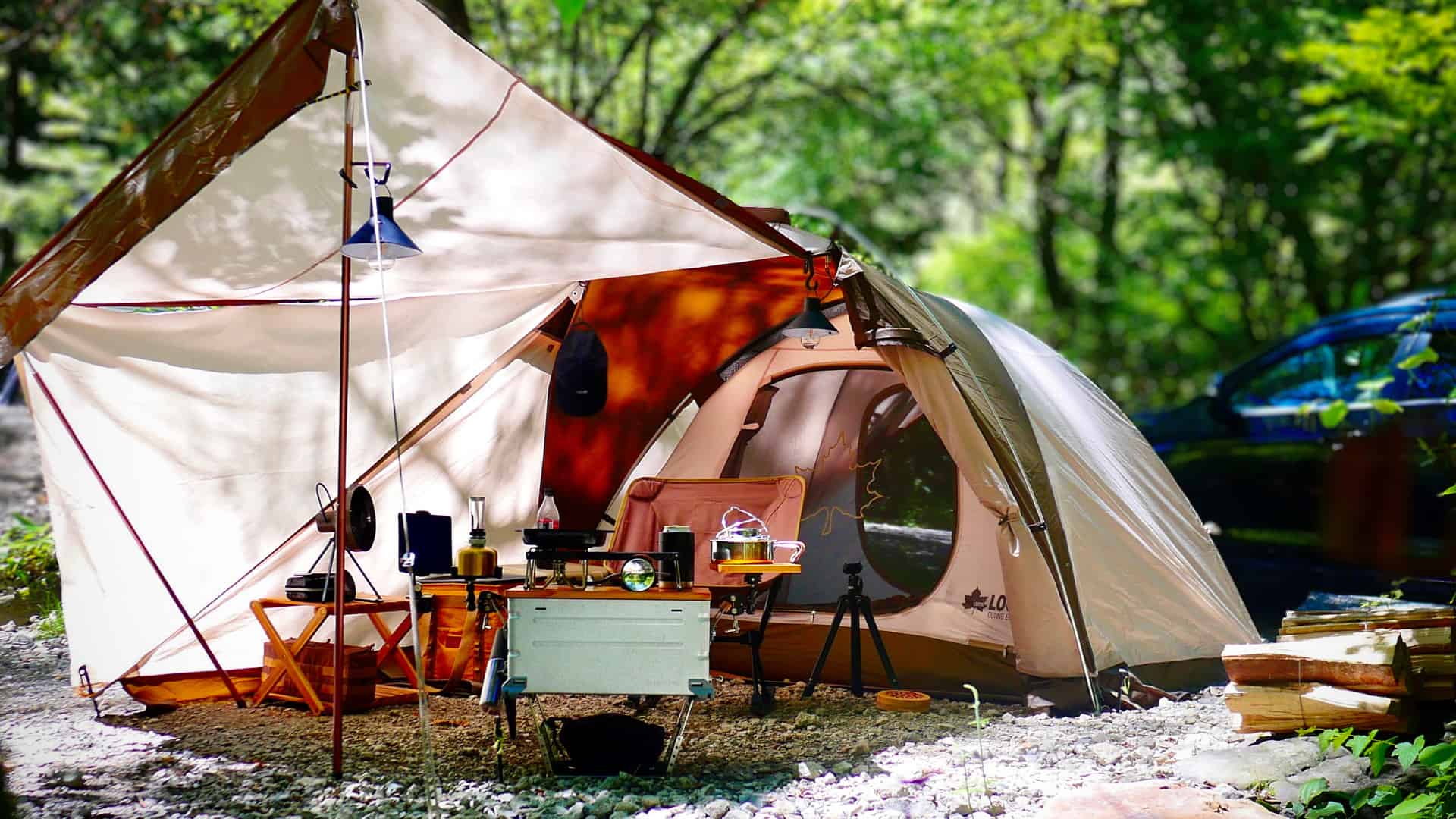
Your tent is the centerpiece of your campsite. The right tent provides shelter, comfort, and protection from the elements.
Key Considerations
Capacity and space: Choose a tent that fits your group comfortably, accounting for gear storage. For solo camping, a 1–2 person tent may suffice, but advanced campers often choose slightly larger tents for gear space.
Season rating:
3-season tents: Suitable for spring, summer, and fall; designed for rain and moderate wind.
4-season tents: Built for winter conditions, snow loads, and extreme winds.
Weight and portability: For backpacking, weight matters. Look for lightweight, high-performance materials without sacrificing durability.
Ventilation: Proper airflow prevents condensation, keeping the interior dry and comfortable.
Setup complexity: Freestanding tents offer flexibility, while trekking pole-supported tents reduce weight.
Advanced Tips
Material selection: Silicone-coated fabrics offer superior water resistance and durability compared to standard polyurethane coatings.
Poles: Aluminum poles are stronger and more durable than fiberglass, although slightly heavier.
Rainfly coverage: Full-coverage rainflies provide maximum protection against heavy rain and wind.
Sleeping System Logic
A good night’s sleep is critical. Your sleeping system includes your sleeping bag, pad, and optionally, a pillow.
Sleeping Bag
Temperature rating: Always select a bag rated for temperatures lower than expected to account for cold nights.
Insulation type:
Down: Lightweight, compressible, excellent warmth-to-weight ratio, but loses effectiveness when wet.
Synthetic: Heavier but retains warmth when damp and dries faster.
Shape and size: Mummy-shaped bags offer efficiency for warmth, while rectangular bags allow more movement.
Sleeping Pad
Insulation: R-values measure resistance to heat loss. Higher R-values are essential for cold environments.
Comfort: Self-inflating pads combine insulation and cushioning. Ultralight pads may sacrifice some comfort for weight reduction.
Durability: Look for puncture-resistant materials, especially if camping on rocky or uneven ground.
Pillows and Accessories
Inflatable or compressible pillows save space.
Consider sleeping bag liners for added warmth and hygiene.
Cooking and Food Preparation
Advanced campers recognize the importance of efficient, reliable cooking gear.
Stove Selection
Canister stoves: Lightweight, easy to use, ideal for backpacking.
Liquid fuel stoves: Reliable in cold or high-altitude conditions, can use multiple fuel types.
Wood-burning stoves: Lightweight and fuel-free, but require fire-safe environments.
Cookware
Material: Titanium is lightweight and durable; aluminum heats quickly and evenly.
Packability: Nesting pots and pans reduce bulk.
Multi-use: Consider pots that double as kettles or mess kits.
Fuel Considerations
Match your stove to available fuel sources. Canister availability varies by region, and liquid fuel is often more versatile in remote locations.
Food Storage
Bear-proof containers: Essential in areas with wildlife.
Coolers: For car camping, insulated coolers keep perishables safe.
Dry storage: Waterproof containers protect food from moisture.
Hydration Strategy
Water is one of the most critical aspects of camping safety.
Filtration: Portable filters or UV sterilizers ensure safe drinking water in backcountry settings.
Capacity: Calculate daily water needs, typically 2–3 liters per person per day, adjusting for climate and activity level.
Portability: Collapsible bottles and hydration bladders reduce space and weight in a backpack.
Lighting Logic
Proper lighting enhances safety and convenience after dark.
Headlamps: Keep hands free; choose LED models with adjustable brightness and long battery life.
Lanterns: Provide ambient light for communal areas. Rechargeable or solar options reduce reliance on disposable batteries.
Backup: Always carry spare batteries or charging solutions to avoid being stranded in the dark.
Navigation and Safety
Advanced campers do not rely solely on smartphones or GPS devices.
Maps and compass: Basic tools that work without power are essential backups.
GPS devices: Track routes, waypoints, and provide emergency assistance in remote areas.
Communication tools: Satellite messengers or personal locator beacons enhance safety in regions without cell coverage.
First aid kit: A comprehensive kit, including wound care, medications, and emergency supplies, is mandatory.
Clothing and Layering
Weather conditions can change rapidly. Layering is key to comfort and safety.
Base layer: Moisture-wicking fabrics like merino wool or synthetic materials keep skin dry.
Insulating layer: Fleece, down, or synthetic jackets provide warmth.
Outer layer: Waterproof and windproof shells protect against rain, snow, and wind.
Accessories: Hats, gloves, and gaiters extend protection and comfort in harsh conditions.
Advanced campers also consider UV protection, insect resistance, and odor control in clothing selections.
Footwear Strategy
Trail shoes: Lightweight and breathable for short hikes.
Hiking boots: Provide ankle support, durability, and water resistance for rough terrain.
Socks: Merino wool or synthetic blends reduce blisters and manage moisture.
Camp footwear: Sandals or lightweight shoes for relaxation at the campsite.
Technology and Gadgets
While minimalist campers prefer to disconnect, advanced adventurers often integrate technology thoughtfully:
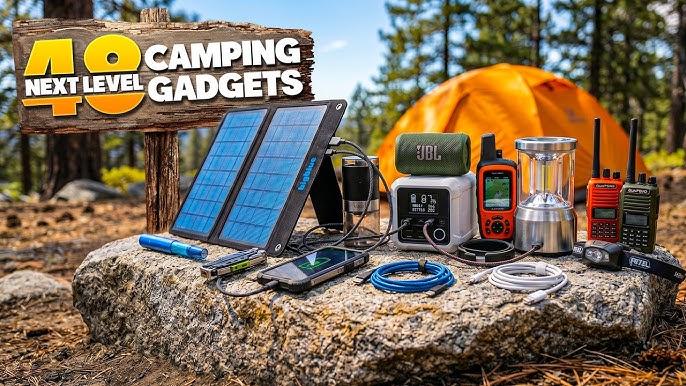
Portable chargers: Solar or battery-based chargers for devices and GPS.
Action cameras: Capture the adventure without sacrificing mobility.
Multi-tools: Swiss Army knives or compact multi-functional tools add versatility.
Weather sensors: Handheld devices or apps that monitor conditions improve safety and planning.
Maintenance and Longevity
Investing in quality gear is only part of the equation. Proper maintenance ensures long-term performance:
Clean tents and sleeping bags regularly.
Store gear in dry, ventilated spaces.
Check stove seals and fuel lines before trips.
Inspect footwear and replace worn components.
Rotate and condition down sleeping bags to maintain loft.
A well-maintained gear kit lasts for years and performs reliably in critical situations.
Budgeting Logic
Advanced campers understand that gear is an investment.
Prioritize items that enhance safety, comfort, and efficiency.
Avoid impulse purchases based on brand names alone.
Consider long-term value, not just upfront cost. Quality often outweighs cheap alternatives in performance and durability.
Combining Gear for Optimal Performance
High-performing camping experiences come from gear synergy:
Lightweight tents complement efficient sleeping systems.
Compact stoves and cookware minimize pack weight.
Layered clothing allows adaptation to varying conditions.
Reliable lighting enhances safety and efficiency.
Choosing gear holistically ensures that each item works with the others, creating a seamless camping setup.
Advanced Packing and Organization
Efficient packing reduces stress and maximizes comfort:
Use dry bags and compression sacks: Protect gear from moisture and organize by category.
Distribute weight evenly: Heavier items close to your back and near the center of the pack improve stability.
Accessibility: Keep essential items like maps, headlamps, and first aid at the top or side pockets.
Minimalism: Avoid carrying redundant items; choose multi-use tools and clothing layers.
Environmental Responsibility
Advanced campers also consider their impact:
Leave No Trace principles: Pack out trash, minimize disturbance, and respect wildlife.
Eco-friendly gear: Choose durable, sustainable materials where possible.
Responsible fuel use: Avoid polluting natural areas with improper fuel disposal.
Sustainable practices preserve the environment and ensure camping areas remain accessible for future adventurers.
Need Help with Your Custom Project?
Have questions about materials, sizing, or looking for a quick quote? Drop us a message and our experts will respond within 24 hours.
Chat on WhatsApp
+1 (304) 356-6765
Send us an Email
hello@incustom.com
Picked for You