Curtain Maintenance Starts Before You Buy: How to Consider Washing Frequency and Long-Term Care Costs at the Selection Stage

Mar 30 2026
Curtains are often chosen for their color, texture, or how beautifully they frame a window. Homeowners spend hours comparing fabrics, styles, and trends, yet one crucial factor is frequently overlooked: maintenance.
Many people only think about curtain care after installation — when dust accumulates, fabrics fade, or cleaning becomes unexpectedly expensive. At that point, replacing or maintaining curtains can feel frustrating, time-consuming, and costly.
Smart homeowners and interior designers approach curtains differently. They treat maintenance as part of the purchasing decision itself. By considering washing frequency, cleaning methods, durability, and long-term upkeep before buying, it becomes possible to enjoy beautiful window treatments that remain practical for years.
This guide explores how curtain maintenance should begin at the selection stage, helping you evaluate materials, predict cleaning needs, and minimize lifetime ownership costs while preserving comfort and style.
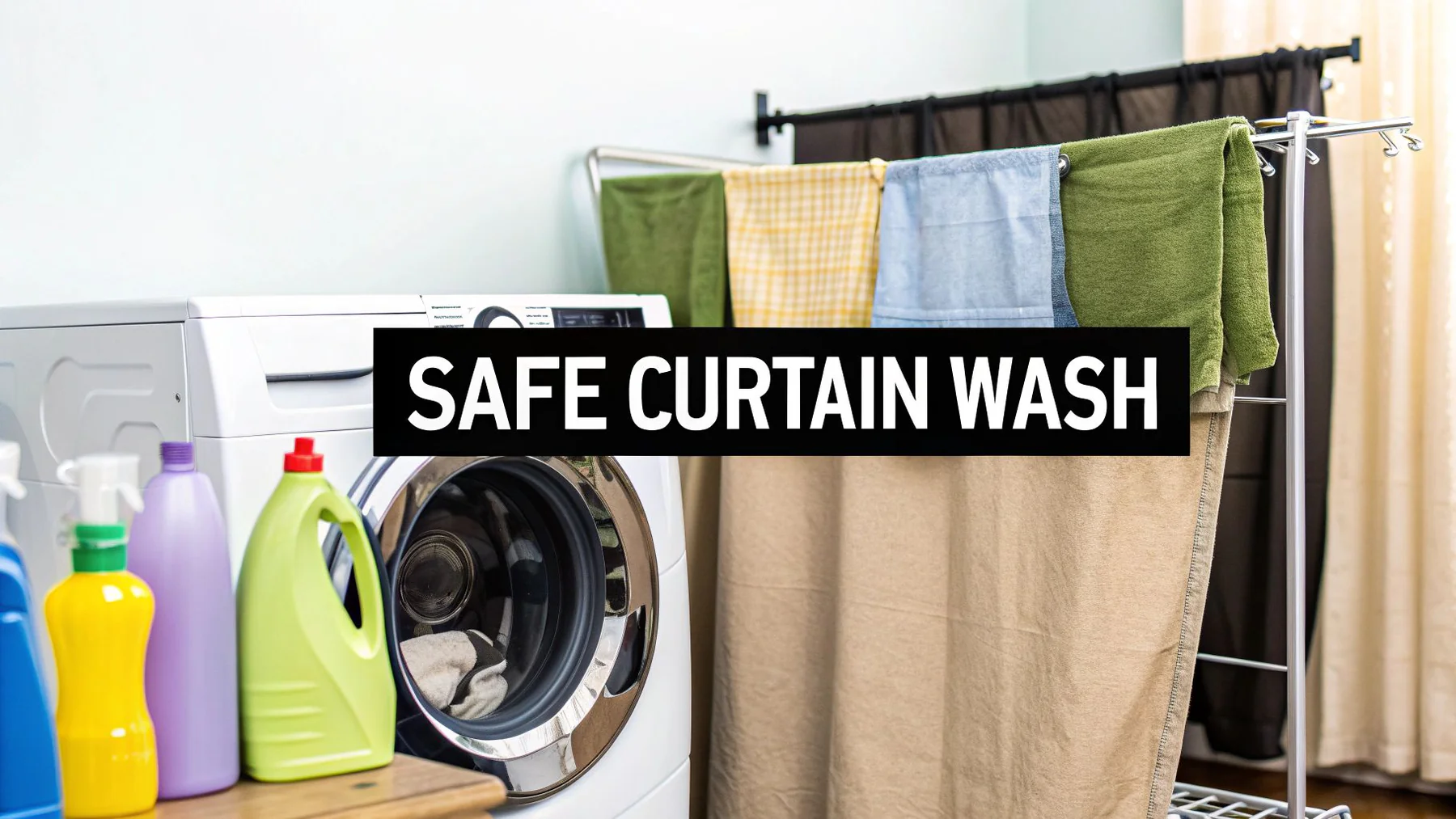
Why Curtain Maintenance Should Be Planned Early
Curtains are not static décor pieces. They function as filters between indoor living spaces and the outside environment.
Every day, curtains collect:
- Dust particles
- Airborne oils
- Cooking residue
- Pet dander
- Outdoor pollutants
- Moisture from humidity
Unlike furniture that is occasionally touched, curtains interact continuously with moving air currents. This makes them one of the most contamination-prone textiles in a home.
Choosing curtains without considering cleaning requirements often leads to three problems:
- Reduced indoor air quality
- Fabric deterioration
- Unexpected maintenance expenses
Planning ahead prevents these issues.
The Hidden Lifecycle Cost of Curtains
The purchase price of curtains represents only a portion of their true cost.
Long-term expenses include:
- Professional cleaning
- Detergents and washing supplies
- Replacement liners
- Ironing or steaming
- Repairs and re-hemming
- Early replacement due to wear
A curtain set that seems affordable initially may become expensive if it requires frequent dry cleaning.
Conversely, slightly higher upfront investment in low-maintenance fabrics can significantly reduce ongoing costs.
Understanding Curtain Washing Frequency
Not all curtains require the same cleaning schedule.
Washing frequency depends on several factors:
Room Function
- Kitchens accumulate grease and odors quickly.
- Bedrooms gather skin particles and dust.
- Living rooms collect airborne pollutants from daily activity.
Environmental Conditions
Homes near roads, construction zones, or urban centers experience faster dirt accumulation.
Household Lifestyle
Pets, smoking, and open windows increase cleaning needs.
Fabric Type
Certain materials repel dust better than others.
Understanding expected washing frequency helps determine whether a curtain is truly practical.
General Cleaning Frequency Guidelines
While every home differs, typical maintenance intervals include:
| Room Type | Recommended Cleaning Frequency |
|---|---|
| Kitchen | Every 3–6 months |
| Living room | Every 6–9 months |
| Bedroom | Every 6–12 months |
| Low-use spaces | Once per year |
Choosing fabrics incompatible with this schedule creates long-term inconvenience.
Fabric Choice: The Biggest Maintenance Factor
Fabric selection determines nearly every aspect of curtain care.
Cotton Curtains
Pros:
- Breathable
- Natural appearance
- Widely available
Cons:
- Shrinks easily
- Wrinkles heavily
- Requires frequent washing
Cotton works best where easy machine washing is possible.
Linen Curtains
Linen offers a sophisticated aesthetic but requires careful handling.
Challenges include:
- Wrinkling after washing
- Shape distortion
- Frequent steaming requirements
Maintenance effort is higher than many buyers expect.
Polyester Curtains
One of the most practical options.
Benefits include:
- Wrinkle resistance
- Machine washable
- Color retention
- Durability
Polyester blends often provide the best balance between appearance and maintenance.
Velvet Curtains
Luxurious but demanding.
Typically require:
- Professional cleaning
- Careful dust removal
- Limited washing frequency
Ideal for formal rooms with minimal exposure to dust.
Sheer Fabrics
Sheers accumulate dust quickly due to lightweight fibers.
However, many modern sheers are washable and dry quickly, making frequent cleaning manageable.
Lining Choices and Their Maintenance Impact
Curtain linings dramatically affect upkeep.
Unlined Curtains
Easier to wash but offer less protection from sunlight and dirt.
Standard Lining
Adds durability but doubles drying time.
Blackout Lining
Improves insulation but may restrict washing methods.
Some blackout coatings degrade with machine washing, requiring special care.
Maintenance considerations should always include lining compatibility.
Machine Washable vs Dry Clean Only: A Critical Decision
This single label can determine long-term satisfaction.
Machine Washable Curtains
Advantages:
- Lower maintenance cost
- Convenience
- Frequent cleaning possible
Ideal for families, pets, and busy households.
Dry Clean Only Curtains
Consider carefully:
- Higher ongoing expense
- Transportation inconvenience
- Longer cleaning turnaround
Best reserved for decorative or low-use areas.
Dust Resistance and Fabric Structure
Fabric weave influences how much dust accumulates.
Tight Weaves
- Trap less dust
- Easier to clean
- Better for allergy-sensitive homes
Loose Weaves
- Collect particles quickly
- Require frequent maintenance
Texture should be evaluated alongside aesthetics.
Color Selection and Maintenance Visibility
Color affects perceived cleanliness.
- Light colors reveal stains faster.
- Dark colors hide dust but show lint.
- Mid-tone neutrals balance visibility and practicality.
Choosing forgiving colors reduces cleaning pressure.
Sun Exposure and Maintenance Needs
Windows exposed to strong sunlight accelerate curtain aging.
UV rays weaken fibers, causing:
- Fading
- Fabric thinning
- Increased washing fragility
UV-resistant fabrics maintain strength longer and tolerate repeated cleaning cycles.
Hardware Matters: Maintenance Beyond Fabric
Curtain rods and hooks influence ease of care.
Features to prioritize:
- Easy-release hooks
- Smooth gliding tracks
- Lightweight hanging systems
Difficult hardware discourages regular cleaning.
Pre-Treatment Technologies Worth Considering
Modern curtain fabrics may include protective treatments.
Examples:
- Dust-resistant coatings
- Anti-static finishes
- Stain repellents
- UV protection treatments
These features reduce washing frequency significantly.
Estimating Long-Term Maintenance Costs
Before purchasing, ask:
- How often will these need cleaning?
- Can I wash them at home?
- Will they require ironing?
- How long will drying take?
A simple cost projection over five years often reveals surprising differences between options.
Curtains and Indoor Air Quality
Clean curtains improve home health.
Dust accumulation can circulate allergens through airflow.
Regularly washable curtains contribute to:
- Reduced allergy symptoms
- Cleaner indoor environment
- Better respiratory comfort
Maintenance planning directly impacts wellness.
Seasonal Maintenance Planning
Curtains benefit from seasonal care routines.
Spring
Deep cleaning removes winter dust buildup.
Summer
Sun protection reduces fading.
Fall
Dust removal prepares indoor heating season.
Winter
Minimal washing preserves insulation performance.
Selecting easy-care fabrics makes seasonal routines manageable.
Matching Curtain Choice to Lifestyle
The best curtain is not always the most luxurious — it’s the one aligned with daily life.
Busy families benefit from:
- Machine-washable materials
- Wrinkle-resistant fabrics
- Durable stitching
Minimalist households may prioritize longevity over decorative complexity.
Common Purchasing Mistakes
Choosing Based Only on Appearance
Beautiful fabrics may become burdensome if maintenance is ignored.
Ignoring Cleaning Labels
Care instructions should influence purchasing decisions.
Underestimating Dust Accumulation
Even rarely used rooms collect airborne particles.
Selecting Heavy Fabrics for High-Maintenance Areas
Weight often equals higher cleaning difficulty.
Designing a Low-Maintenance Curtain Strategy
A practical approach includes:
- Washable sheers for everyday use
- Durable outer curtains for protection
- Neutral colors for longevity
- Easy hardware systems
Layering maintenance-friendly materials reduces overall effort.
Sustainability and Long-Term Ownership
Curtains that last longer reduce environmental impact.
Lower replacement frequency means:
- Less textile waste
- Reduced manufacturing demand
- Lower overall consumption
Maintenance-conscious purchasing supports sustainable living.
Professional Designer Insights
Interior designers increasingly evaluate curtains using three criteria:
- Visual impact
- Functional performance
- Maintenance practicality
Ignoring the third often leads to client dissatisfaction later.
Future Trends in Curtain Maintenance
Innovations include:
- Self-cleaning fabrics
- Nano-coating technology
- Machine-friendly blackout linings
- Smart textiles resisting dust adhesion
These advancements aim to simplify ownership while maintaining aesthetics.
Creating a Personal Curtain Maintenance Checklist
Before buying, consider:
- Cleaning method compatibility
- Expected washing frequency
- Fabric durability rating
- Sun exposure level
- Household lifestyle needs
This checklist transforms curtain shopping into a strategic decision.
Final Thoughts: Maintenance Begins Before Installation
Curtains shape light, privacy, and atmosphere — but their long-term success depends on choices made long before they hang on a window.
When maintenance considerations are integrated into the selection process, curtains remain beautiful, functional, and manageable throughout their lifespan.
Instead of reacting to dust, fading, or cleaning challenges later, proactive planning allows homeowners to enjoy both design and practicality from day one.
By evaluating washing frequency, fabric durability, and upkeep costs during the purchasing stage, curtains become not just decorative elements but well-planned investments in comfort, cleanliness, and long-term home satisfaction.
The smartest curtain maintenance strategy doesn’t start with cleaning supplies.
It starts at the moment you choose the fabric.
Need Help with Your Custom Project?
Have questions about materials, sizing, or looking for a quick quote? Drop us a message and our experts will respond within 24 hours.
Chat on WhatsApp
+1 (304) 356-6765
Send us an Email
hello@incustom.com
Picked for You