Custom Curtain Buying Guide: The Hidden Costs Lurking Inside These 5 Curtain Accessories

Mar 23 2026
When homeowners decide to invest in custom curtains, they usually focus on fabrics, colors, and overall style. Pinterest boards fill up quickly. Fabric samples pile on coffee tables. Measurements are taken carefully. Everything feels under control — until the final invoice arrives.
Suddenly, the price is far higher than expected.
What happened?
In most cases, the surprise doesn’t come from the curtain fabric itself. Instead, it comes from small components rarely discussed upfront: accessories. These seemingly minor parts — tracks, hooks, linings, motor systems, and installation hardware — quietly transform a reasonable budget into an expensive project.
Custom curtains are a system, not just fabric panels. And within that system, accessories often carry hidden costs, performance trade-offs, and long-term maintenance implications that many buyers only discover after installation.
This guide breaks down the five curtain accessories where hidden expenses most commonly occur, explains why they matter, and shows how to make smarter decisions before signing a quote.
Why Custom Curtains Cost More Than Expected
Unlike ready-made curtains, custom window treatments involve multiple layers of design and engineering:
- Measurement precision
- Fabric calculation
- Structural support
- Movement mechanisms
- Light control systems
- Installation labor
Many showrooms highlight fabric pricing because it feels tangible. Accessories, however, are frequently bundled into vague categories like “hardware package” or “installation materials.”
That lack of transparency is where unexpected costs begin.
A curtain that appears affordable at first glance may later require upgraded tracks, reinforced brackets, premium linings, or specialized mounting solutions — each adding incremental charges.
Understanding accessories early helps you compare quotes accurately and avoid overspending.

Hidden Cost #1: Curtain Tracks and Rod Systems
The Most Underestimated Component
Curtain tracks and rods determine how smoothly your curtains operate, how long they last, and whether they look high-end or inexpensive.
Many buyers assume all tracks perform similarly. In reality, track quality varies dramatically.
Common Track Types
1. Basic Aluminum Tracks
Often included in entry-level quotes. Lightweight and inexpensive but prone to bending under heavy fabrics.
2. Reinforced Aluminum Alloy Tracks
Stronger structure designed for blackout curtains or floor-to-ceiling installations.
3. Steel Tracks
Used for oversized windows or layered curtains.
4. Motorized Smart Tracks
Integrated with remote controls or home automation systems.
Where Hidden Charges Appear
- Curved window customization fees
- Ceiling-mounted reinforcement
- Extra carriers for pleated styles
- Silent glide upgrades
- Splicing fees for wide windows
A quote might list “track included,” but upgrades become necessary once installers evaluate wall conditions or curtain weight.
Real-Life Scenario
A homeowner selects thick velvet blackout curtains for a bedroom. The standard track included in the package cannot support the weight safely. The installer recommends an upgrade — adding several hundred dollars unexpectedly.
Smart Buying Tip
Always ask:
- What weight capacity does the track support?
- Is it rated for double-layer curtains?
- Does installation require reinforcement?
Request track specifications in writing.
Hidden Cost #2: Curtain Hooks, Pleating Systems, and Header Styles
Small Pieces, Big Pricing Differences
Curtain headers — the top structure shaping how curtains hang — dramatically affect fabric usage and hardware needs.
Popular header styles include:
- Pinch pleat
- Ripple fold
- Wave pleat
- Grommet
- Rod pocket
- Tailored pleat
Each style requires different accessories.
Why Headers Affect Cost
Pleated curtains need:
- Additional fabric fullness
- Specialized hooks
- Precision spacing carriers
- Professional shaping during installation
For example, ripple fold curtains require dedicated track systems incompatible with standard rods.
Hidden Expenses Include
- Premium hook systems
- Spacing templates
- Extra labor for shaping pleats
- Replacement hooks over time
A cheaper fabric choice paired with a complex header can end up costing more overall.
Long-Term Consideration
Plastic hooks degrade over years due to UV exposure and weight stress. Replacements may require partial curtain removal — adding labor fees later.
Smart Buying Tip
Ask vendors to compare pricing between header styles using the same fabric. The difference can be surprising.
Hidden Cost #3: Curtain Linings (Where Budgets Quietly Double)
The Invisible Upgrade That Changes Everything
Curtain lining is often presented as optional, but it directly impacts:
- Light control
- Insulation
- Fabric lifespan
- Privacy
- Energy efficiency
Many homeowners underestimate how essential lining is — especially in bedrooms or sunny climates.
Types of Curtain Linings
Standard Privacy Lining
Adds opacity but limited insulation.
Thermal Lining
Improves temperature regulation.
Blackout Lining
Blocks 90–100% of light.
Interlining
A thick middle layer creating luxury fullness.
Where Hidden Costs Appear
- Lining priced separately from fabric
- Increased labor for sewing layers
- Heavier hardware requirements
- Higher installation fees due to weight
Adding blackout lining can increase total curtain weight by 30–50%, triggering track upgrades.
The Energy Cost Perspective
Without proper lining, curtains fade faster and allow heat gain, increasing cooling costs over time. What seems like savings upfront may lead to higher long-term expenses.
Smart Buying Tip
Instead of asking, “Do I need lining?” ask:
“What lining works best for this room’s sunlight exposure?”
Hidden Cost #4: Motorization and Smart Curtain Systems
Convenience Comes With Layers of Pricing
Motorized curtains are increasingly popular in modern homes. They offer:
- Remote operation
- Smart home integration
- Scheduled opening and closing
- Accessibility benefits
But pricing is rarely straightforward.
Components Often Charged Separately
- Motor unit
- Remote control
- Power adapter
- Wiring installation
- Smart hub compatibility
- App configuration
- Voice assistant integration
A showroom demo may show seamless automation, but installation conditions determine final cost.
Hidden Factors That Increase Expenses
- Lack of nearby power outlets
- Ceiling modifications
- Battery replacement plans
- Wi-Fi configuration service fees
Maintenance Reality
Motors have lifespan ratings measured in cycles. Replacement costs years later are often overlooked during purchase.
Smart Buying Tip
Request a full breakdown:
- Hardware cost
- Electrical work
- Warranty length
- Replacement pricing
Transparency now prevents frustration later.
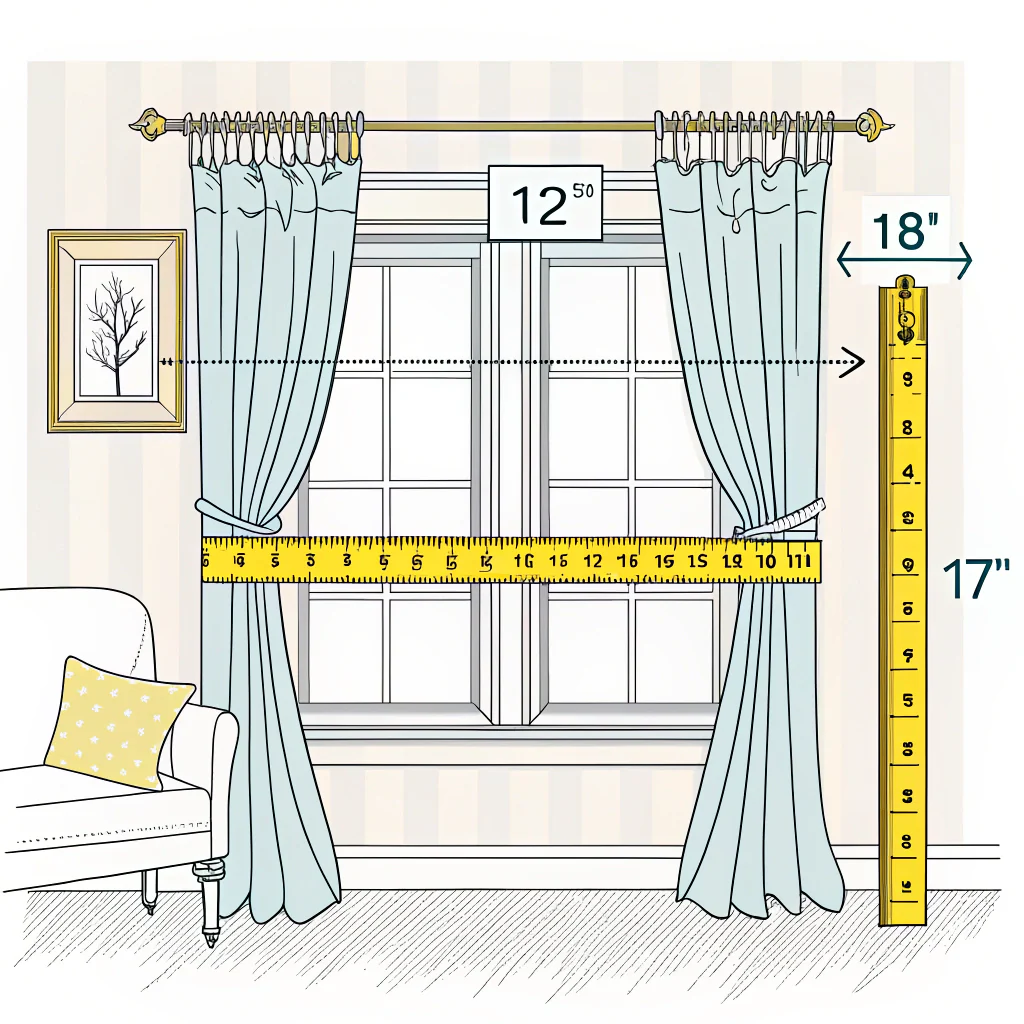
Hidden Cost #5: Installation Hardware and Labor Details
The Category Most Frequently Overlooked
Installation is not just drilling brackets into walls. Professional curtain installation involves structural assessment and safety considerations.
Hardware Often Missing From Initial Quotes
- Reinforced mounting brackets
- Expansion bolts for concrete walls
- Ceiling anchors
- Decorative covers
- Leveling adjustments
- Wall repair after drilling
Large windows or high ceilings significantly increase labor complexity.
Why Labor Costs Change
Installers may discover:
- Weak drywall requiring reinforcement
- Hidden wiring
- Uneven ceilings
- Limited mounting space
Each issue adds time and materials.
The Safety Factor
Improper installation risks falling tracks — especially dangerous with heavy curtains or motorized systems.
Smart Buying Tip
Ask whether installation pricing is fixed or conditional upon site inspection.
How Hidden Accessories Affect Long-Term Satisfaction
Many curtain complaints aren’t about aesthetics. They relate to usability:
- Curtains hard to slide
- Uneven folds
- Sagging tracks
- Light leakage
- Motor noise
Almost all these issues trace back to accessory choices rather than fabric quality.
A well-selected accessory system ensures:
- Smooth daily operation
- Longer lifespan
- Lower maintenance
- Consistent appearance
How to Compare Curtain Quotes Like a Professional
When reviewing estimates, look beyond total price.
Create a comparison checklist:
| Category | Questions to Ask |
|---|---|
| Tracks | Material? Weight rating? Warranty? |
| Hooks & Headers | Type? Replacement availability? |
| Lining | Included or optional? Thickness? |
| Motorization | Full system or partial pricing? |
| Installation | Fixed or variable cost? |
Two quotes with identical fabrics can differ dramatically once accessories are clarified.
Questions Every Buyer Should Ask Before Ordering
- What accessories are included versus optional?
- Are upgrades expected after measurement?
- How does curtain weight affect hardware choice?
- What maintenance will accessories require?
- Which parts typically need replacement first?
A trustworthy vendor answers these clearly before payment.
Budget Allocation Strategy for Custom Curtains
Interior designers often recommend allocating budgets roughly as follows:
- Fabric: 50–60%
- Hardware & accessories: 25–35%
- Installation: 10–15%
If accessories account for far less than expected, hidden upgrades may appear later.
Signs a Curtain Quote May Contain Hidden Costs
Watch for vague wording like:
- “Standard hardware included”
- “Installation as needed”
- “Accessories TBD after measurement”
- “Motor optional”
Specificity protects buyers.
The Psychology Behind Accessory Upselling
Accessory upgrades often occur late in the buying process when customers are emotionally committed to a design.
At that stage, saying no feels difficult.
Understanding accessory needs early shifts decision-making back into your control.
Designing Curtains That Balance Beauty and Practicality
Beautiful curtains succeed when aesthetics and engineering work together.
Consider:
- Daily usage frequency
- Sun exposure levels
- Cleaning access
- Child or pet safety
- Future maintenance
Accessories translate design into functionality.
A Smarter Approach to Custom Curtain Planning
Instead of choosing fabric first, try this order:
- Define functional needs (privacy, blackout, automation).
- Select track system.
- Choose header style.
- Decide lining level.
- Confirm installation conditions.
- Select fabric last.
This reverse approach prevents costly redesigns.
Final Thoughts: The Truth About Custom Curtain Pricing
Custom curtains are not overpriced — they are often underexplained.
Accessories may be invisible once installed, but they determine performance every single day. Tracks carry weight. Hooks shape movement. Linings protect fabric. Motors add convenience. Installation ensures safety.
Ignoring these elements leads to hidden expenses and long-term dissatisfaction.
Understanding them transforms curtain buying from a confusing process into a confident investment.
The next time you review a curtain quote, look past the fabric swatch. Ask about what holds everything together.
Because in custom curtains, the smallest components often make the biggest difference.

Need Help with Your Custom Project?
Have questions about materials, sizing, or looking for a quick quote? Drop us a message and our experts will respond within 24 hours.
Chat on WhatsApp
+1 (304) 356-6765
Send us an Email
hello@incustom.com
Picked for You