DIY Greenhouse Guide: How to Build a Plant-Growing Shelter with Clear Tarps

May 12 2026
Gardening enthusiasts are constantly searching for practical and affordable ways to protect plants, extend growing seasons, and improve growing conditions throughout the year. While commercial greenhouses can be highly effective, they are often expensive, space-consuming, and difficult for beginners to install.
Fortunately, building a functional greenhouse does not always require a large budget or professional construction experience.
One of the most versatile and cost-effective solutions is creating a DIY greenhouse using clear waterproof tarps.
Transparent tarps can help gardeners build temporary or semi-permanent growing shelters that provide warmth, humidity control, wind protection, and weather resistance while allowing sunlight to reach plants effectively.
Whether you are growing vegetables, herbs, flowers, seedlings, tropical plants, or small fruit crops, a tarp greenhouse can become a highly practical addition to your garden space.
This guide explores everything you need to know about building a DIY greenhouse with clear tarps, including material selection, frame construction, ventilation, temperature control, seasonal usage, plant protection strategies, and common mistakes to avoid.
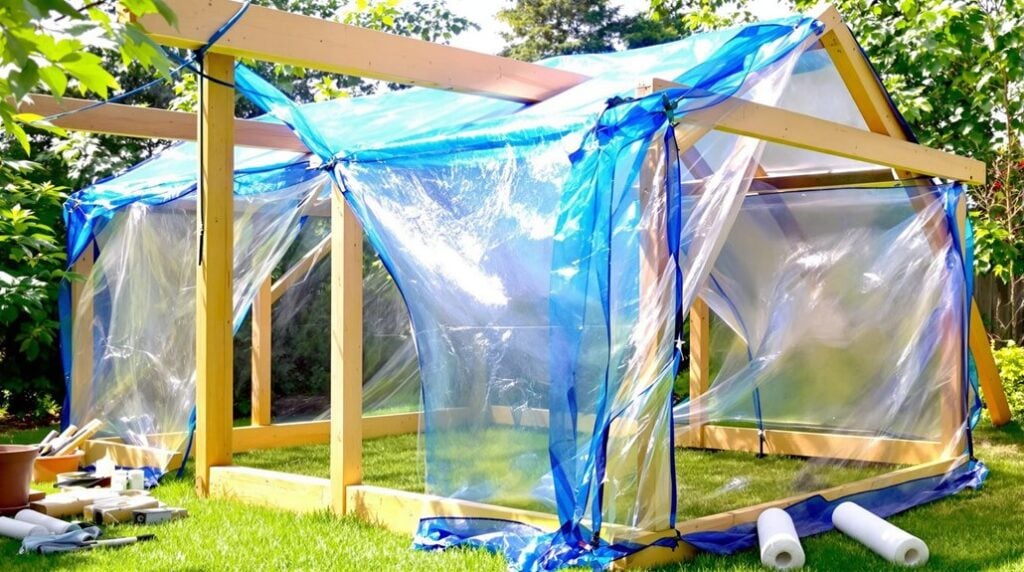
Why More Gardeners Are Building DIY Greenhouses
Modern gardening faces many environmental challenges.
Gardeners often struggle with:
Sudden temperature drops
Excessive rain
Frost damage
Strong winds
Pests
Unpredictable weather
Short growing seasons
A greenhouse creates a controlled microclimate that helps plants grow more consistently.
However, traditional greenhouses can be costly due to:
Glass panels
Polycarbonate materials
Metal framing
Professional installation
Foundation requirements
DIY tarp greenhouses offer a more affordable alternative while still providing many important benefits.
What Is a Clear Tarp Greenhouse?
A clear tarp greenhouse is a plant shelter constructed using transparent waterproof tarp material stretched over a structural frame.
The transparent covering allows sunlight to enter while trapping warmth and protecting plants from outdoor conditions.
These structures may range from:
Small portable garden covers
Mini seedling tunnels
Walk-in greenhouse tents
Large backyard growing shelters
The design flexibility makes tarp greenhouses suitable for many gardening styles.
Why Clear Waterproof Tarps Work Well for Greenhouses
Clear tarps combine several useful characteristics for plant protection.
They are typically:
Water-resistant or waterproof
Lightweight
Flexible
Affordable
Easy to install
Easy to replace
Sunlight permeable
Unlike opaque tarps, transparent tarps allow solar radiation to reach plants while still creating a protected environment.
This greenhouse effect helps retain heat and stabilize growing conditions.
How a Greenhouse Microclimate Supports Plant Growth
Greenhouses work by trapping solar energy.
Sunlight passes through the transparent covering and warms internal surfaces such as:
Soil
Containers
Plants
Structural materials
The trapped heat raises internal temperatures compared to the outside environment.
This creates several advantages:
Longer growing seasons
Faster seed germination
Improved plant survival
Better humidity retention
Reduced cold stress
Even simple tarp structures can noticeably improve growing conditions.
Benefits of Building a DIY Tarp Greenhouse
A clear tarp greenhouse offers many advantages for home gardeners.
Affordable Construction
Clear tarps cost significantly less than glass or rigid greenhouse panels.
Easy Assembly
Most designs require only basic tools and simple materials.
Portable Design
Temporary greenhouses can be moved or disassembled seasonally.
Flexible Sizing
Gardeners can build structures customized to available space.
Weather Protection
Tarps help shield plants from rain, frost, and wind.
Extended Growing Season
Plants can grow earlier in spring and later into fall.
Choosing the Right Clear Tarp Material
Not all clear tarps are equally suitable for greenhouse construction.
Material selection strongly affects durability and plant performance.
Important factors include:
Thickness
UV resistance
Transparency
Flexibility
Waterproof performance
Reinforcement strength
PVC Tarps vs Polyethylene Tarps
Two common clear tarp materials include PVC and polyethylene.
Clear PVC Tarps
Advantages:
Better transparency
Strong durability
Improved flexibility
Better long-term visibility
Disadvantages:
Higher cost
Heavier weight
Polyethylene Clear Tarps
Advantages:
Lower cost
Lightweight
Widely available
Disadvantages:
Lower durability
Reduced clarity over time
The best choice depends on budget and intended usage duration.
Why UV Resistance Matters
Sunlight gradually damages many plastics.
Without UV resistance, tarps may become:
Brittle
Yellowed
Cracked
Weakened
UV-treated greenhouse tarps last significantly longer outdoors.
This becomes especially important for year-round installations.
Choosing the Right Greenhouse Location
Location plays a major role in greenhouse success.
Ideal placement typically includes:
Maximum sunlight exposure
Good drainage
Wind protection
Easy water access
Convenient maintenance access
South-facing locations often provide the best sunlight exposure in many regions.
Why Sunlight Is Critical
Plants require sufficient sunlight for photosynthesis.
A poorly positioned greenhouse may limit growth despite good temperature protection.
Observe sunlight patterns throughout the day before construction.
Avoid locations heavily shaded by:
Trees
Buildings
Fences
Large structures
Basic DIY Greenhouse Frame Options
The frame provides structural support for the tarp covering.
Several materials work well for DIY greenhouse frames.
PVC Pipe Frames
PVC is popular because it is:
Lightweight
Affordable
Easy to cut
Weather resistant
PVC works especially well for small and medium greenhouses.
Metal Frames
Metal tubing offers:
Greater durability
Improved wind resistance
Long-term stability
However, metal may increase cost and installation complexity.
Wood Frames
Wood provides:
Strong structural support
Easy customization
Traditional appearance
Proper sealing helps prevent rot and moisture damage.
Hoop House Greenhouses
One of the simplest greenhouse styles is the hoop house.
This design uses curved frame supports covered with clear tarp material.
Advantages include:
Fast construction
Low cost
Excellent airflow potential
Efficient snow shedding
Hoop houses are especially popular for backyard vegetable gardening.
A-Frame Greenhouses
A-frame structures use angled roof panels forming a triangular shape.
Benefits include:
Improved rain runoff
Better snow resistance
Strong structural stability
These designs often work well in colder climates.
Mini Greenhouses for Small Spaces
Not every gardener needs a large walk-in greenhouse.
Small tarp-covered structures can protect:
Seed trays
Herbs
Container plants
Young seedlings
Mini greenhouses work well on:
Balconies
Patios
Small gardens
Urban growing spaces
Why Ventilation Is Essential
Many beginners focus only on heat retention.
However, ventilation is equally important.
Poor airflow may cause:
Overheating
Mold growth
Fungal disease
Excess humidity
Weak plant growth
A greenhouse should retain warmth while still allowing controlled airflow.
Simple Ventilation Strategies
Good ventilation does not require expensive equipment.
Simple solutions include:
Roll-up sides
Zipper openings
Adjustable vents
Removable panels
Openable doors
Warm air naturally rises, so roof vents can improve heat release effectively.
Preventing Greenhouse Overheating
Even during cool weather, greenhouse temperatures can rise rapidly under direct sunlight.
Overheating may damage plants quickly.
Symptoms include:
Wilting
Leaf burn
Drooping
Heat stress
Temperature monitoring becomes important during sunny afternoons.
Why Humidity Control Matters
Greenhouses naturally trap moisture.
While moderate humidity benefits plants, excessive humidity may encourage:
Powdery mildew
Fungal infections
Root rot
Pest outbreaks
Proper airflow helps balance humidity levels.
Best Plants for DIY Tarp Greenhouses
Many plant types thrive in protected greenhouse environments.
Popular choices include:
Tomatoes
Peppers
Cucumbers
Lettuce
Basil
Spinach
Strawberries
Tropical plants
Seedlings
Orchids
Different crops may require different temperature and humidity conditions.
Starting Seeds in a Tarp Greenhouse
Seedlings benefit enormously from stable greenhouse conditions.
Benefits include:
Faster germination
Better survival rates
Earlier planting schedules
Improved growth consistency
Many gardeners use tarp greenhouses primarily for spring seed starting.
Extending the Growing Season
One major advantage of greenhouse gardening is season extension.
A tarp greenhouse may allow:
Earlier spring planting
Late fall harvesting
Winter crop protection
Year-round herb production in mild climates
This increases overall garden productivity.
Frost Protection Benefits
Frost can destroy sensitive plants quickly.
Clear tarp greenhouses help trap heat overnight and reduce frost exposure.
Additional frost protection methods may include:
Thermal blankets
Water barrels
Heat-retaining stones
Supplemental heaters
Even small temperature differences can protect vulnerable crops.
Wind Protection Improves Plant Health
Strong winds damage plants through:
Broken stems
Moisture loss
Soil drying
Physical stress
Greenhouse coverings create calmer growing conditions.
This often improves plant structure and moisture retention.
Rain Protection Helps Prevent Disease
Excessive rainfall may contribute to:
Soil erosion
Leaf disease
Root saturation
Nutrient runoff
A greenhouse helps control moisture exposure more effectively.
This is especially helpful for sensitive crops like tomatoes.
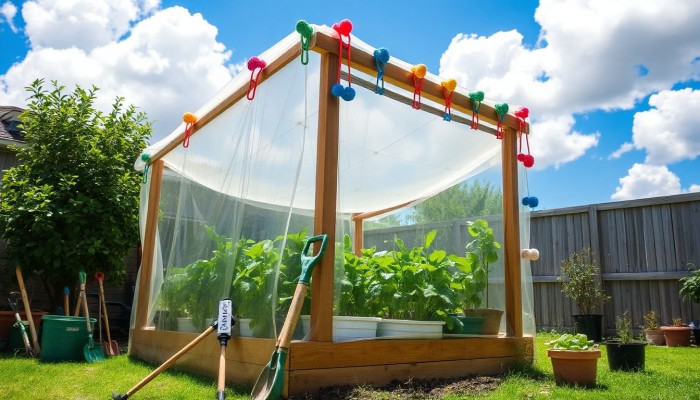
Using Raised Beds Inside the Greenhouse
Raised beds pair well with tarp greenhouses.
Benefits include:
Improved drainage
Better soil management
Easier maintenance
Enhanced root warmth
Many gardeners combine raised beds with greenhouse shelters for maximum productivity.
Ground Cover and Flooring Options
Flooring helps manage mud and moisture.
Common options include:
Gravel
Landscape fabric
Wood chips
Pavers
Concrete pads
Good flooring improves cleanliness and reduces weed growth.
Irrigation Inside DIY Greenhouses
Greenhouses may dry out faster than open gardens.
Common watering systems include:
Hand watering
Drip irrigation
Soaker hoses
Misting systems
Consistent moisture management is important for healthy growth.
Why Condensation Happens
Temperature differences create condensation inside greenhouses.
Water droplets may form on tarp surfaces when warm humid air contacts cooler material.
Excess condensation can contribute to:
Mold
Dripping water damage
Humidity imbalance
Ventilation helps reduce condensation problems.
Winter Greenhouse Strategies
Cold climates require additional winter planning.
Helpful winter upgrades include:
Double-layer tarp systems
Thermal insulation
Supplemental heating
Wind barriers
Snow reinforcement
Proper preparation improves winter survival.
Snow Load Considerations
Heavy snow may collapse weak structures.
Cold-climate greenhouses should include:
Strong frame support
Sloped roofing
Reinforced arches
Regular snow removal
Structural safety is critical.
Securing the Tarp Properly
Loose tarps may flap in wind and wear out quickly.
Secure attachment methods include:
Bungee cords
Tarp clips
Rope tie-downs
Ball bungees
Snap clamps
Even tension improves durability.
Why Grommet Placement Matters
Quality tarps include reinforced grommets.
Proper tie-down spacing reduces:
Stress points
Tearing
Wind damage
Avoid overtightening attachment points.
How Wind Damages DIY Greenhouses
Wind is one of the biggest threats to tarp structures.
Strong winds may cause:
Tarp ripping
Frame bending
Structural collapse
Anchor failure
Wind-resistant designs improve longevity.
Anchoring the Structure Safely
Good anchoring helps stabilize the greenhouse.
Common anchor methods include:
Ground stakes
Rebar anchors
Concrete footings
Sandbags
Earth augers
Anchoring becomes especially important in storm-prone regions.
Pest Protection Advantages
Greenhouses help reduce exposure to some garden pests.
Protected environments may limit:
Insect damage
Animal intrusion
Bird feeding
However, enclosed spaces may also trap pests once they enter.
Regular monitoring remains important.
Organic Gardening Inside Greenhouses
Many gardeners use greenhouse environments to support organic growing methods.
Controlled conditions may reduce the need for:
Chemical pesticides
Herbicides
Fungicides
Healthy airflow and proper sanitation remain essential.
Cleaning and Maintaining the Tarp
Dirt accumulation reduces sunlight transmission.
Periodic cleaning improves:
Light penetration
Appearance
Longevity
Use mild soap and soft cloths when cleaning clear tarp surfaces.
When to Replace Greenhouse Tarps
Even high-quality tarps eventually wear out.
Signs of aging include:
Yellowing
Brittleness
Cracking
Reduced transparency
Tearing
Replacing worn coverings maintains greenhouse performance.
Common DIY Greenhouse Mistakes
Many beginners encounter avoidable problems.
Poor Ventilation
Excess humidity damages plants.
Weak Anchoring
Wind can destroy unsecured structures.
Cheap Low-Quality Tarps
Inferior materials fail quickly outdoors.
Incorrect Sun Placement
Insufficient light limits growth.
Overcrowding Plants
Poor spacing increases disease risk.
Budget-Friendly Greenhouse Tips
DIY greenhouse construction does not need to become expensive.
Cost-saving strategies include:
Recycled materials
Simple hoop designs
Modular construction
Portable structures
Seasonal installation
Smart planning reduces waste and cost.
Portable Greenhouses for Seasonal Flexibility
Portable greenhouses allow gardeners to:
Move structures seasonally
Protect specific crops temporarily
Store the greenhouse when not needed
Lightweight tarp systems work especially well for portability.
Why DIY Greenhouses Are Popular in Urban Gardening
Urban gardeners often face limited growing space.
Compact tarp greenhouses help maximize production in:
Small yards
Rooftops
Balconies
Community gardens
Controlled environments support intensive growing methods.
Sustainability Benefits of DIY Greenhouses
Greenhouses may improve sustainability by:
Extending local food production
Reducing transportation dependence
Supporting home gardening
Lowering seasonal waste
Longer growing seasons increase self-sufficiency.
Combining Greenhouses with Vertical Gardening
Vertical gardening helps maximize greenhouse space.
Popular vertical methods include:
Hanging baskets
Trellises
Shelf systems
Climbing supports
This increases productivity in smaller structures.
Future Trends in DIY Backyard Greenhouses
Interest in home food production continues growing.
Future greenhouse trends may include:
Smart temperature monitoring
Automated ventilation
Solar-powered systems
Sustainable materials
Compact modular designs
DIY greenhouse gardening is becoming increasingly accessible.
Final Thoughts
Building a DIY greenhouse with clear waterproof tarps is one of the most affordable and practical ways to create a protected growing environment for plants.
Whether used for seedlings, vegetables, herbs, tropical plants, or season extension, a well-designed tarp greenhouse can provide valuable protection from frost, wind, rain, pests, and unpredictable weather while helping maintain warmer and more stable growing conditions.
The key to success lies in choosing quality materials, building a strong frame, ensuring proper ventilation, controlling humidity, and securing the structure safely against environmental stress.
Even simple greenhouse designs can dramatically improve plant growth and gardening productivity when planned carefully.
For gardeners looking to expand their growing season without investing in expensive commercial structures, clear tarp greenhouses offer a flexible and highly effective solution.
With thoughtful design and regular maintenance, a DIY greenhouse can become a reliable plant sanctuary that supports healthier crops and more successful gardening throughout the year.
Need Help with Your Custom Project?
Have questions about materials, sizing, or looking for a quick quote? Drop us a message and our experts will respond within 24 hours.
Chat on WhatsApp
+1 (304) 356-6765
Send us an Email
hello@incustom.com
Picked for You