
Outdoor activities have exploded in popularity over the last decade. From weekend camping trips and mountain hiking to overlanding, trail running, fishing, climbing, and backpacking adventures, more people are investing in outdoor gear than ever before.
At the same time, the outdoor equipment market has become increasingly premium. High-end tents cost over $1,000. Technical jackets can exceed $700. Titanium cookware, ultralight backpacks, carbon trekking poles, and insulated boots often come with eye-watering price tags.
This raises a question many outdoor enthusiasts quietly ask themselves:
Does expensive outdoor gear actually perform better?
Or are consumers simply paying for branding, marketing, and social status?
The truth is more complicated than most people think.
Some premium outdoor products genuinely deliver superior performance, durability, and safety. Others offer only marginal improvements despite dramatic price increases. In many cases, mid-range gear provides the best overall value for the majority of outdoor users.
This article breaks down the real factors behind outdoor gear pricing, explains when higher prices truly matter, and helps you make smarter purchasing decisions without wasting money.
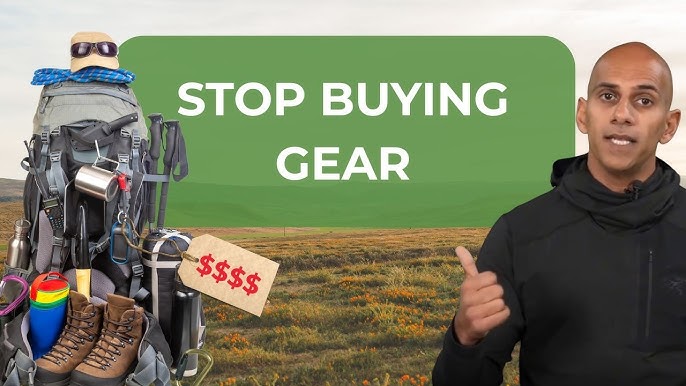
Why Outdoor Gear Has Become So Expensive
Before deciding whether expensive gear is worth it, it helps to understand why prices have increased across the outdoor industry.
Several factors contribute to premium pricing.
Advanced Materials
Modern outdoor products often use highly engineered materials designed for extreme environments.
Examples include:
Gore-Tex waterproof membranes
Dyneema ultralight fabrics
Carbon fiber components
Titanium cookware
Merino wool insulation
Ripstop nylon
High-denier abrasion-resistant textiles
These materials are expensive to manufacture and process.
For example, ultralight backpacking tents made with Dyneema can cost several times more than traditional polyester tents because the fabric itself is significantly more expensive.
Research and Development
Premium outdoor brands invest heavily in:
Product testing
Material engineering
Weather simulations
Ergonomic design
Weight reduction
Sustainability initiatives
The cost of innovation gets reflected in retail pricing.
Specialized Manufacturing
High-performance outdoor gear often requires:
Precision stitching
Seam taping
Waterproof welding
Laser cutting
Reinforced stress points
Technical assembly processes
Manufacturing complexity increases labor costs.
Brand Reputation
Some brands command premium prices because of:
Long-standing reputations
Expedition heritage
Professional athlete endorsements
Social influence
Perceived reliability
Branding absolutely affects pricing.
In certain cases, consumers pay partly for status and identity rather than measurable performance improvements.
The Biggest Myth in Outdoor Gear Buying
One of the most common misconceptions is:
“The more expensive the gear, the better it must be.”
This is not always true.
In reality, outdoor gear pricing often follows the law of diminishing returns.
The first jump from cheap gear to mid-range gear usually delivers huge improvements in:
Comfort
Durability
Waterproofing
Safety
Weight
Reliability
However, the jump from mid-range gear to ultra-premium gear often delivers only incremental benefits at dramatically higher prices.
For example:
| Product Type | Budget | Mid-Range | Premium |
|---|---|---|---|
| Hiking Backpack | $60 | $180 | $500 |
| Tent | $80 | $300 | $900 |
| Rain Jacket | $40 | $180 | $650 |
| Sleeping Bag | $70 | $250 | $700 |
The premium version may only save:
A few ounces of weight
Slightly better breathability
Minor durability gains
Enhanced packability
For professional mountaineers or long-distance thru-hikers, those improvements may matter tremendously.
For casual campers, they often do not.
When Expensive Outdoor Gear Is Actually Worth It
There are situations where paying more genuinely makes sense.
Extreme Weather Conditions
If you regularly face:
Heavy snow
Freezing temperatures
High-altitude exposure
Severe rainstorms
Strong winds
Premium gear often provides significantly better protection and reliability.
In harsh environments, equipment failure can become dangerous rather than inconvenient.
High-end mountaineering jackets, alpine tents, and insulated sleeping systems are usually engineered to survive conditions budget gear simply cannot handle.
Frequent Outdoor Use
Someone who hikes twice a year does not need the same equipment as someone hiking every weekend.
Heavy users benefit from:
Better durability
Improved comfort
Lower long-term replacement costs
Better repairability
Premium boots, backpacks, and technical clothing often last far longer under repeated use.
Ultralight Backpacking
Weight matters enormously during long-distance backpacking.
Cutting even a few pounds from pack weight can reduce:
Fatigue
Joint stress
Injury risk
Energy expenditure
This is where premium materials become valuable.
Ultralight gear is expensive because reducing weight while maintaining durability requires advanced engineering.
Safety-Critical Equipment
Certain categories should prioritize reliability over price.
These include:
Climbing ropes
Harnesses
Avalanche gear
Mountaineering helmets
Technical crampons
Life vests
Satellite communicators
In these categories, trusted brands and certified performance standards matter more than saving money.
When Expensive Outdoor Gear Is NOT Worth It
Many outdoor shoppers overspend on products they do not truly need.
Casual Camping
If your trips involve:
Car camping
Mild weather
Short hikes
Established campgrounds
You probably do not need expedition-grade equipment.
A $900 ultralight tent may provide little practical benefit over a well-designed $250 tent.
Beginner Activities
New outdoor enthusiasts often buy premium gear before understanding their actual needs.
This frequently leads to:
Overspending
Buying unnecessary features
Choosing the wrong gear category
Losing interest in the hobby
Beginners are usually better served by solid mid-range equipment until they gain experience.
Fashion-Driven Purchases
Outdoor clothing has increasingly become lifestyle fashion.
Many expensive jackets and backpacks are purchased primarily for urban style rather than outdoor performance.
There is nothing wrong with buying gear for aesthetics, but consumers should recognize when they are paying for branding rather than functionality.
Understanding the Outdoor Industry’s Pricing Psychology
Outdoor brands are extremely skilled at emotional marketing.
Advertisements often connect products with:
Adventure
Freedom
Survival
Exploration
Identity
Minimalism
Prestige
Consumers begin associating premium gear with competence and authenticity.
This creates a psychological effect where people feel more prepared or experienced simply by owning expensive equipment.
In reality, outdoor skills matter far more than premium products.
An experienced camper with affordable gear will usually outperform an inexperienced camper carrying thousands of dollars in equipment.
The Truth About Outdoor Brand Names
Some outdoor brands genuinely earn their reputations through decades of innovation and reliability.
Others rely heavily on image and hype.
Price alone does not guarantee superior quality.
Many lesser-known manufacturers now produce excellent equipment because:
Material suppliers are globally accessible
Manufacturing technology has improved
Design knowledge is widespread
Consumer reviews expose poor quality quickly
Today, some direct-to-consumer outdoor brands offer performance comparable to legacy brands at significantly lower prices.
How to Evaluate Outdoor Gear Properly
Instead of focusing only on price, smart buyers evaluate products using objective criteria.
Material Quality
Look beyond marketing language.
Check:
Fabric denier
Waterproof ratings
Insulation type
Zipper quality
Reinforcement areas
Abrasion resistance
Understanding materials helps separate true performance from branding hype.
Weight-to-Durability Ratio
Ultralight products are not always more durable.
Some sacrifice longevity to reduce weight.
Ask yourself:
Do you prioritize comfort or durability?
How often will the gear be used?
What terrain will you encounter?
Repairability
Many premium outdoor brands offer:
Lifetime warranties
Repair programs
Replaceable components
Repairability significantly improves long-term value.
Cheap gear is often disposable.
Real User Reviews
Professional reviews are useful, but long-term user feedback is often more revealing.
Pay attention to:
Multi-season durability reports
Failure patterns
Warranty experiences
Comfort issues
Real-world weather performance
Community feedback often exposes weaknesses marketing materials ignore.
Expensive Doesn’t Always Mean More Durable
This surprises many consumers.
Some ultralight premium gear is actually less durable than heavier mid-range alternatives.
Why?
Because reducing weight often requires thinner materials.
Examples include:
Ultralight tents
Minimalist backpacks
Carbon fiber trekking poles
Lightweight shells
These products are designed for experienced users who prioritize efficiency and careful handling.
For rough use, heavier gear may last longer.
The Mid-Range Sweet Spot
For most outdoor enthusiasts, mid-range gear offers the best balance of:
Performance
Durability
Comfort
Weight
Price
The outdoor industry often has a “sweet spot” where products deliver around 80–90% of premium performance at half the price.
This is especially true for:
Hiking boots
Sleeping pads
Camping stoves
Daypacks
Rain jackets
Trekking poles
The smartest buyers focus on value rather than prestige.
Common Outdoor Gear Buying Mistakes
Buying for Fantasy Adventures
Many people shop for imaginary future expeditions instead of their actual activities.
If your real trips involve weekend state park camping, you probably do not need Himalayan expedition equipment.
Buy for your current lifestyle.
Ignoring Fit and Comfort
A perfectly fitted backpack matters more than a famous logo.
Comfort is highly personal.
Always prioritize:
Fit
Ergonomics
Adjustability
Real-world comfort
Even premium gear fails if it does not fit your body properly.
Chasing Ultralight Trends
Ultralight backpacking has become extremely influential online.
However, ultralight gear often requires:
Higher budgets
Greater experience
More careful use
Specialized packing skills
Not everyone benefits from extreme weight reduction.
Overlooking Used Gear
Many outdoor products are lightly used and resold in excellent condition.
Buying used gear can dramatically reduce costs while still providing access to high-quality equipment.
Popular secondhand categories include:
Backpacks
Tents
Jackets
Sleeping pads
Trekking poles
How Social Media Influences Outdoor Gear Purchases
Outdoor influencers heavily shape buying behavior.
Platforms like YouTube, Instagram, and TikTok constantly showcase:
Premium equipment
Ultralight setups
Luxury camping systems
Expensive technical apparel
This creates unrealistic expectations.
Consumers begin believing expensive gear is required for legitimate outdoor experiences.
In reality, many incredible adventures happen with modest equipment.
Outdoor enjoyment depends far more on:
Planning
Skills
Experience
Safety awareness
Adaptability
than luxury gear.
Budget Gear Has Improved Dramatically
One major shift in the outdoor industry is the rising quality of affordable equipment.
Modern budget gear often benefits from:
Improved global manufacturing
Better synthetic materials
Shared production facilities
Online direct sales models
As a result, many affordable products now offer impressive performance for casual and intermediate users.
Budget gear today is far better than budget gear from twenty years ago.
Sustainability and the Price Question
Expensive gear sometimes supports sustainability initiatives.
Premium brands may invest in:
Ethical sourcing
Recycled materials
Fair labor standards
Carbon reduction
Repair programs
However, sustainability claims vary widely between companies.
Consumers should research actual environmental practices rather than assuming higher prices automatically equal greater responsibility.
Smart Ways to Spend More Strategically
Rather than buying premium everything, experienced outdoor enthusiasts often spend selectively.
Spend More On:
Footwear
Sleeping systems
Weather protection
Safety equipment
These directly affect comfort and survival.
Save Money On:
Camp furniture
Accessories
Basic cookware
Storage bags
Decorative upgrades
Not every category requires premium pricing.
Outdoor Skills Matter More Than Gear
This is perhaps the most important truth in outdoor recreation.
High-end equipment cannot replace:
Navigation skills
Weather awareness
Campcraft
Layering knowledge
Emergency preparedness
Physical conditioning
A skilled outdoorsperson with affordable gear is usually safer and more capable than an inexperienced person carrying expensive equipment.
Investing in knowledge often provides greater benefits than upgrading gear.
Questions to Ask Before Buying Outdoor Gear
Before making a purchase, ask yourself:
How often will I actually use this?
What conditions will I realistically encounter?
Is this product solving a real problem?
Am I paying for performance or branding?
Will cheaper alternatives meet my needs?
Is weight reduction worth the extra cost?
Can this product be repaired?
Have I read long-term user reviews?
These questions help prevent emotional overspending.
The Future of Outdoor Gear Pricing
Outdoor equipment will likely continue becoming more segmented.
We are seeing growth in:
Luxury outdoor products
Sustainable gear
Smart technology integration
Ultralight systems
Modular equipment
Direct-to-consumer brands
Competition may continue improving quality at lower price points for many consumers.
At the same time, premium brands will keep targeting enthusiasts willing to pay for incremental performance advantages.
Final Thoughts
So, does expensive outdoor gear mean better performance?
Sometimes yes.
Sometimes no.
The truth depends entirely on:
Your experience level
Activity type
Environmental conditions
Frequency of use
Performance priorities
Budget
Premium gear absolutely has its place, especially in extreme environments or for dedicated outdoor athletes who demand the highest performance levels.
However, many consumers overspend on products whose advantages they may never fully use.
For most people, the smartest approach is not buying the most expensive gear available. It is buying the right gear for their actual needs.
The best outdoor setup is not the one with the highest price tag.
It is the one that reliably supports your adventures, keeps you safe, fits comfortably, and encourages you to spend more time outside exploring the world around you.
Need Help with Your Custom Project?
Have questions about materials, sizing, or looking for a quick quote? Drop us a message and our experts will respond within 24 hours.
Chat on WhatsApp
+1 (304) 356-6765
Send us an Email
hello@incustom.com
Picked for You