Don't Fall for the Marketing Hype: The Most Important Metrics to Check When Buying Outdoor Gear

Jun 05 2026
Every year, hikers, campers, backpackers, anglers, and outdoor enthusiasts are bombarded with advertisements promising revolutionary fabrics, military-grade durability, extreme weather protection, and game-changing performance. Product descriptions are filled with buzzwords like "ultralight," "all-weather," "professional-grade," "tactical," "premium," and "advanced technology."
The problem?
Many of these terms sound impressive but provide very little useful information when you're actually trying to choose reliable outdoor gear.
A flashy advertisement may convince you to spend hundreds of dollars on a jacket, backpack, tent, or mosquito repellent device, only to discover that it performs no better than a more affordable alternative.
Experienced outdoor enthusiasts know a simple truth: marketing claims don't keep you dry in a storm, comfortable on a long hike, or protected during a camping trip. Real performance does.
That's why understanding the key performance indicators behind outdoor products is far more important than trusting promotional slogans.
In this guide, we'll break down the most important metrics you should evaluate before buying outdoor gear, helping you make smarter purchasing decisions and avoid becoming another victim of marketing hype.
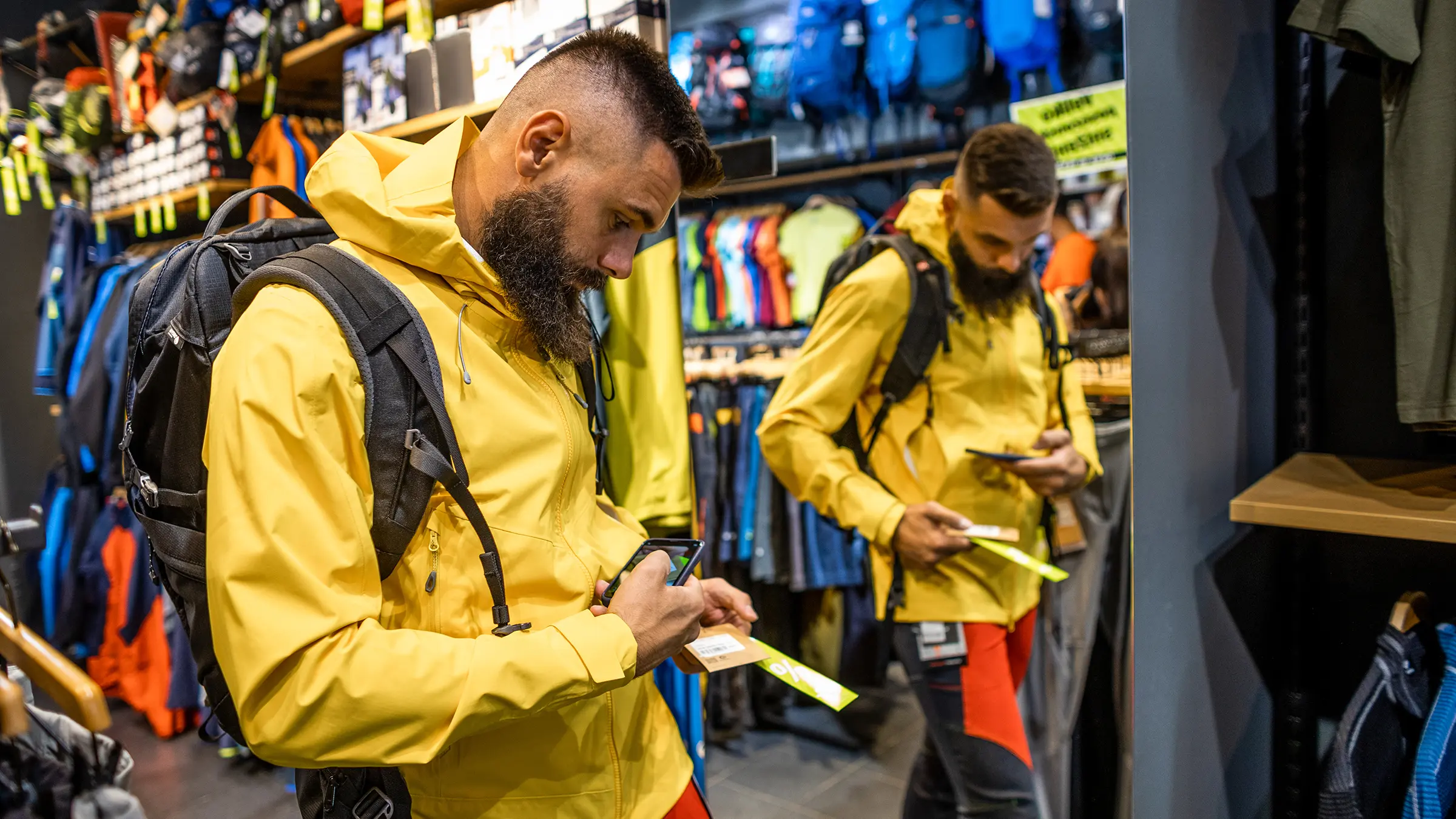
Why Outdoor Gear Marketing Can Be Misleading
Outdoor equipment is often sold through emotional storytelling.
Brands know that consumers don't just buy products—they buy experiences.
Advertisements often show:
- Mountain summits at sunrise
- Remote wilderness adventures
- Rugged explorers overcoming challenges
- Families enjoying unforgettable camping trips
While these images are inspiring, they don't tell you whether the product itself performs well.
For example:
A tent advertised as "stormproof" may never reveal its actual waterproof rating.
A backpack labeled "ultralight" may still weigh significantly more than competing models.
A jacket described as "breathable" may provide no measurable breathability data.
The smartest buyers look beyond emotional marketing and focus on measurable specifications.
Waterproof Ratings Matter More Than "Waterproof" Labels
One of the biggest misconceptions in outdoor gear shopping involves waterproof products.
Many people assume that if a product is labeled waterproof, it will keep them dry in any situation.
Unfortunately, that's not always true.
Understanding Hydrostatic Head Ratings
Waterproof fabrics are often measured using a hydrostatic head test.
This rating indicates how much water pressure a material can withstand before leaking.
Typical ratings include:
1,000 mm–1,500 mm
Suitable for:
- Light rain
- Short outdoor activities
Not ideal for prolonged exposure.
2,000 mm–3,000 mm
Good for:
- General camping
- Moderate rainfall
- Weekend hiking trips
5,000 mm–10,000 mm
Excellent for:
- Heavy rain
- Extended outdoor use
- Mountain hiking
10,000 mm and Above
Designed for:
- Extreme weather
- Backpacking expeditions
- Professional outdoor use
When comparing tents, rain jackets, or backpacks, the hydrostatic head rating tells you far more than vague claims like "weather-resistant" or "rain-ready."
Weight Should Be Evaluated Relative to Function
Many outdoor brands promote products as ultralight.
But what does that actually mean?
Without context, almost nothing.
A backpack weighing 3 pounds might be ultralight for a heavy-duty expedition pack but extremely heavy for a daypack.
Instead of focusing solely on total weight, consider:
- Weight-to-capacity ratio
- Weight-to-durability ratio
- Weight-to-feature ratio
Ask yourself:
"What am I getting for every ounce I carry?"
Sometimes carrying an extra pound is worthwhile if it dramatically increases comfort or durability.
Durability Is More Important Than Initial Appearance
A common mistake among beginners is evaluating products based on appearance alone.
Premium colors, sleek designs, and attractive packaging don't necessarily indicate durability.
Instead, pay attention to:
Fabric Denier Ratings
Denier (D) measures fabric thickness.
Common examples include:
20D–40D
- Lightweight
- Backpacking gear
- Less abrasion resistance
70D–150D
- Balanced performance
- Good durability
300D–600D
- Heavy-duty use
- Frequent outdoor activities
1000D+
- Extremely rugged
- Tactical and professional equipment
Higher denier numbers generally indicate stronger materials, though fabric quality and weave construction also matter.
Breathability Is Just as Important as Waterproofing
Many buyers focus exclusively on waterproof performance.
This can create another problem.
If a jacket traps sweat inside, you'll become wet anyway.
The moisture simply comes from your own body rather than the rain.
Understanding Breathability Ratings
Breathability is often measured in grams.
You may see specifications like:
- 5,000 g/m²/24h
- 10,000 g/m²/24h
- 20,000 g/m²/24h
Higher numbers indicate better moisture transfer.
For casual outdoor use:
- 5,000–10,000 is usually sufficient.
For hiking and active sports:
- 10,000–20,000 is preferable.
For intense mountain activities:
- 20,000+ offers superior comfort.
Backpack Capacity: Bigger Isn't Always Better
A common marketing strategy is emphasizing storage volume.
Many people assume more liters automatically means a better backpack.
In reality, oversized packs often create unnecessary weight and discomfort.
General guidelines include:
10–20 Liters
Suitable for:
- Day hikes
- Urban adventures
20–35 Liters
Ideal for:
- Full-day outdoor activities
- Travel
40–60 Liters
Best for:
- Weekend camping
- Multi-day hikes
60+ Liters
Appropriate for:
- Extended expeditions
- Winter backpacking
Choosing the correct size often improves comfort more than purchasing a premium brand.
Battery Life Claims Need Careful Interpretation
Outdoor electronics frequently advertise impressive battery performance.
However, manufacturers often test under ideal conditions.
Real-world factors include:
- Cold weather
- High brightness settings
- GPS use
- Bluetooth connections
- Frequent operation
A headlamp advertised as lasting 100 hours may achieve that only on its lowest brightness setting.
Always check:
- High-mode runtime
- Medium-mode runtime
- Real-use reviews
These numbers are often far more relevant.
UV Protection Ratings Are Worth Understanding
For outdoor clothing, hats, and shelters, ultraviolet protection is increasingly important.
Look for:
UPF Ratings
UPF stands for Ultraviolet Protection Factor.
UPF 15–24
Good protection.
UPF 25–39
Very good protection.
UPF 40–50+
Excellent protection.
UPF 50+ fabrics block approximately 98% of harmful UV radiation.
This metric is far more meaningful than general claims such as "sun-safe fabric."
Insect Protection Products: Focus on Effectiveness, Not Fancy Features
The outdoor market is full of mosquito-control products.
Some use:
- Ultrasonic technology
- LED lights
- Wearable gadgets
- Chemical repellents
Many advertisements make dramatic promises.
Before purchasing, examine:
Coverage Area
How much space does the device actually protect?
Duration
How long does protection last?
Environmental Conditions
Does effectiveness change in windy conditions?
Active Ingredients
What compounds actually repel insects?
A product's scientific basis matters much more than attractive marketing language.
Temperature Ratings on Sleeping Bags Require Context
Sleeping bag advertisements often emphasize extreme temperature ratings.
Unfortunately, consumers frequently misunderstand them.
A sleeping bag labeled:
"20°F Sleeping Bag"
does not necessarily mean you'll sleep comfortably at 20°F.
Manufacturers often provide:
Survival Rating
The lowest temperature where survival is possible.
Limit Rating
The lowest temperature where an average user may remain functional.
Comfort Rating
The temperature most users will find comfortable.
Always prioritize the comfort rating when selecting sleeping bags.
Footwear Performance Goes Beyond Brand Reputation
Many hikers become loyal to certain footwear brands.
While brand reputation can be useful, it shouldn't replace objective evaluation.
Important metrics include:
Outsole Grip
Check tread depth and rubber compound.
Cushioning
Consider intended terrain.
Weight
Heavier boots often provide greater support.
Waterproof Membranes
Evaluate actual construction rather than marketing terms.
Fit
The best hiking boot is often the one that fits your foot properly—not the one receiving the most advertising attention.
Product Reviews: Learn to Separate Real Feedback from Marketing
Modern consumers heavily rely on reviews.
Unfortunately, not all reviews are equally valuable.
Focus on:
Long-Term Reviews
Look for feedback after months of use.
Detailed Experiences
Specific strengths and weaknesses matter.
Usage Context
A backpack that performs well during urban travel may not perform well on rugged trails.
Consistent Patterns
If dozens of reviewers mention the same issue, it's likely legitimate.
The Cost-Performance Balance
Expensive gear isn't always better.
Cheap gear isn't always bad.
The key question is:
"What level of performance do I actually need?"
For example:
A casual weekend camper probably doesn't require an expedition-grade tent designed for Arctic conditions.
Similarly, a serious backpacker may regret buying the cheapest available gear.
The best purchase often lies somewhere in the middle.
Questions to Ask Before Buying Any Outdoor Product
Before clicking "Buy Now," ask yourself:
- What problem does this product solve?
- Which measurable specifications support the marketing claims?
- What do long-term users say?
- Is the performance appropriate for my activities?
- Am I paying for features I'll never use?
- Does the product offer good durability?
- How does it compare to competitors with similar specifications?
- What are the warranty and support policies?
These questions can save significant money and frustration.
Common Marketing Buzzwords You Should Treat Carefully
Whenever you encounter these phrases, look for supporting data:
- Revolutionary
- Military-grade
- Tactical
- Professional
- Premium
- Advanced
- Ultimate
- Extreme
- All-weather
- Industry-leading
- Next-generation
These terms are not necessarily false.
However, they are often meaningless without measurable specifications.
Building a Smarter Outdoor Gear Buying Strategy
Experienced outdoor enthusiasts rarely buy products based solely on advertisements.
Instead, they:
- Compare specifications
- Analyze durability metrics
- Evaluate weight and functionality
- Read long-term reviews
- Consider real-world performance
This approach consistently leads to better purchasing decisions.
Over time, you'll develop a deeper understanding of which metrics truly matter and which marketing claims can safely be ignored.
Final Thoughts
The outdoor industry offers incredible products that can enhance safety, comfort, and enjoyment during adventures. However, it also relies heavily on marketing language designed to capture attention and encourage spending.
The most successful outdoor buyers understand that impressive slogans don't necessarily translate into superior performance.
Whether you're purchasing a tent, backpack, hiking boots, rain jacket, camping lantern, mosquito protection device, or sleeping bag, the smartest approach is to focus on measurable indicators rather than promotional promises.
Waterproof ratings, breathability scores, fabric denier, weight-to-performance ratios, comfort temperature ratings, battery runtime, UV protection levels, and durability specifications provide far more useful information than catchy taglines ever will.
The next time you shop for outdoor gear, resist the temptation to be swayed by dramatic advertising. Instead, dig into the numbers, compare the facts, and evaluate products based on how they will perform in real outdoor conditions.
Your wallet—and your future outdoor adventures—will thank you for it.
Need Help with Your Custom Project?
Have questions about materials, sizing, or looking for a quick quote? Drop us a message and our experts will respond within 24 hours.
Chat on WhatsApp
+1 (304) 356-6765
Send us an Email
hello@incustom.com
Picked for You