Don’t Forget the Tracks: Why Maintaining Curtain Hardware Is the Key to Extending Curtain Lifespan

Apr 17 2026
When people think about curtain care, they usually focus on the fabric—washing, steaming, or protecting it from sunlight. But there’s a critical component that often gets ignored: the hardware. Curtain rods, tracks, gliders, brackets, and other metal or plastic components play a central role in how your curtains function every single day.
Neglecting these parts can lead to frustrating issues—sticking curtains, uneven draping, annoying noises, and even fabric damage. Over time, poorly maintained hardware doesn’t just affect usability; it can significantly shorten the lifespan of your curtains.
If you want your curtains to look good and function smoothly for years, it’s time to pay attention to what’s behind the scenes. This guide explores why curtain hardware maintenance matters, common problems, and practical steps you can take to keep everything running like new.
The Hidden Role of Curtain Hardware
Curtain systems are more than just decorative fabric. They’re mechanical systems that rely on multiple components working together.
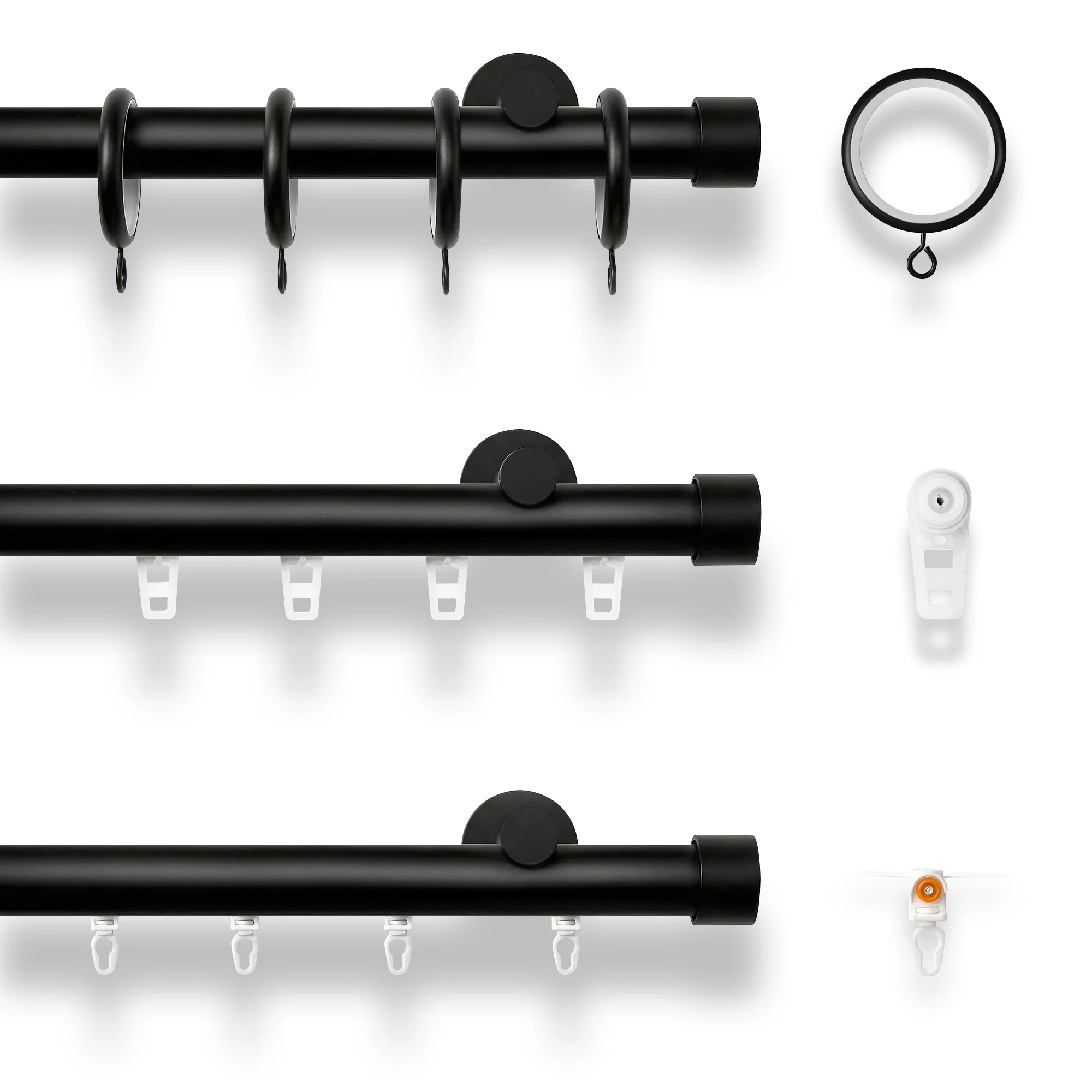
Key Hardware Components
Curtain rods or tracks
Gliders or rollers
Brackets and mounts
Rings and hooks
End caps and finials
Each part contributes to the overall performance of your curtains. When one component fails, it can affect the entire system.
Why Hardware Maintenance Matters
1. Smooth Operation Depends on It
Curtains are opened and closed frequently—sometimes multiple times a day. Without proper maintenance:
Tracks accumulate dust and debris
Rollers lose lubrication
Movement becomes stiff or jerky
This not only makes daily use inconvenient but also increases wear on the fabric.
2. Prevents Fabric Damage
When hardware doesn’t function properly, the fabric pays the price.
Common issues include:
Snagging on rough or damaged tracks
Uneven tension causing stretching
Tearing around hooks or grommets
Over time, these small problems can lead to irreversible damage.
3. Extends the Lifespan of the Entire System
Curtains and hardware are interdependent. Maintaining one without the other is ineffective.
Well-maintained hardware:
Reduces stress on fabric
Prevents sudden failures
Keeps the system balanced
4. Improves Aesthetic Appeal
Dirty or corroded hardware can detract from the overall look of your curtains.
Regular maintenance helps:
Preserve finishes
Prevent discoloration
Maintain a polished appearance
Common Problems Caused by Neglected Hardware
Understanding what can go wrong highlights the importance of regular care.
Sticky or Jammed Tracks
Dust, dirt, and residue can build up inside tracks, making it difficult for curtains to slide.
Noisy Operation
Squeaking or grinding sounds often indicate:
Lack of lubrication
Worn-out rollers
Misaligned components
Corrosion and Rust
Metal components exposed to humidity can corrode over time, weakening the structure.
Loose or Misaligned Brackets
Improper support can cause rods or tracks to sag, affecting both function and appearance.
Broken Gliders or Hooks
Small components bear significant weight and can fail if not maintained.
How Dust and Debris Affect Curtain Tracks
Tracks are particularly vulnerable because they collect airborne particles.
Sources of Buildup
Household dust
Pet hair
Cooking residue
Smoke particles
Over time, this buildup creates friction, which:
Slows down movement
Wears out rollers
Increases strain on mounting points
Step-by-Step Guide to Maintaining Curtain Hardware
Keeping your curtain system in top condition doesn’t require specialized skills—just consistency and attention to detail.
Step 1: Regular Cleaning
Start by removing visible dust and debris.
How to Do It
Use a vacuum with a brush attachment
Wipe tracks with a damp microfiber cloth
Clean rods and brackets
Avoid soaking components, especially metal parts.
Step 2: Deep Cleaning Tracks
For more thorough maintenance:
Remove curtains if possible
Use a soft brush to clean inside the track
Wipe with mild soapy water
Dry completely
Step 3: Lubrication
Lubrication is essential for smooth operation.
Recommended Options
Silicone-based sprays
Dry lubricants
Avoid oil-based products that attract dust.
Step 4: Inspect Moving Parts
Check for:
Worn or broken gliders
Bent tracks
Loose screws
Replace damaged components promptly.
Step 5: Tighten and Align
Ensure all brackets and mounts are secure and properly aligned.
Misalignment can cause uneven weight distribution and premature wear.
Choosing the Right Hardware for Longevity
Not all curtain hardware is created equal.
Materials Matter
Stainless steel resists corrosion
Aluminum is lightweight and durable
High-quality plastics reduce friction
Quality vs. Cost
Cheaper hardware may save money upfront but often leads to higher replacement costs over time.
Investing in durable components pays off in the long run.
Environmental Factors That Affect Hardware
Your home environment plays a significant role in hardware wear.
Humidity
High humidity can accelerate rust and corrosion.
Temperature Changes
Expansion and contraction can loosen fittings over time.
Air Quality
Pollutants and grease particles contribute to buildup.
Maintenance Frequency: How Often Should You Check?
A simple schedule can keep everything in good condition.
Light cleaning: every 2–4 weeks
Deep cleaning: every 3–6 months
Inspection: twice a year
Adjust based on usage and environment.
Signs Your Curtain Hardware Needs Attention
Don’t wait for complete failure. Watch for early warning signs:
Curtains don’t slide smoothly
Visible dirt in tracks
Unusual noises
Sagging rods
Difficulty opening or closing
Addressing these issues early prevents bigger problems.
The Connection Between Hardware and Fabric Longevity
It’s easy to treat curtains and hardware as separate elements, but they function as a system.
Poor hardware maintenance can:
Increase friction
Create uneven stress
Accelerate fabric wear
On the other hand, smooth, well-maintained hardware allows curtains to move effortlessly, reducing strain and preserving their structure.
DIY vs. Professional Maintenance
Most maintenance tasks can be handled at home, but some situations call for professional help.
DIY Tasks
Cleaning
Lubrication
Minor part replacement
When to Call a Professional
Major misalignment
Structural issues
Custom or motorized systems
Long-Term Benefits of Proper Hardware Care
Investing time in maintenance delivers real value.
Financial Savings
Fewer replacements and repairs mean lower long-term costs.
Improved Daily Experience
Smooth, quiet operation enhances comfort and convenience.
Extended Curtain Lifespan
Proper support and movement reduce wear and tear on fabric.
Building a Simple Maintenance Routine
Consistency is key.
Make It a Habit
Incorporate quick checks into your regular cleaning routine.
Keep Tools Handy
Store:
Microfiber cloths
Cleaning solutions
Lubricants
Stay Proactive
Don’t wait for problems to appear—prevent them.
Final Thoughts
Curtains may be the most visible part of your window treatment, but the hardware behind them is what keeps everything functioning properly. Ignoring curtain tracks, rods, and other components is one of the most common reasons curtains wear out prematurely.
By cleaning, lubricating, and inspecting your curtain hardware regularly, you create a system that supports smooth operation and protects your investment. It’s a simple shift in perspective—focusing not just on how your curtains look, but on how they work.
Don’t forget the tracks. With just a little attention and care, you can extend the life of your curtains, improve their performance, and keep your living space looking its best for years to come.
Need Help with Your Custom Project?
Have questions about materials, sizing, or looking for a quick quote? Drop us a message and our experts will respond within 24 hours.
Chat on WhatsApp
+1 (304) 356-6765
Send us an Email
hello@incustom.com
Picked for You