Don't Get Fooled! The 5 Biggest Mistakes People Make When Buying Outdoor Covers

Jul 13 2026
Outdoor furniture, grills, fire pits, generators, patio umbrellas, air conditioners, bicycles, and other outdoor equipment are valuable investments. Unfortunately, many homeowners spend hundreds—or even thousands—of dollars replacing items that could have lasted much longer with the right protection.
One of the simplest ways to extend the life of outdoor equipment is by using a high-quality outdoor cover. However, not all covers are created equal. Attractive marketing claims, low prices, and misleading product descriptions often make it difficult to know which cover will actually protect your belongings and which one will fail after a single season.
Many buyers focus only on appearance or price, only to discover months later that the cover leaks, tears, fades, traps moisture, or simply doesn't fit properly.
The good news is that these costly mistakes are entirely avoidable. By understanding what truly matters in an outdoor cover, you'll be able to make a smarter purchase that saves money and protects your investment for years.
In this guide, we'll explore the five most common mistakes people make when buying outdoor covers, explain why they happen, and show you exactly what to look for before making your next purchase.
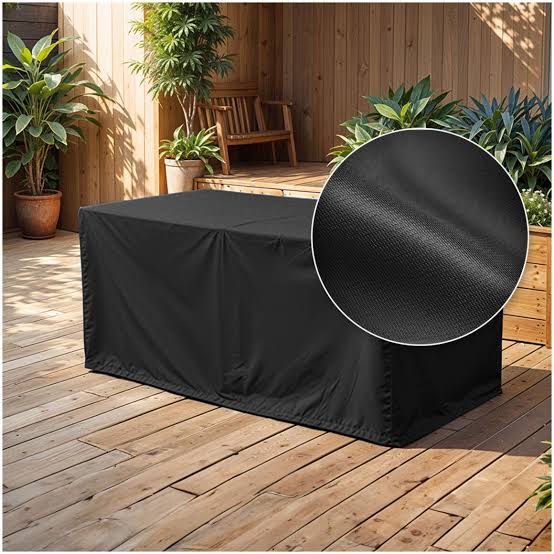
Why Outdoor Covers Matter More Than You Think
Outdoor equipment faces constant exposure to environmental stress. Even when an item isn't being used, nature continues to wear it down every day.
Some of the biggest threats include:
UV radiation
Rain
Snow
Ice
Wind
Dust
Tree sap
Bird droppings
Mold
Mildew
Salt air
Temperature fluctuations
Falling leaves
Pollen
Over time, these elements can cause fading, rust, corrosion, cracking, warping, fabric deterioration, and electrical damage.
A properly designed outdoor cover acts as the first line of defense against these hazards, helping preserve both appearance and functionality.
Unfortunately, choosing the wrong cover may provide little protection—or even make matters worse.
Mistake #1: Choosing the Cheapest Cover Available
Everyone enjoys saving money, but when it comes to outdoor protection, the lowest price often comes with hidden costs.
Budget covers frequently use:
Thin polyester
Low-quality stitching
Weak seams
Lightweight coatings
Inferior hardware
While these covers may look similar to premium products in online photos, their performance is often dramatically different.
Common problems include:
Tearing during strong winds
Water leakage
Rapid fading
Cracking after prolonged sun exposure
Brittle material in cold weather
Many inexpensive covers need replacement after only one season, making them more expensive over time than investing in a durable cover from the beginning.
Instead of focusing only on price, consider overall value.
A well-made cover that lasts five to eight years is usually far more economical than replacing a low-cost cover every year.
What Determines a Cover's Quality?
Several factors contribute to long-term durability.
Look for features such as:
Heavy-duty woven fabric
Reinforced seams
Double stitching
UV-resistant coating
Waterproof backing
Strong buckles
Durable drawstrings
Rust-resistant grommets
Quality construction typically delivers better protection throughout every season.
Mistake #2: Ignoring Material Specifications
Many buyers assume all waterproof fabrics perform similarly.
They don't.
Outdoor covers are manufactured using various materials, each offering different strengths.
Common options include:
Polyester
Polyester remains one of the most popular choices because it is:
Lightweight
Strong
Affordable
Resistant to stretching
However, polyester alone isn't waterproof. Protective coatings are necessary.
Oxford Fabric
Oxford fabric uses a basket weave construction that increases durability.
Higher denier ratings generally indicate thicker, stronger material.
Examples include:
210D
300D
420D
600D
900D
A higher number often provides better resistance to tearing and abrasion, though overall quality also depends on the coating and manufacturing process.
Vinyl-Coated Fabrics
Vinyl coatings provide excellent waterproof performance.
However, they may:
Feel heavier
Reduce breathability
Become stiff in cold temperatures
Solution-Dyed Fabrics
Premium outdoor covers often use solution-dyed materials.
Because the color is added before the fibers are formed, these fabrics offer:
Superior fade resistance
Longer-lasting appearance
Better UV stability
Waterproof Doesn't Always Mean Weatherproof
Many advertisements highlight waterproof performance while overlooking other important factors.
An ideal outdoor cover should provide protection against:
Rain
UV rays
Wind
Snow
Dust
Moisture buildup
A cover that blocks water but traps humidity may actually encourage mold and mildew.
The best designs balance water resistance with ventilation.
Mistake #3: Buying the Wrong Size
One of the most common buying mistakes is assuming that "close enough" is good enough.
It usually isn't.
A cover that's too small may:
Expose corners
Leave legs uncovered
Stretch seams
Tear more easily
Meanwhile, a cover that's too large may:
Collect rainwater
Flap in the wind
Wear against sharp edges
Blow away
Create unnecessary stress points
Proper measurements are essential before purchasing.
How to Measure Correctly
Measure the object in its normal storage position.
Record:
Length
Width
Height
Always measure the widest and tallest points, including handles, wheels, side shelves, or protruding accessories.
Avoid relying solely on product names such as "large grill cover" or "XL patio cover," as sizing varies between manufacturers.
Why a Custom Fit Matters
Some outdoor equipment has unusual shapes that standard covers don't accommodate well.
Examples include:
Sectional patio furniture
Outdoor kitchen islands
Firewood racks
Smokers
Pizza ovens
Generators
Garden fountains
Custom-sized covers often provide:
Better appearance
Improved water runoff
Reduced wind movement
Longer service life
Mistake #4: Overlooking Ventilation
This mistake surprises many homeowners.
People naturally assume that sealing out all air creates the best protection.
In reality, trapped moisture is one of the biggest enemies of outdoor equipment.
Even without rain, moisture forms from:
Humidity
Morning dew
Temperature changes
Condensation
If that moisture cannot escape, the interior becomes a breeding ground for:
Mold
Mildew
Rust
Corrosion
Wood rot
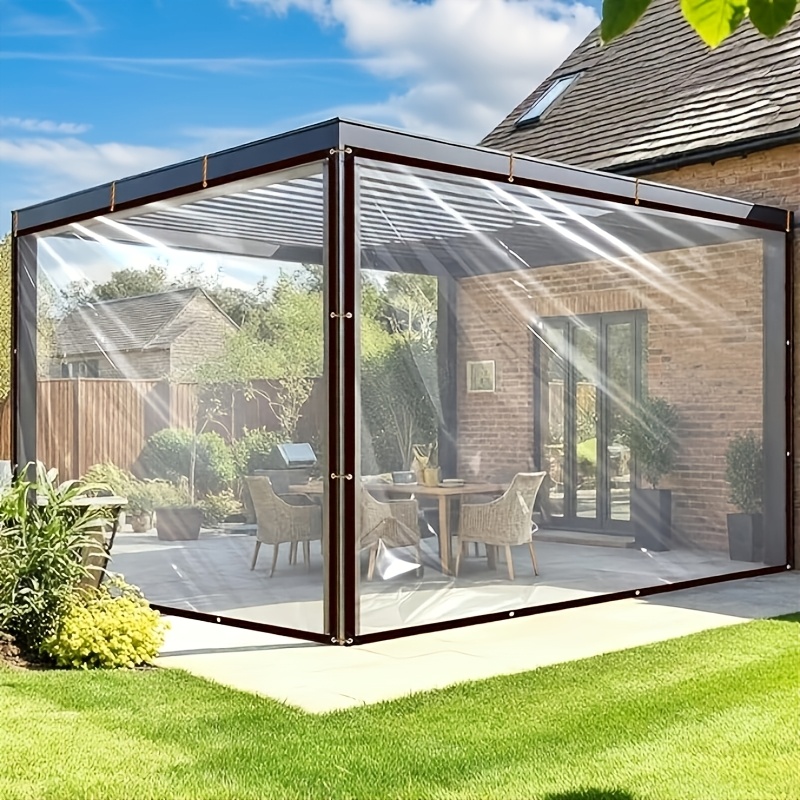
Why Airflow Matters
Quality outdoor covers often include built-in air vents.
These vents help:
Reduce condensation
Improve airflow
Minimize mold growth
Prevent ballooning during wind
Ventilation significantly improves long-term protection, especially in humid climates.
Moisture Can Damage More Than Fabric
Excess humidity affects numerous materials.
Metal may develop rust.
Wood may warp or crack.
Leather can mildew.
Outdoor cushions may develop unpleasant odors.
Electronics may corrode internally.
A breathable cover helps reduce all of these risks.
Mistake #5: Believing Every "UV Resistant" Label
Few marketing claims are used more frequently than "UV resistant."
Unfortunately, this phrase can mean very different things depending on the manufacturer.
Some covers receive only minimal UV treatment.
Others are engineered specifically for years of sunlight exposure.
Why UV Protection Is So Important
Ultraviolet radiation gradually weakens many materials.
Without proper UV resistance, fabrics may experience:
Color fading
Fiber breakdown
Cracking
Brittleness
Reduced waterproof performance
Eventually, the cover itself becomes the weakest point.
Signs of Poor UV Resistance
Watch for early warning signs such as:
Chalky appearance
Significant fading
Surface cracking
Peeling coatings
Stiff fabric
Splitting seams
These symptoms usually indicate that UV degradation has begun.
Climate Should Influence Your Purchase
Different regions expose outdoor covers to different challenges.
For example:
Sunny Climates
Prioritize:
Maximum UV resistance
Fade-resistant fabrics
Heat stability
Rainy Regions
Focus on:
Waterproof construction
Reinforced seams
Fast water runoff
Ventilation
Snowy Areas
Look for:
Heavy-duty fabric
Strong stitching
Cold-weather flexibility
Weight-bearing durability
Coastal Locations
Salt air increases corrosion risks.
Choose covers with:
Corrosion-resistant hardware
Durable coatings
Mold-resistant materials
Matching your cover to your environment improves both performance and longevity.
Additional Features Worth Considering
Beyond the basics, several design elements can make a noticeable difference.
Useful features include:
Adjustable buckles
Elastic hems
Drawcord closures
Padded handles
Air vents
Waterproof seam tape
Reinforced corners
Storage bags
Reflective strips
Double-stitched seams
While not every feature is necessary for every application, these details often distinguish premium covers from lower-quality alternatives.
Common Myths About Outdoor Covers
Myth 1: Thicker Always Means Better
Thickness alone doesn't determine performance.
Fabric quality, weave, coatings, and construction all matter.
Myth 2: Waterproof Covers Never Need Maintenance
Outdoor covers benefit from occasional cleaning.
Removing dirt, pollen, bird droppings, and tree sap helps preserve protective coatings and extend the cover's lifespan.
Myth 3: One Cover Fits Everything
Universal covers may work for some items, but oddly shaped equipment often requires a more tailored fit for reliable protection.
Myth 4: Outdoor Covers Last Forever
Even premium covers eventually wear out.
Regular inspections help identify:
Small tears
Loose stitching
Coating wear
Broken buckles
Replacing a damaged cover before it fails completely protects the equipment underneath.
How to Make a Smarter Purchase
Before buying an outdoor cover, ask yourself a few important questions:
What weather conditions will it face most often?
Is the fabric designed for long-term outdoor use?
Does it include proper ventilation?
Are the seams reinforced?
Will the cover stay secure during high winds?
Is the sizing appropriate for the equipment?
Does it provide reliable UV protection?
Is the material resistant to mold and mildew?
Is it easy to remove and reinstall?
Taking a few extra minutes to evaluate these factors can prevent years of frustration.
Caring for Your Outdoor Cover
Even the best outdoor cover performs better with regular maintenance.
To maximize its lifespan:
Clean the cover periodically with mild soap and water.
Allow it to dry completely before storage.
Avoid folding it while wet.
Remove standing water after heavy rain.
Inspect seams and straps regularly.
Store it in a dry location when not in use for extended periods.
Routine care helps preserve both the cover and the valuable items beneath it.
Final Thoughts
Buying an outdoor cover may seem like a simple decision, but choosing the wrong one can lead to unnecessary expenses, damaged equipment, and constant replacements. The five most common mistakes—focusing only on price, ignoring fabric quality, choosing the wrong size, overlooking ventilation, and believing vague UV-resistant claims—are all avoidable with a little knowledge and careful shopping.
A well-designed outdoor cover should do more than keep rain off your belongings. It should withstand sunlight, resist tearing, promote airflow, fit securely, and provide dependable protection through changing seasons. Whether you're covering patio furniture, a barbecue grill, outdoor appliances, bicycles, generators, or garden equipment, investing in the right cover helps preserve both appearance and performance for years to come.
Instead of shopping based solely on price or marketing promises, prioritize quality materials, thoughtful construction, and features that match your local climate. A reliable outdoor cover is more than an accessory—it's a practical investment that protects the things you value most.
Have questions about choosing the right outdoor cover for your furniture or equipment? Feel free to leave a comment or contact us. We'd be happy to help you find the perfect protective solution for your outdoor space.
Need Help with Your Custom Project?
Have questions about materials, sizing, or looking for a quick quote? Drop us a message and our experts will respond within 24 hours.
Chat on WhatsApp
+1 (304) 356-6765
Send us an Email
hello@incustom.com
Picked for You