
When shopping for outdoor gear, many people instinctively reach for familiar brand names. Whether it's backpacks, hiking boots, tents, jackets, or camping cookware, recognizable logos often provide a sense of confidence. After all, well-known outdoor companies have built reputations over decades through innovation, athlete sponsorships, and countless successful expeditions.
But here's the truth experienced hikers, mountaineers, backpackers, and outdoor professionals understand:
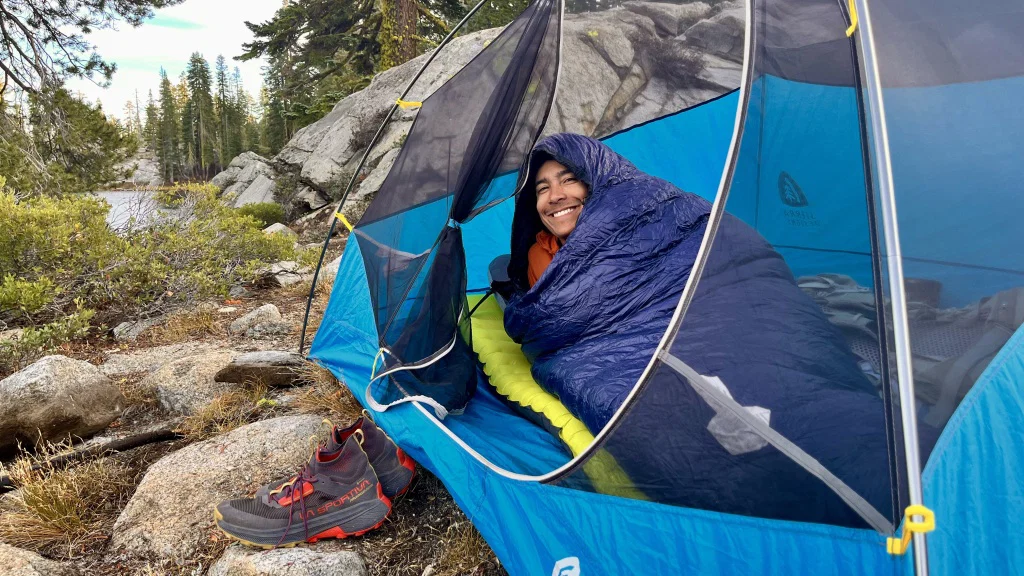
A famous logo doesn't automatically mean the product is the best choice for your adventure.
Brand reputation matters—but it's only one piece of a much larger puzzle. Every outdoor activity places unique demands on your equipment, and even premium gear can disappoint if it doesn't match your environment, skill level, or intended use.
Learning to evaluate outdoor gear based on measurable performance rather than marketing claims will help you spend your money wisely, improve your comfort, and stay safer in the wilderness.
In this guide, we'll explore how experts analyze outdoor equipment, which performance indicators matter most, and how you can confidently compare products regardless of the brand name on the label.
Why Brand Recognition Can Be Misleading
Well-known brands earn their reputation for good reasons. Many invest heavily in research, product testing, sustainable materials, and customer support.
However, several factors can make brand-based purchasing unreliable.
Different Products, Different Quality Levels
A company may produce an outstanding mountaineering jacket while offering only average camping furniture.
Likewise, a brand famous for hiking boots might not excel in sleeping bags or trekking poles.
Judging every product by the reputation of the company often leads to disappointment.
Marketing Isn't Engineering
Outdoor advertising often features dramatic mountain landscapes, elite athletes, and extreme weather.
While visually compelling, advertisements rarely explain:
Fabric construction
Waterproof testing methods
Abrasion resistance
Insulation efficiency
Seam durability
Manufacturing tolerances
Performance comes from engineering—not photography.
Premium Doesn't Always Mean Better
Many expensive products include features designed for professional expeditions.
If you're a weekend camper, those advanced features may provide little practical benefit while significantly increasing weight and cost.
Sometimes the best-performing gear for your needs comes from a mid-range manufacturer rather than the industry's biggest names.
Start with Your Adventure, Not the Product
Professionals don't begin by asking:
"Which backpack should I buy?"
Instead, they ask:
"What kind of trip am I preparing for?"
Outdoor gear should always match the mission.
Consider:
Day hiking
Weekend backpacking
Winter camping
Desert trekking
Alpine climbing
Canoe expeditions
Family camping
Trail running
Each activity requires different priorities.
For example:
A lightweight ultramarathon vest performs poorly as a week-long backpack.
An expedition tent is unnecessary for campground camping.
A mountaineering boot feels uncomfortable on easy forest trails.
The best gear is context-specific.
Learn to Read Product Specifications
Experts spend surprisingly little time looking at marketing slogans.
Instead, they study specification sheets.
Specifications tell the real story.
Weight
Every ounce matters outdoors.
However, lighter isn't always better.
Ask yourself:
Does lower weight reduce durability?
Is the weight savings worth the higher price?
Will the lighter material survive your environment?
Ultralight equipment often requires more careful handling.
Heavy-duty equipment usually lasts longer.
The ideal balance depends on your priorities.
Material Quality
Materials determine durability, weather resistance, and lifespan.
Common backpack materials include:
Nylon
Ripstop nylon
Cordura®
Dyneema® Composite Fabric
Polyester
Each offers different advantages.
For example:
Ripstop fabrics resist tearing.
Dyneema provides exceptional strength-to-weight ratio.
Cordura emphasizes abrasion resistance.
Understanding material properties is more useful than memorizing brand names.
Fabric Denier
You'll frequently see numbers like:
20D
40D
70D
210D
500D
Denier measures fiber thickness.
Generally:
Higher denier:
Better abrasion resistance
Greater durability
Increased weight
Lower denier:
Lighter
More packable
Less resistant to wear
Neither is universally better.
Choose according to your activity.
Waterproof Ratings Explained
Many buyers misunderstand waterproof ratings.
Labels like:
5,000 mm
10,000 mm
20,000 mm
refer to hydrostatic head testing.
Higher numbers indicate greater resistance to water pressure.
However, waterproof performance depends on far more than fabric.
Experts also evaluate:
Seam sealing
Zipper construction
Storm flaps
Hood design
Cuff adjustment
Ventilation
A jacket with excellent construction often outperforms one boasting only a higher waterproof rating.
Breathability Matters More Than Many Realize
Staying dry isn't only about keeping rain out.
Sweat trapped inside clothing can become equally uncomfortable.
Breathability determines how efficiently moisture vapor escapes.
Poor breathability leads to:
Condensation
Damp clothing
Chilling
Reduced comfort
Outdoor clothing should balance waterproof protection with moisture management.
Insulation: Warmth Isn't Just About Thickness
Consumers often assume thicker jackets are warmer.
In reality, insulation performance depends on several variables.
These include:
Loft
Fill quality
Construction
Moisture resistance
Wind protection
Down Insulation
Advantages:
Exceptional warmth-to-weight ratio
Highly compressible
Long lifespan
Disadvantages:
Reduced insulation when soaked
Requires careful maintenance
Fill power numbers:
650
700
800
900+
Higher fill power indicates more loft per ounce—not necessarily a warmer jacket.
Warmth also depends on the amount of insulation used.
Synthetic Insulation
Benefits include:
Performs better when wet
Easier maintenance
Lower cost
Faster drying
Ideal for humid climates and frequent rain.
Understanding Backpack Suspension Systems
Many shoppers focus only on storage capacity.
Professionals evaluate carrying comfort.
Key factors include:
Frame Design
Options include:
Frameless
Internal frame
External frame
Each distributes weight differently.
Hip Belt
A quality hip belt transfers weight from shoulders to hips.
Poorly designed belts cause fatigue during long hikes.
Shoulder Straps
Evaluate:
Padding density
Width
Ventilation
Adjustability
Comfort often matters more than raw storage capacity.
Footwear: Fit Comes Before Brand
Perhaps nowhere is branding more misleading than hiking boots.
Even the highest-rated boot becomes useless if it doesn't fit your feet.
Professionals evaluate:
Toe box shape
Heel lock
Arch support
Midsole stiffness
Outsole traction
Weight
Waterproof membrane
Comfort during the first ten miles predicts long-term satisfaction better than brand reputation.
Traction Technologies
Many companies advertise proprietary outsole compounds.
Instead of memorizing trademark names, examine:
Lug depth
Rubber softness
Surface pattern
Edge design
Flexibility
Different terrains require different traction characteristics.
Mud.
Snow.
Wet rock.
Loose gravel.
No single sole dominates every condition.
Tent Performance Beyond Waterproof Ratings
Tent shopping often revolves around waterproof numbers.
Experts examine far more.
Including:
Pole Architecture
Pole geometry affects:
Wind resistance
Interior space
Setup speed
Ventilation
Condensation causes many camping frustrations.
Well-designed vents improve airflow without sacrificing weather protection.
Floor Construction
Durability depends on:
Fabric thickness
Reinforcement
Coating quality
Guy-Out Points
Additional anchor points improve stability during storms.
Sleeping Bags: Temperature Ratings Can Be Confusing
Not every sleeping bag labeled "20°F" performs equally.
Look for standardized laboratory testing.
Also consider:
Comfort rating
Limit rating
Extreme rating
Most recreational campers should focus on comfort ratings rather than survival limits.
Cooking Equipment: Efficiency Over Appearance
Outdoor cookware should prioritize function.
Evaluate:
Heat distribution
Fuel efficiency
Wind resistance
Weight
Nesting capability
Cleaning convenience
Beautiful cookware that wastes fuel quickly becomes frustrating on extended trips.
Durability Testing
Experienced gear reviewers often conduct:
Abrasion tests
Waterproof testing
Freeze testing
UV exposure
Repeated zipper cycles
Compression testing
Look for independent reviews discussing long-term performance instead of first impressions.
Read Reviews Like an Expert
Customer reviews can be extremely helpful—but only when interpreted carefully.
Avoid focusing solely on star ratings.
Instead, search for recurring themes.
For example:
Positive patterns:
Excellent durability after multiple seasons
Comfortable under heavy loads
Reliable in rain
Easy repairs
Negative patterns:
Zippers failing
Delamination
Stitching issues
Waterproof coating deterioration
Repeated complaints across hundreds of reviews deserve attention.
Consider Repairability
Outdoor gear experiences wear.
Ask:
Are replacement parts available?
Can buckles be replaced?
Can poles be repaired?
Is the fabric patchable?
Does the manufacturer provide repair services?
Repairable equipment often delivers greater long-term value than disposable alternatives.
Sustainability and Longevity
Performance today shouldn't compromise tomorrow.
Many outdoor enthusiasts now consider:
Recycled fabrics
PFAS-free water repellents
Responsible down certification
Bluesign-approved materials
Fair manufacturing practices
Environmentally responsible gear can also demonstrate impressive technical performance.
Don't Ignore Warranty Policies
A generous warranty reflects confidence in engineering.
However, read the details.
Some warranties cover:
Manufacturing defects
Others exclude:
Normal wear
UV damage
Improper use
Understanding warranty terms prevents disappointment later.
Price vs. Value
The cheapest product often costs more in the long run if it fails prematurely.
Likewise, the most expensive product may include features you'll never use.
Ask:
Will this improve safety?
Will it increase comfort?
Will it last significantly longer?
Does it suit my adventures?
Value comes from performance—not price alone.
Build Your Own Evaluation Checklist
Experts mentally score products across multiple categories before making a purchase.
A practical checklist includes:
| Performance Category | Questions to Ask |
|---|---|
| Weight | Is it appropriate for my activity? |
| Durability | Will it withstand expected conditions? |
| Weather Resistance | Can it handle rain, snow, or wind? |
| Comfort | Does it fit my body and movement? |
| Materials | Are the fabrics and components high quality? |
| Repairability | Can it be maintained over time? |
| Versatility | Can I use it across multiple trips? |
| User Reviews | Do long-term users report consistent reliability? |
| Warranty | Is the manufacturer confident in the product? |
| Cost | Does the performance justify the investment? |
This method allows you to compare products objectively, regardless of the logo.
Common Mistakes First-Time Buyers Make
Many newcomers fall into predictable traps, including:
Buying gear that is too technical for their needs
Choosing the lightest option without considering durability
Ignoring fit in favor of brand prestige
Confusing marketing terms with measurable performance
Overlooking repair options and warranty coverage
Purchasing complete gear systems all at once without identifying actual needs
Avoiding these mistakes can save both money and frustration.
Final Thoughts: Think Like an Outdoor Expert
The best outdoor gear isn't necessarily the one with the biggest brand name, the highest price tag, or the flashiest marketing campaign. It's the equipment that consistently performs under the conditions you actually encounter.
Experienced adventurers know that great gear is the result of thoughtful design, quality materials, rigorous testing, and a close match between the product and the task at hand. By learning to evaluate specifications, understand material science, interpret performance data, and prioritize function over reputation, you'll make smarter purchasing decisions and build an outdoor kit that serves you reliably for years.
The next time you're comparing backpacks, tents, hiking boots, jackets, or camping accessories, look beyond the logo. Ask better questions, examine the details, and focus on how the gear performs—not just who made it. That's how outdoor professionals shop, and it's a habit that pays dividends on every trail, campsite, and adventure.
Need Help with Your Custom Project?
Have questions about materials, sizing, or looking for a quick quote? Drop us a message and our experts will respond within 24 hours.
Chat on WhatsApp
+1 (304) 356-6765
Send us an Email
hello@incustom.com
Picked for You