Don’t Just Wash the Fabric: Why Your Curtain Tracks and Rollers Also Need Regular Lubrication

Mar 18 2026
When people think about curtain maintenance, the first thing that comes to mind is cleaning the fabric. We wash, vacuum, steam, and deodorize curtains to keep them looking fresh. Yet one of the most important parts of a curtain system often gets ignored entirely—the track and roller mechanism.
If your curtains suddenly feel heavy, make squeaking sounds, move unevenly, or refuse to glide smoothly, the problem usually isn’t the fabric at all. The real issue lies in friction buildup inside the curtain track system.
Just like door hinges, drawer slides, or garage rails, curtain tracks require periodic lubrication to function properly. Without it, small mechanical problems gradually develop into structural wear, expensive repairs, and even curtain damage.
This comprehensive guide explains why lubrication matters, how friction silently damages curtain systems, and how homeowners can maintain smooth, quiet curtain operation with simple routines.
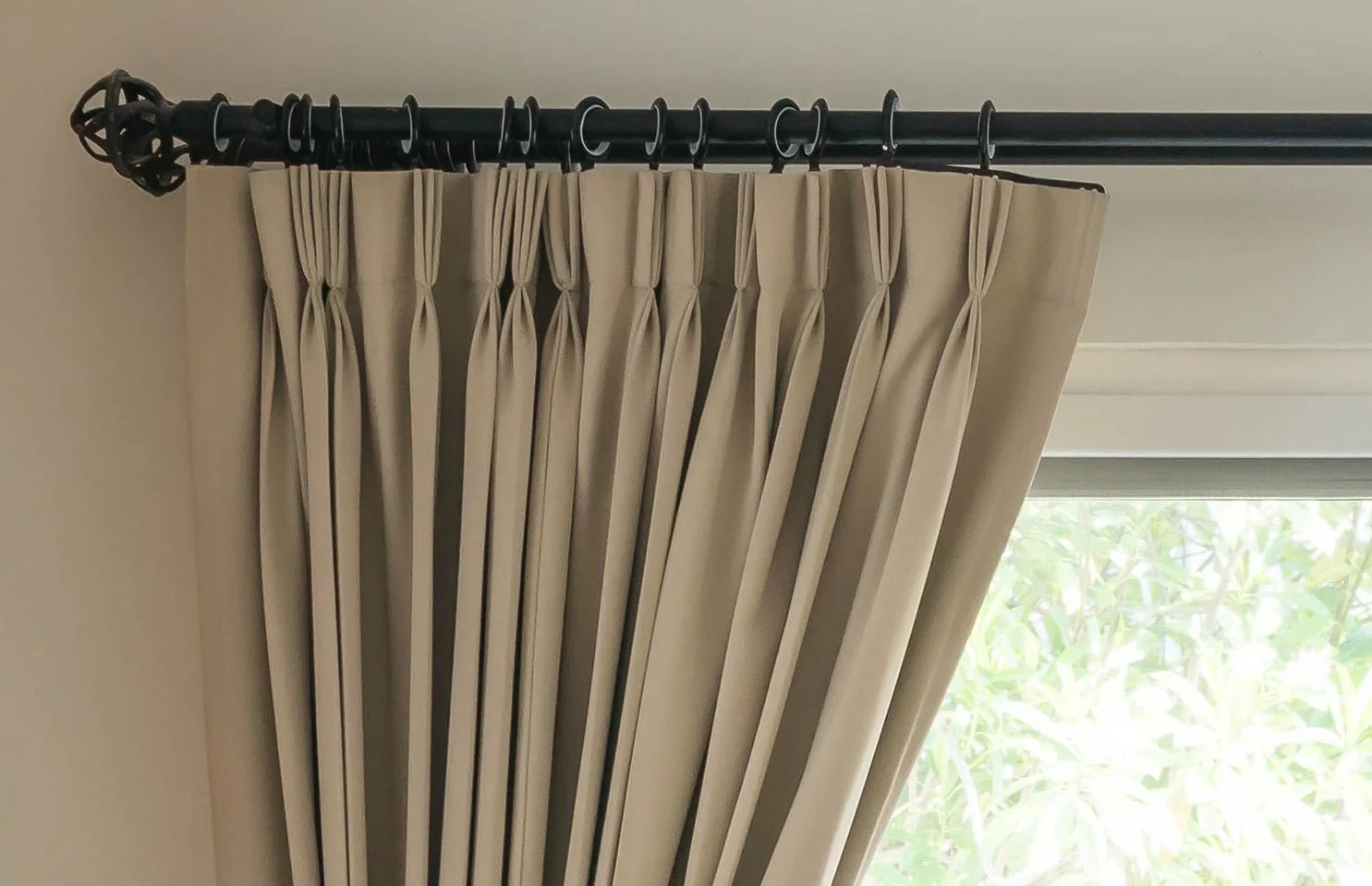
Understanding How Curtain Track Systems Actually Work
Curtains may look soft and decorative, but behind the scenes they rely on precision mechanics.
A typical curtain system includes:
Track or rail
Rollers or gliders
Hooks or carriers
Mounting brackets
End stops
Pull cords or motorized components (in some systems)
When you open or close curtains, rollers move along the track, distributing weight evenly while minimizing resistance. Ideally, movement should feel effortless.
However, over time, dust, humidity, and micro debris increase friction between moving parts. Without lubrication, the system begins to resist motion.
This resistance doesn’t appear overnight—it develops gradually.
Why Curtains Become Harder to Open Over Time
Many homeowners assume heavier fabric causes stiffness. In reality, friction inside the track is usually responsible.
The Friction Cycle
Dust enters the track.
Particles mix with humidity and grease.
Rollers encounter resistance.
Users pull harder.
Mechanical stress increases.
Components wear faster.
Eventually, rollers flatten, tracks scratch internally, and movement becomes jerky or noisy.
Lubrication interrupts this cycle by reducing surface resistance.
Signs Your Curtain Tracks Need Lubrication
Curtain systems rarely fail suddenly. They send warning signals first.
Watch for these common indicators:
Curtains require extra force to move
Grinding or squeaking sounds
Uneven sliding or sudden stops
Curtains drifting open or closed unintentionally
Visible dust buildup inside tracks
Rollers catching at specific points
If any of these occur, lubrication is overdue.
Why Cleaning Fabric Alone Isn’t Enough
Fabric maintenance improves appearance but does nothing for mechanical performance.
In fact, freshly washed curtains often reveal track problems more clearly because:
Clean fabric moves more freely.
Reduced weight exposes mechanical resistance.
Users notice stiffness immediately after rehanging.
Ignoring the track while maintaining fabric is like washing your car without ever changing the oil.
What Happens Inside an Unlubricated Curtain Track
Inside the track, tiny mechanical interactions occur thousands of times each month.
Without lubrication:
Metal surfaces develop micro scratches.
Plastic rollers deform under pressure.
Debris compacts into abrasive layers.
Movement becomes uneven.
Over time, rollers may stop rotating and begin dragging instead, dramatically increasing wear.
Once tracks are deeply scratched, lubrication helps less, making early maintenance essential.
The Role of Dust: The Invisible Enemy
Curtain tracks are perfect dust collectors.
They sit:
Near windows where airflow is constant
Above eye level where cleaning is infrequent
Close to fabric fibers that shed particles
Dust alone isn’t the biggest problem. The danger appears when dust combines with moisture and oils, forming sticky residue.
This residue acts like sandpaper inside the rail.
Regular lubrication reduces adhesion and allows particles to move out rather than accumulate.
Choosing the Right Lubricant Matters
Not all lubricants are suitable for curtain systems.
Using the wrong product can worsen problems.
Recommended Options
Silicone-based spray
Repels dust
Non-staining
Safe for plastic and metal
Long-lasting glide
Dry PTFE lubricant
Leaves minimal residue
Excellent for modern tracks
Reduces long-term buildup
Avoid These
Cooking oils
Petroleum jelly
Heavy grease
WD-40 as a long-term solution (it cleans but doesn’t provide lasting lubrication)
Oil-based products attract dust and eventually create sticky buildup.
Step-by-Step Guide to Lubricating Curtain Tracks
You don’t need professional tools to perform basic maintenance.
Step 1: Remove Curtains
Take down curtains to expose the full track.
This prevents fabric staining and allows better access.
Step 2: Vacuum the Track
Use a narrow nozzle attachment to remove loose debris.
Focus on corners and joints.
Step 3: Wipe Interior Surfaces
Use a microfiber cloth or cotton swab to remove residue.
Avoid excessive moisture.
Step 4: Apply Lubricant Lightly
Spray a small amount along the track interior.
Less is more—overapplication attracts dust.
Step 5: Move Rollers Back and Forth
Slide carriers repeatedly to distribute lubricant evenly.
Step 6: Reinstall Curtains
Test movement before rehanging fully.
You should notice immediate improvement.
How Often Should Curtain Tracks Be Lubricated?
Frequency depends on environment.
Every 3–4 Months
Urban apartments
Homes near roads
Pet households
Every 6 Months
Standard residential environments
Every 2–3 Months
Humid climates
Coastal areas
Kitchens or high-moisture rooms
Consistency prevents heavy buildup.
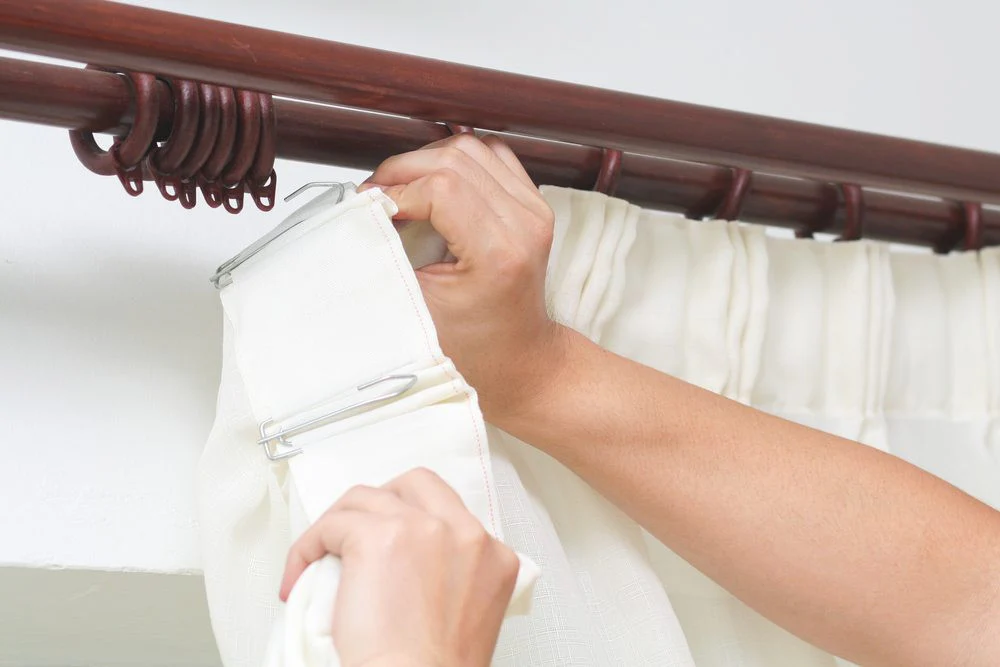
Special Considerations for Different Curtain Types
Heavy Drapes
Heavier curtains place greater stress on rollers.
Lubrication becomes more important because friction multiplies with weight.
Sheer Curtains
Light fabrics reveal uneven motion quickly, making maintenance easier to notice.
Motorized Curtains
Motor strain increases dramatically when tracks lack lubrication.
Regular maintenance prevents motor overheating and extends system lifespan.
How Lack of Lubrication Damages Curtain Fabric
Mechanical resistance affects fabric indirectly.
When curtains resist movement:
Users pull harder.
Hooks experience uneven tension.
Fabric edges stretch.
Pleats deform over time.
Eventually, what appears to be fabric wear actually originates from track friction.
Seasonal Maintenance: The Ideal Timing Strategy
Certain seasons are perfect for lubrication.
Spring Cleaning
Dust removal aligns naturally with track maintenance.
Before Winter
Heating systems dry air and increase static dust accumulation.
Rainy or Humid Seasons
Moisture accelerates residue formation inside tracks.
Adding lubrication before humidity peaks prevents corrosion and sticking.
Preventing Noise: Why Curtains Start Squeaking
Noise occurs when surfaces slide without a protective film between them.
Common causes include:
Dry plastic rollers
Metal-on-metal contact
Debris trapped in rails
Lubrication creates a thin barrier that absorbs vibration, eliminating squeaks instantly.
Common Lubrication Mistakes to Avoid
Over-Spraying
Too much lubricant attracts dust and drips onto walls or fabric.
Skipping Cleaning
Applying lubricant over dirt traps debris permanently.
Ignoring Rollers
Tracks alone aren’t enough—rollers must move freely.
Using Household Oils
These oxidize and become sticky over time.
When Lubrication Isn’t Enough
Sometimes maintenance reveals deeper issues.
Consider replacing components if you notice:
Cracked rollers
Bent tracks
Persistent catching points
Severe corrosion
Lubrication maintains systems but cannot reverse structural damage.
Professional Maintenance vs DIY Care
Professional servicing may include:
Track realignment
Roller replacement
Load balancing
Motor recalibration
However, regular homeowner lubrication often prevents the need for professional repair altogether.
The Connection Between Smooth Movement and Interior Comfort
Smooth curtains improve daily living more than people expect.
Benefits include:
Reduced noise pollution
Easier light control
Less physical effort
Longer curtain lifespan
Improved room aesthetics
A well-maintained curtain system feels effortless and refined.
Creating a Simple Maintenance Routine
You don’t need complex schedules.
Pair lubrication with existing habits:
Window cleaning day → check tracks
Seasonal decor changes → lubricate rails
Curtain washing → perform full maintenance
Linking tasks increases consistency.
Long-Term Cost Savings of Proper Maintenance
Replacing curtain systems can be expensive, especially for custom installations.
Regular lubrication helps prevent:
Roller replacement
Track deformation
Motor burnout
Fabric tearing
A few minutes of maintenance twice a year can add many years to system life.
Why Modern Homes Need Mechanical Curtain Care More Than Ever
Today’s interiors often feature:
Floor-to-ceiling curtains
Wide window spans
Layered drapery systems
Automated tracks
These designs increase mechanical complexity, making lubrication essential rather than optional.
Building Better Home Care Awareness
Home maintenance usually focuses on visible surfaces. Yet many comfort systems rely on hidden mechanics.
Curtain tracks operate daily but receive little attention until problems arise.
Understanding their needs transforms maintenance from reactive repair into proactive care.
Final Thoughts: Smooth Curtains Start Behind the Fabric
Curtains are more than decorative textiles—they are moving systems built on small mechanical components working together quietly every day.
Cleaning fabric keeps curtains beautiful, but lubrication keeps them functional.
By regularly cleaning and lubricating curtain tracks and rollers, you:
Reduce wear and tear
Prevent noise and stiffness
Protect fabric structure
Extend system lifespan
Improve everyday comfort
The next time you refresh your curtains, remember to look beyond the fabric. A few minutes spent maintaining the track can restore the effortless glide your curtains had on day one—and keep them operating smoothly for years to come.

Need Help with Your Custom Project?
Have questions about materials, sizing, or looking for a quick quote? Drop us a message and our experts will respond within 24 hours.
Chat on WhatsApp
+1 (304) 356-6765
Send us an Email
hello@incustom.com
Picked for You