Dry Clean or Machine Wash? The Industry Secrets Your Custom Curtain Shop Won't Tell You

Mar 12 2026
You’ve spent thousands of dollars. You spent weeks looking at swatches, debating between "eggshell" and "cloud," and finally settled on those perfect, floor-to-ceiling custom drapes. They are the crowning jewel of your living room.
But then, it happens. A layer of gray dust settles on the pleats. Or perhaps your toddler decides the velvet panels make an excellent napkin after a PB&J session.
You call the boutique where you bought them, and they give you the standard, scripted answer: "Professional Dry Clean Only."
But is that the truth, or is it just a legal shield to prevent them from being liable if you ruin them? As someone who has spent years in the interior textile world, I’m pulling back the curtain (pun intended). Here is the "insider manual" on maintaining custom window treatments without destroying your investment.
The Billion-Dollar "Dry Clean Only" Myth
Most custom curtain shops slap a "Dry Clean Only" label on everything. Why? Because it’s the safest bet for them, not necessarily for the fabric.
If they tell you that you can wash a linen blend and it shrinks by three inches (which linen loves to do), you’ll be demanding a refund. By telling you to dry clean, they shift the risk to the cleaners. However, dry cleaning isn't a "magic bath." In fact, for certain high-end fibers, the harsh chemicals used in dry cleaning (like perchloroethylene) can actually strip the natural oils from the fabric, making it brittle and prone to sun-shredding.
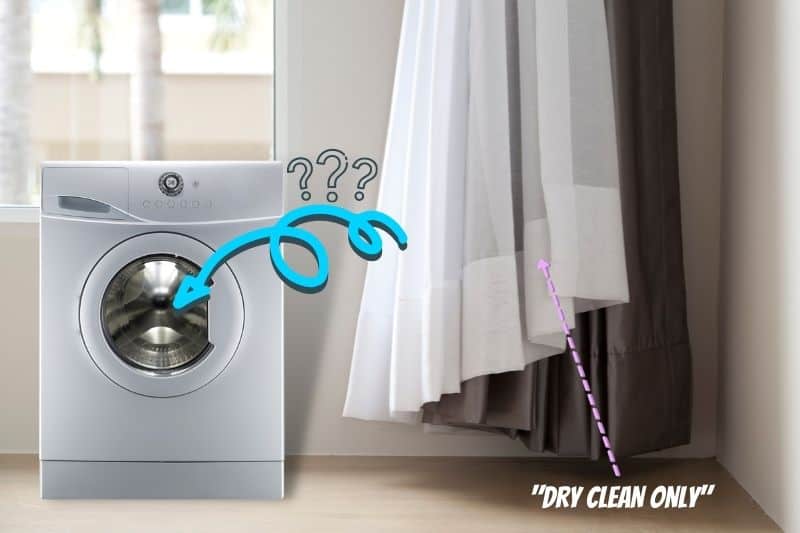
1. The Fiber Manifesto: Who Can Handle the Water?
Before you even think about unhooking those panels, you must identify the "DNA" of your fabric. This is where the maintenance battle is won or lost.
The "Water-Friendly" Club
100% Synthetic Polyester: Modern high-end poly-blends are incredible. They are essentially plastic. They don't shrink, they don't wrinkle easily, and they can usually handle a delicate cold-water wash.
Cotton Scrims: If they are pre-shrunk, cotton can handle water. However, beware of the "shrinkage factor"—even a 2% shrink on a 10-foot curtain means it will no longer touch the floor.
The "Dry Clean or Die" Club
Silk: Water causes permanent "water spots" on silk. The fibers swell and distort. Silk must be dry cleaned, but even then, it’s a gamble. Silk is highly sensitive to the sun; often, it’s the UV damage that kills it, not the cleaning.
Velvet: Never, ever wash velvet. Water will crush the pile (the "fuzzy" part), and you will be left with a patchy, matted mess that looks like a wet dog.
Wool Blends: Water causes wool to "felt." Your floor-length drapes will become cafe curtains in twenty minutes.
2. The Hidden Danger: Interlining and Trim
Here is the secret the shops won't tell you: The fabric isn't the only thing that shrinks.
A custom curtain is a "sandwich." You have the face fabric, the flannel interlining (for that heavy, expensive look), and the blackout lining.
Differential Shrinkage: If the face fabric shrinks 1% but the lining shrinks 5%, your curtains will "pucker" and "cockle." They will never hang straight again. This is the primary reason why professional custom drapes should rarely be submerged in water.
3. The DIY Maintenance Schedule (The "Pro" Way)
You shouldn't be "cleaning" your curtains every year. In fact, if you touch them too much, you shorten their lifespan. Follow this industry-standard timeline:
Weekly: The High-Pressure Dusting
Don't take them down. Use your vacuum’s upholstery attachment (the one with the soft bristles). Start at the top—where the dust settles on the folds—and work your way down.
Pro Tip: Tap the fabric firmly before vacuuming to loosen the dust trapped in the weave.
Monthly: The Steam Refresh
Use a high-quality handheld steamer. This doesn't just get rid of wrinkles; the heat kills dust mites and neutralizes odors from cooking or pets.
Warning: Keep the steamer 4 inches away from the fabric to avoid water spitting.
Every 3–5 Years: The Deep Clean
This is when you decide between the dry cleaner and a specialized on-site curtain cleaner.
4. How to Vet a Dry Cleaner
If you decide to go the professional route, don't just take them to the place on the corner that cleans your dress shirts.
Ask these three questions:
"Do you have experience with 'Interlined' drapery?" If they look confused, leave.
"Do you use a 'Short Cycle' with low heat?" High heat in a dry cleaning drum is the #1 cause of "thermal shock" to synthetic linings.
"Do you offer 'Re-pleating' service?" A good cleaner will pin the pleats so they don't lose their shape during the process.
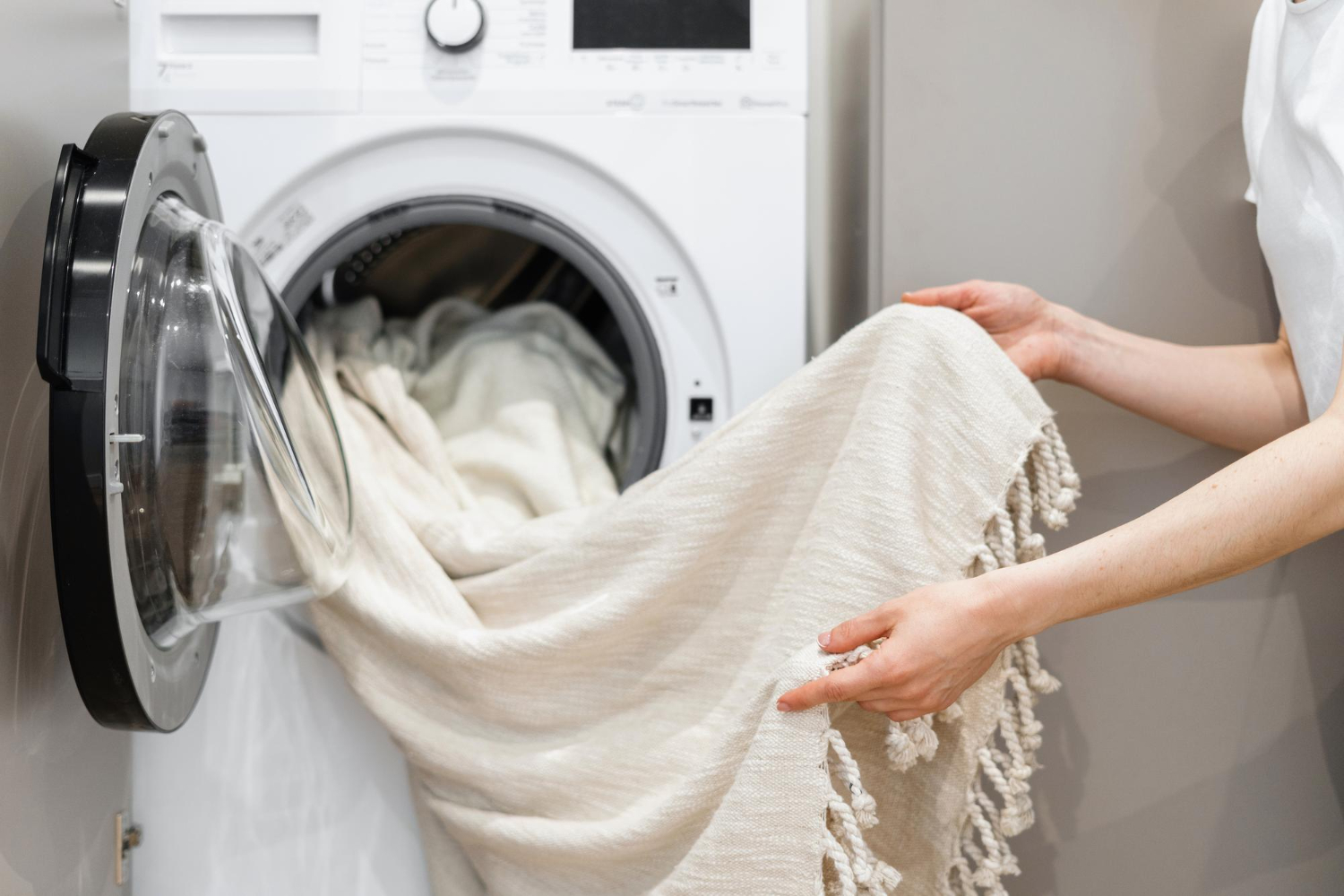
5. The "On-Site" Secret: The Best Kept Maintenance Hack
There is a segment of the industry that most homeowners don't know exists: On-site professional drapery cleaners.
These pros come to your house with a specialized machine that uses a closed-loop solvent system. They clean the curtains while they are still hanging on the rod.
Why it's better: No risk of shrinkage. No risk of the pleats being crushed in a box or bag. No heavy lifting.
The Cost: It’s more expensive upfront, but considering it prevents a $5,000 replacement bill, it’s the cheapest insurance you can buy.
6. Emergency Spot Cleaning: A Cheat Sheet
If a glass of red wine hits your custom linen drapes, don't panic.
Blot, Don't Rub: Rubbing pushes the pigment deeper into the fibers.
Distilled Water Only: Tap water contains minerals that leave "rings."
The Faint Touch: Use a white microfiber cloth. Dampen it slightly and "wick" the stain out.
Summary: The Final Verdict
If your curtains are Synthetic/Polyester, you can likely get away with a very careful, cold-water hand wash. If they are Natural Fibers (Silk, Wool, Linen) or have Interlining, stay away from the washing machine at all costs.
The "inner circle" of the design world knows that dust is the real enemy, not stains. If you vacuum regularly and steam once a month, you can easily go 7 to 10 years without ever needing a professional cleaner.
Need Help with Your Custom Project?
Have questions about materials, sizing, or looking for a quick quote? Drop us a message and our experts will respond within 24 hours.
Chat on WhatsApp
+1 (304) 356-6765
Send us an Email
hello@incustom.com
Picked for You