Ecology and Aesthetics in Harmony: New Landscape Design Standards for Mid-to-High-End Residential Outdoor Gardens

Aug 05 2026
Introduction: The New Era of Luxury Outdoor Living
In the past, luxury residential gardens were often defined by visual grandeur: perfectly trimmed lawns, expensive decorative elements, elaborate water features, and carefully arranged ornamental plants. A beautiful garden was considered a symbol of status, designed primarily to impress visitors and create a sense of exclusivity.
Today, the concept of high-end outdoor living has evolved dramatically. Modern homeowners are no longer satisfied with gardens that simply look elegant. They expect outdoor spaces to provide emotional comfort, environmental responsibility, and long-term value. A truly exceptional residential landscape must achieve a delicate balance between ecological sustainability and refined aesthetics.
The new standard for mid-to-high-end residential outdoor gardens is no longer about creating a decorative backyard. It is about designing a living ecosystem that interacts naturally with its surroundings while reflecting the homeowner’s personal taste and lifestyle.
This shift represents a deeper understanding of luxury: authentic luxury is not excessive decoration, but thoughtful design, natural harmony, and lasting quality.
A contemporary garden should answer important questions:
- How can outdoor spaces support biodiversity while maintaining a sophisticated appearance?
- How can landscape materials combine durability with environmental responsibility?
- How can homeowners enjoy beautiful gardens while reducing maintenance demands?
- How can design create emotional connections between people and nature?
The answers define the future of residential landscape design.
1. From Decoration to Ecosystem: The Transformation of Luxury Garden Design
The Traditional Approach: Beauty Without Balance
For many years, residential landscaping focused heavily on visual control. Designers attempted to shape nature into highly structured forms:
- Uniform grass surfaces
- Imported ornamental species
- Artificially controlled plant arrangements
- Decorative stone installations
- Large-scale hardscape areas
Although these gardens could appear impressive at first glance, they often required significant resources to maintain. Excessive irrigation, chemical treatments, and frequent replacement of plants became common challenges.
A garden designed only for appearance may eventually lose its charm because it lacks resilience.
Natural environments are dynamic. Plants grow, seasons change, and ecosystems continuously adjust. The most successful modern landscape designs recognize these natural processes instead of fighting against them.
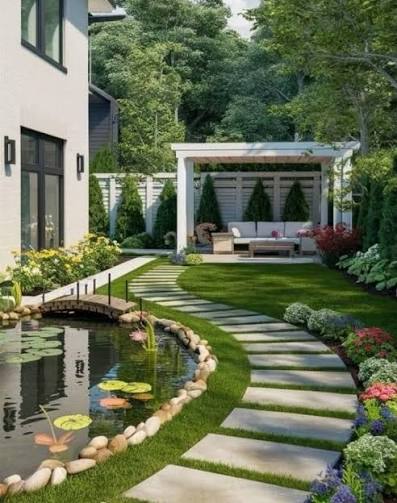
The Modern Perspective: Designing With Nature
Today’s premium residential gardens focus on creating harmony between human lifestyles and natural systems.
This approach considers:
- Local climate conditions
- Soil health
- Water conservation
- Native plant communities
- Wildlife habitats
- Seasonal changes
- Energy efficiency
Instead of forcing nature into a fixed appearance, designers create frameworks where nature can thrive while maintaining artistic direction.
A high-end ecological garden is not wild or unmanaged. It is carefully planned to appear effortless.
The goal is to create landscapes that feel natural while demonstrating exceptional design expertise.
2. The Core Principle: Ecology Meets Aesthetic Excellence
The biggest misconception about sustainable garden design is that environmental responsibility requires sacrificing beauty.
In reality, ecological principles often create more sophisticated and visually interesting landscapes.
Biodiversity Creates Visual Depth
A garden with diverse plant species naturally develops layers of texture, color, and movement.
A professionally designed ecological garden may include:
- Tall trees creating vertical structure
- Medium-sized shrubs forming transitional layers
- Ground covers protecting soil
- Flowering plants adding seasonal highlights
- Grasses providing movement and softness
This layered approach creates a richer visual experience than a simple lawn surrounded by decorative plants.
Every season brings new changes:
- Spring introduces fresh growth and blossoms
- Summer creates dense greenery and cooling shade
- Autumn adds warm colors and structural beauty
- Winter reveals architectural forms and textures
A successful garden tells a story throughout the year.
Natural Beauty as the New Definition of Luxury
Modern luxury increasingly values authenticity.
Homeowners are drawn to gardens that feel connected to nature:
- A pathway surrounded by soft vegetation
- A quiet corner shaded by mature trees
- A water feature that supports birds and insects
- A seating area integrated into the landscape
These experiences create emotional value beyond visual appearance.
The most memorable gardens are not necessarily the largest or most expensive. They are spaces where people feel relaxed, inspired, and connected.
3. Site Analysis: The Foundation of High-End Landscape Design
Before selecting plants or materials, professional landscape designers begin with detailed site analysis.
A premium garden design must understand the unique characteristics of each property.
Climate Considerations
Climate determines plant performance, water requirements, and long-term maintenance.
Important factors include:
- Annual rainfall patterns
- Temperature changes
- Sun exposure
- Wind direction
- Seasonal weather conditions
Choosing plants that naturally adapt to the local environment improves survival rates and reduces unnecessary maintenance.
A garden designed according to climate conditions becomes stronger and more sustainable over time.
Understanding Soil Conditions
Healthy soil is the foundation of a thriving landscape.
Professional garden planning evaluates:
- Soil structure
- Drainage capability
- Nutrient levels
- Organic content
- pH balance
Instead of depending heavily on fertilizers, modern landscape strategies focus on improving soil quality naturally.
Healthy soil supports stronger plants, better water absorption, and improved ecosystem stability.
Analyzing Existing Features
Luxury landscape projects often begin with existing advantages:
- Mature trees
- Natural slopes
- Existing vegetation
- Unique views
- Architectural characteristics
Rather than removing everything and starting from zero, contemporary designers often preserve valuable elements and integrate them into the new garden concept.
This approach creates more authentic spaces while reducing unnecessary environmental impact.
4. Sustainable Water Management: The Future Standard of Residential Gardens
Water management has become one of the most important elements of modern landscape design.
Traditional gardens often consume large amounts of water due to inefficient irrigation systems and unsuitable plant choices.
Today’s high-end gardens prioritize intelligent water solutions.
Smart Irrigation Systems
Advanced irrigation technology allows homeowners to maintain beautiful landscapes while reducing water waste.
Modern systems may include:
- Weather-based controllers
- Soil moisture sensors
- Drip irrigation
- Zoned watering systems
- Automated scheduling
These technologies deliver water precisely where plants need it.
The result is healthier vegetation and lower resource consumption.
Rainwater Collection and Natural Drainage
Eco-conscious garden designs increasingly incorporate natural water cycles.
Examples include:
- Rain gardens
- Permeable pathways
- Collection systems
- Natural drainage areas
These features help manage stormwater while creating attractive landscape elements.
A rain garden, for example, can become a beautiful planting area while filtering runoff naturally.
Creating Water Features With Ecological Value
Water features remain popular in luxury gardens, but their purpose has changed.
Modern designs avoid purely decorative water installations that waste resources.
Instead, designers create:
- Natural ponds
- Wildlife-friendly water areas
- Recirculating water systems
- Reflective pools integrated with planting
A well-designed water feature becomes both an aesthetic centerpiece and an ecological component.
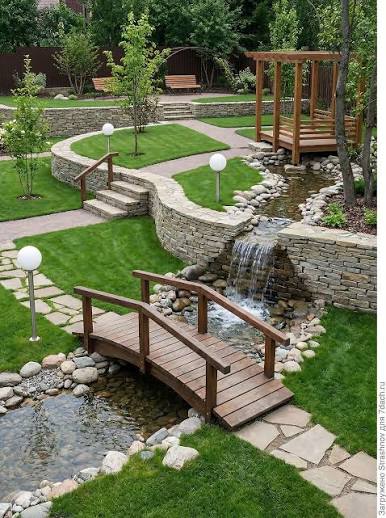
5. Plant Selection: Creating a Living Artwork Through Ecological Design
Plants are the soul of any outdoor garden. In high-end residential landscape design, plant selection is no longer based only on color preferences or visual impact. Instead, plants are carefully chosen according to ecological value, seasonal performance, maintenance requirements, and their relationship with the surrounding environment.
A sophisticated garden is not simply a collection of beautiful plants. It is a carefully designed living community.
Native Plants: The Foundation of Sustainable Beauty
One of the most important trends in modern residential landscape design is the increased use of native and climate-adapted plants.
Native plants offer several advantages:
- They naturally adapt to local weather conditions
- They require less irrigation
- They support local wildlife
- They improve ecosystem stability
- They reduce long-term maintenance costs
For example, a garden located in a dry climate can benefit from drought-resistant plants that maintain beauty while using fewer resources. A garden in a humid region may incorporate species that naturally thrive in moisture-rich environments.
The goal is not to create a garden that looks the same everywhere. The goal is to create a landscape that belongs to its location.
A truly premium garden reflects the identity of its environment.
Layered Planting: Designing With Nature’s Structure
Professional landscape designers often use layered planting techniques inspired by natural ecosystems.
A complete planting structure usually includes:
Canopy Layer
Large trees provide:
- Shade
- Privacy
- Temperature regulation
- Habitat for birds and insects
Mature trees also add significant property value and create a sense of permanence.
Shrub Layer
Shrubs create visual transitions between large trees and smaller plants.
They help define:
- Garden boundaries
- Walking paths
- Outdoor rooms
- Private areas
Ground Layer
Ground covers and low-growing plants protect soil, reduce erosion, and create visual continuity.
This multi-layered approach creates depth and sophistication.
Unlike flat landscapes dominated by lawns, layered gardens feel more natural, dynamic, and luxurious.
Seasonal Design: A Garden That Changes Throughout the Year
High-end gardens are increasingly designed around seasonal experiences.
A well-planned landscape should offer something unique in every season.
Spring may highlight:
- Flowering trees
- Fresh green growth
- Fragrant plants
Summer may focus on:
- Shade
- Cooling vegetation
- Outdoor entertainment areas
Autumn may emphasize:
- Color-changing foliage
- Decorative grasses
- Textural plants
Winter may reveal:
- Tree structures
- Sculptural branches
- Evergreen elements
This seasonal rhythm transforms the garden into a continuously evolving artwork.
6. Material Selection: Combining Natural Elegance With Long-Term Performance
Materials play a critical role in defining the character of a luxury outdoor garden.
The best modern landscape designs combine beauty, durability, and environmental responsibility.
Natural Stone: Timeless Connection With Nature
Natural stone remains one of the most popular materials in premium residential gardens.
It provides:
- Unique textures
- Long-lasting performance
- Natural color variation
- Strong visual connection with landscapes
Stone can be used for:
- Pathways
- Retaining walls
- Outdoor seating
- Water features
- Decorative structures
Unlike artificial materials that may appear outdated over time, natural stone develops character as it ages.
This aging process creates a sense of authenticity and timeless elegance.
Sustainable Wood Applications
Wood brings warmth and softness to outdoor spaces.
Modern garden designs often use responsibly sourced wood for:
- Decking
- Pergolas
- Outdoor furniture
- Privacy screens
However, material selection is essential.
High-quality outdoor wood should provide:
- Weather resistance
- Structural stability
- Low maintenance requirements
Proper treatment and responsible sourcing allow wood to combine luxury aesthetics with environmental awareness.
Permeable Materials for Healthier Landscapes
Traditional concrete surfaces can create problems such as:
- Increased heat accumulation
- Poor water absorption
- Stormwater runoff
Modern landscape designs increasingly incorporate permeable materials:
- Porous paving
- Gravel pathways
- Natural stone spacing systems
- Eco-friendly outdoor surfaces
These solutions allow water to return naturally to the soil while maintaining elegant visual appeal.
7. Outdoor Living Spaces: Extending the Home Into Nature
For mid-to-high-end residential properties, outdoor areas are no longer secondary spaces. They have become extensions of the indoor living environment.
The modern garden functions as:
- A relaxation area
- An entertainment venue
- A family gathering space
- A wellness environment
- A private retreat
Creating Outdoor Rooms
One of the most important concepts in contemporary landscape design is the creation of outdoor rooms.
Instead of viewing the garden as one large open area, designers divide it into functional zones.
Examples include:
Outdoor Dining Areas
Designed for:
- Family meals
- Social gatherings
- Evening entertainment
These spaces may include:
- Built-in kitchens
- Dining furniture
- Lighting systems
- Weather protection
Private Relaxation Areas
Luxury homeowners increasingly seek peaceful spaces for personal enjoyment.
These areas may feature:
- Comfortable seating
- Green walls
- Water sounds
- Fragrant plants
- Soft lighting
The purpose is to create emotional restoration.
Wellness Spaces
Health-focused outdoor design has become a major trend.
Examples include:
- Meditation gardens
- Outdoor yoga platforms
- Natural spa areas
- Walking paths
- Sensory gardens
These spaces support both physical and mental well-being.
8. Lighting Design: Enhancing Beauty After Sunset
A premium garden should not disappear when the sun goes down.
Professional lighting design creates atmosphere, safety, and visual depth.
Modern outdoor lighting focuses on subtle enhancement rather than excessive brightness.
Layered Lighting Techniques
Effective garden lighting often combines:
Path Lighting
Provides safe movement while highlighting landscape routes.
Accent Lighting
Emphasizes:
- Trees
- Sculptures
- Architectural features
Ambient Lighting
Creates comfortable spaces for:
- Dining
- Conversation
- Relaxation
Water Reflection Lighting
Adds movement and elegance to ponds and water features.
Smart Lighting Systems
Technology has transformed outdoor lighting management.
Smart systems allow homeowners to:
- Adjust brightness
- Create schedules
- Control zones
- Reduce energy consumption
When combined with efficient lighting equipment, smart technology improves both convenience and sustainability.
9. Privacy Design: Creating Exclusive Outdoor Experiences
Privacy has become one of the most important expectations in luxury residential gardens.
Modern homeowners want outdoor spaces where they can relax without feeling exposed.
However, traditional privacy solutions such as large walls or artificial barriers can make gardens feel closed and disconnected.
Contemporary landscape design creates privacy through natural methods.
Green Privacy Screens
Plants provide a softer alternative to traditional barriers.
Popular choices include:
- Evergreen trees
- Dense shrubs
- Vertical gardens
- Climbing plants
These solutions create privacy while improving the ecological quality of the garden.
Architectural Integration
Privacy can also be achieved through thoughtful structural design:
- Pergolas
- Screens
- Garden walls
- Outdoor curtains
The best solutions combine function with artistic expression.
10. The Role of Technology in Future Residential Gardens
Technology is becoming an essential part of modern landscape design.
The future garden is not only beautiful—it is intelligent.
Automated Garden Management
Smart systems can monitor:
- Soil moisture
- Weather conditions
- Irrigation needs
- Lighting performance
Automation reduces maintenance pressure and improves resource efficiency.
Robotic Maintenance Solutions
Advanced tools such as robotic lawn systems and automated maintenance equipment allow homeowners to enjoy beautiful gardens with less manual work.
This is especially valuable for large residential landscapes.
Digital Landscape Planning
Before construction begins, designers increasingly use advanced visualization tools to help homeowners understand:
- Plant growth patterns
- Lighting effects
- Seasonal changes
- Material combinations
This improves decision-making and creates more accurate final results.
11. Future Trends: The New Definition of Premium Residential Gardens
The future of high-end residential landscape design will continue moving toward deeper integration between human lifestyles and natural ecosystems.
Luxury is no longer measured only by size, expensive materials, or visual extravagance. Instead, it is increasingly defined by intelligence, environmental awareness, emotional comfort, and long-term value.
The gardens of the future will not simply surround a home. They will become active living systems that improve the quality of everyday life.
Regenerative Landscapes: Moving Beyond Sustainability
Sustainability has become an important concept in modern garden design, but forward-thinking landscape professionals are now exploring regenerative approaches.
While sustainable design focuses on reducing negative environmental impact, regenerative design aims to actively improve the surrounding environment.
A regenerative residential garden may:
- Increase biodiversity
- Improve soil quality
- Support pollinators
- Reduce water waste
- Create healthier microclimates
- Improve local ecological conditions
This represents a major shift in how outdoor spaces are designed.
Instead of asking:
“How can we reduce the impact of this garden?”
Future designers are asking:
“How can this garden contribute positively to nature?”
Biodiversity Gardens: Creating Spaces for Life
One of the strongest emerging trends in premium residential landscaping is biodiversity-focused design.
A beautiful garden is no longer viewed as a private decorative area only. It is also recognized as a small ecosystem that can support various forms of life.
Thoughtfully designed gardens may include:
- Flowering plants for pollinators
- Native vegetation for local species
- Small habitats for beneficial insects
- Bird-friendly planting areas
- Natural water sources
These elements create a richer outdoor experience.
A garden filled with movement—the sound of birds, the presence of butterflies, the changing textures of plants—feels more alive and emotionally engaging.
Climate-Responsive Garden Design
Climate change has influenced how residential landscapes are planned.
Future gardens must respond to increasingly challenging environmental conditions, including:
- Higher temperatures
- Irregular rainfall
- Extreme weather events
- Water limitations
Climate-responsive landscape design focuses on creating resilient outdoor spaces.
Important strategies include:
Shade Creation
Strategic tree placement can reduce heat around residential properties.
Large trees help:
- Cool outdoor areas
- Protect buildings from direct sunlight
- Improve comfort during warmer seasons
Heat-Resistant Materials
Outdoor materials must withstand changing weather conditions.
Designers increasingly consider:
- Surface temperature
- Durability
- Reflective properties
- Long-term performance
The right material choices improve both comfort and lifespan.
Adaptive Plant Communities
Rather than relying on plants that require intensive care, modern gardens increasingly use species capable of adapting to environmental changes.
This creates landscapes that remain attractive and healthy over many years.
12. Emotional Design: Gardens That Support Human Well-Being
A truly successful residential garden does more than look beautiful. It creates emotional experiences.
Modern homeowners increasingly view outdoor spaces as essential environments for relaxation, connection, and personal renewal.
The Psychology of Natural Spaces
Research and practical experience show that natural environments can influence human emotions.
Well-designed gardens can create feelings of:
- Calmness
- Privacy
- Comfort
- Inspiration
- Connection
Elements such as greenery, natural textures, flowing water, and gentle lighting contribute to a more peaceful atmosphere.
Sensory Garden Experiences
High-end landscape designers are paying more attention to sensory experiences.
A complete garden experience may involve:
Visual Elements
Including:
- Plant colors
- Landscape forms
- Architectural details
Sound Elements
Including:
- Water movement
- Wind through grasses
- Birds and natural sounds
Fragrance Elements
Including:
- Aromatic herbs
- Flowering plants
- Seasonal fragrances
Touch Elements
Including:
- Natural stone textures
- Soft planting materials
- Wooden surfaces
A sensory garden creates a deeper relationship between people and their environment.
13. Designing for Multi-Generational Living
Modern luxury homes are increasingly designed for families with multiple generations.
Outdoor gardens must therefore support different lifestyles and ages.
A successful family garden may include:
Safe Children’s Areas
Designed with:
- Non-toxic plants
- Comfortable surfaces
- Open visibility
- Creative natural play elements
Comfortable Spaces for Older Adults
Including:
- Accessible pathways
- Rest areas
- Shade structures
- Easy-maintenance planting
Shared Family Spaces
Such as:
- Outdoor dining areas
- Fire features
- Gathering spaces
- Garden activity zones
A thoughtfully designed landscape creates opportunities for family connection.
14. Long-Term Value: Why Quality Landscape Design Matters
A high-quality outdoor garden is not simply an expense. It is a long-term investment.
Professional landscape design can enhance residential value by improving:
- Property appearance
- Outdoor functionality
- Energy efficiency
- Lifestyle quality
However, the greatest value often comes from daily enjoyment.
A well-designed garden provides countless moments:
- Morning coffee surrounded by greenery
- Evening conversations under soft lighting
- Weekend gatherings with family and friends
- Quiet moments away from digital distractions
These experiences create value that cannot be measured only financially.
15. Common Mistakes in High-End Garden Design
Even expensive properties can experience landscape problems when design decisions are not carefully considered.
Understanding common mistakes helps homeowners create better outdoor spaces.
Mistake 1: Prioritizing Appearance Over Function
A garden may look impressive but fail to support daily life.
Examples include:
- Beautiful but uncomfortable seating areas
- Difficult-to-maintain plant selections
- Decorative features with limited practical value
A successful design balances beauty and usability.
Mistake 2: Ignoring Local Conditions
Using plants or materials unsuitable for the environment often creates unnecessary problems.
Professional design must consider:
- Climate
- Soil
- Sunlight
- Water availability
A garden should work with nature, not against it.
Mistake 3: Excessive Hardscape
Large paved areas may appear modern but can reduce ecological benefits.
Too much hardscape can lead to:
- Higher temperatures
- Reduced water absorption
- Less greenery
- Limited biodiversity
Balanced designs combine built elements with natural landscapes.
Mistake 4: Lack of Long-Term Planning
A garden changes over time.
Plants grow, trees mature, and outdoor needs evolve.
The best designs consider:
- Future plant development
- Maintenance requirements
- Lifestyle changes
- Seasonal transformation
A garden should become more beautiful as it ages.
16. Building the New Standard for Luxury Outdoor Gardens
The new standard for mid-to-high-end residential gardens is defined by harmony.
It is the harmony between:
- Architecture and nature
- Beauty and responsibility
- Technology and ecology
- Privacy and openness
- Comfort and environmental awareness
A successful garden does not attempt to dominate nature. Instead, it creates a partnership with natural systems.
The most impressive outdoor spaces are those that appear effortless while containing thoughtful planning behind every detail.
From carefully selected plants to sustainable materials, from intelligent water systems to emotional design concepts, every decision contributes to a complete living environment.
Conclusion: The Future Belongs to Gardens That Live, Breathe, and Inspire
The evolution of residential landscape design reflects a larger change in how people understand luxury.
In the past, luxury was often associated with exclusivity and visual display. Today, true luxury means creating spaces that improve everyday life while respecting the natural world.
The future of high-end outdoor gardens lies in ecological harmony and aesthetic excellence.
A remarkable garden is not simply a beautiful background for a home. It is a living environment that supports people, plants, animals, and the surrounding ecosystem.
When ecology and aesthetics are thoughtfully combined, outdoor spaces become more than landscapes. They become personal sanctuaries, environmental assets, and timeless expressions of refined living.
For homeowners seeking a truly exceptional outdoor experience, the goal is no longer just to build a garden.
The goal is to create a landscape that grows, evolves, and remains meaningful for generations.
Feel free to leave a comment to inquire about pricing and explore customized landscape design solutions for your dream outdoor garden.
Need Help with Your Custom Project?
Have questions about materials, sizing, or looking for a quick quote? Drop us a message and our experts will respond within 24 hours.
Chat on WhatsApp
+1 (304) 356-6765
Send us an Email
hello@incustom.com
Picked for You