
When most people think about survival gear, they imagine expensive tents, tactical backpacks, satellite phones, or military-grade tools. But experienced hikers, bushcrafters, hunters, overlanders, and survival instructors often swear by something much simpler: the tarp.
A waterproof tarp may look like nothing more than a sheet of fabric, yet in the wilderness it can become a roof, windbreak, rain collector, emergency stretcher, ground insulation layer, signaling device, or even lifesaving hypothermia protection. Lightweight, affordable, and incredibly versatile, tarps are one of the most underrated survival tools ever created.
Whether you’re camping deep in the mountains, stranded during a storm, dealing with a vehicle breakdown in remote terrain, or preparing a bug-out kit for emergencies, understanding how to use a tarp could make the difference between discomfort and disaster—or even between life and death.
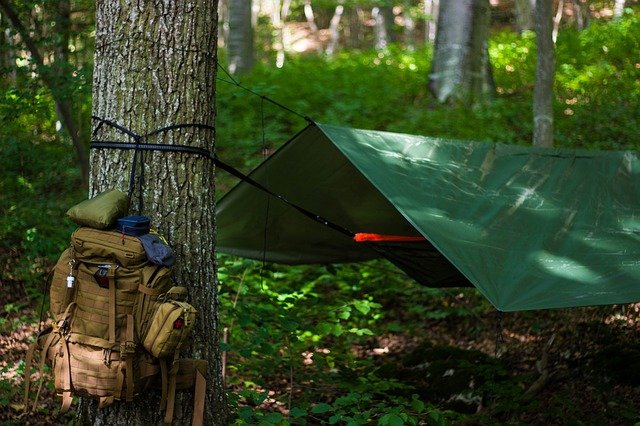
This guide explores everything you need to know about emergency tarp shelters, survival applications, tarp setup methods, and why every outdoor adventurer should carry one.
Why Shelter Matters More Than Food
In survival situations, people often focus on food first. In reality, shelter usually becomes the top priority.
The “Rule of Threes” in survival states that humans can survive approximately:
3 minutes without oxygen
3 hours without shelter in extreme weather
3 days without water
3 weeks without food
Exposure kills quickly. Rain, snow, wind, and dropping nighttime temperatures can rapidly lead to hypothermia, even in relatively mild climates.
A tarp helps create a protective microenvironment that preserves body heat, blocks wind, and keeps you dry. That simple barrier dramatically improves your chances of surviving until rescue arrives or conditions improve.
What Makes a Tarp So Valuable in Survival Situations?
Unlike traditional tents, tarps are multifunctional tools.
A high-quality survival tarp offers:
Waterproof protection
Wind resistance
Lightweight portability
Fast setup
Flexible shelter configurations
Multi-purpose emergency use
Compact storage
Low cost compared to tents
Many survival experts prefer tarps because they force users to understand terrain, weather, and shelter design rather than relying on prebuilt camping systems.
A tarp also adapts to changing conditions far better than many standard tents.
Best Types of Tarps for Wilderness Survival
Not all tarps are created equal. Choosing the right material matters.
1. Polyethylene Tarps
These are the common blue tarps found in hardware stores.
Advantages
Cheap
Waterproof
Easy to find
Disadvantages
Heavy
Noisy in wind
Tears more easily
Bulky
They work well for vehicle kits or backup emergency supplies but are not ideal for backpacking.
2. Ripstop Nylon Tarps
Popular among backpackers and ultralight campers.
Advantages
Lightweight
Compact
Durable
Flexible
Disadvantages
More expensive
Some require waterproof coatings
These are excellent for hiking and emergency bug-out bags.
3. Silnylon Tarps
Silicone-coated nylon tarps are widely used in serious wilderness travel.
Advantages
Extremely lightweight
Waterproof
Packs very small
Disadvantages
Can stretch when wet
Higher price point
Silnylon is favored by thru-hikers and minimalist campers.
4. Canvas Tarps
Traditional bushcraft users often love canvas.
Advantages
Durable
Quiet
Natural insulation
Resistant to sparks
Disadvantages
Heavy
Bulky
Slow to dry
Canvas works best for long-term camps rather than emergency mobility.
Essential Features to Look for in a Survival Tarp
If your goal is emergency preparedness, look for these features:
Reinforced Tie-Out Points
Weak grommets fail under strong wind. Reinforced corners and stitched loops are essential.
Waterproof Rating
A tarp should fully repel heavy rain.
Lightweight Construction
For hiking or bug-out kits, every ounce matters.
Multiple Attachment Loops
More loops mean more shelter options.
Tear Resistance
Ripstop fabric greatly improves durability.
Camouflage or Earth Tones
Bright colors help with rescue signaling, but earth tones blend better in hunting or tactical situations.
Why Waterproofing Can Literally Save Your Life
Rain becomes dangerous fast in the wilderness.
Wet clothing destroys body heat retention. Wind combined with moisture accelerates heat loss dramatically. Even temperatures above freezing can become deadly when your body stays wet for hours.
A waterproof tarp helps by:
Blocking rainfall
Preventing soaked sleeping gear
Creating dry workspace areas
Reducing wind chill
Keeping firewood dry
Protecting electronics and supplies
In prolonged storms, staying dry is often more important than staying warm.
The Most Important Survival Skill: Site Selection
Even the best tarp setup fails in a bad location.
Before building a shelter, look for:
Elevated ground
Natural wind barriers
Drainage away from shelter
Tree coverage
Stable terrain
Dead branch hazards overhead
Avoid:
Dry creek beds
Low valleys
Avalanche zones
Flood-prone areas
Exposed ridgelines during storms
Your shelter location can greatly affect warmth, safety, and comfort.
10 Emergency Tarp Shelters Everyone Should Know
1. Lean-To Shelter
The lean-to is one of the simplest tarp shelters.
Best For
Mild rain
Wind protection
Reflecting campfire heat
Setup
Tie one edge between two trees
Stake the opposite side to the ground
Angle the tarp against wind direction
This shelter is fast and effective.
2. A-Frame Shelter
One of the most versatile tarp configurations.
Best For
Rain
Moderate wind
Overnight sleeping
Setup
Run a ridgeline between two anchor points
Drape tarp evenly over the line
Stake both sides down
The A-frame offers excellent weather resistance.
3. Plow Point Shelter
Excellent during storms.
Best For
Heavy rain
Strong wind
Emergency bivouac
Setup
Anchor one corner high
Stake remaining edges low to the ground
This creates an aerodynamic wedge shape.
4. Tube Tent Shelter
Creates enclosed protection.
Best For
Cold weather
High wind
Heat retention
Setup
Suspend tarp over ridgeline
Close both sides tightly
This setup traps warmth more effectively.
5. Flying Diamond Shelter
Popular in bushcraft communities.
Best For
Mixed weather
Flexible ventilation
This setup balances airflow and weather protection.
6. C-Fly Wedge Shelter
Ideal for unpredictable storms.
Benefits
Strong wind resistance
Excellent rain runoff
Compact footprint
7. Ground Burrito Shelter
An emergency hypothermia setup.
Setup
Wrap yourself completely inside the tarp with insulation materials.
Best For
Extreme cold
Emergency survival overnight
8. Tarp Hammock Cover
If sleeping above wet ground:
Suspend hammock between trees
Hang tarp overhead at an angle
This prevents rain accumulation.
9. Debris Hut Hybrid
Combine natural insulation with tarp waterproofing.
Use
Build debris hut frame
Cover with tarp
Add leaves, pine needles, or brush
Excellent for cold weather survival.
10. Snow Trench Tarp Shelter
For winter emergencies:
Dig shallow trench
Cover partially with tarp
Use snow as insulation walls
Snow surprisingly insulates well when used correctly.
How to Stay Warm Under a Tarp
Many beginners focus only on overhead protection. Ground insulation matters just as much.
Cold ground rapidly drains body heat.
Use:
Pine boughs
Foam pads
Dry leaves
Backpacks
Sleeping pads
Extra clothing
The more insulation between you and the ground, the warmer you stay.
Wind Is Often More Dangerous Than Rain
Wind strips heat from your body rapidly.
A properly angled tarp:
Breaks wind flow
Retains warm air
Protects fire
Reduces exposure stress
Always orient shelters with prevailing wind in mind.
Emergency Fire Reflection Techniques
A tarp can amplify fire warmth significantly.
Reflective Lean-To Setup
Place:
Fire in front
Lean-to behind you
Reflective wall opposite fire
Heat bounces back toward the shelter, improving warmth dramatically.
Be careful with synthetic tarps near flames.
Using a Tarp During Thunderstorms
Thunderstorms create serious hazards outdoors.
Important Tips
Avoid isolated trees
Stay off exposed ridges
Avoid flood channels
Keep shelter low
Secure corners tightly
A low-profile tarp shelter performs better in severe wind.
Tarp Survival During Winter Emergencies
Cold-weather tarp use requires additional planning.
Winter Priorities
Wind blocking
Ground insulation
Heat retention
Snow load management
Steeper tarp angles help snow slide off rather than collapse the shelter.
How to Build a Tarp Shelter Without Trees
No trees? No problem.
Use:
Trekking poles
Paddles
Vehicle racks
Boulders
Ski poles
Driftwood
Improvisation is a critical survival skill.
The Best Knots for Tarp Shelters
Learning a few knots dramatically improves shelter stability.
Essential Knots
Bowline
Creates secure loops.
Taut-Line Hitch
Allows adjustable tension.
Trucker’s Hitch
Excellent for tight ridgelines.
Prusik Knot
Useful for adjustable tarp positioning.
Practice these before heading outdoors.
How to Keep Your Shelter Quiet in High Winds
Flapping tarps destroy sleep and waste energy.
To reduce noise:
Tighten ridgelines
Lower tarp profile
Use shock cords
Face narrow edge into wind
Eliminate loose fabric
Good tension makes shelters stronger and quieter.
Why Minimalist Survivalists Love Tarps
Tarps force adaptability.
Instead of carrying heavy gear, experienced wilderness travelers often prefer lightweight modular systems.
Advantages include:
Faster movement
Lower pack weight
Multiple uses
Better ventilation
Lower cost
Easier repairs
A tarp can replace:
Tent
Groundsheet
Rain fly
Emergency blanket
Gear cover
Water collector
Few outdoor tools offer that versatility.
Hidden Emergency Uses for a Survival Tarp
Beyond shelter building, tarps can help in many emergencies.
Rainwater Collection
Angle tarp into containers for drinking water collection.
Emergency Stretcher
Use poles and tarp fabric to transport injured people.
Signal Device
Bright tarps improve aerial visibility during rescue operations.
Gear Protection
Keep supplies dry during storms.
Improvised Sail
Useful in water survival scenarios.
Snow Collection
Collect clean snow for melting and drinking.
Common Tarp Shelter Mistakes
Setting Up Too Late
Build shelter before darkness or storms arrive.
Poor Drainage
Water always finds the lowest point.
Weak Anchors
Wind destroys poorly secured shelters.
Ignoring Wind Direction
Even waterproof shelters fail when wind-driven rain enters.
Pitching Too High
Lower setups resist weather better.
The Best Tarp Sizes for Survival
8x10 Feet
Great balance of weight and coverage.
10x10 Feet
Excellent versatility for multiple shelter types.
12x12 Feet
Better for groups or long-term camps.
Essential Tarp Survival Kit Accessories
Carry:
Paracord
Extra stakes
Carabiners
Repair tape
Bungee cords
Emergency blanket
Compact shovel
These accessories greatly expand shelter options.
Vehicle Emergency Kits and Tarps
A tarp belongs in every vehicle emergency kit.
Useful during:
Winter breakdowns
Desert overheating
Flash storms
Roadside repairs
Wildfire evacuations
Unlike tents, tarps deploy quickly under stressful conditions.
Tarp Shelters for Bug-Out Bags
Preparedness experts often prioritize tarps because they:
Weigh little
Pack small
Work in many climates
Provide fast shelter
A tarp may become your first line of defense during disasters.
Bushcraft Skills That Pair Well With Tarp Shelters
Combine tarp knowledge with:
Fire starting
Wood processing
Water purification
Knot tying
Navigation
Natural insulation building
Together, these skills dramatically improve wilderness survival capability.
How Professionals Use Tarps in the Field
Military personnel, search-and-rescue teams, hunters, mountaineers, and wilderness guides all rely on tarps because of their adaptability.
Professionals understand:
Simplicity increases reliability
Lightweight gear improves mobility
Multi-use equipment saves space
Fast shelter deployment preserves energy
In harsh environments, efficiency matters.
Psychological Survival: Why Shelter Improves Morale
A shelter does more than protect your body.
It also:
Reduces panic
Improves sleep
Creates routine
Increases confidence
Conserves mental energy
In survival situations, morale can become just as important as equipment.
Building a Survival Mindset
Owning a tarp doesn’t guarantee survival.
Practice matters.
Test shelter setups:
In rain
At night
In wind
During cold weather
With gloves on
Under time pressure
Real-world practice exposes weaknesses before emergencies happen.
Final Thoughts
A waterproof tarp may not look impressive compared to modern camping gadgets, but in true wilderness emergencies it becomes one of the most valuable tools you can carry.
It shields you from rain, wind, snow, and dangerous exposure. It helps conserve body heat, improves survival odds, protects equipment, and adapts to nearly any environment. Lightweight and endlessly versatile, the humble tarp has earned its reputation among survival experts around the world.
When conditions turn dangerous, survival often depends on mastering simple tools instead of relying on expensive gear. Learning how to build emergency tarp shelters, choose safe campsites, manage weather exposure, and improvise under pressure can transform a basic sheet of waterproof fabric into a lifesaving system.
The next time you prepare for a hiking trip, camping adventure, overlanding expedition, hunting trip, or emergency kit upgrade, don’t underestimate the power of a tarp.
One properly used tarp could save your life in the wild.
Need Help with Your Custom Project?
Have questions about materials, sizing, or looking for a quick quote? Drop us a message and our experts will respond within 24 hours.
Chat on WhatsApp
+1 (304) 356-6765
Send us an Email
hello@incustom.com
Picked for You