Essential Guide for B2B Projects: How to Choose High-Quality Landscape Stone and Outdoor Furniture Suppliers

Jul 17 2026
In large-scale commercial landscape projects, choosing the right supplier is often the difference between a successful installation and a costly long-term problem. Whether you are developing a luxury hotel, residential community, public park, resort, commercial plaza, or urban outdoor space, landscape materials and outdoor furniture are not simply decorative elements. They are critical components that influence durability, aesthetics, maintenance costs, and the overall value of the project.
For architects, landscape designers, contractors, developers, and procurement teams, selecting reliable landscape stone and outdoor furniture suppliers requires much more than comparing prices. A professional supplier must provide consistent product quality, technical expertise, stable production capacity, reliable delivery schedules, and strong after-sales support.
Many B2B buyers make the mistake of focusing only on initial costs. However, outdoor environments expose materials to extreme weather conditions, temperature changes, moisture, UV radiation, heavy use, and constant wear. A cheaper material that deteriorates quickly may create much higher expenses through repairs, replacements, labor costs, and project delays.
High-quality landscape stone and commercial outdoor furniture represent long-term investments. They contribute to the visual identity of a space while reducing maintenance requirements over many years. Therefore, supplier selection should be approached as a strategic decision rather than a simple purchasing task.
This guide explains how professional buyers can evaluate and choose dependable suppliers for landscape stone and outdoor furniture projects. From material selection and manufacturing capabilities to quality control and international cooperation, every factor plays an important role in building successful outdoor environments.
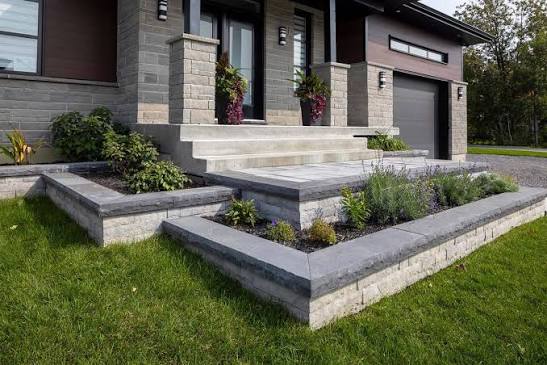
1. Understanding the Importance of Reliable Landscape Material Suppliers
Landscape stone and outdoor furniture suppliers are not just vendors. In professional projects, they become important partners who influence design possibilities, construction schedules, and final project performance.
A qualified supplier should understand the challenges faced by B2B customers, including:
Large-volume purchasing requirements
Strict project deadlines
Custom design specifications
Consistent product appearance
International shipping requirements
Installation considerations
Long-term durability expectations
A supplier who only provides products without technical support may create unnecessary difficulties during construction. On the other hand, experienced suppliers can help optimize material choices, recommend suitable solutions, and prevent potential problems before they happen.
For example, a landscape architect may select a beautiful natural stone based on appearance alone. However, an experienced stone supplier will consider additional factors such as:
Climate conditions
Water absorption rate
Slip resistance
Freeze-thaw performance
Surface treatment options
Expected foot traffic
Installation methods
These technical details determine whether the material will maintain its appearance and structural integrity over time.
The same principle applies to outdoor furniture. A visually attractive bench or table may not be suitable for commercial environments if the frame materials, coatings, or hardware cannot withstand outdoor exposure.
A professional supplier should understand the relationship between design, engineering, and practical performance.
2. Choosing the Right Type of Landscape Stone for Commercial Projects
Landscape stone plays a major role in defining the character of outdoor spaces. Different types of stone create different visual effects, textures, and performance characteristics.
Before selecting a supplier, buyers should understand the main categories of landscape stone commonly used in commercial projects.
Natural Granite
Granite is one of the most popular choices for high-end outdoor applications because of its strength and durability.
Common applications include:
Plaza paving
Outdoor stairs
Retaining walls
Garden pathways
Monument features
Public landscape installations
Advantages of granite include:
Excellent resistance to abrasion
Low water absorption
Strong structural performance
Long service life
Wide range of colors and textures
For projects with heavy pedestrian traffic, granite is often preferred because it maintains its appearance even after years of use.
However, granite quality varies significantly depending on the quarry source and processing methods. A reliable supplier should provide detailed information about stone origin, technical specifications, and finishing options.
Limestone and Sandstone
Limestone and sandstone are popular choices for projects that require a more natural and warm appearance.
They are often used in:
Resort landscapes
Residential gardens
Outdoor terraces
Decorative walls
Pool areas
Their natural textures create a softer visual experience compared with granite.
However, buyers should carefully evaluate durability because some softer stones may have higher water absorption or lower resistance to harsh weather conditions.
A professional supplier should recommend appropriate applications based on the stone’s physical characteristics rather than simply promoting available products.
Marble for Decorative Applications
Marble is commonly associated with luxury and elegance. In landscape projects, it is often used for:
Decorative sculptures
Feature walls
Premium outdoor seating areas
High-end architectural details
While marble offers outstanding visual appeal, it may require more careful maintenance compared with harder stones.
Professional suppliers should provide guidance regarding:
Surface protection
Cleaning requirements
Weather exposure
Suitable installation environments
Using marble in the wrong application can result in unnecessary maintenance problems.
3. Key Factors When Evaluating Landscape Stone Suppliers
Choosing the right stone supplier requires a detailed evaluation process. A professional B2B supplier should demonstrate expertise in several important areas.
1. Quarry Resources and Material Availability
A strong supplier usually has stable access to reliable stone resources.
Buyers should ask:
Where does the stone come from?
Is the quarry supply stable?
Can the supplier provide consistent color and texture?
Are large quantities available for future orders?
For major projects, consistency is extremely important. A supplier that cannot provide matching materials in later production batches may create visible differences across the completed landscape.
2. Processing Technology and Production Capability
Raw stone quality is only one part of the equation. Processing determines the final performance and appearance.
Important production capabilities include:
Precision cutting
CNC processing
Surface finishing
Edge treatment
Custom fabrication
Quality inspection systems
Professional suppliers should have advanced equipment and experienced technicians who can handle complex project requirements.
For example, custom stone elements such as curved benches, decorative columns, water features, and special paving patterns require advanced processing capabilities.
3. Quality Control Procedures
Quality control is one of the most important factors when selecting a B2B supplier.
A reliable supplier should have inspection procedures covering:
Raw Material Inspection
Before production begins, stone blocks should be checked for:
Cracks
Color consistency
Structural defects
Surface conditions
Production Inspection
During processing, manufacturers should monitor:
Cutting accuracy
Thickness tolerance
Surface finishing quality
Dimensional accuracy
Final Product Inspection
Before shipment, finished products should be checked for:
Appearance
Size accuracy
Packaging quality
Structural integrity
A supplier with strict quality management systems can significantly reduce risks for international buyers.
4. Why Outdoor Furniture Supplier Selection Requires Professional Evaluation
Outdoor furniture is exposed to more environmental challenges than indoor furniture. Sunlight, rain, humidity, temperature changes, and frequent use can quickly damage low-quality products.
For B2B projects, outdoor furniture suppliers should be evaluated based on material performance, manufacturing standards, and customization ability.
Common outdoor furniture categories include:
Park benches
Outdoor dining sets
Lounge chairs
Poolside furniture
Commercial seating
Hospitality furniture
Public area furniture
Each application has different requirements.
For example:
A hotel resort may prioritize comfort, design, and premium finishes.
A public park may prioritize vandal resistance, durability, and easy maintenance.
A commercial plaza may require large quantities, consistent appearance, and fast delivery.
A professional supplier should understand these differences and provide suitable solutions.
5. Evaluating Outdoor Furniture Materials for Long-Term Performance
Selecting outdoor furniture for commercial projects requires careful consideration of materials. Unlike indoor furniture, outdoor products must maintain both appearance and structural performance despite constant exposure to changing environmental conditions.
A reliable supplier should understand how different materials perform in real-world applications and provide recommendations based on climate, usage frequency, and project requirements.
Aluminum Outdoor Furniture: Lightweight and Durable
Aluminum is one of the most widely used materials for commercial outdoor furniture because of its excellent balance between strength, weight, and weather resistance.
Advantages include:
Strong resistance to rust and corrosion
Lightweight structure
Easy transportation and installation
Low maintenance requirements
Good adaptability for modern designs
For hotels, restaurants, resorts, and public spaces, aluminum furniture offers flexibility because it can be manufactured in various styles and finished with durable powder coatings.
However, not all aluminum furniture has the same quality level. Buyers should evaluate:
Aluminum grade
Frame thickness
Welding quality
Powder coating process
Surface treatment standards
A professional supplier should provide technical specifications rather than only product images.
Thin aluminum frames may reduce initial costs but can create problems such as bending, instability, and reduced service life.
Stainless Steel Outdoor Furniture: Premium Strength and Modern Appearance
Stainless steel is commonly selected for high-end commercial projects because of its strength and contemporary appearance.
It is frequently used in:
Luxury hotels
Corporate outdoor areas
Modern architectural landscapes
Premium residential developments
Key benefits include:
High structural strength
Excellent corrosion resistance
Elegant appearance
Long service life
However, buyers should pay attention to the stainless steel grade.
For outdoor applications, higher-grade stainless steel is often preferred because it provides better protection against moisture, salt air, and pollution.
Projects located near coastal areas require especially careful material selection because salt exposure can accelerate corrosion.
A qualified supplier should understand environmental conditions and recommend suitable stainless steel solutions.
Wood Outdoor Furniture: Natural Beauty with Proper Protection
Wood remains popular because of its warm appearance and natural texture.
Common outdoor wood choices include:
Teak
Ipe
Acacia
Other durable hardwood species
Wood furniture can create a premium and comfortable outdoor atmosphere, making it popular for:
Resorts
Garden spaces
Outdoor restaurants
Private communities
However, wood requires appropriate treatment.
Professional suppliers should provide information about:
Wood source
Moisture control
Protective coatings
Maintenance requirements
Expected lifespan
Poorly treated wood may suffer from:
Cracking
Warping
Mold growth
Color fading
For commercial projects, durability should always be considered alongside aesthetics.
Synthetic Materials and Composite Solutions
Modern outdoor furniture increasingly uses engineered materials such as:
High-density polyethylene (HDPE)
Synthetic rattan
Composite wood
Weather-resistant plastics
These materials are popular because they can provide:
Excellent weather resistance
Easy cleaning
Consistent appearance
Lower maintenance costs
They are commonly used in hospitality and leisure environments.
A reliable supplier should explain material performance clearly, including:
UV resistance
Temperature tolerance
Recycling characteristics
Expected service life
6. Customization Capabilities: A Critical Factor for B2B Buyers
Large commercial projects often require customized solutions rather than standard products.
A professional supplier should have the ability to support customization in areas such as:
Dimensions
Colors
Surface finishes
Branding elements
Structural designs
Special project requirements
Customization is especially important for:
Luxury hotels
Theme parks
High-end residential communities
Architectural landmark projects
For example, a landscape designer may need a specific stone pattern that matches the architectural concept, or a developer may require outdoor furniture with a unique shape and brand identity.
A supplier with strong design and manufacturing capabilities can transform creative concepts into practical products.
When evaluating customization ability, buyers should review:
Design Support
Does the supplier have experienced designers or engineers who can assist with product development?
Prototype Production
Can the supplier create samples before mass production?
Technical Communication
Can the supplier understand drawings, specifications, and construction requirements?
Production Flexibility
Can the factory handle both standard orders and customized projects?
These capabilities often determine whether a supplier can successfully support complex B2B projects.
7. Assessing Supplier Manufacturing Standards and Factory Capability
A supplier’s factory capability directly affects product quality, delivery reliability, and project success.
Before selecting a partner, professional buyers should evaluate several areas.
Production Capacity
Large-scale projects require suppliers who can handle significant volumes.
Important questions include:
What is the monthly production capacity?
How many production lines are available?
Can urgent orders be accommodated?
How are production schedules managed?
A supplier may offer attractive prices but fail to deliver on time due to limited manufacturing resources.
For construction projects, delayed materials can affect multiple stages of installation and create significant financial losses.
Factory Management Systems
A professional manufacturer should have organized production processes, including:
Material inspection procedures
Production planning systems
Quality checkpoints
Packaging standards
Shipment preparation processes
A well-managed factory usually demonstrates greater consistency and fewer quality issues.
Worker Experience and Technical Skills
Manufacturing quality depends heavily on skilled workers.
For landscape stone, experienced technicians influence:
Cutting accuracy
Surface finishing
Edge processing
Installation compatibility
For outdoor furniture, craftsmanship affects:
Welding strength
Assembly precision
Coating quality
Product durability
A supplier with experienced production teams is more likely to maintain stable quality across large orders.
8. Packaging and Logistics: Protecting Products During Transportation
For international B2B projects, transportation is a major consideration.
Even high-quality products can arrive damaged if packaging is inadequate.
Professional suppliers should have specialized packaging solutions.
Stone Packaging Requirements
Because stone products are heavy and fragile, proper packaging is essential.
Good packaging practices include:
Strong wooden crates
Protective foam or separators
Reinforced corners
Moisture protection
Clear labeling
The supplier should understand international shipping requirements and loading procedures.
Outdoor Furniture Packaging Requirements
Furniture packaging should prevent:
Scratches
Surface damage
Structural deformation
Moisture exposure
Professional suppliers often use:
Protective films
Carton packaging
Foam protection
Reinforced pallets
A supplier’s packaging ability reflects its understanding of international project requirements.
Delivery Reliability
For construction projects, timing is critical.
A reliable supplier should provide:
Accurate production schedules
Transparent communication
Shipment tracking support
Documentation assistance
Important export documents may include:
Commercial invoices
Packing lists
Certificates of origin
Quality inspection reports
Shipping documents
Strong logistics management helps ensure smooth project execution.
9. Understanding Cost Factors When Selecting a Supplier
Cost is an important consideration in any B2B procurement decision, but professional buyers should avoid choosing suppliers based only on the lowest quotation.
A lower price may sometimes indicate reduced material quality, weaker production control, limited customization ability, or insufficient after-sales support. For large-scale landscape projects, the real goal is not simply reducing purchase costs but achieving the best overall value throughout the project lifecycle.
A comprehensive cost evaluation should include several factors.
Material Cost vs. Long-Term Value
The initial purchase price is only one part of the total investment.
For landscape stone, a cheaper material may create additional expenses due to:
Frequent replacement
Surface damage
Color inconsistency
Higher maintenance requirements
Installation difficulties
For outdoor furniture, low-cost products may lead to:
Broken frames
Fading finishes
Corrosion problems
Replacement costs
Customer complaints
High-quality materials usually provide better long-term economic value because they reduce future maintenance and replacement expenses.
B2B buyers should evaluate the total ownership cost rather than focusing only on the initial quotation.
Comparing Supplier Quotations Correctly
When comparing multiple suppliers, buyers should make sure they are comparing equivalent products.
A professional comparison should consider:
Material Specifications
For example:
Stone type
Thickness
Density
Water absorption rate
Surface treatment
For furniture:
Metal grade
Frame structure
Coating process
Fabric quality
Hardware components
Manufacturing Standards
Two suppliers may offer similar-looking products but use completely different production methods.
Important differences may include:
Manual processing vs automated production
Basic coating vs premium protective coating
Standard packaging vs export-grade packaging
Service Capability
The supplier’s service level also affects project costs.
Consider:
Response speed
Technical support
Design assistance
Problem-solving ability
Warranty policies
A supplier who provides strong support can help prevent expensive mistakes during project execution.
10. Common Mistakes B2B Buyers Should Avoid
Many procurement problems happen because buyers evaluate suppliers based on incomplete information.
Understanding common mistakes can help companies make better purchasing decisions.
Mistake 1: Choosing Only Based on Price
The cheapest supplier is not always the most cost-effective choice.
Extremely low quotations may indicate:
Lower-grade materials
Reduced production standards
Poor quality control
Limited factory capability
For professional projects, reliability is often more valuable than a small initial saving.
Mistake 2: Ignoring Product Testing and Samples
Before placing large orders, buyers should request samples whenever possible.
Samples help evaluate:
Actual material appearance
Surface quality
Color consistency
Structural performance
Manufacturing precision
Photos and online catalogs cannot fully represent product quality.
A supplier willing to provide samples demonstrates confidence in its products.
Mistake 3: Not Checking Supplier Experience
Experience matters significantly in B2B projects.
A supplier with years of industry experience usually understands:
International standards
Construction requirements
Packaging challenges
Project timelines
Customer expectations
Before cooperation, buyers should review:
Previous projects
Customer references
Product range
Export experience
A supplier’s past performance is often one of the strongest indicators of future reliability.
Mistake 4: Overlooking Communication Ability
Clear communication is essential, especially for international cooperation.
A professional supplier should be able to:
Understand technical drawings
Provide accurate quotations
Confirm specifications clearly
Report production progress
Respond quickly to questions
Poor communication can create misunderstandings that affect quality, schedules, and budgets.
11. Building a Long-Term Partnership With Reliable Suppliers
For many B2B companies, supplier selection is not a one-time transaction. It is the beginning of a long-term relationship.
A strong supplier partnership can provide advantages such as:
Faster project support
Better pricing opportunities
Priority production schedules
Improved customization services
More efficient communication
Long-term cooperation allows suppliers to better understand a buyer’s expectations and provide more suitable solutions.
Establish Clear Project Requirements
Before starting cooperation, buyers should provide detailed information, including:
Project location
Required materials
Design concepts
Quantity estimates
Delivery deadlines
Installation conditions
Clear requirements help suppliers recommend the right products and avoid unnecessary adjustments.
Maintain Regular Communication
Successful partnerships require ongoing communication.
Recommended practices include:
Regular project updates
Production progress reports
Quality inspections
Shipment confirmation
Feedback after delivery
Continuous communication helps identify and solve problems quickly.
Choose Suppliers Who Grow With Your Business
The ideal supplier should have the ability to support future development.
Consider whether the supplier can:
Expand production capacity
Develop new products
Support larger projects
Improve customization options
Adapt to changing market needs
A supplier that grows together with your business can become a valuable strategic partner.
12. Final Checklist for Choosing Landscape Stone and Outdoor Furniture Suppliers
Before making a final decision, B2B buyers can evaluate suppliers using the following checklist.
Product Quality
✔ Are materials suitable for outdoor environments?
✔ Are technical specifications available?
✔ Can the supplier provide samples?
✔ Are quality inspections performed?
Manufacturing Capability
✔ Does the supplier have a professional factory?
✔ Is production capacity sufficient?
✔ Are customization services available?
✔ Are skilled workers and advanced equipment available?
Project Support
✔ Can the supplier understand architectural drawings?
✔ Can they provide technical recommendations?
✔ Do they have experience with commercial projects?
✔ Can they manage large orders?
Logistics Ability
✔ Is packaging suitable for international transportation?
✔ Are delivery schedules reliable?
✔ Can the supplier provide export documentation?
✔ Is shipment tracking available?
Business Reliability
✔ Does the supplier communicate professionally?
✔ Do they have a strong reputation?
✔ Can they provide project references?
✔ Are warranty and support policies clear?
Conclusion: Selecting the Right Supplier Creates Long-Term Project Success
Choosing a high-quality landscape stone and outdoor furniture supplier is one of the most important decisions for any B2B outdoor construction project.
The right supplier provides more than products. They provide reliability, technical expertise, manufacturing capability, and long-term cooperation value.
For architects, contractors, developers, hospitality companies, and procurement professionals, the best supplier is not necessarily the one offering the lowest price. It is the partner who can consistently deliver high-quality materials, meet project requirements, solve challenges, and support future growth.
A successful outdoor project requires harmony between design vision and practical performance. Premium landscape stone creates lasting architectural beauty, while durable outdoor furniture improves functionality and user experience.
By carefully evaluating materials, production standards, customization capabilities, logistics services, and supplier reliability, businesses can reduce risks and create outdoor spaces that remain attractive, functional, and valuable for many years.
Investing time in selecting the right supplier today can prevent costly problems tomorrow and build a foundation for successful projects in the future.
Frequently Asked Questions (FAQ)
What should B2B buyers look for in a landscape stone supplier?
Professional buyers should evaluate material quality, quarry resources, processing capability, quality control systems, customization ability, and delivery reliability. A good supplier should provide technical information and support throughout the project.
How can I verify the quality of outdoor furniture before ordering?
Request product samples, review material specifications, check manufacturing processes, and confirm testing standards. Visiting the factory or reviewing previous projects can also help evaluate supplier reliability.
Is a higher-priced supplier always better?
Not necessarily. The goal is to find the best balance between quality, service, durability, and cost. A slightly higher investment in reliable products often reduces maintenance and replacement expenses over time.
Why is customization important for commercial landscape projects?
Commercial projects often have unique design requirements. Customization allows suppliers to match specific architectural concepts, dimensions, colors, and functional needs.
How early should suppliers be involved in a landscape project?
Ideally, suppliers should be involved during the planning stage. Early cooperation allows better material selection, cost control, technical optimization, and smoother project execution.
A reliable supplier is not just a source of materials—it is a key partner in transforming landscape concepts into successful real-world projects.
Need Help with Your Custom Project?
Have questions about materials, sizing, or looking for a quick quote? Drop us a message and our experts will respond within 24 hours.
Chat on WhatsApp
+1 (304) 356-6765
Send us an Email
hello@incustom.com
Picked for You