Fabric Showdown: Linen vs. Velvet vs. Polyester — Which Fabric Is the Most Wrinkle-Resistant and Sun-Durable?

Apr 08 2026
Choosing fabric for home décor, curtains, upholstery, or everyday textiles is no longer just about color and texture. Today’s homeowners and designers increasingly care about performance — especially how fabrics handle wrinkles and prolonged sun exposure.
You may love the airy elegance of linen, the luxurious depth of velvet, or the practicality of polyester. But when sunlight streams through windows every day and fabrics are constantly handled, washed, or exposed to heat, performance differences quickly become obvious.
Two questions appear again and again:
- Which fabric wrinkles the least?
- Which fabric survives sunlight without fading or weakening?
In this detailed comparison, we’ll explore linen, velvet, and polyester from a practical perspective — analyzing structure, durability, maintenance, long-term aging, and real-world use cases. By the end, you’ll understand which material works best for different rooms, climates, and lifestyles.
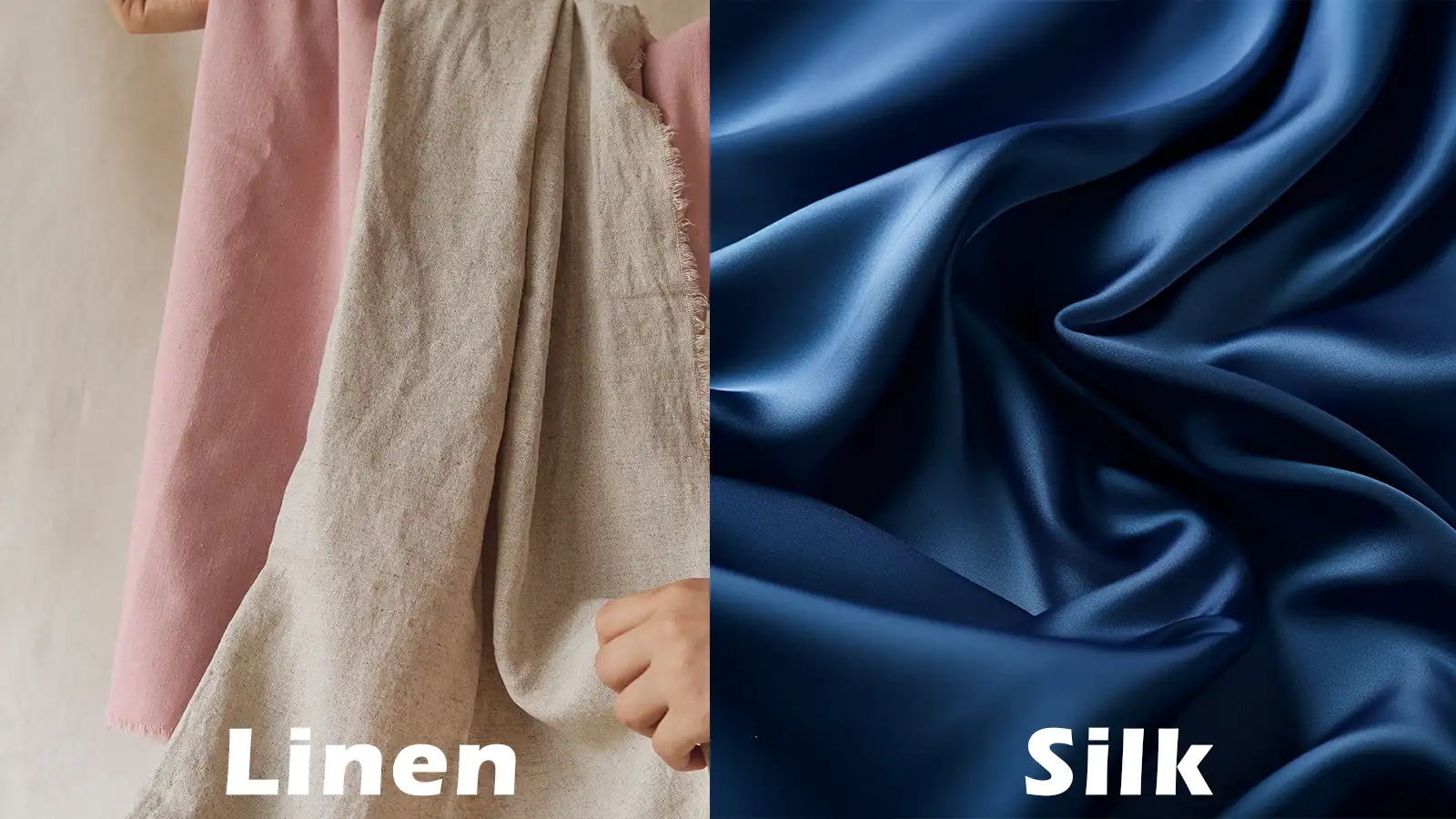
Why Wrinkle Resistance and Sun Durability Matter
Before comparing fabrics, it helps to understand why these two qualities are so important.
Wrinkles Affect Appearance and Maintenance
Wrinkles influence how polished a space feels. Some fabrics crease easily, requiring frequent steaming or ironing, while others maintain smooth surfaces with minimal care.
Wrinkle resistance determines:
- Daily maintenance effort
- Visual neatness
- Professional appearance of curtains
- Longevity of upholstery shape
Sun Exposure Is the Hidden Fabric Destroyer
Sunlight contains ultraviolet radiation that gradually breaks down fibers.
Over time, UV exposure can cause:
- Fading colors
- Fiber brittleness
- Loss of strength
- Texture changes
- Uneven discoloration
South-facing windows, patios, and bright living rooms accelerate this process dramatically.
Meet the Contenders
Let’s briefly introduce each fabric.
Linen: Natural Elegance
Linen comes from flax plant fibers and is one of the oldest textiles in human history. Known for breathability and organic texture, linen is popular in modern interiors and relaxed luxury design.
Key characteristics:
- Natural fiber
- Matte texture
- Breathable weave
- Casual sophistication
Velvet: Soft Luxury
Velvet is defined not by fiber type but by construction. It features dense upright pile fibers that create a plush surface and deep color reflection.
Velvet can be made from:
- Cotton
- Silk
- Polyester blends
It is associated with classic elegance and dramatic interiors.
Polyester: Modern Performance
Polyester is a synthetic fiber engineered for durability and stability. Advances in textile technology have made modern polyester softer and more versatile than earlier versions.
Key strengths:
- High durability
- Shape retention
- Fade resistance
- Easy maintenance
Understanding Wrinkles: The Science Behind Fabric Creasing
Wrinkles occur when fibers bend and fail to return to their original structure.
The ability to recover depends on:
- Fiber elasticity
- Moisture absorption
- Weave density
- Surface structure
Natural fibers absorb moisture easily, which weakens shape memory. Synthetic fibers resist moisture and spring back more effectively.
This principle largely explains the results we’ll see.
Linen: Wrinkle Performance
Why Linen Wrinkles Easily
Linen fibers are stiff compared to cotton or synthetic fibers. While strong, they lack elasticity.
When folded or compressed:
- Fibers bend sharply.
- Creases become permanent until pressed.
Humidity worsens wrinkling because linen absorbs moisture quickly.
Real-World Experience
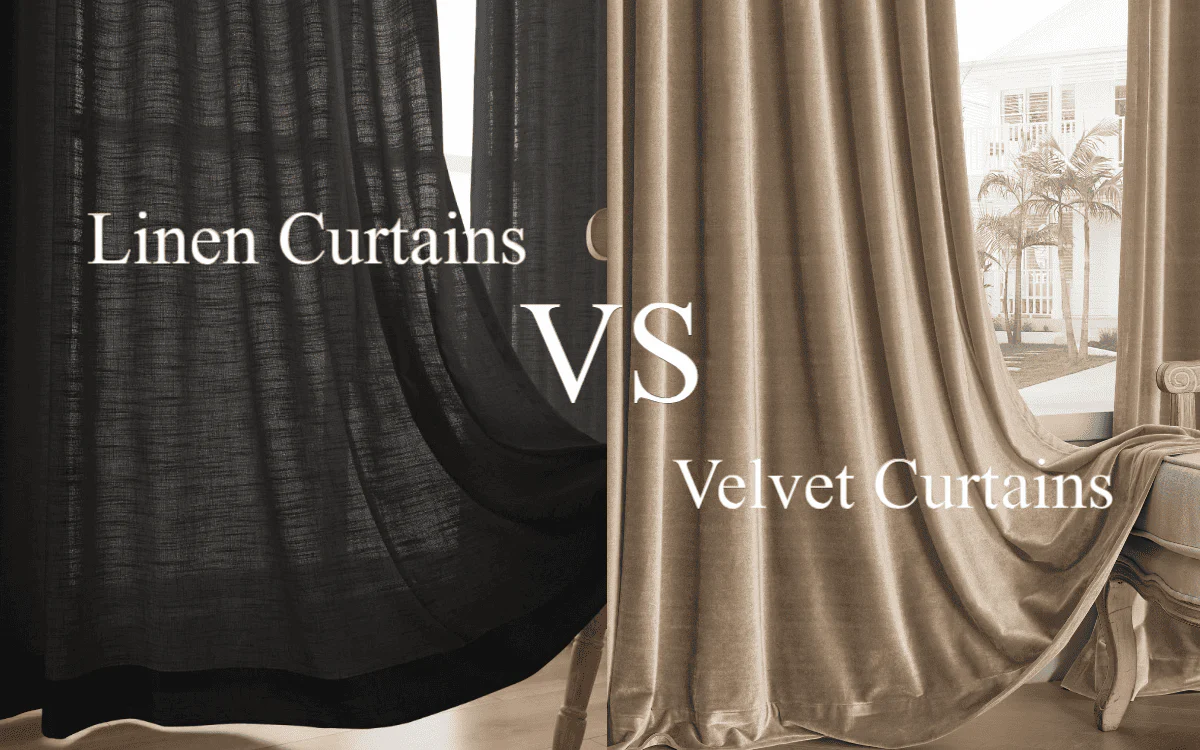
Linen curtains often develop soft creases after opening and closing.
Linen clothing wrinkles within minutes of sitting.
For some homeowners, this relaxed appearance is part of linen’s charm — often described as “naturally lived-in.”
Wrinkle Rating: Linen
- Resistance: Low
- Recovery: Moderate with steaming
- Maintenance level: High
Best for people who appreciate texture over perfection.
Velvet: Wrinkle Performance
Velvet behaves differently because of its pile structure.
Why Velvet Resists Traditional Wrinkles
Instead of flat fibers folding sharply, velvet’s vertical pile absorbs pressure.
Creases rarely appear as sharp lines. Instead, fabric may show shading changes where pile direction shifts.
This phenomenon is called pressure marking, not wrinkling.
Recovery Behavior
Most marks disappear when:
- Fabric is brushed gently
- Steam is applied
- Fibers relax naturally
However, heavy compression can flatten pile permanently.
Wrinkle Rating: Velvet
- Resistance: High
- Recovery: Good
- Maintenance level: Moderate
Velvet looks smooth even after extended use.
Polyester: Wrinkle Performance
Polyester was engineered specifically to resist wrinkling.
Why Polyester Performs So Well
Synthetic polymer chains have strong memory.
After bending, fibers return to original alignment quickly.
Low moisture absorption also prevents crease formation.
Everyday Advantages
Polyester curtains:
- Hang smoothly for long periods.
- Require little ironing.
- Maintain structured pleats.
Travel clothing often uses polyester blends for this reason.
Wrinkle Rating: Polyester
- Resistance: Very High
- Recovery: Excellent
- Maintenance level: Low
This makes polyester one of the most practical choices for busy households.
Sun Resistance: How UV Light Affects Fabrics
Ultraviolet rays break molecular bonds in fibers.
Natural fibers degrade faster because their organic structures are more vulnerable.
Synthetic fibers can be engineered with UV stabilizers.
Now let’s compare performance under sunlight.
Linen Under Sun Exposure
Strengths
Linen initially handles heat well due to breathability.
It stays cool and comfortable in sunny environments.
Weaknesses
Extended UV exposure causes:
- Gradual fading
- Fiber drying
- Reduced tensile strength
Light-colored linen performs better than dark dyed versions.
After several years of strong sun exposure, linen may become fragile.
Sun Durability Rating: Linen
- Fade resistance: Moderate
- Structural durability: Moderate to Low
- Best use: Indirect sunlight
Velvet Under Sun Exposure
Velvet’s performance depends heavily on fiber composition.
Cotton or Silk Velvet
These natural versions fade relatively quickly in sunlight.
Pile fibers also crush under heat exposure.
Polyester Velvet
Modern polyester velvet performs significantly better.
It resists fading and maintains color depth longer.
Sun Durability Rating: Velvet
- Natural velvet: Low to Moderate
- Synthetic velvet: High
Placement matters greatly.
Polyester Under Sun Exposure
Polyester excels in UV resistance.
Why Polyester Handles Sunlight Well
Synthetic polymers resist photodegradation better than plant fibers.
Many fabrics include UV inhibitors during manufacturing.
Benefits include:
- Slow color fading
- Strong fiber integrity
- Long lifespan near windows
Sun Durability Rating: Polyester
- Fade resistance: Very High
- Structural durability: High
- Ideal for bright environments
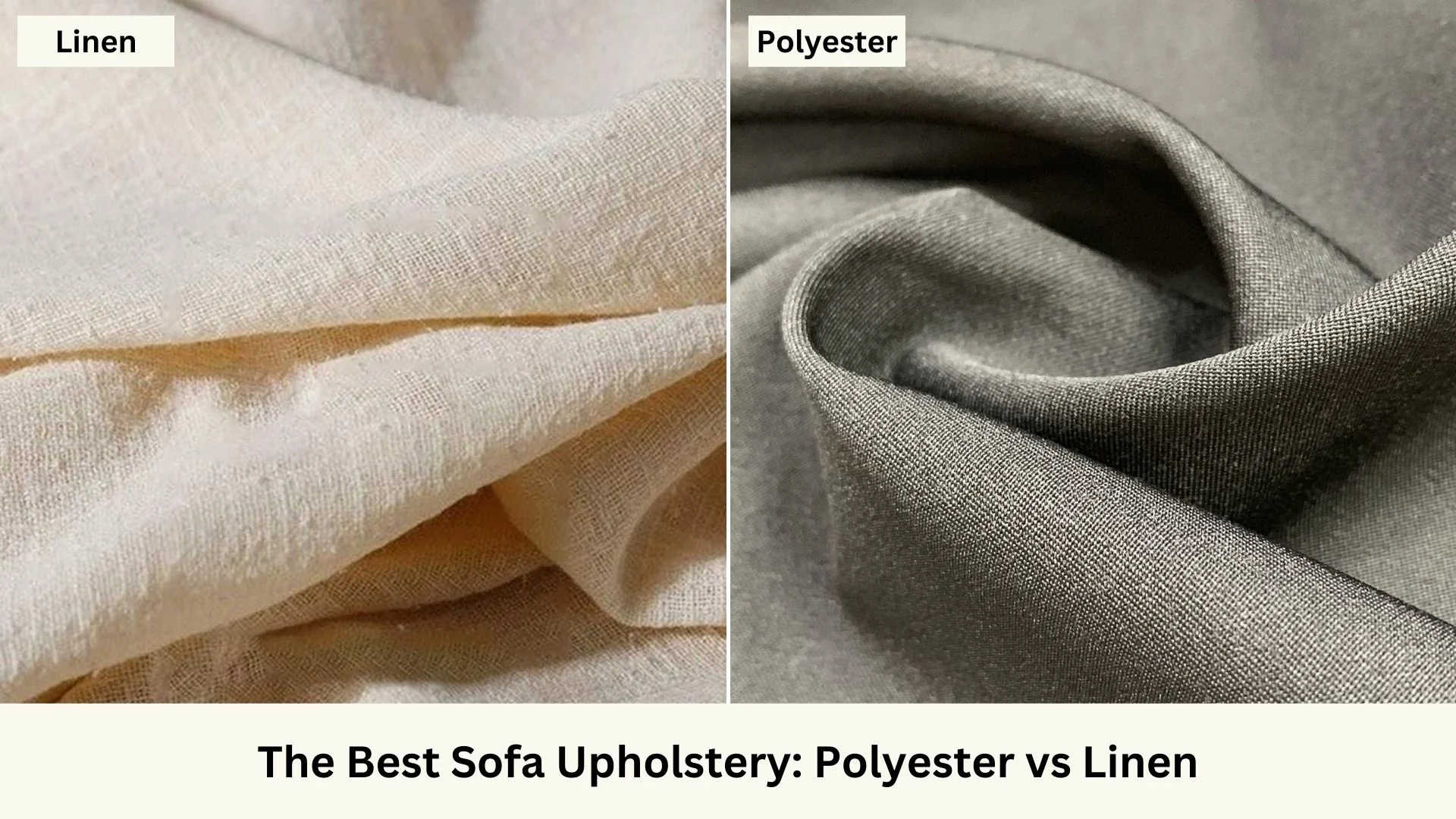
Side-by-Side Comparison
| Property | Linen | Velvet | Polyester |
|---|---|---|---|
| Wrinkle Resistance | Low | High | Very High |
| Sun Resistance | Moderate | Variable | Very High |
| Maintenance | High | Medium | Low |
| Texture | Natural | Luxurious | Versatile |
| Longevity in Sunlight | Medium | Medium | Long |
Climate Considerations
Sunny Climates
Polyester performs best in regions with strong sunlight.
Linen may require protective lining.
Humid Areas
Linen wrinkles more easily in humidity.
Polyester remains stable.
Cooler Regions
Velvet works well due to insulating properties.
Curtain Applications
Living Rooms
Best choice: Polyester or polyester blends.
They maintain appearance despite daily sun exposure.
Bedrooms
Velvet excels for blackout curtains and warmth.
Casual Spaces
Linen adds relaxed elegance but requires acceptance of wrinkles.
Upholstery Performance
Furniture experiences pressure and friction.
- Linen upholstery wrinkles quickly.
- Velvet hides compression marks.
- Polyester maintains structure longest.
For high-traffic homes, polyester blends are often preferred.
Maintenance Comparison
Linen Care
- Frequent steaming
- Gentle washing
- Avoid strong sunlight
Velvet Care
- Vacuum regularly
- Steam occasionally
- Avoid crushing pile
Polyester Care
- Machine washable (many types)
- Quick drying
- Minimal ironing
Sustainability Discussion
Linen is biodegradable and plant-based.
Polyester is petroleum-derived but increasingly recyclable.
Velvet sustainability depends on fiber source.
Choosing longevity can also reduce environmental impact by lowering replacement frequency.
Cost Over Time
Initial price does not equal lifetime cost.
Linen may require replacement sooner in sunny rooms.
Velvet varies widely in price.
Polyester often delivers the longest usable lifespan relative to cost.
Designer Recommendations
Interior designers often follow this logic:
- Want effortless maintenance → Polyester
- Want tactile luxury → Velvet
- Want organic aesthetic → Linen
Performance needs usually guide final decisions.
Hybrid Fabrics: The Rising Trend
Many modern textiles blend fibers to balance beauty and performance.
Examples:
- Linen-polyester blends reduce wrinkling.
- Polyester velvet improves sun durability.
- Performance fabrics mimic natural textures.
These hybrids combine visual appeal with practicality.
Common Mistakes When Choosing Fabric
Choosing Only by Appearance
Lighting conditions matter just as much as style.
Ignoring Window Direction
South-facing windows dramatically increase UV exposure.
Skipping Protective Linings
Curtain linings extend fabric lifespan significantly.
Overlooking Maintenance Lifestyle
Low-maintenance fabrics reduce long-term frustration.
Quick Decision Guide
Choose linen if you want:
- Natural texture
- Relaxed aesthetic
- Soft airflow appearance
Choose velvet if you want:
- Luxury atmosphere
- Rich color depth
- Soft insulation
Choose polyester if you want:
- Maximum wrinkle resistance
- Strong sun durability
- Easy care
Future Fabric Innovations
Textile technology continues evolving toward:
- UV-blocking coatings
- Anti-wrinkle finishes
- Recycled synthetic fibers
- Performance fabrics with natural appearance
Modern polyester fabrics increasingly resemble linen or velvet visually while outperforming them technically.
Final Verdict: Which Fabric Wins?
If judged purely by performance criteria:
Most wrinkle-resistant: Polyester
Most sun-durable: Polyester
Most luxurious texture: Velvet
Most natural aesthetic: Linen
There is no universal winner — only the best choice for your environment and priorities.
For bright, busy homes seeking long-lasting appearance with minimal effort, polyester stands out as the most practical option.
For elegance and atmosphere, velvet delivers unmatched depth.
For relaxed, organic beauty, linen remains timeless despite its imperfections.
Closing Thoughts
Fabric selection is ultimately about balance — between beauty and function, texture and durability, atmosphere and practicality.
Wrinkles and sunlight are unavoidable realities of daily living, but choosing the right material ensures your textiles age gracefully rather than deteriorate quickly.
Understanding how linen, velvet, and polyester respond to real-world conditions allows you to design spaces that remain comfortable, beautiful, and functional for years to come.
Instead of choosing fabric based only on appearance, consider how it will live with you — in sunlight, movement, and everyday life.
The best fabric isn’t just the one that looks good on day one.
It’s the one that still looks good years later.
Need Help with Your Custom Project?
Have questions about materials, sizing, or looking for a quick quote? Drop us a message and our experts will respond within 24 hours.
Chat on WhatsApp
+1 (304) 356-6765
Send us an Email
hello@incustom.com
Picked for You