Facing Extreme Weather: Is Your Outdoor Cover Ready for Heavy Rain and Strong Winds?

Aug 11 2026
Introduction: Your Outdoor Space Needs Protection Before the Storm Arrives
Outdoor living spaces have become an important part of modern homes. A comfortable patio, beautiful garden furniture, outdoor kitchen, fire pit area, or relaxing balcony can transform a simple backyard into a personal retreat.
However, outdoor environments also expose these valuable investments to unpredictable weather conditions.
A sunny afternoon can quickly turn into a night of heavy rain. A calm day can suddenly bring powerful wind gusts. Seasonal storms, intense rainfall, strong sunlight, and changing temperatures can gradually damage outdoor products that are not properly protected.
Many homeowners only think about outdoor protection after bad weather arrives.
They notice:
- Water stains on furniture cushions
- Rust appearing on metal frames
- Mold developing on fabric surfaces
- Wind damage after storms
- Dirt and debris covering outdoor equipment
By then, the damage may already have started.
A high-quality outdoor cover is not simply an accessory. It is a protective barrier designed to help outdoor furniture and equipment withstand challenging weather conditions.
Whether you own patio chairs, garden tables, grills, outdoor sofas, storage boxes, or other outdoor items, preparing the right cover before extreme weather happens can save money, reduce maintenance, and extend product lifespan.
This guide explores how outdoor covers protect against heavy rain and strong winds, what features matter most, common mistakes to avoid, and how to choose the right solution for your outdoor space.
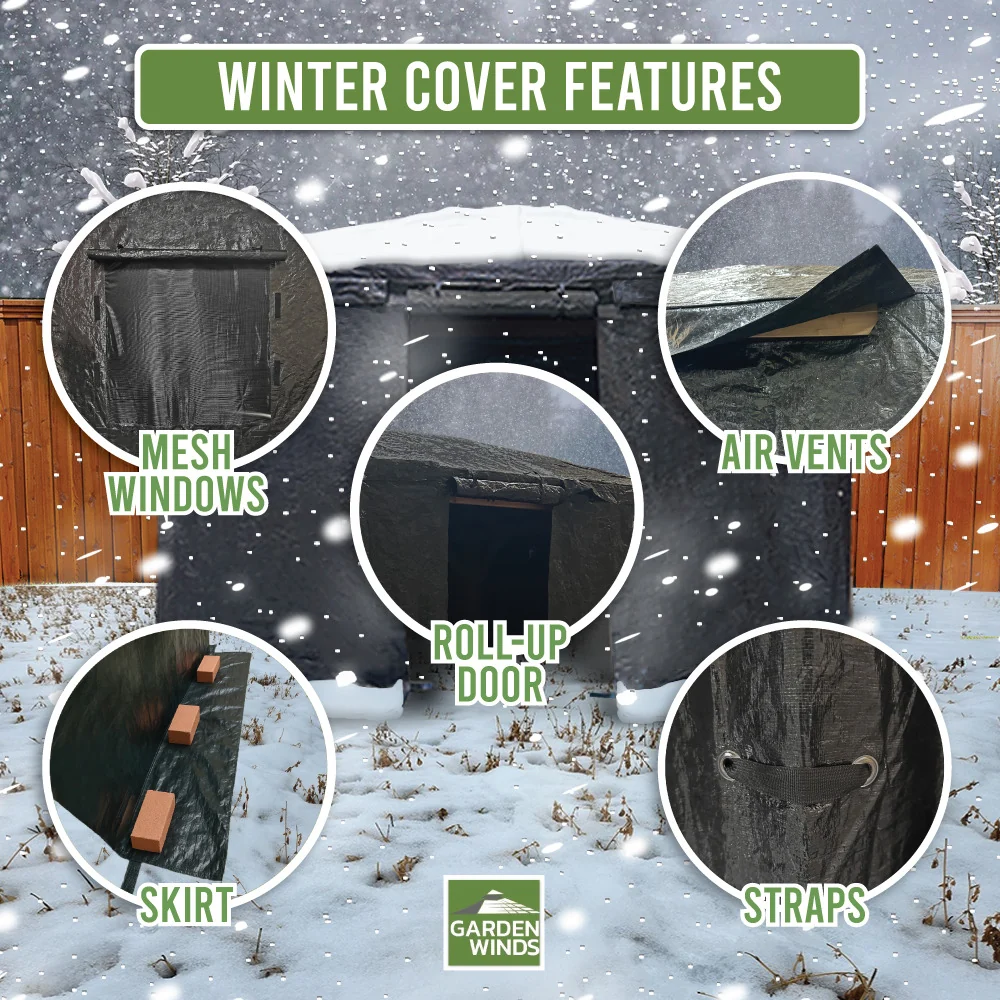
Understanding the Impact of Extreme Weather on Outdoor Items
Outdoor furniture is designed for outdoor use, but that does not mean it is completely resistant to harsh conditions.
Manufacturers create outdoor products with stronger materials, but continuous exposure to extreme weather can still cause deterioration.
The main threats include:
- Water damage
- Wind stress
- UV exposure
- Temperature changes
- Dirt accumulation
- Organic growth
Understanding these risks helps homeowners make better protection decisions.
1. Heavy Rain: The Hidden Threat Behind Water Damage
Rain may appear harmless, but repeated exposure can create serious problems.
Moisture Penetration
Even water-resistant materials can eventually absorb moisture.
Rainwater can enter through:
- Fabric seams
- Small surface cracks
- Unprotected edges
- Cushion openings
Once moisture gets inside, drying becomes difficult.
This creates conditions for:
- Mold growth
- Unpleasant odors
- Fabric deterioration
Outdoor cushions are especially vulnerable because they can hold moisture for long periods.
Rust and Corrosion Problems
Metal outdoor furniture faces another challenge.
Water exposure can accelerate corrosion, especially when combined with:
- Salt air
- Pollution
- Dirt buildup
- Temperature changes
Rust does not only affect appearance.
Over time, it can weaken:
- Metal frames
- Screws
- Joints
- Supporting structures
A waterproof outdoor cover creates an additional layer between rainwater and the furniture surface.
Water Pooling Issues
A common mistake is choosing a cover that protects from rain but does not allow proper water management.
When rainwater collects on top of a cover, the extra weight can:
- Stretch the material
- Create pressure points
- Cause leaks
- Damage the covered item underneath
A good outdoor cover should have:
- Water-resistant fabric
- Proper tension
- Effective drainage design
- A shape that prevents large water pools
2. Strong Winds: The Challenge Many People Underestimate
Heavy rain receives most attention during storms, but strong wind can be equally damaging.
A storm with powerful gusts can transform outdoor items into potential hazards.
Wind can:
- Move furniture
- Tear weak covers
- Blow covers away
- Scratch surfaces with debris
A poorly secured cover may create more problems than protection.
Why Wind Protection Matters
Imagine a patio chair covered with a lightweight fabric cover.
During strong winds:
- Wind enters underneath the cover
- The cover acts like a sail
- The entire cover lifts or shifts
- The furniture becomes exposed
This is why wind-resistant design is essential.
A reliable outdoor cover should include:
- Adjustable straps
- Buckles
- Drawstrings
- Elastic hems
- Secure fastening systems
These features help keep the cover attached during unstable weather.
Choosing the Right Outdoor Cover for Storm Protection
Not all outdoor covers provide the same level of protection.
A cheap cover may appear attractive because of its lower price, but poor-quality materials often fail when exposed to real weather conditions.
When choosing a cover for heavy rain and strong wind, consider several important factors.
Feature 1: Weather-Resistant Fabric
The material is the foundation of outdoor protection.
A quality outdoor cover should balance:
- Water resistance
- Breathability
- Strength
- Flexibility
Completely waterproof does not always mean ideal.
Why?
Because trapped moisture can create condensation underneath the cover.
A better design allows protection from rain while reducing internal moisture buildup.
Common outdoor cover materials include:
Polyester Fabric
Polyester is widely used because it offers:
- Lightweight performance
- Good durability
- Easy maintenance
- Resistance to stretching
High-quality polyester covers are often coated with protective layers to improve water resistance.
Oxford Fabric
Oxford fabric is popular for outdoor protection because of its stronger weaving structure.
Advantages include:
- Tear resistance
- Better durability
- Strong outdoor performance
It is commonly used for:
- Patio furniture covers
- Grill covers
- Outdoor storage covers
PVC or Coated Materials
Some covers use additional coatings to improve waterproof performance.
These materials can provide strong rain protection but should be designed carefully to maintain flexibility.
A stiff cover may crack after repeated exposure to temperature changes.
Feature 2: Waterproof Performance
A good rain protection cover should do more than simply repel water.
Important design details include:
Sealed or Reinforced Seams
Many leaks happen through seams rather than the main fabric.
Reinforced seams help reduce water penetration.
Water-Resistant Coating
Protective coatings help water form droplets and roll away instead of soaking into the fabric.
Proper Coverage Size
A cover that is too small may leave exposed areas.
A cover that is too large may collect wind and water.
The correct size should provide:
- Full coverage
- Comfortable installation
- Enough space for air circulation
Feature 3: Windproof Design
For areas affected by strong winds, fastening systems are extremely important.
Look for:
Adjustable Buckles
Buckles allow users to tighten the cover according to different weather conditions.
Elastic Bottom Hems
Elastic edges create a closer fit around furniture.
Drawstrings
Drawstrings provide additional adjustment and help prevent movement.
Multiple Attachment Points
Large outdoor covers benefit from several securing points.
A large cover exposed to strong wind requires stronger support than a small chair cover.
Feature 4: Breathability and Moisture Control
Many people focus only on waterproof ability.
However, ventilation is equally important.
A cover that traps moisture can create problems.
Look for features such as:
- Air vents
- Breathable fabrics
- Ventilation openings
These features help reduce:
- Condensation
- Mold growth
- Musty smells
The best outdoor cover protects against outside moisture while managing internal humidity.
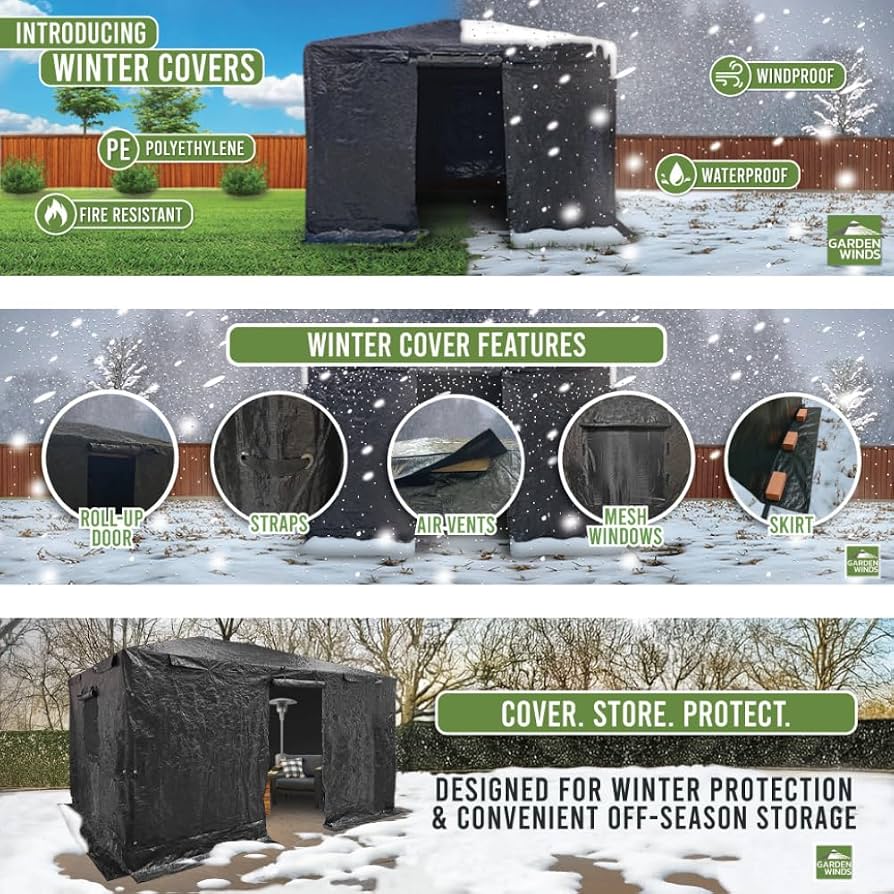
Choosing the Right Cover for Different Outdoor Items
Different outdoor products face different weather challenges. A cover designed for a patio table may not provide enough protection for a grill, outdoor sofa, or storage equipment.
Choosing the right cover is not only about size. It is also about understanding the specific needs of each item.
1. Patio Furniture Covers: Protecting Your Outdoor Living Space
Outdoor furniture is one of the most common investments homeowners want to protect.
Patio sets often include:
- Chairs
- Tables
- Sofas
- Lounge seats
- Cushions
These materials are exposed to multiple risks:
- Rain absorption
- UV fading
- Dirt buildup
- Wind movement
A good patio furniture cover should provide full protection while maintaining airflow.
Protecting Outdoor Cushions
Cushions are especially sensitive because fabric absorbs moisture.
Without proper protection, cushions may develop:
- Mold spots
- Odors
- Color fading
- Reduced comfort
A quality cover should completely cover cushions and prevent water from collecting around seams.
For areas with frequent storms, homeowners should consider:
- Thick waterproof fabric
- Secure straps
- Reinforced corners
Protecting Wooden Furniture
Wood furniture has natural beauty, but moisture can cause serious problems.
Rain exposure may lead to:
- Swelling
- Cracking
- Warping
- Surface discoloration
An outdoor cover helps reduce direct water contact and protects protective finishes.
However, remember that wood still needs occasional maintenance.
A cover works best as part of a complete care routine.
Protecting Metal Furniture
Metal furniture is strong but vulnerable to corrosion.
A protective cover helps prevent:
- Standing water
- Dirt accumulation
- Chemical exposure
For metal furniture near coastal areas, additional protection is especially important because salt particles can accelerate corrosion.
2. Grill Covers: Protecting Outdoor Cooking Equipment
Outdoor grills are often left outside year-round, making them highly exposed to weather.
Rain can affect:
- Metal surfaces
- Burners
- Internal components
- Electronic systems
Strong winds can also blow leaves, dirt, and debris into openings.
A proper grill cover should include:
- Heat-resistant design considerations
- Waterproof material
- Secure fastening
- Proper ventilation
A cover should not only protect the exterior appearance but also help preserve performance.
3. Outdoor Storage Covers: Keeping Equipment Safe
Many homeowners store:
- Gardening tools
- Outdoor toys
- Pool accessories
- Seasonal decorations
outside.
Without protection, these items can suffer from:
- Moisture damage
- Rust
- Dirt buildup
- Sun exposure
A durable cover helps create a cleaner and more organized outdoor environment.
4. Balcony Furniture Covers: Protection for Small Spaces
People living in apartments or smaller homes often underestimate weather exposure on balconies.
In reality, balconies can experience strong wind because buildings create air tunnels.
Small outdoor spaces often need:
- Compact covers
- Strong fastening systems
- Easy installation
A lightweight cover without secure attachment may easily become loose during storms.
Preparing Your Outdoor Covers Before a Storm Arrives
A common mistake is waiting until severe weather warnings appear before checking outdoor protection.
Storm preparation should happen before the first drops of rain.
Step 1: Inspect Your Cover Condition Regularly
Before storm season, check your covers carefully.
Look for:
- Small tears
- Weak stitching
- Damaged straps
- Loose buckles
- Faded material
Small problems can become major failures during extreme weather.
A tiny tear may expand quickly under strong wind pressure.
Step 2: Clean the Cover Before Storage or Use
Dirt and organic materials can reduce cover performance.
Common contaminants include:
- Leaves
- Bird droppings
- Dust
- Tree sap
Regular cleaning helps maintain:
- Water resistance
- Appearance
- Fabric strength
Always follow the manufacturer’s cleaning instructions.
Harsh chemicals may damage protective coatings.
Step 3: Install Covers Correctly
Even the highest-quality cover cannot work properly if installed incorrectly.
Common installation mistakes include:
- Leaving loose areas
- Not tightening straps
- Covering dirty furniture
- Blocking ventilation areas
A proper installation should include:
- Clean the item first
- Place the cover evenly
- Adjust straps
- Check all connection points
- Confirm stability
Step 4: Create Extra Protection During Extreme Storms
For areas with severe weather conditions, additional preparation may be necessary.
Consider:
- Moving lightweight furniture indoors
- Adding extra tie-downs
- Placing heavy items in protected areas
- Removing unnecessary outdoor decorations
An outdoor cover is an important defense, but it should work together with smart storm preparation.
Common Outdoor Cover Mistakes That Reduce Protection
Many homeowners purchase covers but do not receive the expected protection because of incorrect usage.
Here are the most common mistakes.
Mistake 1: Choosing Price Over Quality
A low-cost cover may seem attractive at first.
However, poor materials often result in:
- Faster tearing
- Weak waterproof ability
- Poor wind resistance
- Frequent replacement
A durable cover is an investment that protects more expensive outdoor products.
Mistake 2: Buying the Wrong Size
Size matters.
A cover that is too small may leave areas exposed.
A cover that is too large may:
- Collect rainwater
- Move excessively in wind
- Create unnecessary stress on fabric
Always measure your outdoor item before purchasing.
Measure:
- Length
- Width
- Height
- Additional accessories
Mistake 3: Ignoring Wind Protection Features
Some users only check waterproof ratings.
However, in storm-prone areas, wind resistance is equally important.
A cover without proper fastening may fail even if the fabric itself is strong.
Mistake 4: Forgetting About Ventilation
A completely sealed environment may seem ideal, but trapped humidity can cause problems.
Without airflow, moisture can accumulate underneath the cover.
This creates an environment where:
- Mold grows
- Odors develop
- Materials deteriorate
Good covers balance protection and ventilation.
Mistake 5: Leaving the Cover Dirty for Long Periods
Outdoor covers also need maintenance.
Accumulated dirt can:
- Block ventilation
- Reduce water resistance
- Damage fabric over time
Regular cleaning extends the useful life of the cover.
Seasonal Outdoor Cover Maintenance Guide
Different seasons create different challenges.
Spring Maintenance
Spring often brings:
- Rain
- Pollen
- Changing temperatures
Recommended actions:
- Wash covers
- Inspect seams
- Remove accumulated debris
- Check fastening systems
Summer Maintenance
Summer creates risks from:
- Strong sunlight
- High temperatures
- UV exposure
Protective steps:
- Use UV-resistant covers
- Avoid unnecessary direct exposure
- Check material flexibility
Fall Preparation
Fall is the ideal time to prepare for storms.
Before heavy weather arrives:
- Repair damaged covers
- Clean outdoor furniture
- Secure all straps
- Remove leaves regularly
Winter Protection
Cold weather creates additional stress.
Freezing temperatures can cause some materials to become stiff.
Winter preparation should include:
- Using durable weather covers
- Preventing water accumulation
- Checking snow load
- Removing excess moisture
How to Choose a Professional Outdoor Cover: A Practical Checklist
Before buying an outdoor cover, ask these questions:
1. What Weather Conditions Does My Area Experience?
Consider:
- Heavy rain
- Strong winds
- Snow
- Intense sunlight
- Humidity
Different climates require different protection levels.
2. What Item Am I Protecting?
A small chair cover and a large outdoor sofa cover have different requirements.
Think about:
- Size
- Shape
- Material
- Usage frequency
3. Does the Cover Have Strong Fastening?
Check for:
- Buckles
- Straps
- Elastic edges
- Adjustable systems
4. Is the Material Suitable for Long-Term Outdoor Use?
Look for:
- Durable fabric
- Reinforced construction
- Weather resistance
- Easy maintenance
5. Does the Design Allow Proper Airflow?
Ventilation is essential for long-term protection.
Why Preparing Before Bad Weather Saves Money
Many homeowners see outdoor covers as an extra expense.
However, they often save money over time.
Without protection, outdoor items may require:
- Repairs
- Replacement cushions
- Repainting
- Professional cleaning
- Complete replacement
A quality cover reduces these costs.
For example:
Replacing an entire outdoor sofa set after storm damage can cost significantly more than investing in proper protection beforehand.
Prevention is usually more affordable than repair.
Final Thoughts: Is Your Outdoor Cover Ready for the Next Storm?
Extreme weather is unpredictable.
A calm afternoon can quickly become a challenging storm with heavy rain and powerful winds.
Your outdoor furniture and equipment represent an investment in your home and lifestyle. Protecting them requires more than simply covering them occasionally.
The right outdoor cover should provide:
- Reliable rain protection
- Strong wind resistance
- Durable materials
- Proper ventilation
- Secure installation
The best time to prepare is before the storm arrives.
By choosing the right cover, maintaining it regularly, and using proper installation techniques, you can keep your outdoor space cleaner, safer, and more beautiful throughout every season.
A prepared homeowner does not wait for bad weather to create problems.
They build protection before the first raindrop falls.
Need Help with Your Custom Project?
Have questions about materials, sizing, or looking for a quick quote? Drop us a message and our experts will respond within 24 hours.
Chat on WhatsApp
+1 (304) 356-6765
Send us an Email
hello@incustom.com
Picked for You