Field-Tested Wisdom: Insider Secrets Experienced Hikers Use to Choose Outdoor Gear

Jun 09 2026
Introduction: Why the Best Outdoor Gear Isn't Always the Most Expensive
Walk into any outdoor retailer today, and you'll be surrounded by an overwhelming selection of gear. Lightweight tents, waterproof jackets, ultralight backpacks, carbon trekking poles, insulated sleeping bags, GPS devices, portable power stations—the options seem endless.
For beginners, it's easy to assume that the most expensive gear must be the best choice. After all, premium products often come with impressive marketing claims, advanced materials, and professional endorsements.
But ask any experienced hiker, backpacker, or outdoor adventurer, and you'll hear a different story.
Seasoned outdoor enthusiasts know that gear selection isn't about buying the most expensive item on the shelf. It's about choosing equipment that performs reliably under real-world conditions. The best gear is the gear that matches your environment, activity level, experience, and specific needs.
Years of trail experience teach hikers one important lesson: equipment that looks great in a store may fail miserably in the wilderness.
This guide explores the practical, field-tested strategies experienced hikers use when selecting outdoor gear. Whether you're preparing for your first hiking trip or upgrading your current setup, these insights can help you make smarter purchasing decisions and avoid costly mistakes.
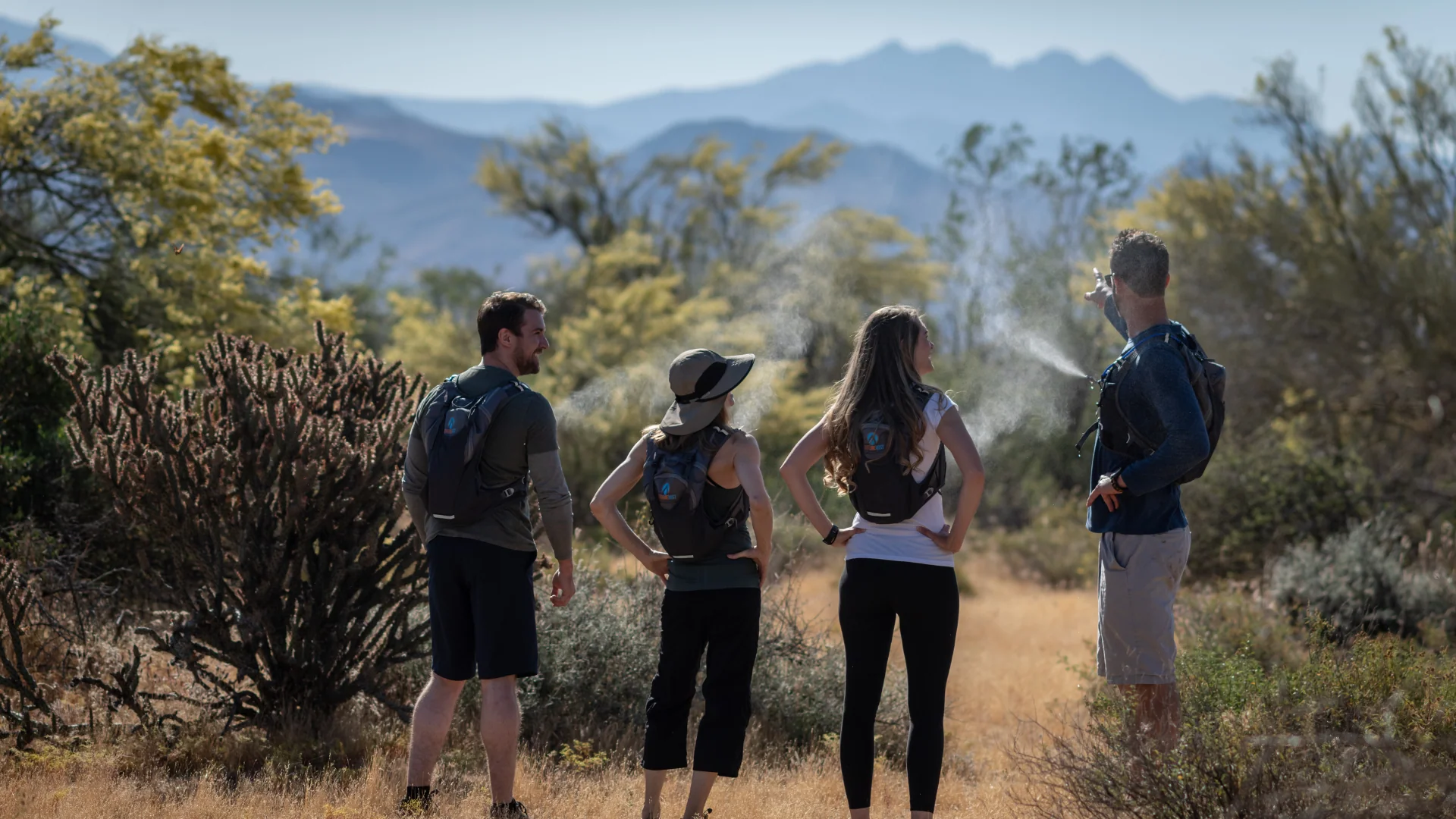
The First Rule: Buy for Your Adventure, Not Someone Else's
One of the biggest mistakes beginners make is copying another person's gear list without understanding the context.
An experienced backpacker heading into the Rocky Mountains has different requirements than someone taking weekend hikes in local state parks.
Before evaluating any product, experienced hikers ask several questions:
- Where will this gear be used?
- What weather conditions should I expect?
- How long will the trip last?
- How much weight am I willing to carry?
- What level of comfort do I need?
- How difficult is the terrain?
The answers determine what equipment makes sense.
For example, a four-season mountaineering tent may be unnecessary for summer camping. Likewise, an ultralight shelter designed for warm weather may be dangerous in alpine conditions.
Smart gear buyers focus on their own adventures rather than trends.
Durability Always Beats Fancy Features
Outdoor manufacturers constantly introduce new technologies and innovative features.
While innovation can be valuable, experienced hikers prioritize durability above everything else.
Why?
Because equipment failure in the wilderness can quickly become more than an inconvenience.
A broken backpack strap, leaking tent, damaged zipper, or torn rain jacket can significantly impact safety and comfort.
Veteran hikers carefully inspect:
- Stitching quality
- Reinforcement points
- Zipper construction
- Fabric thickness
- Buckle strength
- Hardware reliability
They know that simple, rugged equipment often outperforms feature-heavy alternatives over the long term.
Many experienced adventurers would rather carry a slightly heavier item that lasts ten years than an ultralight product that fails after a single season.
Weight Matters—but Not as Much as Beginners Think
Ultralight backpacking has become increasingly popular.
Manufacturers promote lighter tents, lighter packs, lighter cookware, and lighter clothing.
Reducing weight certainly improves comfort and efficiency. However, experienced hikers understand that chasing the lightest possible setup can sometimes create new problems.
The lightest gear often involves compromises:
- Reduced durability
- Higher costs
- Less comfort
- Lower weather resistance
Instead of focusing solely on weight, skilled hikers evaluate the balance between:
- Weight
- Performance
- Reliability
- Cost
The goal isn't to carry the lightest pack possible.
The goal is to carry the lightest gear that still performs effectively under expected conditions.
The Importance of Field Testing
One secret separates experienced hikers from beginners:
They never fully trust gear until they've tested it.
Before taking new equipment on a major trip, seasoned outdoor enthusiasts conduct local trials.
Examples include:
- Setting up tents in the backyard
- Wearing boots on short hikes
- Testing water filters
- Cooking with camp stoves
- Practicing pack adjustments
Field testing reveals problems that product descriptions never mention.
A backpack may look perfect online but feel uncomfortable after six miles.
A tent may appear spacious but prove difficult to pitch in strong winds.
Testing eliminates surprises.
Footwear Is the Most Important Investment
Ask ten experienced hikers where beginners should spend their money, and most will give the same answer:
Footwear.
Your feet carry you through every mile of your adventure.
Poor footwear can cause:
- Blisters
- Foot fatigue
- Joint pain
- Reduced mobility
- Increased injury risk
Experienced hikers focus on:
Fit First
Brand reputation means nothing if the shoe doesn't fit properly.
A perfect fit should provide:
- Adequate toe room
- Secure heel lock
- Comfortable arch support
- No pressure points
Terrain Compatibility
Different environments require different footwear.
Examples include:
- Trail runners for well-maintained paths
- Hiking shoes for moderate terrain
- Hiking boots for rugged trails
- Mountaineering boots for alpine conditions
Realistic Expectations
No footwear lasts forever.
Veteran hikers regularly inspect soles, uppers, and cushioning before every major trip.
Backpack Selection: Comfort Over Capacity
Many beginners purchase oversized backpacks.
Experienced hikers often do the opposite.
They first determine what gear they actually need and then select a pack that fits those requirements.
Key factors include:
Proper Torso Length
A well-fitted pack transfers weight efficiently.
Poor fit causes:
- Shoulder pain
- Lower back discomfort
- Fatigue
Load Distribution
Experienced hikers pay close attention to:
- Hip belt performance
- Frame structure
- Compression systems
- Pocket accessibility
Weight Carrying Efficiency
The best backpack isn't necessarily the largest.
It's the one that carries weight comfortably for extended periods.
Understanding Layering Systems
Many newcomers focus heavily on jackets while ignoring the broader clothing system.
Experienced hikers think in layers.
The layering system typically includes:
Base Layer
Responsible for moisture management.
Quality base layers:
- Wick sweat effectively
- Dry quickly
- Improve comfort
Mid Layer
Provides insulation.
Popular options include:
- Fleece jackets
- Synthetic insulation
- Lightweight down jackets
Outer Layer
Protects against weather.
A reliable shell should offer:
- Waterproof performance
- Wind resistance
- Breathability
The combination of layers creates flexibility across changing conditions.
Weather Resistance Is More Important Than Marketing Claims
Many outdoor products advertise extreme waterproof ratings and advanced technologies.
Experienced hikers evaluate performance based on real-world conditions rather than advertising language.
Questions they ask include:
- How does the fabric perform after prolonged rain?
- Does breathability remain effective during activity?
- Are seams properly sealed?
- How durable is the waterproof coating?
They also understand that no product is completely maintenance-free.
Regular cleaning and reproofing help preserve weather protection.
Tents: Focus on Functionality
A tent serves as your temporary home outdoors.
Experienced hikers prioritize practical performance over visual appeal.
Important considerations include:
Ease of Setup
Weather conditions may force rapid shelter deployment.
Complex designs can become frustrating during storms.
Ventilation
Poor airflow creates condensation.
Effective ventilation improves comfort and protects gear.
Interior Space
Manufacturers often exaggerate occupancy ratings.
Many hikers prefer sizing up for comfort.
Wind Stability
Strong weather reveals weaknesses quickly.
Field-proven designs generally outperform experimental concepts.
Sleeping Systems Deserve More Attention
Sleep directly affects outdoor performance.
Experienced adventurers rarely compromise on sleep quality.
A sleeping system includes:
- Sleeping bag or quilt
- Sleeping pad
- Shelter
All three components work together.
Temperature Ratings Are Guidelines
Manufacturers often publish optimistic ratings.
Experienced hikers usually build a safety margin into their selections.
Sleeping Pads Matter
Many beginners underestimate sleeping pads.
A quality pad provides:
- Insulation
- Comfort
- Better recovery
Don't Ignore Small Accessories
Major purchases receive most of the attention, but experienced hikers know that small accessories can dramatically improve outdoor experiences.
Examples include:
- Headlamps
- Trekking poles
- Water filters
- First-aid kits
- Repair kits
- Dry bags
- Navigation tools
These items frequently solve problems that larger gear cannot.
Learn From Failure
One trait common among experienced hikers is their willingness to learn from mistakes.
Most outdoor veterans can tell stories about:
- Leaking tents
- Broken stoves
- Uncomfortable boots
- Heavy backpacks
- Poor clothing choices
These failures provide valuable lessons.
Instead of chasing perfection, successful hikers continuously refine their gear systems based on actual experiences.
Read Reviews the Right Way
Product reviews can be useful, but experienced hikers read them strategically.
Rather than focusing solely on star ratings, they examine:
- Long-term durability reports
- Weather performance feedback
- Common failure points
- Consistency across multiple reviews
Patterns often reveal more than individual opinions.
Understand the Value of Versatility
Multi-purpose gear often provides exceptional value.
Examples include:
- Trekking poles that support shelters
- Jackets suitable for multiple seasons
- Backpacks adaptable to different trip lengths
- Cookware serving multiple functions
Versatile equipment reduces overall pack weight and purchasing costs.
Avoid Trend-Driven Purchases
Outdoor gear trends change constantly.
One year, everyone wants ultralight equipment.
The next year, modular systems become popular.
Experienced hikers resist impulse purchases driven by trends.
Instead, they evaluate whether a product genuinely improves their outdoor experience.
If the answer is no, they save their money.
Maintenance Is Part of Gear Selection
Veteran hikers think beyond the purchase itself.
They consider:
- Cleaning requirements
- Repairability
- Spare parts availability
- Long-term durability
A product that is easy to maintain often delivers greater value over time.
Building Your Gear Collection Slowly
One of the smartest strategies experienced hikers follow is gradual accumulation.
Rather than purchasing everything at once, they build their gear systems over time.
Benefits include:
- Better decision-making
- Lower financial risk
- Improved understanding of personal preferences
- Fewer unnecessary purchases
Each trip provides new insights that guide future investments.
The Real Secret: Experience Is the Ultimate Gear Guide
Despite countless reviews, videos, and recommendations, nothing replaces firsthand experience.
Every hiker develops unique preferences based on:
- Body type
- Fitness level
- Climate
- Travel style
- Personal comfort standards
What works perfectly for one adventurer may not work for another.
The most successful gear systems evolve through repeated use, careful observation, and continuous refinement.
Conclusion: Buy Smarter, Hike Better
Choosing outdoor gear is both an art and a science. While modern technology has created incredible products, experienced hikers understand that effective gear selection goes far beyond brand names and marketing claims.
Durability, comfort, reliability, weather resistance, and real-world performance consistently matter more than flashy features. By focusing on practical needs, testing equipment before major trips, investing in quality footwear, understanding layering systems, and learning from experience, outdoor enthusiasts can build gear collections that truly support their adventures.
The trail has a way of exposing weaknesses in both equipment and decision-making. Fortunately, every hike offers an opportunity to learn. The more experience you gain, the better you become at recognizing which gear delivers genuine value and which products simply create unnecessary weight, expense, or complexity.
In the end, the best outdoor gear isn't the newest, the lightest, or the most expensive. It's the equipment that performs reliably when conditions become challenging and allows you to focus on the journey ahead.
Choose wisely, test thoroughly, and let the trail be your ultimate teacher.
Need Help with Your Custom Project?
Have questions about materials, sizing, or looking for a quick quote? Drop us a message and our experts will respond within 24 hours.
Chat on WhatsApp
+1 (304) 356-6765
Send us an Email
hello@incustom.com
Picked for You