
Home is more than just a place to live. It is the environment where people rest, recharge, work, and connect with family. Every design choice inside a home subtly influences how people feel, often without them realizing it. Among all interior design elements, curtains are one of the most underestimated.
Many homeowners focus on furniture, wall colors, or flooring while treating curtains as a finishing touch. In reality, curtains play a powerful role in shaping the atmosphere of a room. They control natural light, define visual balance, soften architectural lines, and influence the emotional tone of a space.
When curtains are customized to match the unique layout and lifestyle of a household, their impact becomes even more significant. From color selection to light filtering, custom curtains can quietly transform the way a home feels throughout the day.
Understanding how curtains influence mood helps homeowners make more intentional design choices—ones that improve comfort, relaxation, and daily well-being.
Why Curtains Matter More Than People Think
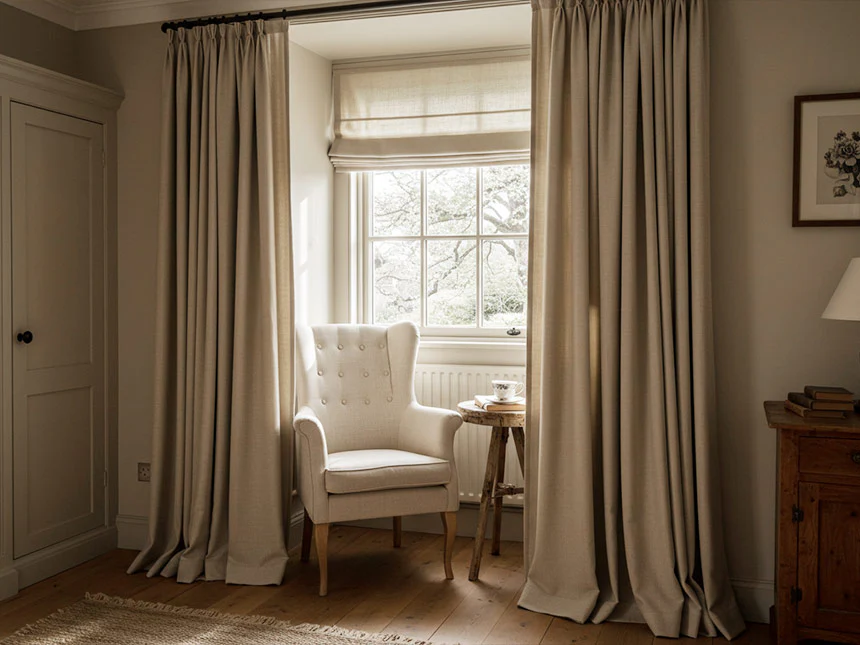
At first glance, curtains might seem like a purely decorative feature. However, they serve several important functions in interior spaces.
Curtains help regulate natural light, protect privacy, insulate rooms, and create visual harmony. These practical roles also have psychological effects.
For example, the amount of daylight entering a room directly affects human circadian rhythms. Exposure to natural light during the day helps regulate sleep patterns, improve concentration, and stabilize mood.
Curtains determine how much light enters a space and how that light spreads across surfaces. A well-designed curtain system allows homeowners to fine-tune the atmosphere from morning to evening.
Beyond lighting, curtains also influence the visual warmth of a room. Soft fabrics, layered textures, and carefully chosen colors make spaces feel more inviting and comfortable.
When curtains are thoughtfully customized, they become an integral part of a home’s emotional environment.
The Psychology of Color in Curtains
Color has a profound impact on human emotions. Interior designers often use color psychology to create specific moods in different rooms.
Curtains occupy a large vertical area within a room, which makes their color highly influential.
Warm Colors: Energy and Comfort
Curtains in warm tones such as soft terracotta, warm beige, or muted gold can make a space feel cozy and welcoming.
These colors reflect warm light and help rooms feel more intimate. They are often used in living rooms or family spaces where people gather and socialize.
Warm curtain colors also work well in homes located in colder climates where creating a sense of warmth indoors is important.
Cool Colors: Calm and Relaxation
Cool tones like light blue, sage green, or pale gray promote relaxation and tranquility.
These colors are especially popular in bedrooms because they help create a peaceful environment conducive to rest.
Cool-colored curtains also complement modern minimalist interiors, where subtle tones help maintain visual balance.
Neutral Colors: Versatility and Balance
Neutral shades such as ivory, sand, taupe, and charcoal provide flexibility.
They allow other design elements—furniture, artwork, or decorative accents—to stand out while maintaining a calm backdrop.
Custom curtains in neutral colors often age well because they adapt easily to future interior design changes.
The Role of Natural Light in Emotional Well-Being
Natural light is one of the most powerful environmental factors affecting mood.
Research has consistently shown that exposure to daylight improves productivity, reduces stress, and supports healthy sleep cycles.
Curtains determine how sunlight enters a room and how it interacts with interior surfaces.
Sheer Curtains: Soft and Airy Atmospheres
Sheer fabrics allow daylight to pass through while diffusing harsh glare.
The result is a gentle glow that spreads evenly throughout the room.
This type of lighting creates an uplifting and airy atmosphere that many people associate with calm mornings or relaxing afternoons.
Sheer curtains are especially popular in living rooms and open-plan spaces where homeowners want to maintain brightness without sacrificing privacy.
Light-Filtering Curtains: Balanced Illumination
Light-filtering fabrics allow moderate sunlight to enter while reducing glare.
They are ideal for spaces where people work, read, or use screens during the day.
By softening direct sunlight, these curtains create a comfortable environment that feels bright but not overwhelming.
Blackout Curtains: Deep Rest and Privacy
In bedrooms, controlling light becomes even more important.
Blackout curtains block most external light sources, helping create a darker environment for sleep.
For people living in urban areas with streetlights or early sunrise exposure, blackout curtains can significantly improve sleep quality.
The emotional benefit is subtle but powerful: better sleep leads to improved mood and energy levels throughout the day.
Texture and Fabric: Creating Sensory Comfort
While color and light often receive the most attention, curtain fabric also influences how a room feels.
Different materials create different sensory experiences.
Linen: Natural and Relaxed
Linen curtains have a casual, organic appearance that works well in homes inspired by natural or Scandinavian design styles.
Their slightly irregular texture diffuses light in a soft, natural way.
Linen creates a calm and effortless atmosphere.
Velvet: Warm and Luxurious
Velvet curtains are heavier and absorb more light.
They add a sense of richness and warmth to interiors.
This type of fabric is often used in formal living rooms or spaces where homeowners want a dramatic, elegant effect.
Cotton Blends: Practical and Comfortable
Cotton-based fabrics offer a balance between softness and durability.
They work well in everyday living spaces where both aesthetics and practicality matter.
Custom cotton curtains can be tailored to different thickness levels depending on the desired light control.
Layered Curtains and Dynamic Lighting
One of the advantages of custom curtain systems is the ability to layer multiple fabric types.
Layered curtains allow homeowners to adjust lighting and privacy throughout the day.
A common configuration includes:
sheer inner curtains for daytime light
heavier outer curtains for evening privacy
This combination creates flexibility.
In the morning, sheer curtains allow sunlight to enter gently.
At night, heavier curtains create a cozy, enclosed atmosphere.
This dynamic lighting environment supports different moods at different times of the day.
How Curtains Influence Spatial Perception
Curtains also affect how large or small a room appears.
This visual perception can influence emotional comfort.
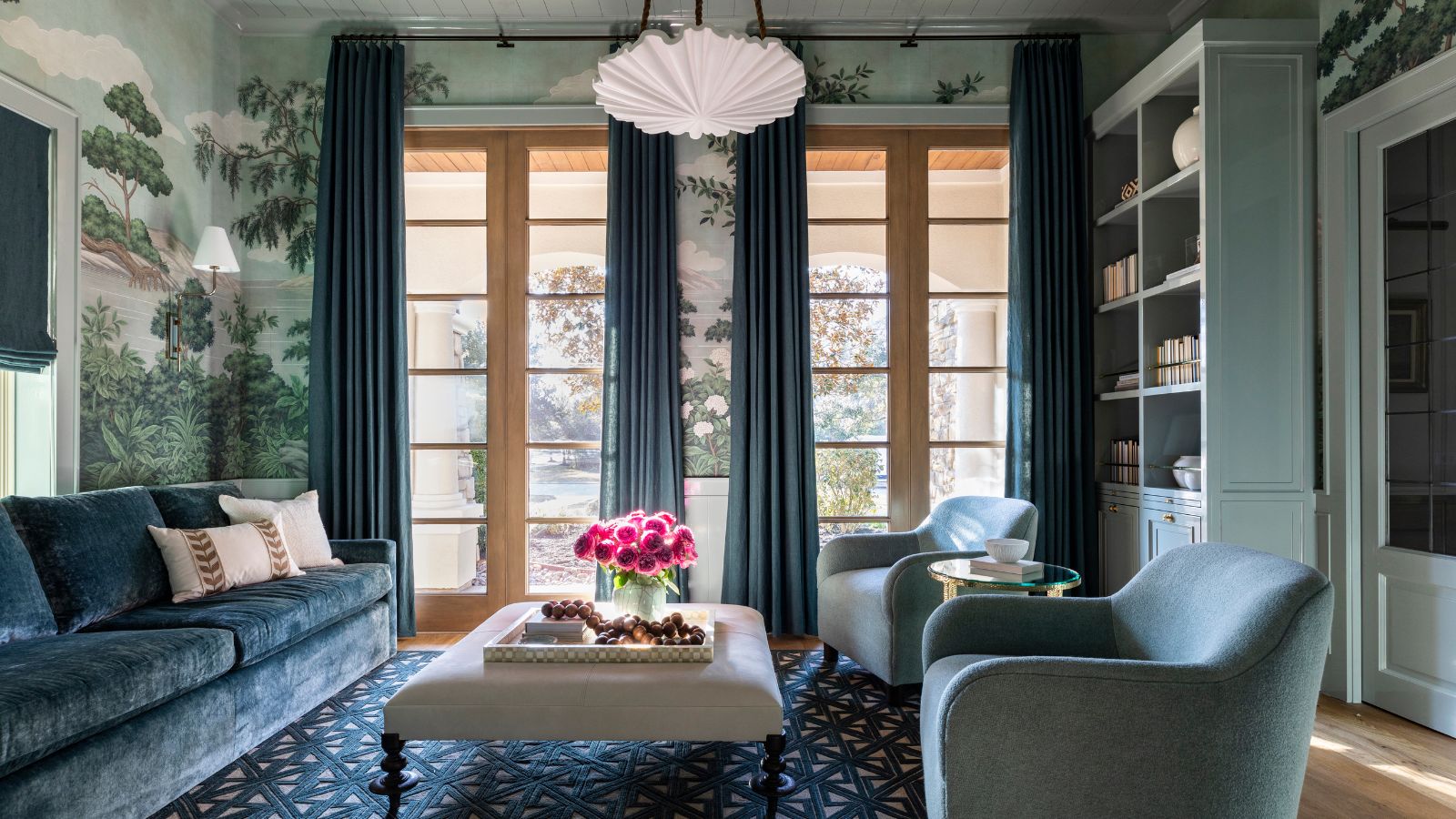
Floor-to-Ceiling Curtains
Long curtains that extend from ceiling to floor make a room feel taller and more open.
This effect creates a sense of elegance and spaciousness.
In smaller homes or apartments, this visual trick can significantly improve the perceived size of a room.
Wide Curtain Installations
Curtains installed wider than the window frame make windows appear larger.
This increases the sense of openness and brightness.
Softening Hard Architectural Lines
Modern homes often feature straight lines and rigid shapes.
Curtains introduce softness and movement, balancing these structural elements.
The result is a more comfortable and welcoming environment.
The Influence of Curtains on Daily Routines
Curtains quietly shape everyday experiences at home.
Morning sunlight filtered through soft fabric can create a gentle start to the day.
During work hours, balanced lighting reduces eye strain and improves focus.
In the evening, closing curtains signals the transition from daytime activity to relaxation.
These subtle environmental cues help regulate daily routines.
A thoughtfully designed curtain system supports a healthier and more enjoyable lifestyle.
Custom Curtains vs. Ready-Made Options
While ready-made curtains are widely available, custom curtains provide advantages that are especially noticeable over time.
Custom curtains are designed specifically for the dimensions of a room.
This ensures proper coverage, balanced proportions, and consistent light control.
Customization also allows homeowners to choose fabrics, colors, and hardware that align with their personal preferences.
Because of this flexibility, custom curtains often integrate more seamlessly with the overall interior design.
The emotional impact is subtle but meaningful: a well-designed space feels harmonious and intentional.
Seasonal Mood Changes and Curtain Choices
Different seasons bring different lighting conditions and emotional needs.
Custom curtain systems can adapt to these changes.
In winter, heavier curtains help retain warmth and create a cozy atmosphere.
In summer, lighter fabrics allow breezes and natural light to circulate freely.
Some homeowners even rotate curtain sets seasonally to refresh the look of their space.
This simple change can make a home feel renewed without major renovations.
Curtains as a Personal Expression
Beyond practical and psychological benefits, curtains also serve as a form of personal expression.
Patterns, textures, and colors reflect individual taste.
Some homeowners prefer minimalistic neutrals, while others enjoy bold patterns that add visual interest.
Custom curtains make it easier to achieve a balance between personal style and functional design.
The result is a home environment that feels uniquely tailored to the people living in it.
The Subtle Power of Light and Fabric
Interior design often focuses on large elements such as furniture and wall colors.
However, smaller details like curtains can have an equally profound effect on the atmosphere of a home.
By controlling how light enters a room and how colors interact with that light, curtains shape the emotional tone of living spaces.
A thoughtfully chosen curtain can turn harsh sunlight into a warm glow, transform a stark room into a cozy retreat, or create a calm environment for rest and reflection.
These subtle changes accumulate over time, influencing daily comfort and overall well-being.
Final Thoughts
From color selection to light diffusion, custom curtains play a powerful role in shaping the mood of a home.
They influence how sunlight moves through a space, how colors feel throughout the day, and how comfortable a room becomes for everyday living.
When carefully designed, curtains do more than decorate windows. They create atmosphere, regulate lighting, and contribute to emotional balance within the home.
For homeowners seeking to improve their living environment, curtains are not just an accessory—they are an essential design element that quietly affects how a space looks, feels, and functions every day.
By understanding the relationship between color, light, and fabric, it becomes possible to design window treatments that enhance both the beauty of a home and the well-being of the people who live in it.
Need Help with Your Custom Project?
Have questions about materials, sizing, or looking for a quick quote? Drop us a message and our experts will respond within 24 hours.
Chat on WhatsApp
+1 (304) 356-6765
Send us an Email
hello@incustom.com
Picked for You